Water-Dispersible Cili Fruit Juice Powder for Food, Beverage and Nutrition Formulations
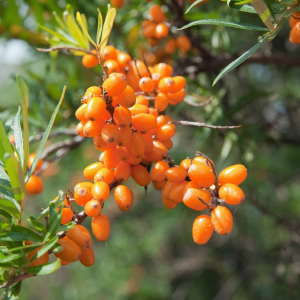
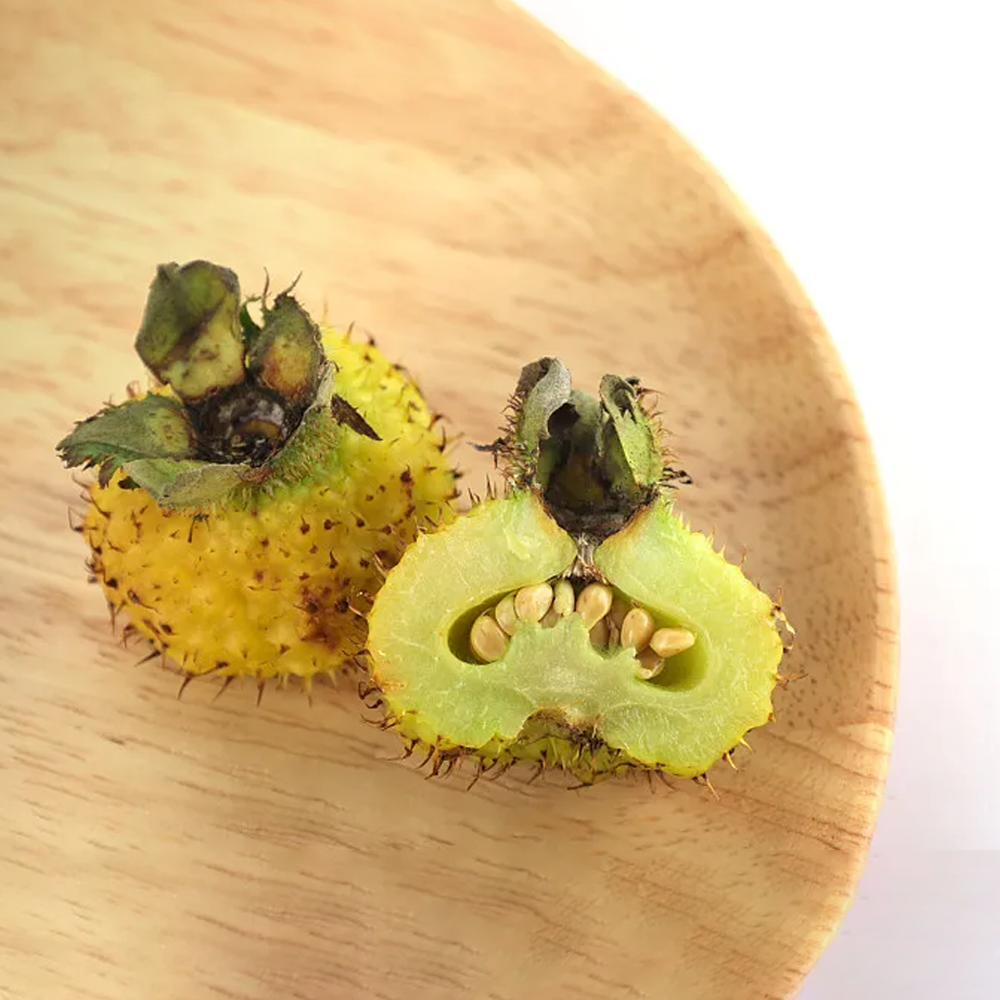
Green Life Herb supplies Rosa Roxburghii Fruit Powder made from selected fruits of Rosa roxburghii Tratt., also known as Cili, Roxburgh rose or thorn pear.
The fruit juice is processed through controlled filtration, concentration and drying to produce a convenient powdered ingredient with a characteristic tart fruit profile. It is suitable for commercial evaluation in instant beverages, solid drink mixes, functional foods, nutrition powders, gummies and other food applications.
Batch-specific Certificates of Analysis, product specifications, samples and supplier qualification documents are available upon request. Contact us at sales16@gl-herb.com.
What Is Rosa Roxburghii Fruit Powder?
Rosa Roxburghii Fruit Powder is a powdered food ingredient produced from the fruit of Rosa roxburghii Tratt., a plant in the Rosaceae family that is primarily cultivated in southwestern China.
Fresh Cili fruit has a distinctive acidic and slightly astringent flavor. Converting its juice into powder makes the ingredient easier to transport, store, measure and incorporate into commercial formulations.
Green Life Herb positions this product as a fruit juice powder rather than a highly concentrated botanical extract. It is intended for manufacturers looking for the fruit’s characteristic flavor, color and food-ingredient properties.
Rosa Roxburghii Fruit Powder vs. Standardized Extract
These product types should not be treated as interchangeable.
| Feature | Fruit Juice Powder | Standardized Extract |
| Primary Purpose | Food and beverage formulation | Concentrated functional formulation |
| Production Focus | Juice concentration and drying | Extraction and concentration of selected constituents |
| Key Buying Criteria | Flavor, color, dispersibility, carrier and food safety | Vitamin C, SOD, polyphenols or extraction ratio |
| Typical Applications | Beverages, gummies, nutrition powders and foods | Supplements and specialized functional products |
| Typical Use Level | Formulation-dependent, generally higher | Formulation-dependent, generally lower |
| Documentation Focus | Ingredient composition, carrier and food safety | Active assay, extraction method and test method |
Key Formulation Advantages
Characteristic Cili Fruit Profile
Rosa Roxburghii Fruit Powder provides the tart and slightly astringent sensory profile associated with Cili fruit. It can support distinctive fruit concepts in powdered beverages, functional drinks, gummies and blended nutrition products.
Research published in the Journal of Food Composition and Analysis identified malic acid and citric acid as important contributors to the fruit’s acidity. The researchers also associated compounds such as ellagic acid and catechin with its bitter and astringent characteristics.
These findings help explain the sensory profile of the fruit. They do not replace sensory testing or compositional analysis of the supplied production batch.
Designed for Convenient Dry Formulation
Converting Rosa roxburghii juice into powder provides practical benefits for industrial use, including:
- Easier weighing and dry blending
- Reduced dependence on seasonal fresh-fruit availability
- Convenient storage and transportation
- Suitability for powdered product formats
- More consistent commercial handling than fresh fruit juice
Performance in a finished formulation depends on the product grade, carrier system, dosage, water temperature, pH and other ingredients.
Controlled Batch Quality
Each released batch is evaluated against defined physical, chemical and microbiological requirements.
Depending on the agreed specification and order requirements, testing may include:
- Identity
- Appearance, odor and taste
- Particle size
- Moisture and ash
- Dispersibility or solubility
- Heavy metals
- Microbiological parameters
- Pesticide residues
- Vitamin C or other agreed assays
Testing claims on this page must match the approved specification and batch documentation.
Supplier Qualification Support
Green Life Herb can provide supplier qualification documents according to the product grade and project requirements.
Available documents may include:
- Product specification or Technical Data Sheet
- Batch-specific Certificate of Analysis
- Safety Data Sheet
- Manufacturing flow chart
- Allergen statement
- Non-GMO statement
- Country-of-origin statement
- Pesticide statement or test report
- Residual solvent statement
- Certificate of origin
- Verified ISO/HACCP/Halal/Kosher certificates
Rosa Roxburghii Fruit Powder Applications
Instant and Solid Beverages
Rosa Roxburghii Fruit Powder can be evaluated in:
- Instant fruit drinks
- Solid beverage powders
- Sachet drink mixes
- Effervescent beverage concepts
- Multi-fruit powder blends
- Daily nutrition drinks
Its natural acidity may complement berry, citrus and tropical-fruit profiles. Sweetener balance, sedimentation, color and storage stability should be assessed in the final formulation.
Functional Drinks
The ingredient can support beverage concepts positioned around natural fruit ingredients and tested nutritional constituents.
Manufacturers should evaluate:
- Dispersibility at the intended serving concentration
- pH and acidity
- Heat-treatment stability
- Sedimentation during storage
- Flavor compatibility
- Vitamin C retention, when relevant
- Packaging and light exposure
Any Vitamin C or functional claim must be supported by the composition of the finished product and comply with the regulations of the destination market.
Nutrition and Meal-Replacement Powders
Rosa Roxburghii Fruit Powder may be incorporated into blended nutrition powders to provide tart fruit character and differentiate the finished product.
Formulators should assess:
- Powder flowability
- Moisture sensitivity
- Flavor balance
- Compatibility with proteins and minerals
- Color stability
- Dispersibility
- Finished-product shelf life
Gummies and Tablet Candies
The acidic fruit profile may be suitable for gummy, chewable and tablet-candy applications.
Pilot testing is recommended to determine:
- Flavor intensity
- Color stability
- Interaction with the gelling system
- Processing-temperature effects
- Moisture migration
- Stability of tested nutrients
Dairy and Plant-Based Products
The powder may be evaluated in yogurt-style products, dairy beverages and plant-based formulations.
Because acidic fruit ingredients can affect protein systems, manufacturers should test:
- Protein stability
- Precipitation
- Viscosity
- Separation
- Flavor balance
- Color development
Bakery, Snack and Confectionery Products
Potential applications include fruit-flavored bakery fillings, nutrition bars, powdered coatings and snack seasonings.
Suitability depends on processing temperature, moisture exposure, desired flavor intensity and target shelf life.
Recommended Use Level
The appropriate use level depends on:
- Product grade
- Intended application
- Desired flavor intensity
- Carrier content
- Finished-product serving size
- Processing conditions
- Target-market regulations
Green Life Herb does not recommend one universal inclusion level for every application. Please provide your formulation type and target positioning so that our team can discuss a suitable starting range.
Scientific Background
The following information summarizes research concerning Rosa roxburghii fruit, fruit extracts or isolated fractions. It does not demonstrate that every commercial Rosa Roxburghii Fruit Powder has the same composition or produces the same biological effects.
Finished-product claims must be based on the supplied ingredient’s analytical results, the quantity used, processing stability, final serving size and applicable regulations.
Naturally Occurring Constituents
Rosa roxburghii fruit has attracted scientific interest because researchers have identified Vitamin C, polyphenols, flavonoids, polysaccharides, organic acids and other phytochemicals in the fruit.
A 2019 review published in the Journal of Functional Foods summarized the nutritional constituents, processing methods and studied biological activities of Rosa roxburghii. The authors highlighted Vitamin C, superoxide dismutase, flavonoids and polysaccharides among the fruit’s notable constituents.
However, the composition of a commercial powder may vary according to:
- Cultivar and growing conditions
- Fruit maturity
- Harvest and storage conditions
- Juice-processing method
- Drying temperature and duration
- Carrier type and concentration
- Packaging and storage
- Product age
For this reason, numerical content claims should be based on a product specification and batch COA—not fresh-fruit literature alone.
Antioxidant-Related Laboratory Research
In a 2008 in-vitro study published in Phytotherapy Research, researchers from North-West University in South Africa tested a defined Rosa roxburghii fruit extract containing measured concentrations of total ascorbic acid and total polyphenols.
Under the reported experimental conditions, the extract increased antioxidant status in primary rat liver cells and provided protection against chemically induced oxidative stress.
This study provides mechanistic, cell-based evidence concerning the tested extract. It is not a human clinical trial and does not prove that a commercial fruit juice powder prevents disease or produces the same effect in the human body.
Why Source Rosa Roxburghii Fruit Powder from Green Life Herb?
Ingredient and Application Support
Our team works with customers to identify the appropriate grade according to the intended formulation, processing requirements and target market.
Batch Documentation
A batch-specific COA and applicable supporting documents are available to help customers complete supplier qualification and incoming quality control.
Flexible Supply
We support formulation trials, commercial bulk orders and [customized packaging/specification, if verified].
Quality and Traceability
Defined specifications, production records and batch testing support consistent supply and traceability.
Export Communication
Our sales and documentation teams assist overseas customers with product specifications, samples, shipping documents and project-specific information.
Replace the above statements with measurable company facts wherever possible, including:
- Year established
- Years of ingredient-export experience
- Manufacturing or cooperation model
- Production capacity
- Number of export markets
- Quality-team experience
- Verified certifications
- Laboratory capabilities
[REQUEST SUPPLIER QUALIFICATION DOCUMENTS]
Frequently Asked Questions
1. What is Rosa Roxburghii Fruit Powder?
Rosa Roxburghii Fruit Powder is a powdered ingredient made from the fruit of Rosa roxburghii Tratt., commonly known as Cili, Roxburgh rose or thorn pear. Green Life Herb’s product is positioned as a fruit juice powder for commercial food, beverage and nutrition formulations.
The approved product specification identifies the processing method, carrier, physical properties and quality limits of the supplied grade.
2. Is Rosa Roxburghii Fruit Powder the same as Rosa Roxburghii extract?
No. Rosa Roxburghii Fruit Powder or fruit juice powder is generally produced to retain the fruit’s food-ingredient and sensory characteristics.
A Rosa Roxburghii extract is normally more concentrated and may be standardized for Vitamin C, SOD, polyphenols or an extraction ratio.
Buyers should compare the processing method, carrier declaration, assay values and intended application rather than relying on the product name alone.
3. Is your Rosa Roxburghii Fruit Powder water-soluble?
Our beverage grade is designed for dispersion in water-based formulations. The degree of clarity, dispersion and sedimentation depends on the grade, carrier system, concentration, water temperature, pH and other ingredients.
Unless testing confirms complete dissolution, “water-dispersible” is more technically accurate than “100% water-soluble.” We recommend testing a sample in the intended formulation before commercial production.
4. Does Rosa Roxburghii Fruit Powder contain maltodextrin?
A carrier such as maltodextrin may be used during spray drying to support powder formation, stability and handling. Where a carrier is used, its identity and declared range should be stated in the product specification.
Carrier-free or 100% fruit claims are made only when supported by the actual manufacturing formula and documentation.
5. What is Rosa Roxburghii Fruit Powder used for?
Rosa Roxburghii Fruit Powder can be evaluated for instant beverages, solid drink mixes, functional drinks, nutrition powders, gummies, tablet candies, dairy products, plant-based products, bakery products and snacks.
The appropriate product grade and inclusion level depend on the formulation, processing conditions, desired flavor and destination-market regulations.
6. Can you provide a COA for Rosa Roxburghii Fruit Powder?
Yes. A batch-specific Certificate of Analysis can be provided for samples and qualified orders.
Depending on the grade and project requirements, supporting documents may also include a product specification, SDS, flow chart, allergen statement, Non-GMO statement, country-of-origin statement and relevant quality certificates. Please confirm the required document list before ordering.
7. What is the MOQ for bulk Rosa Roxburghii Fruit Powder?
The standard MOQ is 25kg. Smaller trial quantities may be available for formulation evaluation. Customized specifications or packaging may require a higher MOQ. Send us your intended application, estimated quantity and destination country for an accurate quotation.