Brief Introduction
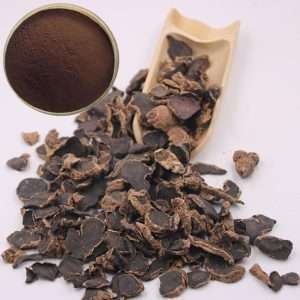
Fo-Ti, commonly known as He Shou Wu, has a long history of use in traditional Chinese herbal practice. The botanical material is derived from the root tuber of Polygonum multiflorum. Its phytochemical profile includes stilbene glycosides, anthraquinones, phospholipids, flavonoids and other phenolic constituents.
For commercial formulation, the quality of Fo-Ti extract depends on more than the extract ratio. Raw-material identity, processing status, extraction solvent, carrier content, marker-compound profile and control of relevant anthraquinones should all be considered when defining a purchasing specification.
Green Life works with customers to establish specifications based on the intended application and destination-market requirements.
Product Information
| Item | Specification |
|---|---|
| Product Name | Fo-Ti Extract Powder |
| Botanical Source | Polygonum multiflorum Thunb. |
| Botanical Synonym | Reynoutria multiflora (Thunb.) Moldenke |
| Plant Family | Polygonaceae |
| Plant Part Used | Root tuber |
| Common Names | Fo-Ti, He Shou Wu, Chinese fleeceflower root |
| Standard Specification | 10:1 extract |
| Other Options | Ratio and marker-standardized specifications available upon request |
| Marker Compound Option | TSG/THSG by HPLC |
| Appearance | Fine brown to dark-brown powder |
| Identification | TLC and/or chromatographic identification |
| Application | Dietary supplements, traditional herbal formulations and personal-care products |
| Sample | Available upon request |
| Documentation | COA, TDS and SDS available |
Available Specifications
Ratio Extracts
- Fo-Ti Extract 5:1
- Fo-Ti Extract 10:1
- Fo-Ti Extract 20:1
Availability is subject to confirmation.
Marker-Standardized Extract
A standardized specification based on:
2,3,5,4′-Tetrahydroxystilbene-2-O-β-D-glucoside, commonly abbreviated as TSG or THSG, may be discussed for projects requiring quantitative marker control.
Botanical Identity and Processing Status
The raw material used for production should be authenticated as the root tuber of Polygonum multiflorum. Because raw and traditionally processed Fo-Ti may have different chemical profiles, the processing status must be clearly defined in the commercial specification.
For purchasing evaluation, customers are encouraged to confirm:
- Whether the source material is raw or processed root;
- The processing method used;
- The geographical origin of the root;
- The extraction solvent;
- The native extract ratio;
- The presence and level of any processing carrier;
- The analytical method used for identity and marker determination.
Formulation Applications
Fo-Ti Extract Powder may be considered for:
- Botanical capsules and tablets
- Traditional herbal blends
- Powdered supplement formulations
- Wellness beverage premixes, subject to solubility and regulatory evaluation
- Hair and scalp-care formulations
- Cosmetic botanical complexes
Suitability must be verified through formulation testing, stability evaluation and destination-market regulatory review.
Batch Documentation
Available documentation may include:
- Certificate of Analysis
- Technical Data Sheet
- Safety Data Sheet
- Manufacturing flow chart
- Allergen statement
- GMO statement
- Irradiation statement
- Residual-solvent statement
- Pesticide-residue report
- Heavy-metal report
- Microbiological report
FAQ
What is the difference between Fo-Ti root powder and Fo-Ti extract?
Root powder is produced by milling the dried botanical material. An extract is manufactured by extracting selected soluble constituents and concentrating the resulting solution. Extract ratio alone does not define marker-compound content or clinical potency.
Is your Fo-Ti extract made from raw or processed root?
The processing status must be confirmed in the individual product specification. Customers requiring processed He Shou Wu should state this requirement during quotation and sample evaluation.
What does 10:1 mean?
A 10:1 ratio generally indicates that a nominal quantity of botanical raw material was used to produce one quantity of extract. It does not necessarily mean that the product contains ten times the concentration of every naturally occurring compound.
Can you standardize the extract to TSG?
TSG-standardized specifications may be discussed, subject to target content, analytical method, minimum order quantity and production feasibility.
Do you control emodin or total anthraquinones?
Customized emodin, free-anthraquinone or total-anthraquinone requirements may be evaluated. The requested analytical method and limit should be agreed before production.
Is maltodextrin used?
Carrier use depends on the production specification. A batch-specific COA and formulation declaration should identify the carrier type and, where agreed, the carrier percentage.
What documents are available?
COA, TDS and SDS are generally available. Additional quality and compliance statements can be provided according to the product and project requirements.
Is Fo-Ti permitted in every country?
No assumption should be made that Fo-Ti has the same regulatory status in every market. Customers must verify permitted use, dosage, labeling and claims with the relevant authority or qualified regulatory adviser.