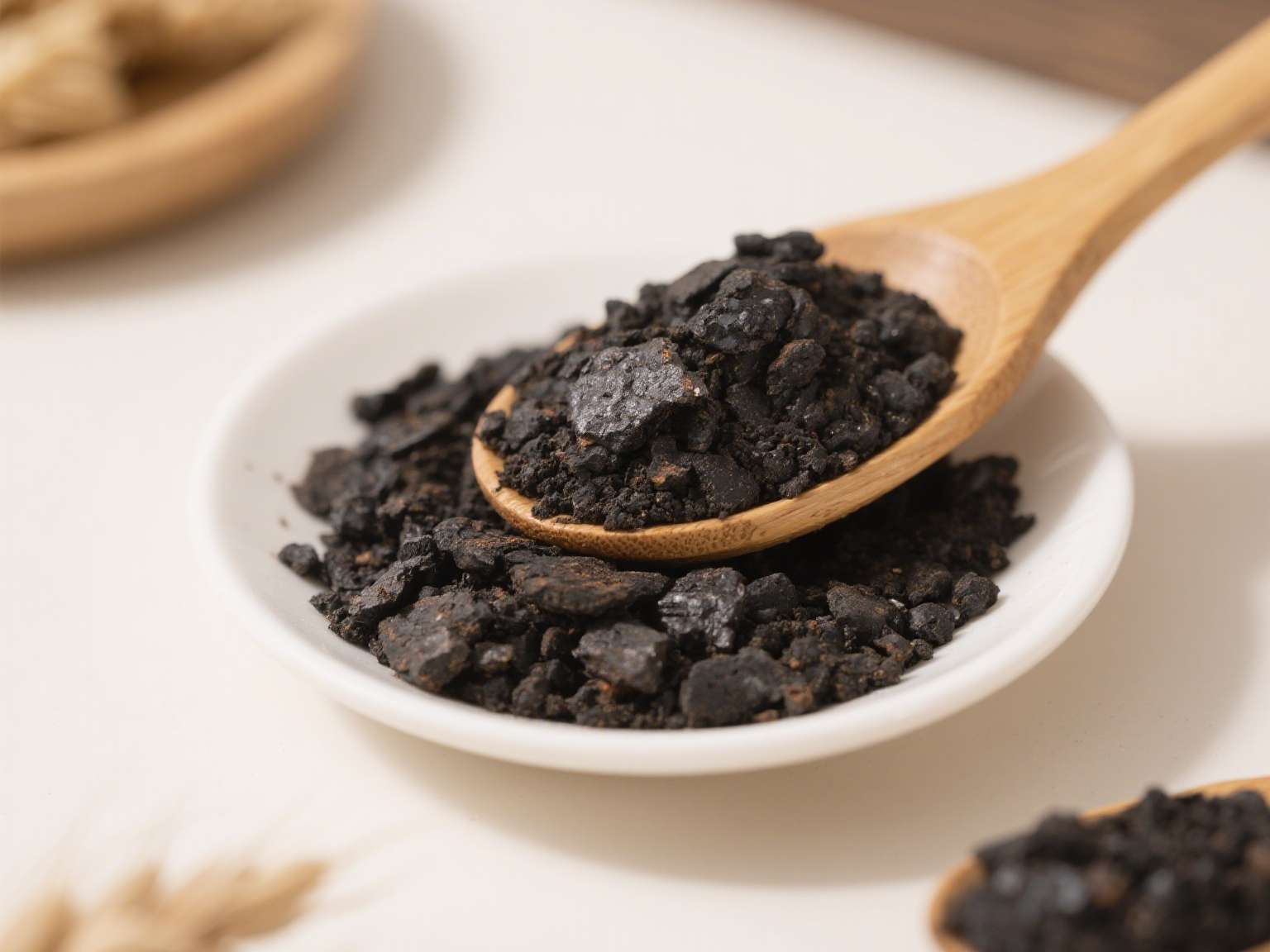
Shilajit extract has moved from the margins of traditional medicine into the mainstream of the global nutraceutical market. For botanical extract buyers, formulation chemists, and supplement brand managers, understanding the science, sourcing standards, and commercial positioning of this ingredient is essential for making sound procurement and product development decisions. This guide consolidates the current body of knowledge on Shilajit extract—covering its origins, chemistry, clinical evidence, and B2B applications—into a single authoritative reference.
What Is Shilajit? Origin and Formation
The name Shilajit derives from the Sanskrit words Shila (rock) and Jit (conqueror), a fitting description for a substance that literally emerges from mountain rock faces. It is a dark, resinous exudate found seeping from the crevices of high-altitude rock formations throughout the Himalayas, the Altai, the Caucasus, and the Hindu Kush, with the Himalayan range—particularly regions in Nepal, Uttarakhand, and Ladakh—yielding the most commercially significant deposits.
Shilajit forms over thousands of years through a complex process: ancient plant matter, rich in phenolic compounds and organic acids, becomes compressed between rock strata under extreme pressure and cold conditions. Prolonged microbial fermentation and geochemical mineralization transform this plant biomass into a concentrated humic matrix loaded with bioactive compounds. The result is a substance that encapsulates the mineral content of an entire alpine ecosystem in a highly bioavailable form.
In Ayurvedic medicine, Shilajit has been classified as a rasayana—a class of rejuvenating tonics used for over 3,000 years to restore vitality, promote longevity, and enhance cognitive function. As of 2024, PubMed catalogues over 200 peer-reviewed studies on Shilajit, and the ingredient has graduated from traditional apothecaries to the ingredient lists of premium supplement brands worldwide.
Key Bioactive Compounds
Shilajit’s commercial and clinical value derives from a distinctive and complex phytochemical profile that cannot be replicated by any single synthetic compound. The following constituents are the primary drivers of its bioactivity.
Fulvic Acid
Fulvic acid is the cornerstone of Shilajit’s identity as a commercial ingredient. It typically constitutes 20–40% of the dry weight of a high-grade extract and is the compound most strongly associated with the ingredient’s documented effects. Fulvic acid is a low-molecular-weight humic substance with an exceptionally high electron-transfer capacity, enabling it to function simultaneously as an antioxidant, a mineral chelator, and a cellular transport enhancer.
Its small molecular size allows it to penetrate cell membranes efficiently, facilitating the delivery of minerals and other nutrients directly into cells while also mobilizing and excreting cellular waste products. Standardization to a minimum of 50% fulvic acid content is widely recognized as the benchmark for extracts intended for clinical or premium supplement applications.
Humic Acid
Humic acids are the larger-molecular-weight fraction of Shilajit’s humic substance complex. While less bioavailable than fulvic acid due to their molecular size, humic acids contribute meaningful antioxidant activity and have demonstrated immunomodulatory properties in laboratory studies. They function synergistically with fulvic acid to support the overall efficacy of the raw material.
Dibenzo-Alpha-Pyrones (DBPs)
Dibenzo-alpha-pyrones and their metabolites are among the most pharmacologically distinctive compounds found in Shilajit. These chromoprotein complexes are largely responsible for the ingredient’s mitochondrial effects. DBPs act as electron carriers within the mitochondrial respiratory chain, directly supporting ATP synthesis. They also exhibit antioxidant activity that is structurally complementary to fulvic acid, creating a dual-layer defence against oxidative stress at the cellular level.
Ionic Trace Minerals
Shilajit contains over 85 minerals in ionic, bioavailable form, including iron, zinc, magnesium, calcium, selenium, copper, and manganese. Because these minerals are already chelated within the humic matrix, their absorption rates are substantially higher than those of typical inorganic mineral supplements. This mineral density is a key differentiator for product formulations targeting energy, immune function, and bone health.
Additional Phytochemicals
The remaining phytochemical fraction of Shilajit includes amino acids, polyphenols, phenylpropanoids, flavonoids, and various organic acids. These compounds contribute antioxidant, anti-inflammatory, and adaptogenic properties, and are believed to modulate the bioactivity of the primary compounds through synergistic interactions.
Energy and Athletic Performance
The energy-related applications of Shilajit extract represent one of its strongest clinical evidence bases and its most commercially active positioning in the supplement market.
Fulvic acid and dibenzo-alpha-pyrones act on the mitochondria through complementary mechanisms. Fulvic acid stimulates the expression of PGC-1α, the master regulator of mitochondrial biogenesis, effectively increasing the number and efficiency of energy-producing organelles within cells. Simultaneously, DBPs enhance the efficiency of the electron transport chain, boosting ATP output from existing mitochondria. This dual-action mechanism produces a measurable increase in cellular energy availability without the stimulant effect of caffeine or adrenergic compounds.
A double-blind clinical trial published in Evidence-Based Complementary and Alternative Medicine (2016) found that subjects taking Shilajit extract for four weeks experienced a 22% increase in ATP levels and significant improvements in exercise endurance and fatigue scores. Separately, a study in the Journal of Ethnopharmacology documented a 15–20% improvement in physical endurance markers among Shilajit users. A 2012 study in the same journal confirmed that Shilajit enhances mitochondrial function at the molecular level, providing a mechanistic explanation for these performance outcomes.
For athletic performance formulations, Shilajit extract pairs well with coenzyme Q10, creatine, and adaptogenic herbs such as ashwagandha and rhodiola. Its clean energy profile—free from stimulant side effects and associated crashes—makes it attractive for supplement brands targeting endurance athletes, corporate wellness programs, and consumers seeking caffeine alternatives.
Cognitive Health and Neuroprotection
Shilajit’s neuroprotective potential is among its most scientifically compelling attributes and an increasingly important positioning angle for premium brain-health supplement lines.
The active compounds in Shilajit cross the blood-brain barrier. Once inside the central nervous system, fulvic acid’s antioxidant and metal-chelating properties help neutralize reactive oxygen species and inhibit the aggregation of tau protein and beta-amyloid plaques—two of the primary pathological hallmarks of Alzheimer’s disease. Research published in the Journal of Natural Products (2021) identified these neuroprotective mechanisms and their implications for neurodegenerative disease management.
Shilajit also promotes the synthesis of brain-derived neurotrophic factor (BDNF), a critical protein for neuronal survival, synaptic plasticity, and the formation of new memories. Clinical evidence from Phytotherapy Research (2018) showed that long-term Shilajit users scored 15% higher on standardized memory tests compared to controls, with improvements in focus and processing speed comparable to those observed with ginkgo biloba extract.
At the neurotransmitter level, Shilajit’s polyphenols support the synthesis of dopamine and serotonin, offering a biochemical basis for the mood-stabilizing and anxiety-reducing effects reported by users. Its adaptogenic properties further contribute to cognitive resilience by modulating the HPA axis and supporting adrenal health under high-stress conditions.
For B2B formulators, these mechanisms position Shilajit as a scientifically credible ingredient for nootropic, focus, and cognitive longevity product lines targeting knowledge workers, students, and aging adults.
Anti-Aging and Longevity
Shilajit’s traditional classification as a rasayana—a longevity promoter—is now supported by modern mechanistic research into aging biology.
Aging at the cellular level is driven by two primary processes: oxidative damage and telomere shortening. Shilajit addresses both. Its antioxidant capacity is exceptional: studies have reported superoxide dismutase (SOD) activity in Shilajit at levels more than ten times higher than those found in blueberries, enabling robust neutralization of free radicals and inhibition of lipid peroxidation (Mukherjee et al., 2014). This antioxidant activity protects cellular structures—including DNA, proteins, and membrane lipids—from cumulative oxidative damage.
A 2019 study published in the Journal of Ayurveda and Integrative Medicine demonstrated that Shilajit supplementation increases telomerase activity, the enzyme responsible for maintaining telomere length. By slowing telomere erosion, Shilajit helps delay the cellular senescence that underlies age-related functional decline.
Shilajit also modulates NF-κB signaling, a central pathway in chronic low-grade inflammation—a process increasingly recognized as a driver of accelerated aging and age-related disease. By reducing pro-inflammatory cytokine production through NF-κB suppression, Shilajit addresses one of the foundational mechanisms of biological aging.
These properties make Shilajit extract a compelling ingredient for anti-aging formulations, longevity supplements, and premium wellness products targeting consumers aged 40 and above.
Male Health and Testosterone Support
Shilajit has a well-documented evidence base for male reproductive and hormonal health, making it a leading ingredient in the men’s health supplement segment.
A frequently cited clinical trial published in Andrologia (Pandit et al., 2015) found that 90 days of purified Shilajit supplementation significantly increased total testosterone and free testosterone levels in healthy male volunteers. A separate six-week trial at 500 mg daily reported a 19% increase in testosterone, with corresponding improvements in libido and muscle strength (Agarwal et al., 2012).
Beyond testosterone, Shilajit supplementation has been associated with improvements in sperm count, motility, and morphology in men with subfertility. The mechanisms are believed to involve improved mitochondrial function within sperm cells, reduced oxidative stress in the reproductive tract, and enhanced luteinizing hormone (LH) activity, which stimulates testicular testosterone synthesis.
For women, Shilajit’s hormonal effects appear to operate through different pathways. Research has indicated that it may help regulate estrogen metabolism and alleviate symptoms associated with menopause, including hot flashes and sleep disturbances (Chaudhary et al., 2017), though evidence in this area is less extensive than for male health applications.
In the B2B context, Shilajit is a category-defining ingredient for men’s vitality, testosterone support, and male fertility supplement lines. It is frequently combined with zinc, vitamin D, ashwagandha, and fenugreek in multi-ingredient formulations.
B2B Applications and Formulation Guidance
Shilajit extract serves a broad range of product categories, and its versatility is a key commercial advantage for ingredient suppliers and finished-goods manufacturers alike.
Primary Application Categories
- Energy and Performance Supplements: Capsules, powders, and ready-to-mix products targeting fatigue reduction, endurance, and physical recovery.
- Nootropics and Cognitive Health: Single-ingredient and stack formulations for focus, memory, and long-term brain health.
- Men’s Health: Testosterone support, fertility, and vitality formulations for adult males.
- Anti-Aging and Longevity: Premium wellness products targeting cellular aging, skin health, and systemic vitality.
- Metabolic Health: Formulations addressing blood sugar balance, lipid management, and liver support.
- Immune Support: Products leveraging Shilajit’s immunomodulatory properties, including NK cell and T-cell activation.
- Adaptogen Blends: Multi-ingredient stress and resilience formulations combining Shilajit with ashwagandha, rhodiola, and similar botanicals.
Format and Dosage Considerations
Shilajit extract is commercially available in several formats, each with distinct formulation and handling considerations:
- Purified Resin: The most traditional format. High bioactivity and consumer appeal for premium positioning, but challenging to measure and dose consistently.
- Dry Extract Powder: The most common B2B format. Standardized to fulvic acid content (typically 20–50%), free-flowing, and compatible with capsule, tablet, and powder formulations.
- Water-Soluble Extract: Suitable for beverage, functional food, and liquid supplement applications.
The clinically studied dosage range is 300–500 mg of purified extract per day, typically administered in the morning on an empty stomach to maximize absorption. Premium product formulations standardized to ≥50% fulvic acid can achieve equivalent outcomes at lower absolute doses.
Compatibility and Synergies
Shilajit extract is generally compatible with other botanical and nutraceutical ingredients. Established synergistic combinations include:
- Ashwagandha (KSM-66 or Sensoril) for adaptogenic and testosterone-supporting stacks
- Coenzyme Q10 for mitochondrial energy formulations
- Zinc and vitamin D for men’s hormonal health products
- Lion’s Mane mushroom extract for cognitive and neuroprotective formulations
- Ginkgo biloba for cerebral circulation and memory support
Quality, Standardization, and Responsible Sourcing
Quality control is the single most critical factor in the Shilajit supply chain. Because Shilajit is a complex natural matrix sourced from remote high-altitude environments, the quality of raw material and processing methodology varies significantly between suppliers. Buyers must evaluate potential suppliers against a rigorous set of criteria.
Standardization Parameters
Reputable Shilajit extracts are standardized to defined levels of their primary bioactive compounds:
- Fulvic Acid: A minimum of 50% for premium-grade standardized extracts; 20–40% for standard commercial grades. Quantification should be performed using validated HPLC or UV spectrophotometry methods.
- Humic Acid: Typically reported alongside fulvic acid as part of the total humic substance profile.
- Dibenzo-Alpha-Pyrones: Increasingly quantified in research-grade materials; not yet universally standardized commercially but relevant for differentiation.
Contaminant Testing Requirements
Heavy metal contamination is the primary safety concern associated with Shilajit, given that it is a geological product that naturally concentrates minerals from surrounding rock formations. Supplier documentation must include third-party testing for:
- Lead, cadmium, mercury, and arsenic (per USP, EU, or ICH Q3D limits)
- Microbial contamination (total aerobic count, yeast, mold, pathogens)
- Pesticide residues (where applicable to cultivation areas)
- Solvent residues (for non-aqueous extraction processes)
Sourcing Geography and Extraction Method
High-altitude sourcing from verified collection zones in Nepal, the Uttarakhand region of India, or Himachal Pradesh is associated with superior bioactive content. Traditional water-based extraction and modern ultrasonic-assisted extraction are the preferred methods for preserving key compounds, particularly the heat-sensitive dibenzo-alpha-pyrones. Suppliers should be able to document their collection zones, extraction methodology, and purification steps.
Regulatory and Documentation Requirements
For import into major markets, buyers should require the following from suppliers:
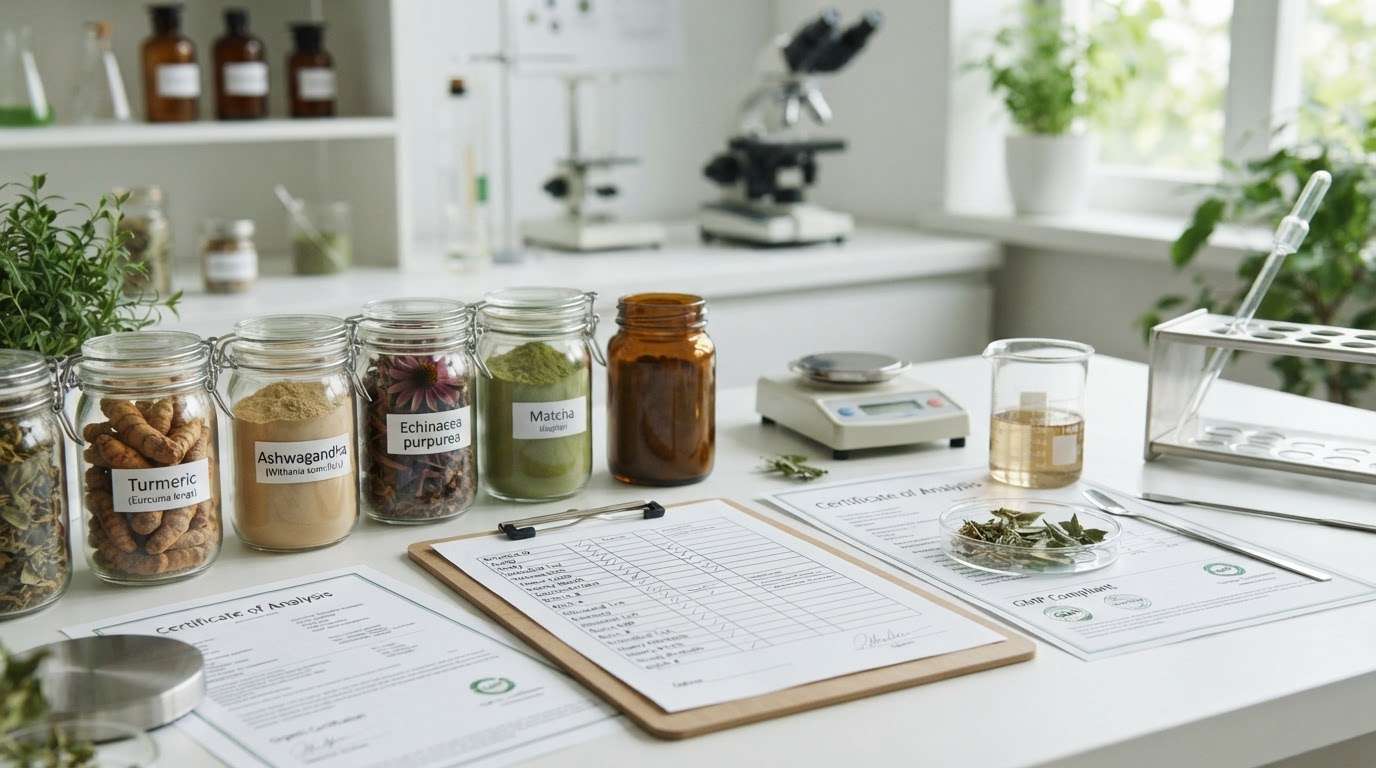
- Certificate of Analysis (COA) with standardization values and contaminant test results
- Certificate of Origin
- MSDS/SDS documentation
- Allergen declaration
- Non-GMO and organic certifications (where applicable)
- Compliance documentation for target markets (DSHEA for the US, Novel Food status for the EU, FSSAI for India)
Supplier Due Diligence Note: Request batch-specific COAs rather than generic certificates. A reputable supplier will test every production lot for both standardization markers and heavy metal content and will provide documentation upon request before purchase.
Frequently Asked Questions
What fulvic acid percentage should B2B buyers specify when sourcing Shilajit extract?
The appropriate specification depends on the intended application. For premium supplement formulations and clinical-grade products, a minimum of 50% fulvic acid by dry weight is the recognized benchmark and aligns with the dosage levels used in human clinical trials. Standard commercial-grade extracts containing 20–40% fulvic acid are suitable for general wellness formulations and price-sensitive product lines. Always request HPLC-validated COAs, as fulvic acid quantification methods vary and can produce incomparable results if different analytical methods are used.
Is Shilajit extract safe, and what contaminants should buyers be most concerned about?
Purified, standardized Shilajit extract has a well-established safety profile at recommended doses of 300–500 mg per day. The primary safety risk in the category is heavy metal contamination in poorly processed raw materials. Lead and arsenic are the contaminants of greatest concern given their natural occurrence in geologically active mountain environments. Buyers should require third-party heavy metal testing against ICH Q3D or USP limits for every batch. Pregnant individuals, people on prescription medications, and those with chronic kidney disease should consult a healthcare professional before use.
How does Shilajit extract differ from raw Shilajit resin, and which is preferable for commercial formulation?
Raw Shilajit resin is the unprocessed exudate collected directly from rock faces. While it retains the full spectrum of natural compounds, it is variable in composition, difficult to standardize, and impractical for capsule or tablet manufacturing due to its sticky, hygroscopic nature. Standardized dry extract powder—produced through aqueous extraction and spray-drying or freeze-drying—offers consistent fulvic acid content, defined heavy metal limits, and compatibility with all standard dosage forms. For most commercial applications, standardized extract powder is the preferred format.
What are the most commercially promising formulation categories for Shilajit extract?
Based on current market trends, the highest-growth applications are men’s vitality and testosterone support supplements, nootropic and cognitive performance stacks, and premium anti-aging formulations. The ingredient also has strong positioning potential in adaptogen blends and metabolic health products. The men’s health segment currently represents the largest volume application globally, while cognitive health and longevity formulations are the fastest-growing segments in North American and European premium supplement markets.
What is the regulatory status of Shilajit extract in major export markets?
In the United States, Shilajit extract is lawfully marketed as a dietary supplement ingredient under DSHEA, provided it meets safety and labeling requirements. In the European Union, the regulatory status is more complex: Shilajit is classified as a Novel Food in most EU member states, meaning that manufacturers must obtain Novel Food authorization before placing products on the market, or demonstrate a history of significant consumption in the EU prior to May 1997. In the United Kingdom, similar Novel Food regulations apply post-Brexit. In India, Shilajit is fully recognized under AYUSH and FSSAI frameworks, with a long history of licensed manufacturing. Buyers sourcing for EU or UK markets should work closely with their regulatory counsel to confirm compliance pathways for their specific product applications.
Conclusion
Shilajit extract occupies a unique position in the global botanical ingredient market: it combines a multi-thousand-year history of documented traditional use with a growing body of modern clinical and mechanistic evidence, across an unusually broad range of health applications. Its core value proposition—mitochondrial energy enhancement, neuroprotection, hormonal support, antioxidant activity, and adaptogenic resilience—maps directly onto the highest-growth segments of the global nutraceutical industry.
For B2B buyers, the critical success factor in working with this ingredient is supplier diligence. Standardization to defined fulvic acid content, rigorous heavy metal testing, and transparent documentation of sourcing geography and extraction methodology are non-negotiable requirements for building a compliant, efficacious, and commercially durable product. When these quality standards are met, Shilajit extract delivers genuine differentiation in a market where substantiated, heritage-backed ingredients with broad clinical relevance are increasingly scarce.
GL-Herb supplies standardized Shilajit extract in both dry powder and water-soluble formats, with full batch-level COA documentation and third-party heavy metal testing. Contact our technical team to discuss specification requirements, minimum order quantities, and sample requests.
Looking for Premium Plant Extracts?
Green Life Herb supplies 280+ botanical extracts with ISO/HALAL/Kosher certifications.
Custom specifications and sample orders available.