Choosing the right botanical ingredients suppliers is one of the most important sourcing decisions for B2B buyers in the nutraceutical, food and beverage, cosmetics, and herbal products industries. The supplier you select directly affects product quality, compliance, brand reputation, manufacturing consistency, and long-term profitability.
Botanical ingredients can vary significantly depending on origin, harvesting practices, extraction methods, testing standards, storage conditions, and supply chain controls. For this reason, B2B buyers should evaluate suppliers with a structured process rather than relying only on price, availability, or quick samples.
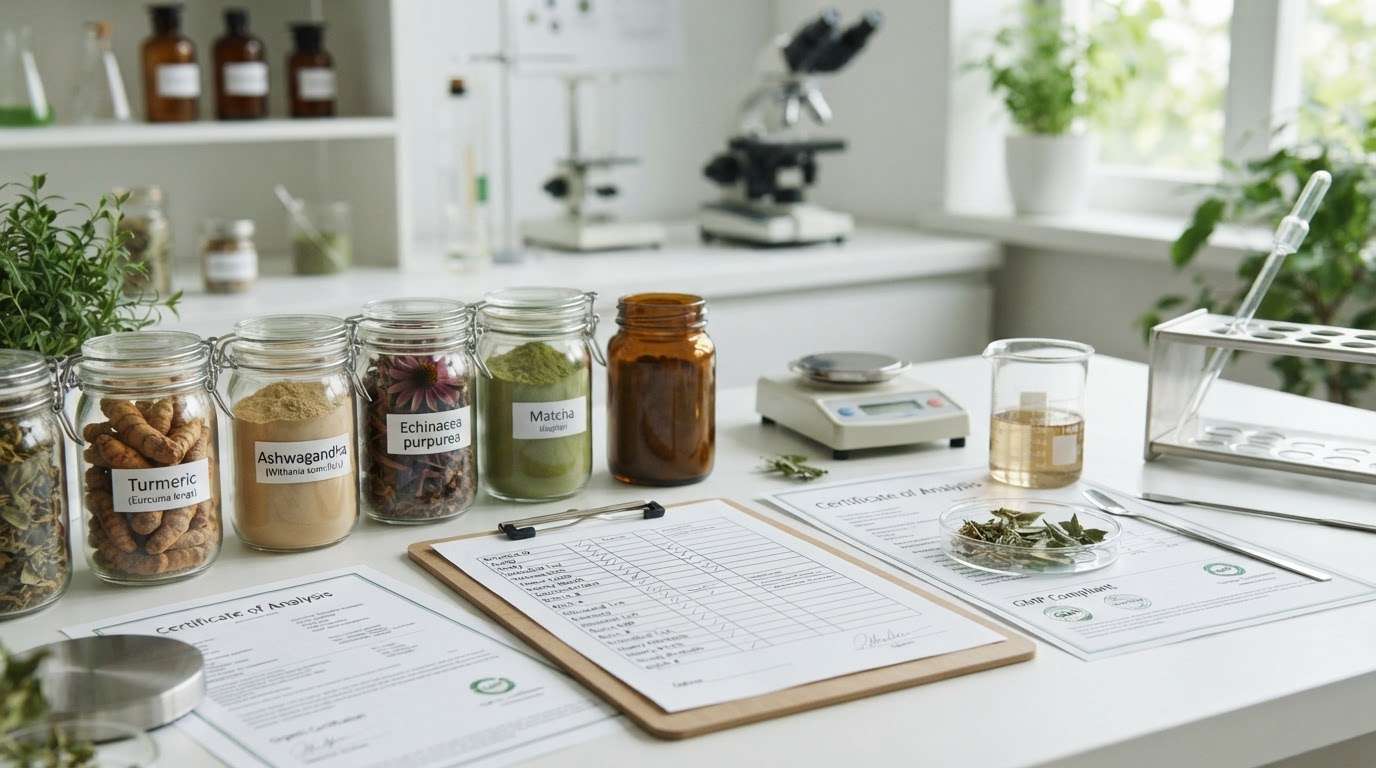
Why Supplier Selection Matters in Botanical Ingredient Sourcing
In B2B botanical sourcing, a supplier is more than a vendor. A strong supplier becomes a strategic partner that helps maintain quality, reduce procurement risk, support regulatory requirements, and ensure stable supply. A weak supplier can create inconsistent batches, documentation gaps, delayed shipments, failed quality checks, and customer complaints.
For brands that manufacture dietary supplements, functional foods, teas, personal care products, or herbal formulations, botanical ingredient quality is closely tied to consumer trust. Selecting the best botanical ingredients suppliers helps protect that trust from the beginning of the supply chain.
1. Verify Botanical Expertise and Product Specialization
Not every ingredient supplier has deep expertise in botanicals. Some suppliers offer a broad catalog but limited technical knowledge about plant identification, extraction ratios, active compounds, regional differences, and quality risks. B2B buyers should look for suppliers that understand the specific botanical ingredients required for their formulas.
- Do they specialize in herbal extracts, powders, essential oils, or raw botanicals?
- Can they explain the botanical source, plant part used, and extraction method?
- Do they understand active markers and specification requirements?
- Can they support custom extracts or standardized ingredients if needed?
A supplier with strong botanical expertise can help buyers avoid common sourcing mistakes, such as choosing the wrong plant part, inconsistent extract ratios, or ingredients with insufficient active compound levels.
2. Review Quality Control Standards and Testing Capabilities
Quality control is a core factor when selecting botanical ingredients suppliers. Buyers should evaluate both the supplier’s internal quality system and the third-party testing they use to verify product safety and consistency.
Important quality checks may include identity testing, active compound testing, microbiological testing, heavy metals analysis, pesticide residue screening, solvent residue testing, and adulteration checks. The exact requirements depend on the ingredient type, market, and finished product application.
Key Documents to Request
- Certificate of Analysis for each batch
- Product specification sheet
- Material Safety Data Sheet when applicable
- Allergen, GMO, vegan, halal, kosher, or organic statements when relevant
- Testing reports from accredited laboratories
- Traceability and batch records
A professional supplier should provide documentation clearly and consistently. If a supplier cannot provide complete batch-level documentation, buyers should treat it as a serious warning sign.
3. Assess Certifications and Regulatory Compliance
Regulatory expectations vary by region and product category, but compliance should always be part of the supplier evaluation process. Botanical ingredients suppliers serving international B2B markets should understand documentation and quality requirements for different destinations.
Depending on your business, relevant certifications may include ISO, HACCP, GMP, organic certification, halal, kosher, or other food and supplement safety standards. Certifications do not replace due diligence, but they provide useful evidence that the supplier follows structured quality systems.
Buyers should also confirm whether ingredients meet requirements for their intended market. For example, a botanical extract used in dietary supplements may need different documentation than the same plant material used in cosmetics, beverages, or animal nutrition.
4. Evaluate Sourcing Transparency and Traceability
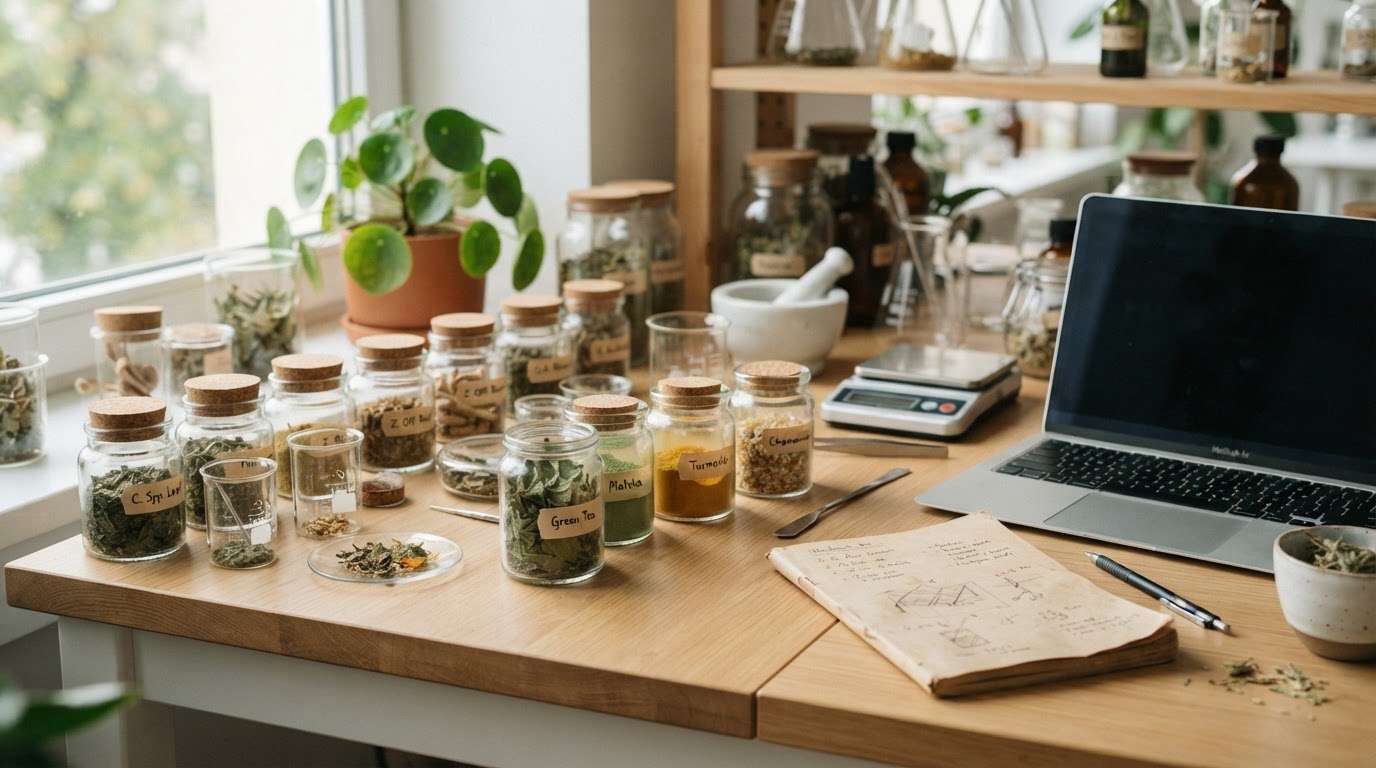
Traceability is especially important for botanical ingredients because quality can be influenced by climate, soil, harvest timing, drying methods, and storage conditions. Reliable suppliers should be able to explain where ingredients come from and how they are controlled from harvest to shipment.
Ask whether the supplier works directly with farms, cooperatives, or approved raw material partners. Buyers should also ask how the supplier prevents substitution, contamination, and adulteration. Transparent sourcing helps reduce risk and supports stronger claims around quality, sustainability, and consistency.
5. Compare Samples Against Real Production Standards
Samples are useful, but they should be evaluated carefully. A high-quality sample does not always guarantee consistent bulk production. B2B buyers should compare samples against full product specifications and confirm that future commercial batches will match the same quality parameters.
- Check color, odor, taste, texture, solubility, and active compound levels.
- Confirm whether the sample comes from current production stock.
- Request batch documentation for the sample.
- Test the sample in your actual formulation or production process.
- Confirm shelf life and storage conditions before ordering in bulk.
The best botanical ingredients suppliers will be clear about sample origin, batch status, and expected production consistency.
6. Check Supply Capacity, Lead Times, and Scalability
Even if a supplier offers excellent quality, they must also be able to support your volume requirements. B2B buyers should review production capacity, minimum order quantities, lead times, seasonal availability, and inventory planning.
This is especially important for fast-growing brands or companies planning long-term product launches. A supplier that can handle small trial orders but cannot support scale may create supply interruptions later. Buyers should ask how the supplier manages demand fluctuations, crop shortages, and logistics challenges.
7. Consider Communication and Technical Support
Strong communication is often a sign of a reliable supplier. Botanical sourcing involves technical details, quality documents, shipping timelines, and sometimes custom requirements. Suppliers should respond clearly, provide accurate information, and support buyers throughout the purchasing process.
Look for suppliers that can answer technical questions, explain specifications, provide regulatory documents, and communicate proactively about production or delivery updates. Slow, vague, or inconsistent communication during the sample stage may become a bigger problem after bulk orders begin.
8. Do Not Choose on Price Alone
Price is important in B2B procurement, but the lowest price is not always the best value. Botanical ingredients with unusually low prices may involve lower active content, poor traceability, weaker testing, inconsistent quality, or higher compliance risk.
Instead of comparing only unit price, buyers should compare total value. This includes documentation quality, testing standards, batch consistency, supplier reliability, lead time, communication, and long-term risk reduction. A dependable supplier may cost more upfront but save money by preventing delays, rejected batches, reformulation issues, and customer complaints.
Red Flags When Evaluating Botanical Ingredients Suppliers
- Incomplete or inconsistent product documentation
- Unclear botanical source or plant part used
- No batch-specific Certificate of Analysis
- Unrealistically low pricing compared with market averages
- Limited knowledge of quality testing or regulatory requirements
- Difficulty providing samples or traceability information
- Poor communication before the first order
- No clear process for handling complaints or quality deviations
Final Checklist for B2B Buyers
Before selecting a botanical ingredient supplier, use this practical checklist:
- Confirm the supplier’s botanical expertise and product focus.
- Review product specifications and batch-level documentation.
- Verify testing standards and third-party lab support.
- Check certifications and market-specific compliance requirements.
- Evaluate sourcing transparency and traceability.
- Test samples in your real formulation or production environment.
- Confirm production capacity, lead times, and scalability.
- Assess communication quality and technical support.
- Compare total value, not just price.
Conclusion
Selecting the best botanical ingredients suppliers requires a balance of quality, compliance, transparency, supply reliability, and commercial fit. For B2B buyers, the right supplier can support stable production, stronger product claims, smoother regulatory review, and better customer confidence.
By using a structured evaluation process, buyers can reduce risk and build stronger supply partnerships. Whether sourcing herbal extracts, botanical powders, plant-based actives, or custom ingredients, supplier selection should always begin with quality, documentation, and trust.
Frequently Asked Questions
What should B2B buyers ask botanical ingredients suppliers?
B2B buyers should ask about botanical source, plant part used, extraction method, active compounds, quality testing, certifications, traceability, production capacity, lead times, and batch documentation.
Why is a Certificate of Analysis important?
A Certificate of Analysis helps confirm that a specific batch meets defined quality specifications. It may include identity, purity, microbiological, heavy metal, pesticide, solvent, and active compound test results.
How can buyers compare botanical ingredient suppliers?
Buyers can compare suppliers by reviewing documentation quality, testing standards, sourcing transparency, certifications, communication, sample performance, lead times, and total long-term value rather than price alone.
Looking for Premium Plant Extracts?
Green Life Herb supplies 280+ botanical extracts with ISO/HALAL/Kosher certifications.
Custom specifications and sample orders available.