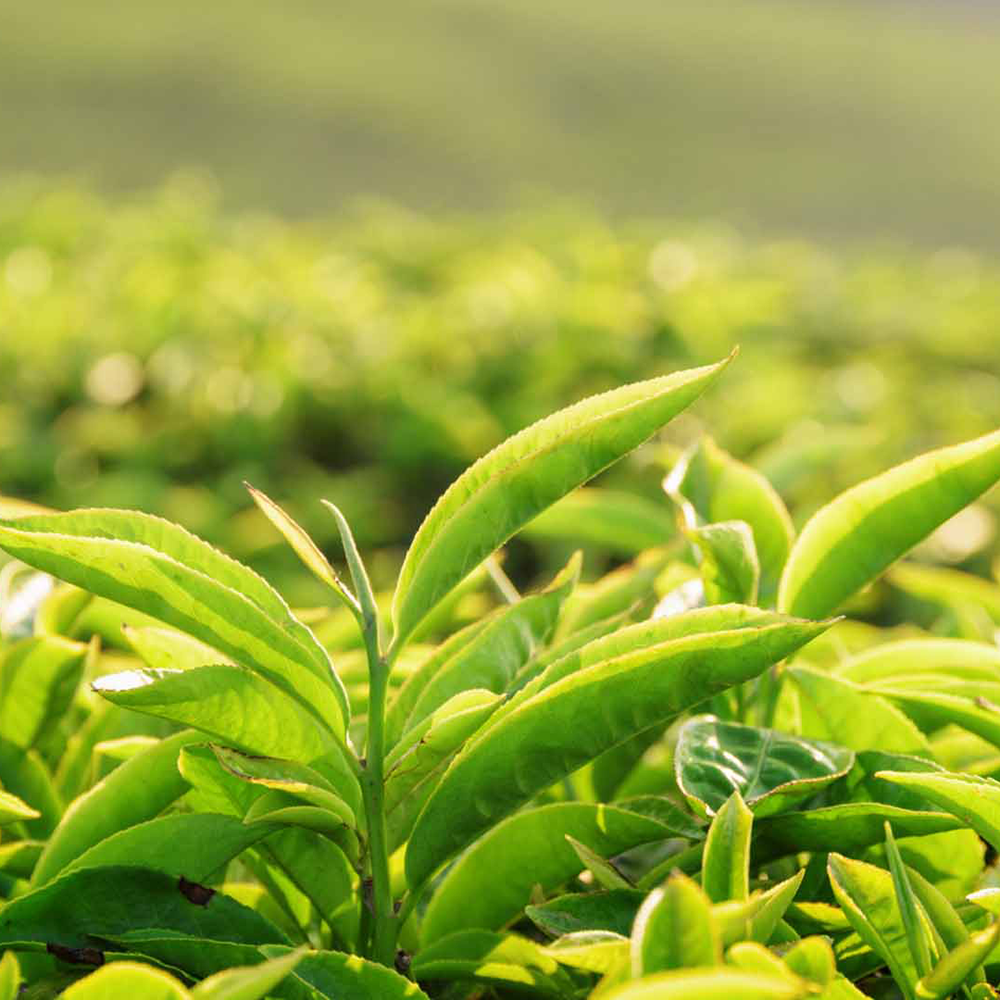
Green tea polyphenols are naturally occurring plant compounds from Camellia sinensis. Their best-known group is catechins, including epigallocatechin gallate (EGCG). They are widely used in dietary supplements, functional beverages, and selected cosmetic concepts—but the quality of evidence, effective dose, and safety considerations vary by application.
This guide reviews what human research does and does not show about green tea polyphenol benefits, including weight management, cardiovascular markers, skin care, caffeine, dosage, and formulation considerations.
What Are Green Tea Polyphenols?
Green tea polyphenols are a group of bioactive compounds that include catechins such as EGCG, epigallocatechin (EGC), epicatechin gallate (ECG), and epicatechin (EC). Because green tea leaves are not fermented during processing, they retain a distinct catechin profile compared with more oxidized teas.
EGCG is frequently the focus of research, but it is important not to treat “polyphenols,” “catechins,” and “EGCG” as interchangeable terms. A formula’s real composition should be confirmed by its specification and batch documentation.
Green Tea Polyphenols Benefits: What Human Studies Support
Antioxidant activity is a compositional property—not a disease claim
Green tea catechins are polyphenolic compounds with antioxidant activity in laboratory testing. This supports their relevance in antioxidant-oriented food, supplement, and cosmetic formulations. However, antioxidant capacity alone does not prove that a finished product prevents, treats, or cures a disease.
Use compliant wording such as: “contains naturally occurring tea polyphenols and catechins” or “formulated for antioxidant-focused applications.” Avoid using “anti-aging cure,” “detoxifies the body,” or disease-prevention claims unless the finished product and target market allow them.
Green tea polyphenols and weight loss
“Green tea polyphenols weight loss” is a common search topic, but the evidence supports restraint. The U.S. National Center for Complementary and Integrative Health states that catechins and caffeine may have a modest effect on body weight, and that results can vary with product composition and physical activity. A Cochrane review of green tea for weight loss likewise concluded that any effect is not likely to be clinically important.
Suggested copy:
“Green tea catechins are often included in weight-management concepts. Human research suggests that any effect on body weight is generally modest and should be viewed as complementary to diet, exercise, and overall lifestyle—not as a stand-alone solution.”
Cardiovascular and lipid markers
A systematic review and meta-analysis of 31 randomized controlled trials found small reductions in total and LDL cholesterol with green tea consumption, while it did not find significant effects on HDL cholesterol or triglycerides. Observational studies have also reported associations between green tea intake and lower coronary heart disease risk in East Asian populations, but associations do not establish causation; see this 2023 cohort-study meta-analysis.
Suggested copy:
“Research has explored green tea consumption and cardiovascular markers, including cholesterol. Some analyses report small changes in total and LDL cholesterol, but results differ by population, intervention, duration, and preparation. Green tea extract should not be positioned as a replacement for medical care or prescribed lipid-management therapy.”
Do not claim that Green Life Herb green tea extract “treats hypertension,” “prevents atherosclerosis,” or “protects against heart disease.”
Green tea polyphenols for skin care
“Green tea polyphenols skin care” and “green tea polyphenols skin benefits” are high-interest topics. A systematic review of clinical studies found limited clinical evidence for oral green tea preparations, with the clearest support relating to protection from UV-induced skin damage; results for other skin outcomes remained conflicting or insufficient.
Suggested copy:
“Green tea polyphenols are of interest in skincare because of their antioxidant profile. Clinical evidence for oral preparations is still limited, and no green tea ingredient replaces broad-spectrum sunscreen. For topical products, any UV-protection, soothing, or anti-aging claim must be substantiated on the finished formulation.”
Mental alertness and caffeine
Green tea naturally contains caffeine, and caffeine can contribute to short-term alertness. However, caffeine content in a green tea extract powder cannot be assumed from its polyphenol or EGCG percentage. It depends on the raw material and processing method.
Suggested copy:
“Does green tea polyphenols have caffeine? Green tea as a plant ingredient naturally contains caffeine, but the caffeine level of a concentrated extract should be confirmed through the relevant specification and certificate of analysis. Brands formulating for caffeine-sensitive consumers should request batch-specific data rather than relying on general green tea values.”
Green Tea Polyphenols Supplement, Tablets, and Functional Beverages
Green tea polyphenol ingredients can be considered for capsules, tablets, powder premixes, and functional beverages. Format influences serving size, taste masking, stability, labeling, and safety evaluation.
For supplement brands, the key questions are:
- What are the declared percentages of total polyphenols and EGCG?
- Is caffeine quantified on the specification?
- What amount of EGCG does the finished product provide per daily serving?
- Is the product intended to be taken with food or as a concentrated bolus?
- Are target-market labeling and safety requirements addressed?
Green Tea Polyphenols Dose and Safety Considerations
There is no universal consumer “green tea polyphenols dose,” because products differ substantially in catechin and EGCG concentrations. This distinction is especially important for standardized extracts, tablets, and capsules.
The NIH National Center for Complementary and Integrative Health notes that green tea consumed as a beverage has not raised safety concerns in adults, while concentrated extract supplements can cause gastrointestinal side effects and, uncommonly, liver injury. It also notes possible interactions with medicines, including nadolol, atorvastatin, and raloxifene. A systematic review on green tea extract safety identified liver risk as the key concern with high-dose, catechin-rich preparations, especially under certain dosing conditions.
Suggested safety statement:
“Concentrated green tea extracts are not equivalent to a cup of brewed tea. Product developers should establish serving sizes from the actual EGCG and caffeine specification, use market-appropriate labeling, and recommend that consumers taking medication, with liver concerns, or who are pregnant or breastfeeding seek advice from a qualified healthcare professional.”
Do not provide a generic dosage recommendation without a finished-product specification and destination-market review.
Why Choose Green Life Herb Green Tea Extract?
For brands seeking a standardized green tea ingredient, Green Life Herb Green Tea Extract Powder is derived from Camellia sinensis leaf and is listed with:
- Total polyphenols: 90% or 98%
- EGCG: 45% or 50%
- Suitable applications: capsules, tablets, powder premixes, and functional beverages
- Available technical documents: COA, MSDS, and manufacturing flow chart
The practical advantage is standardization: a formula developer can select an extract specification aligned with the intended active profile rather than relying on a non-standardized green tea powder. Before launch, confirm the batch-specific COA, including the active assay, caffeine result where relevant, contaminant requirements, sensory expectations, and regulatory suitability for the target market.
Explore Green Life Herb’s standardized green tea extract for your supplement, beverage, or formulation project, and request the technical documentation needed for product development.
FAQ
What is the main polyphenol in green tea?
EGCG is one of the most studied and abundant catechins in green tea. Total polyphenols, total catechins, and EGCG are related but different specifications.
Do green tea polyphenols help with weight loss?
Research suggests a possible modest effect, particularly when caffeine is also present, but evidence does not support presenting green tea extract as a weight-loss treatment. See the Cochrane evidence review.
Are green tea polyphenols good for skin?
They are relevant to antioxidant-focused skincare and nutrition concepts. Clinical evidence for oral green tea preparations is limited, with the strongest evidence relating to UV-induced skin damage; sunscreen remains essential.
Do green tea polyphenols have caffeine?
Green tea naturally contains caffeine, but the caffeine content of a particular extract must be confirmed using its specification or batch COA.
Are green tea polyphenol tablets safe?
Safety depends on the actual catechin/EGCG dose, use pattern, individual health status, and possible medicine interactions. Concentrated extracts require more caution than brewed tea.
References
- National Center for Complementary and Integrative Health (NIH): Green Tea—Usefulness and Safety
- Xu R, et al. Effect of green tea consumption on blood lipids: systematic review and meta-analysis of randomized controlled trials
- Jürgens TM, et al. Green tea for weight loss and weight maintenance in overweight or obese adults—Cochrane Review
- Wang ZM, et al. Green tea consumption and coronary heart disease risk: systematic review and meta-analysis
- Di Sotto A, et al. Efficacy and safety of oral green tea preparations in skin ailments: systematic review
- Hu J, et al. The safety of green tea and green tea extract consumption in adults: systematic review
Looking for Premium Plant Extracts?
Green Life Herb supplies 280+ botanical extracts with ISO/HALAL/Kosher certifications.
Custom specifications and sample orders available.