Have you ever wondered how Silicon Valley’s top performers maintain razor-sharp focus despite their demanding schedules? While some credit caffeine or elaborate productivity systems, others have quietly turned to a surprising natural ally: Lion’s Mane Mushroom Extract. This unusual-looking mushroom, known scientifically as Hericium erinaceus, isn’t new—used traditionally in Eastern medicine for centuries, it has recently captured global attention for its remarkable cognitive and systemic health benefits.
Today, Lion’s Mane is becoming the go-to supplement among tech entrepreneurs, executives, and health-conscious consumers alike. But its relevance extends well beyond the nootropic category. For B2B formulators and brands, Hericium erinaceus extract is a multifunctional, science-backed ingredient that simultaneously addresses the gut–brain–skin axis—making it one of the most strategically versatile botanical extracts available on the market.
Key Bioactive Compounds: What Makes Lion’s Mane Unique
The health properties of Lion’s Mane extract are rooted in a distinctive phytochemical profile that sets it apart from other functional mushroom ingredients. Three primary compound classes drive its multifaceted benefits:
Hericenones
Found predominantly in the fruiting body of Hericium erinaceus, hericenones are aromatic compounds known for their ability to stimulate Nerve Growth Factor (NGF) synthesis in neuronal cells. They are lipophilic, which facilitates their absorption and action in the central nervous system. Hericenones are considered primary markers for fruiting-body-derived extracts and are a key standardization target for quality-conscious manufacturers.
Erinacines
Erinacines are cyathane diterpenoids found primarily in the mycelium of Lion’s Mane. Like hericenones, they are potent stimulators of NGF and Brain-Derived Neurotrophic Factor (BDNF) synthesis. Critically, erinacines have been shown to cross the blood-brain barrier, allowing them to act directly on brain glial cells to upregulate neurotrophic factor production. Erinacine A in particular has been studied in the context of Alzheimer’s disease models, demonstrating neuroprotective effects against β-amyloid toxicity and endoplasmic reticulum stress-induced neuronal death.
Beta-Glucans and Polysaccharides
Lion’s Mane is rich in β-glucans—long-chain polysaccharides that are well established as immunomodulatory and prebiotic agents. These compounds form the backbone of the extract’s gut health and immune support activities. β-glucans interact with pattern-recognition receptors on immune cells, priming innate defenses without overstimulating them. As gentle prebiotics, they selectively nourish beneficial gut bacteria, supporting microbiome balance and gut barrier integrity. β-glucan content is the standard quality marker used to specify polysaccharide-standardized Lion’s Mane extracts for dietary supplement and functional food applications.
Brain Health and Cognitive Function: NGF Stimulation and Beyond
Lion’s Mane extract is best known for its neurotrophic potential. Unlike stimulant-based “smart drugs,” it does not deliver jittery bursts of temporary energy. Instead, it supports the growth and maintenance of nerve cells through multiple complementary mechanisms—an approach often described by users as producing “clean focus.”
Promoting Neurotrophic Factor Synthesis
Nerve Growth Factor (NGF) and Brain-Derived Neurotrophic Factor (BDNF) are proteins critical for neuronal survival, growth, differentiation, and synaptic plasticity—the biological foundation of learning and memory. Research indicates that both hericenones and erinacines can stimulate brain glial cells to increase the synthesis and secretion of NGF. A 2023 review further documented that Lion’s Mane supplementation can elevate circulating BDNF levels, correlating with observed improvements in memory and mood in clinical settings.
Anti-Neuroinflammatory and Antioxidant Actions
Chronic neuroinflammation and oxidative stress are shared pathways in cognitive decline and neurodegeneration. Lion’s Mane polysaccharides, phenolic acids, and erinacines exert significant anti-inflammatory and antioxidant activity. Preclinical studies show that erinacines can activate the Nrf2 antioxidant pathway and inhibit pro-inflammatory mediators, helping to protect neurons from damage and creating a healthier microenvironment for sustained cognitive performance.
Clinical Evidence
The clinical evidence base for Lion’s Mane cognitive benefits is growing. Key findings include:
- A randomized controlled trial published in Phytotherapy Research (2009, Mori et al.) found that adults aged 50–80 with mild cognitive impairment showed significant improvement in cognitive function scores after 3 grams of Lion’s Mane powder daily for 16 weeks. Improvements regressed four weeks after cessation, indicating the need for continued use.
- A 49-week study in Alzheimer’s disease patients reported that supplementation with erinacine A-enriched mycelial extract improved patients’ instrumental activities of daily living.
- A 2023 double-blind, placebo-controlled trial in healthy young adults found that a single 1.8-gram dose led to faster performance on an attention-control task, and 28-day supplementation showed a trend toward reduced subjective stress.
- Research in menopausal women found that consuming Lion’s Mane over four weeks helped reduce depression scores. A separate study in overweight adults observed improvements in depression, anxiety, and sleep disorder scores after eight weeks, associated with changes in peripheral pro-BDNF levels.
It is important to note that the field is still evolving: most current human trials are relatively small in scale and short in duration, and some studies in healthy young adults have produced mixed results. For example, a 2025 acute study reported no significant overall improvement in cognition or mood from a single high dose, though it noted potential benefits in specific cognitive tasks—suggesting that effects may be task-specific or dependent on baseline cognitive status. Variability in extraction methods, standardization of active compounds, and differences in bioactive profiles between fruiting body and mycelium preparations further complicate cross-study comparisons. The scientific consensus remains cautiously optimistic, and larger, longer-term randomized controlled trials are needed to fully establish optimal dosing regimens, target populations, and long-term safety profiles.
Gut Health: Lion’s Mane and the Microbiome
A balanced gut microbiome is the foundation of resilient digestion, stable mood, and clear skin. Research demonstrates that oral Hericium erinaceus extract exhibits a clear prebiotic effect: it promotes the growth of beneficial gut bacteria while reducing less desirable species. By nourishing friendly microbes and supporting gut barrier integrity, Lion’s Mane extract contributes to better nutrient absorption, smoother digestion, and reduced discomfort associated with bloating or irregularity.
The gut–brain axis is a well-established bidirectional communication network linking the enteric nervous system to the central nervous system via neural, hormonal, and immunological pathways. Through its impact on the gut microbiota and its modulation of inflammatory signaling molecules, Lion’s Mane extract influences this axis—contributing to mood regulation and cognitive function indirectly, in addition to its direct neurotrophic effects.
For formulators, this dual action—direct NGF stimulation in the brain and microbiome-mediated gut–brain signaling—makes Lion’s Mane extract uniquely positioned for products targeting combined “gut and mind” health, including gut-comfort capsules, microbiome powders, and functional beverages.
Immune Support: Beta-Glucans as Immunomodulators
The β-glucan polysaccharides in Lion’s Mane extract are recognized immunomodulatory agents. They interact with Dectin-1 and other pattern-recognition receptors on macrophages, dendritic cells, and natural killer cells, enhancing innate immune surveillance without promoting excessive inflammatory responses. This balanced immunomodulation is particularly relevant for supplement categories targeting healthy aging, stress resilience, and general wellness.
Lion’s Mane polysaccharides also demonstrate antioxidant and anti-senescence properties in preclinical research, expanding their relevance from targeted immune support to broader longevity and vitality positioning. For brands developing immune-support product lines, standardized β-glucan content serves as a reliable quality benchmark and a compelling label claim.
Beauty and Skin: The Gut–Brain–Skin Axis
The gut–brain–skin axis describes how digestive health and systemic inflammation status can visibly influence skin quality. Lion’s Mane extract fits naturally into this model from multiple angles. By supporting a healthier gut microbiome and moderating systemic inflammation, Hericium erinaceus extract indirectly contributes to clearer, more even-toned skin that is less prone to redness and breakouts.
The antioxidant polysaccharides and phenolic compounds in Lion’s Mane also help neutralize free radicals generated by UV exposure and environmental pollution—primary drivers of premature skin aging and barrier degradation. In nutricosmetic and ingestible beauty formulations, Lion’s Mane extract complements collagen, hyaluronic acid, and other skin-focused ingredients by adding a gut-supportive and neuro-supportive dimension.
For brands building “beauty from within” product concepts, Lion’s Mane extract enables a cohesive story linking inner microbiome balance with outer skin radiance—supporting smoother texture, improved resilience, and a more luminous complexion over time.
B2B Applications and Market Trends
The functional mushroom market has experienced sustained growth, driven by rising consumer interest in natural nootropics, microbiome health, adaptogens, and holistic wellness. Lion’s Mane is among the fastest-growing ingredients in this segment, with mainstream adoption now extending from specialist supplement brands into premium food and beverage, beauty, and pet nutrition sectors. Market analysts attribute this expansion to a convergence of factors: post-pandemic consumer focus on brain health and immunity, the mainstreaming of biohacking culture through social media, and a generational shift toward preventive, nature-derived wellness solutions over reactive pharmaceutical interventions.
Key Product Categories and Formats
Hericium erinaceus extract integrates smoothly into a wide range of product formats:
- Nootropic and cognitive health supplements: Capsules, tablets, and powders standardized for hericenones and erinacines, often combined with other adaptogens such as Rhodiola, Bacopa, or Ashwagandha.
- Gut and microbiome formulas: Polysaccharide-standardized extracts in capsules, sachets, and functional beverages, often combined with probiotics or prebiotic fibers.
- Functional food and beverage: Coffee blends, focus drinks, protein powders, and energy bars leveraging Lion’s Mane’s mild flavor and clean-label appeal.
- Nutricosmetics and inner beauty: Ingestible beauty products positioning Lion’s Mane alongside collagen, ceramides, and antioxidants for skin-from-within narratives.
- Immune support and healthy aging: Multi-mushroom blends with Reishi, Maitake, and Chaga, capitalizing on broad immunomodulatory and antioxidant properties.
- Gummies and soft-chew formats: Increasingly popular delivery formats targeting younger demographics and wellness consumers seeking convenient daily supplementation.
Consumer Drivers
Key demand drivers for Lion’s Mane in the current market include the rise of digital overload and mental fatigue among knowledge workers, growing consumer awareness of the gut–brain connection, the “clean label” movement favoring natural over synthetic cognitive enhancers, and the integration of ancient traditional ingredients with modern scientific validation. The ingredient’s association with the high-performance biohacking culture of Silicon Valley has also accelerated mainstream consumer interest well beyond the supplement niche. For B2B brand owners, this means Lion’s Mane is no longer a niche positioning play—it is now a mainstream consumer expectation in the cognitive health and functional food categories, and sourcing a high-quality, consistently standardized extract is a competitive necessity rather than an optional premium.
Quality and Sourcing Considerations
Not all Lion’s Mane extracts are created equal. For B2B buyers, several sourcing and quality parameters are critical to evaluate:
Fruiting Body vs. Mycelium
Lion’s Mane products are derived from either the fruiting body, the mycelium, or both. Hericenones are found predominantly in the fruiting body, while erinacines are concentrated in the mycelium. Mycelium-on-grain products sold in the consumer market often contain significant starch content from the growth substrate, diluting active compound concentrations. High-quality B2B extracts should clearly specify their botanical source and provide verified active compound content—not just crude mushroom powder equivalents.
Standardization
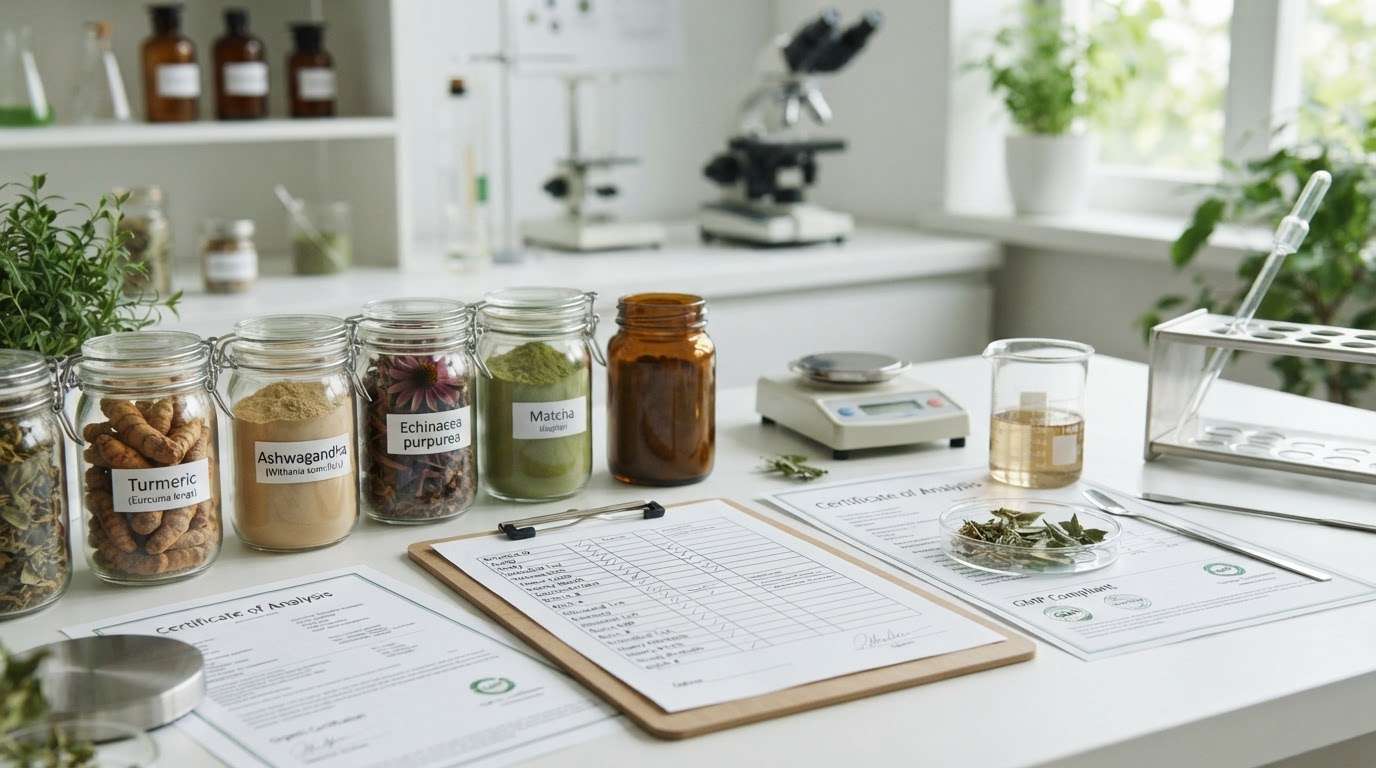
Reputable Lion’s Mane extracts are standardized to defined levels of polysaccharides (typically reported as β-glucans, ranging from 10% to 50% depending on the application), and in the case of premium cognitive-support grades, to specific hericenone or erinacine concentrations. Standardization ensures batch-to-batch consistency and enables accurate label claims. Request certificates of analysis (COA) that include HPLC-verified active compound data, not just total polysaccharide figures.
Extraction Method
Water extraction is the standard method for polysaccharide-rich fractions and is generally recognized as safe and effective for gut health and immune support applications. Dual-extraction (hot water plus ethanol) is used to capture both water-soluble polysaccharides and alcohol-soluble hericenones, making it the preferred method for broad-spectrum cognitive and beauty formulations. Supercritical CO₂ extraction is emerging as a premium option for concentrated lipophilic fractions.
Purity and Safety Testing
Botanical extracts destined for dietary supplement and functional food use should be tested for heavy metals, pesticide residues, microbial contamination, and solvent residues according to applicable pharmacopeial standards (USP, EP, or equivalent). Suppliers should also provide documentation of Good Manufacturing Practice (GMP) certification and, for regulated markets, comply with relevant food safety frameworks (FDA, EFSA, or equivalent).
Traceability and Sustainability
As ingredient transparency becomes a commercial expectation rather than a differentiator, B2B buyers increasingly require documented traceability from cultivation or wild collection through processing and packaging. Sustainably cultivated Lion’s Mane—typically grown on wood-based substrates that mimic the mushroom’s natural environment—supports clean-label positioning and reduces supply chain risk compared to wild-harvested material.
Supplier Tip: When evaluating Lion’s Mane extract suppliers, prioritize partners who can provide full dossiers including botanical identification (microscopy or DNA barcoding), extraction method documentation, standardization methodology, and market-specific regulatory compliance data. The investment in ingredient transparency translates directly into brand credibility and consumer trust.
Frequently Asked Questions
What is the difference between Lion’s Mane fruiting body extract and mycelium extract?
Fruiting body extracts are richer in hericenones, while mycelium extracts are the primary source of erinacines. Both compound classes stimulate NGF production and offer neuroprotective benefits, but through slightly different mechanisms. For comprehensive cognitive support formulas, a dual-source or dual-extraction extract is often preferred. For polysaccharide-focused applications such as gut health or immune support, a water-extracted fruiting body or mycelium extract standardized for β-glucans is typically sufficient.
What standardization levels should B2B buyers look for?
For general wellness and gut health applications, extracts standardized to 20–40% polysaccharides (with β-glucan specification) are the market standard. For premium cognitive support positioning, look for extracts with verified hericenone content (commonly 1–5% in high-grade fruiting body extracts) or erinacine content in mycelium-derived material. Always request HPLC-based COA data rather than relying on total polysaccharide figures alone, which can include non-active starches.
How does Lion’s Mane extract support both gut health and brain health simultaneously?
Lion’s Mane works across the gut–brain axis through two complementary pathways. Its β-glucan polysaccharides act as prebiotics, selectively nourishing beneficial gut bacteria and supporting gut barrier integrity, which in turn modulates inflammatory signaling along the gut–brain axis. Simultaneously, its hericenones and erinacines cross the blood-brain barrier directly to stimulate NGF and BDNF synthesis in brain cells, supporting neuronal growth and synaptic health. These parallel mechanisms make it uniquely effective as a single ingredient addressing both digestive wellness and cognitive performance.
Is Lion’s Mane extract safe for long-term use?
Lion’s Mane has a long history of culinary and medicinal use in East Asia, and available clinical data suggest it is well tolerated in humans at typical supplementation doses (500 mg to 3 g per day of standardized extract). Reported adverse effects are rare and generally mild, most commonly gastrointestinal discomfort in sensitive individuals. However, comprehensive long-term safety data from large-scale clinical trials is still limited. Individuals with known mushroom allergies should exercise caution. For commercial applications, buyers should ensure their chosen extract has been tested to applicable safety standards and that label claims are compliant with local regulatory requirements.
What product formats are most compatible with Lion’s Mane extract?
Lion’s Mane extract’s relatively mild, slightly earthy flavor makes it one of the more versatile functional mushroom ingredients for product formulation. It performs well in capsules, tablets, and sachets, and integrates cleanly into powder blends for coffee alternatives, protein powders, and nootropic stacks. In beverage applications, it combines effectively with other functional mushrooms (Reishi, Chaga, Maitake) and adaptogenic botanicals. Its stability profile allows for use in baked goods and confectionery formats including gummies. For topical or nutricosmetic applications, encapsulated or water-soluble forms optimized for skin-adjacent bioavailability are most appropriate.
References:
- Mori, K., et al. (2009). “Improving effects of the mushroom Yamabushitake on mild cognitive impairment.” Phytotherapy Research, 23(3), 367–372.
- Friedman, M. (2015). “Chemistry, Nutrition, and Health-Promoting Properties of Hericium erinaceus (Lion’s Mane) Mushroom Fruiting Bodies and Mycelia and Their Bioactive Compounds.” Journal of Agricultural and Food Chemistry, 63(32), 7108–7123.
- International Journal of Medicinal Mushrooms (2013). Studies on hericenones and erinacines as NGF-stimulating compounds.
- PubMed / NCBI — https://pubmed.ncbi.nlm.nih.gov/
Looking for Premium Plant Extracts?
Green Life Herb supplies 280+ botanical extracts with ISO/HALAL/Kosher certifications.
Custom specifications and sample orders available.