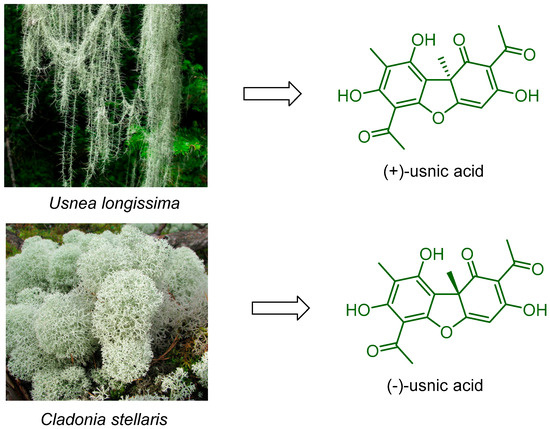
In the search for high-performance natural actives, usnic acid stands apart. This vibrant yellow crystalline compound, drawn from the ancient symbiosis of lichen, delivers a rare combination of antimicrobial potency, antioxidant defense, anti-inflammatory modulation, and UV-protective properties — all within a single molecule. For formulators, researchers, and procurement specialists sourcing botanical extracts for cosmetic, pharmaceutical, or industrial applications, understanding usnic acid in depth is essential to unlocking its commercial potential.
This guide consolidates current scientific knowledge and B2B-relevant detail on usnic acid: its origin, chemistry, biological mechanisms, application landscape, safety profile, and sourcing considerations.
What Is Usnic Acid?
Usnic acid is a dibenzofuran derivative with the molecular formula C₁₈H₁₆O₇ and a characteristic bright yellow crystalline appearance. It is classified as a polyketide-type secondary metabolite and is uniquely produced by lichen symbiotic systems — it is not found in free-living fungi or algae independently.
The compound is isolated primarily from genera including Usnea, Cladonia, Evernia, Flavocetraria, and Ramalina. Concentrations vary significantly by species, geographic habitat, and seasonal conditions; arctic and alpine populations tend to yield higher amounts due to intense UV exposure and cold-stress adaptation.
Chemically, usnic acid exists in two enantiomeric forms: (+)-usnic acid and (-)-usnic acid. The (+)-enantiomer predominates in most commercially relevant lichen species and generally demonstrates greater bioactivity, though both forms are available as isolated reference standards or bulk pharmaceutical inputs. The compound exhibits thermal stability up to 203°C, which broadens its utility in a range of manufacturing processes, and maintains photostability across a pH range of 5.0 to 7.5 — a critical property for cosmetic and topical pharmaceutical formulations.
Its lipophilic nature enables effective membrane penetration, which underpins much of its biological activity. Poor aqueous solubility, conversely, has historically limited oral bioavailability and represents the primary formulation challenge that modern delivery technologies are actively addressing.
Key Properties of Usnic Acid
Antimicrobial Activity
The antimicrobial profile of usnic acid is its most thoroughly documented and commercially significant property. It exerts potent activity primarily against Gram-positive bacteria through multiple complementary mechanisms:
- Oxidative phosphorylation uncoupling: Usnic acid disrupts the bacterial cell’s ability to generate ATP — the universal cellular energy currency — by uncoupling the electron transport chain. Without sufficient energy, the cell cannot sustain essential functions and dies.
- Cell membrane disruption: The compound damages bacterial cell walls and plasma membranes, causing structural destabilization and leakage of cytoplasmic contents.
- Inhibition of nucleic acid and protein synthesis: It interferes with DNA, RNA, and protein synthesis pathways, blocking bacterial replication and metabolic function.
- Biofilm inhibition: Emerging research demonstrates significant anti-biofilm activity. A 2023 in vitro study confirmed 90% inhibition of Staphylococcus aureus biofilm growth on usnic acid-loaded polyurethane surfaces, with confocal microscopy studies confirming biofilm penetration capability.
- Efflux pump inhibition: By suppressing bacterial efflux pumps — a primary mechanism of antibiotic resistance — usnic acid can reverse multidrug resistance in clinical isolates and potentiate the activity of conventional antibiotics.
Documented minimum inhibitory concentration (MIC) ranges for key pathogens include S. aureus at 4–16 µg/mL, Enterococcus faecalis at 8–32 µg/mL, and Candida albicans at 16–64 µg/mL. Against MRSA specifically, MIC values of 2–8 µg/mL have been reported — outperforming many conventional antibiotics, including tetracycline in comparative studies. Activity against Mycobacterium tuberculosis, including multidrug-resistant strains, has also been validated, expanding its relevance in infectious disease research. Against fungi, usnic acid interferes with ergosterol synthesis, a critical component of fungal cell membranes, and demonstrates synergistic effects with fluconazole against C. albicans.
It is important to note that activity against Gram-negative bacteria is significantly weaker, owing to the additional outer membrane barrier characteristic of that bacterial class. This is a known limitation that researchers are addressing through analogues and combination strategies.
Antioxidant Properties
Usnic acid demonstrates notable free-radical scavenging capacity, helping to neutralize reactive oxygen species (ROS) that drive oxidative stress. In biological and cosmetic contexts, this translates to protection against lipid peroxidation, cellular damage, and the visible signs of environmental aging — including loss of firmness, uneven tone, and impaired barrier function.
The antioxidant mechanism is relevant not only for skin-facing applications but also for understanding usnic acid’s broader pharmacological profile: its ability to generate controlled ROS in tumor cells (see anticancer activity below) while scavenging excess ROS in healthy tissue suggests a context-dependent, concentration-sensitive mode of action that researchers continue to characterize.
Anti-Inflammatory Activity
Usnic acid modulates key inflammatory signaling pathways. Studies demonstrate suppression of NF-κB activation — a master regulator of inflammatory gene expression — alongside measurable reductions in pro-inflammatory cytokines, including TNF-α (by up to 68% in macrophage models) and IL-6. These effects translate into practical benefits for applications targeting sensitive skin, acne-prone skin, and post-procedural recovery.
Additional research highlights its role in wound healing: collagen synthesis enhancement of up to 42% has been observed in fibroblast studies, alongside promotion of angiogenesis through VEGF upregulation. This combination of anti-inflammatory and tissue-regenerative effects positions usnic acid as a candidate active in advanced wound care and dermal repair products.
UV Protection
In its native lichen environment, usnic acid functions as a natural sunscreen — absorbing UV radiation with peaks at 232 nm and 282 nm to protect the organism from photodamage. This intrinsic UV-absorbing capacity makes it a compelling complementary ingredient in photoprotective cosmetic formulations. Rather than replacing conventional UV filters, usnic acid can reinforce sun-care products by providing antioxidant defense against UV-induced free radical generation, extending the overall photoprotective efficacy of the formulation.
Skincare Applications
The multi-functional profile of usnic acid — antimicrobial, antioxidant, anti-inflammatory, and UV-protective — makes it an unusually versatile ingredient for topical cosmetics and cosmeceuticals. Key application areas include:
- Anti-blemish and acne treatments: Usnic acid targets Cutibacterium acnes (formerly Propionibacterium acnes) and other bacteria implicated in acne pathogenesis, while simultaneously managing visible redness through its anti-inflammatory action. This dual mechanism offers a more comprehensive approach to blemish-prone skin than single-mechanism actives.
- Anti-dandruff and scalp care: Its antifungal activity against Malassezia furfur — the yeast associated with seborrheic dermatitis and dandruff — supports its incorporation into targeted scalp care formulations.
- Natural preservation systems: For formulators developing products aligned with clean beauty positioning, usnic acid’s antimicrobial properties offer an option to reduce or replace synthetic preservatives, either as a primary preservation element or as part of a multi-component system.
- Photoaging and environmental defense: Daily-use moisturizers, serums, and sunscreens benefit from usnic acid’s combined antioxidant and UV-complementary effects, providing a multi-level defense against environmental stressors and solar-induced damage.
- Barrier support and recovery formulations: Wound care, post-procedure, and sensitive-skin products can leverage the compound’s collagen-stimulating and anti-inflammatory properties to support skin renewal and barrier restoration.
Delivery system selection is critical for optimizing performance. Modern approaches under active investigation include nanoemulsion systems, which can improve the effective water solubility of usnic acid up to 15-fold; liposomal encapsulation, which enhances dermal penetration while minimizing systemic absorption; and polymer-based controlled-release complexes capable of extending active delivery to 24 hours or beyond. These technologies address the compound’s inherent lipophilicity and enable more precise concentration control in the final formula.
Pharmaceutical Potential
Beyond topical cosmeceutical use, usnic acid has attracted significant pharmaceutical research interest across several therapeutic categories:
Infectious Disease and Antibiotic Resistance
The compound’s multi-target antimicrobial mechanism — distinct from conventional antibiotics — positions it as a promising scaffold in the fight against antibiotic-resistant pathogens. Its demonstrated activity against MRSA, vancomycin-resistant enterococci (VRE), and drug-resistant M. tuberculosis is particularly relevant in the context of the global antimicrobial resistance crisis. Loaded into medical polymers, it inhibits biofilm formation on implants and medical devices, addressing a major vector for hospital-acquired infections that is notoriously difficult to treat with systemic antibiotics alone.
Anticancer Research
In anticancer models, usnic acid induces apoptosis in tumor cells through ROS generation and cell cycle arrest. Promising preclinical activity has been demonstrated against breast, lung, and colon cancer cell lines. While substantial further development — including clinical trials — is required before any therapeutic application can be established, this area represents an active frontier in natural product oncology research.
Antiviral and Antiparasitic Properties
Usnic acid has shown antiviral activity against enveloped viruses, including herpes simplex virus (HSV), and antiparasitic effects against selected protozoa. These properties align with its traditional use in folk medicine for viral and parasitic conditions, and provide a basis for further mechanistic and clinical investigation.
Metabolic Health
Early-stage research has explored usnic acid’s potential role in weight management through modulation of lipid metabolism. This represents one of the more speculative applications and is an area where clinical validation remains outstanding. It is also the area most associated with documented safety concerns from historical supplement use (see Safety section), and formulators should approach systemic applications with particular diligence.
B2B Applications
For ingredient buyers and product development teams, usnic acid’s commercial relevance extends beyond cosmetics and pharmaceuticals into several adjacent sectors:
Cosmetics and Personal Care
The primary volume application. Usnic acid is supplied as a standardized extract (typically 90%+ purity by HPLC) for incorporation into acne treatments, anti-dandruff shampoos, natural deodorants, sun-care formulations, and premium anti-aging serums. Enantiomer-specific grades are available for applications where differential bioactivity is relevant.
Wound Care and Medical Devices
Pharmaceutical-grade usnic acid (>98% purity) is used in topical wound dressings, antimicrobial ointments, and antimicrobial polymer coatings for medical device surfaces. This application benefits from the compound’s established biofilm inhibition data and its selectivity profile — demonstrating 8 to 10 times greater toxicity toward bacterial cells than mammalian cells at relevant concentrations.
Agricultural Biotechnology
Research has demonstrated 85% efficacy against selected fungal plant pathogens, opening applications in crop protection as a component of integrated pest management systems. The compound’s high biodegradability (approximately 92% degradation within 28 days in soil systems) and low ecotoxicity at therapeutic concentrations support its positioning as a more environmentally responsible alternative to synthetic fungicides.
Material Science and Packaging
Antimicrobial coatings for medical devices and food packaging preservation systems represent emerging industrial applications, driven by increasing regulatory and consumer pressure to reduce reliance on synthetic biocides in contact materials.
Safety and Dosage Guidelines
Responsible use of usnic acid requires careful attention to concentration, format, and application route. The compound has a well-characterized safety profile in topical applications but has been associated with serious adverse events when used at high oral doses.
Topical Applications
Usnic acid is considered safe for topical use at controlled concentrations. Recommended working concentrations for cosmetic applications are typically 0.1–0.5%, with no significant dermal irritation reported at levels up to 1% in well-designed formulations. The compound maintains photostability across a pH range of 5.0 to 7.5, which is compatible with most leave-on and rinse-off skin and hair care systems.
Oral and Systemic Use
Hepatotoxicity has been documented in cases of high-dose oral supplementation — particularly in products positioned for weight management that were marketed at doses exceeding 1,000 mg per day. Regulatory agencies in several markets have issued warnings or taken enforcement action against such products. Animal toxicology data indicates hepatotoxicity is associated with very high oral doses (>200 mg/kg in animal models), and the metabolic pathways involved in hepatic clearance appear to be a key factor.
For any systemic or ingestible application, buyers and formulators must ensure full regulatory compliance with applicable food supplement and pharmaceutical regulations in their target markets, and should consult current toxicity guidelines and regulatory dossiers before proceeding with development.
General Formulation Considerations
- Usnic acid’s lipophilic character requires appropriate solubilization or dispersion strategies; direct aqueous formulation is not feasible without delivery system support.
- Nanoemulsion and liposomal encapsulation technologies not only improve bioavailability but also help manage concentration at the site of action, reducing the risk of localized irritation.
- Stability testing under intended storage and use conditions is recommended, particularly for formulations outside the optimal pH range or subject to elevated temperature.
- Patch testing or irritation assessment is advisable for sensitive skin applications.
Quality and Sourcing
The quality of usnic acid as a commercial ingredient is directly dependent on the sourcing method, extraction process, and purification technology employed. Key quality parameters and sourcing considerations for B2B buyers include:
Purity and Specification
Standardized extracts for cosmetic applications typically target 90%+ purity by HPLC. Pharmaceutical-grade material is generally specified at >98% purity, with additional characterization for enantiomeric composition, residual solvents, heavy metals, and microbial limits. Enantiomer-specific grades — (+ ) or (-)-usnic acid — are available where differential biological activity is required for specialized research or high-precision formulation work.
Extraction and Isolation Methods
Traditional isolation involves solvent extraction of dried lichen biomass using ethanol or acetone, followed by purification via column chromatography or recrystallization. Modern process improvements, including ultrasound-assisted extraction, enhance yields while preserving structural integrity. Patented proprietary extraction and purification processes can deliver improved consistency and purity across production batches.
Sustainable Sourcing
Lichens are slow-growing organisms, and uncontrolled wild harvesting poses genuine risks to fragile ecosystems — particularly arctic, alpine, and boreal habitats. Responsible sourcing for commercial volumes requires either controlled cultivation programs, biotechnological production approaches, or verified sustainable wild-harvest practices with full traceability documentation.
Buyers should prioritize suppliers who can demonstrate a clear chain of custody, environmental impact assessment data, and a commitment to lichen conservation. Biodegradability data — approximately 92% degradation within 28 days in standard soil systems — and low ecotoxicity at therapeutic concentrations support usnic acid’s overall environmental profile when sourced responsibly.
Technical Documentation
For regulated applications in cosmetics and pharmaceuticals, suppliers should be able to provide a complete technical package including certificate of analysis (CoA), HPLC chromatograms, safety data sheet (SDS), stability data, and formulation guidance. For medical device and pharmaceutical applications, additional documentation such as GMP certification, regulatory dossiers, and toxicology summaries may be required.
Reputable suppliers of botanical extracts for B2B markets will offer comprehensive technical support, including guidance on solubilization, recommended use levels, and compatibility with common co-formulated ingredients.
Frequently Asked Questions
What is the difference between (+)-usnic acid and (-)-usnic acid?
Usnic acid exists as two mirror-image enantiomers: (+)-usnic acid and (-)-usnic acid. The (+) form is more prevalent in most commercially sourced lichen species and generally demonstrates greater antimicrobial and biological activity. However, some studies indicate the two forms may differ in specific activities — for example, cytotoxicity profiles against particular cell lines — which is relevant for pharmaceutical research applications. Standard commercial extracts typically consist predominantly of the (+) enantiomer, while enantiomer-specific grades are available for precision applications.
At what concentration should usnic acid be used in cosmetic formulations?
For most topical cosmetic and cosmeceutical applications, a working concentration of 0.1–0.5% is recommended. No significant dermal irritation has been reported at concentrations up to 1% in well-formulated systems. Concentrations should be optimized in context with the delivery system, the intended application format (leave-on versus rinse-off), and the target skin type. Higher concentrations may be appropriate for specific therapeutic or antimicrobial applications under professional or clinical supervision, but require additional safety assessment.
Is usnic acid safe for use in oral supplements?
Usnic acid at high oral doses — particularly above 1,000 mg per day in the context of historical weight-loss supplements — has been associated with hepatotoxicity. Regulatory agencies in multiple markets have taken action against products containing high-dose usnic acid for internal use. For any oral or systemic application, strict adherence to current regulatory requirements and toxicological guidance is mandatory. Low-dose supplementation research continues, but buyers and formulators should approach oral applications with significant caution and consult regulatory counsel in their target markets.
How is usnic acid’s poor water solubility managed in formulation?
Usnic acid is highly lipophilic and has very limited aqueous solubility, which is its principal formulation challenge. Several advanced delivery technologies address this: nanoemulsion systems have been shown to improve effective solubility up to 15-fold while enhancing skin penetration and antibacterial activity; liposomal encapsulation improves dermal delivery while reducing systemic exposure; and polymer-based complexes enable controlled extended release. For simpler formulations, incorporation into oil phases, emollient carriers, or co-solvent systems is a standard approach. The choice of delivery technology depends on the application, required bioavailability, regulatory context, and cost parameters.
What certifications and quality standards should B2B buyers look for when sourcing usnic acid?
Buyers sourcing usnic acid for regulated applications should request a full certificate of analysis confirming purity (HPLC), enantiomeric composition, residual solvent levels, heavy metal testing, and microbial specifications. For pharmaceutical and medical device applications, GMP (Good Manufacturing Practice) certification of the supplier facility is essential. For cosmetic applications, compliance with relevant regional regulations (EU Cosmetics Regulation, US FDA guidelines, China NMPA requirements as applicable) should be verified. Environmental credentials — including sourcing traceability, sustainable harvest or cultivation documentation, and biodegradability data — are increasingly required by brand-level buyers operating under ESG or clean beauty commitments.
About GL-Herb: Xi’an Green Life Herb Tech is a B2B supplier of standardized botanical extracts including high-purity usnic acid (>98% by HPLC, enantiomer-specific grades available). Our production processes combine eco-responsible sourcing with full traceability and comprehensive technical support for cosmetic, pharmaceutical, and industrial customers. Contact our technical team for formulation guidance, stability data, and regulatory documentation.
References
Ingólfsdóttir, K. (2002). Usnic Acid. Phytochemistry, 61(7), 729–736.
Cansaran-Duman, D., et al. (2020). Antimicrobial and antioxidant activities of usnic acid and its derivatives: A review. Phytotherapy Research, 34(9), 2269–2284.
Kireeva, E. A., et al. (2021). Usnic acid: Biological activity and recent advances in its application in dermatology and cosmetology. Journal of Applied Microbiology, 130(5), 1458–1471.
Patel, P., et al. (2022). Evaluation of usnic acid-loaded nanoemulsions for enhanced skin penetration and antibacterial activity. Colloids and Surfaces B: Biointerfaces, 217, 112636.
Pereira, C., et al. (2023). Exploring the antioxidant and anti-inflammatory potential of usnic acid for topical applications. International Journal of Cosmetic Science, 45(1), 12–25.
Yıldırım, M., et al. (2019). Usnic acid: A promising natural compound in the development of antimicrobial and wound-healing products. Frontiers in Microbiology, 10, 1322.
Pompei, R., et al. (2005). Antibacterial activity of usnic acid against methicillin-resistant Staphylococcus aureus (MRSA). Planta Medica, 71(8), 739–741.
Honda, N. K., et al. (2010). Antimycobacterial activity of lichen substances. Journal of Antibiotics, 63(12), 707–709.
Cocchietto, M., Skert, N., Nimis, P. L., & Sava, G. (2002). A review on usnic acid, an interesting natural compound. Fitoterapia, 73(7–8), 549–563.
National Toxicology Program. (2022). Toxicity Studies of (+)-Usnic Acid. NCBI Bookshelf. https://www.ncbi.nlm.nih.gov/books/NBK584897/
Looking for Premium Plant Extracts?
Green Life Herb supplies 280+ botanical extracts with ISO/HALAL/Kosher certifications.
Custom specifications and sample orders available.