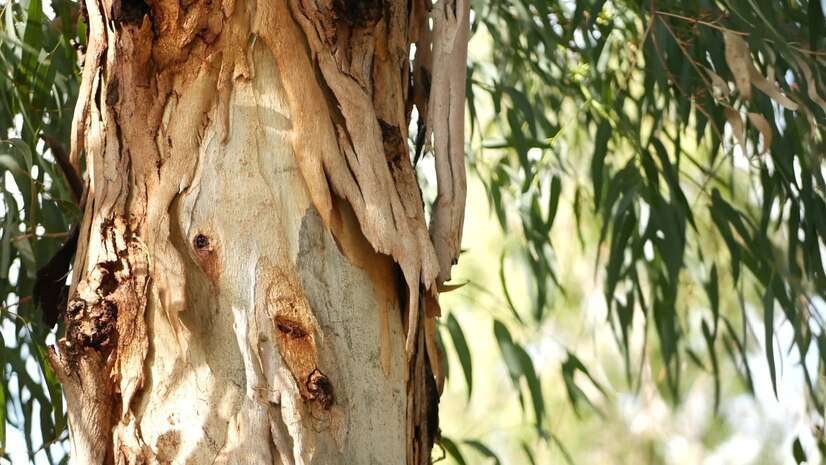
For more than 2,000 years, the white willow tree (Salix alba) has occupied a central place in traditional medicine across Europe, Asia, and the Middle East. Practitioners relied on its bark to reduce fever, ease pain, and calm inflammation long before the chemistry behind those effects was understood. Today, modern extraction and standardization techniques have transformed this ancient remedy into a precision ingredient for two of the fastest-growing categories in global health and beauty: natural health supplements and botanical skincare formulations. For B2B formulators, contract manufacturers, and brand developers, white willow bark extract offers a rare combination of clinical evidence, consumer familiarity, and versatile chemistry.
This article consolidates the full body of evidence and practical formulation guidance for white willow bark extract, covering its phytochemical profile, mechanisms of action, supplement and skincare applications, sourcing standards, and common formulator questions. It is written for product developers, brand managers, and procurement teams evaluating white willow bark extract as a core ingredient in finished goods or private-label programs.
Key Bioactive Compounds
The therapeutic and cosmetic value of white willow bark extract derives from a synergistic combination of phytochemicals. No single compound is solely responsible for its effects; rather, the full spectrum of active fractions works in concert to produce outcomes that isolated synthetic molecules cannot fully replicate. Understanding each compound class is essential for specification writing, efficacy substantiation, and accurate label claims.
Salicin and Salicinoids
Salicin is the primary active compound and the defining marker used to standardize commercial extracts. It is a phenolic glycoside that the body metabolizes—first in the gut, then in the liver—into salicylic acid, the molecule responsible for the extract’s analgesic and anti-inflammatory effects. Unlike pharmaceutical aspirin (acetylsalicylic acid), salicin is released gradually, producing a slower onset of action but a notably gentler gastrointestinal profile. Modern ethanol-water extraction methods can concentrate salicin to standardized levels of 10%, 15–20%, or higher while keeping tannin content low to minimize digestive irritation.
Polyphenols and Phenolic Acids
White willow bark is rich in polyphenols, including phenolic acids that contribute measurable antioxidant activity. Research has recorded ORAC values exceeding 5,000 µmol TE/g for well-processed extracts. These compounds support collagen synthesis by reducing oxidative degradation of the extracellular matrix and inhibit the 5α-reductase enzyme—a mechanism directly linked to reduced sebum overproduction in oily skin types.
Flavonoids
Quercetin and kaempferol are the principal flavonoids identified in Salix alba bark. Both compounds provide synergistic antioxidant and anti-inflammatory activity that complements salicin’s COX-pathway inhibition. In topical applications, quercetin in particular has been shown to strengthen the skin’s barrier by reducing transepidermal water loss (TEWL), countering the drying tendency sometimes associated with salicylate-based ingredients.
Tannins
Tannins are present in the raw bark and contribute mild astringent properties. In standardized extracts, tannin levels are intentionally minimized during processing to improve tolerability in both oral and topical applications while preserving the activity of the more valuable salicinoid and flavonoid fractions. When evaluating supplier specifications, requesting explicit tannin quantification alongside salicin content provides a more complete picture of extract quality and anticipated tolerability.
Pain Relief and Anti-Inflammatory Mechanisms
White willow bark extract is frequently described as nature’s aspirin, and the comparison is scientifically grounded—though the full picture is more nuanced and, for many applications, more favorable than that shorthand suggests.
COX Enzyme Inhibition
Salicylic acid derived from salicin inhibits both COX-1 and COX-2 enzymes, blocking the synthesis of prostaglandins—the lipid mediators that drive pain signaling, vasodilation, and fever. Because this inhibition is non-acetylating (unlike aspirin), it does not permanently deactivate COX-1, which means the extract does not strip the stomach’s protective prostaglandin layer with the same severity as pharmaceutical NSAIDs.
Clinical Evidence for Pain and Inflammation
Clinical studies support the extract’s use across several pain categories:
- Chronic musculoskeletal pain and osteoarthritis: Standardized white willow bark extract has demonstrated a 30–40% reduction in pain scores relative to baseline, with a safety profile superior to many synthetic NSAIDs in head-to-head comparisons.
- Rheumatoid arthritis: Clinical trials have documented reductions in morning stiffness and disease activity scores.
- Lower back pain: Multiple controlled trials have validated its use as a first-line botanical option for chronic low-back discomfort.
- Post-exercise recovery: The extract’s gradual salicin metabolism makes it well suited to supplement stacks targeting post-workout muscle soreness and joint stiffness.
A systematic review and meta-analysis published in the Journal of Ethnopharmacology (2022) confirmed both the efficacy and favorable safety profile of white willow extract in chronic inflammatory conditions, noting that adverse events occurred in fewer than 5% of users in standardized-dose studies.
Cardiovascular and Metabolic Effects
Beyond its core analgesic and anti-inflammatory activity, emerging research points to additional mechanisms that are relevant for premium supplement positioning and multi-benefit product development:
- Platelet aggregation reduction: The extract inhibits platelet clumping, supporting cardiovascular health and reducing thrombotic risk—an effect that also warrants caution when combining with anticoagulant medications.
- Vasodilation: Improved vascular tone may contribute to modest blood pressure regulation.
- Insulin sensitivity: Preliminary trials suggest flavonoid-mediated improvements in fasting glucose and HbA1c levels in prediabetic individuals, opening a metabolic health positioning angle for formulators.
Skincare Applications
In topical formulations, white willow bark extract delivers salicylic acid activity through a plant-derived matrix that moderates release rate and pairs exfoliant action with simultaneous soothing and hydrating benefits. This profile distinguishes it from synthetic salicylic acid and positions it as a premium ingredient for sensitive, acne-prone, and aging skin product lines.
Oil Control and Pore Refinement
Excess sebum production is the common denominator behind oily skin, acne, blackheads, and enlarged-pore appearance. White willow bark extract addresses this through two complementary pathways:
- Salicin-derived salicylic acid penetrates the lipid-rich environment of follicles to dissolve sebum plugs, unclog pores, and regulate oil flow.
- Polyphenol-mediated 5α-reductase inhibition reduces the upstream hormonal stimulus for sebaceous gland overactivity.
A 2020 study published in the Journal of Cosmetic Dermatology found that topical application of 1–2% white willow bark extract reduced sebum production by 28% over 8 weeks in participants with clinically confirmed oily skin. A 2021 study in Skin Pharmacology and Physiology further demonstrated the extract’s ability to normalize sebaceous gland activity without inducing dryness.
Hydration and Barrier Support
A key competitive advantage of white willow bark extract over pure synthetic salicylic acid is its dual oil-control and barrier-reinforcing activity. The flavonoid fraction—particularly quercetin—reduces TEWL and strengthens tight junctions in the stratum corneum. A 2023 study in the International Journal of Cosmetic Science reported a 15% improvement in skin moisture retention in formulations containing white willow bark extract, while a 2021 paper in Dermatologic Therapy confirmed flavonoid-driven reductions in transepidermal water loss.
Acne and Inflammatory Skin Conditions
As a gentle BHA (beta-hydroxy acid) source, white willow bark extract exfoliates the pore lining and suppresses Cutibacterium acnes proliferation by maintaining a follicular environment inhospitable to anaerobic bacteria. Simultaneously, its anti-inflammatory salicylates and flavonoids reduce the post-inflammatory redness and swelling that follow breakouts. The extract also shows benefit in inflammatory conditions such as eczema and psoriasis, where it reduces redness and itching while supporting the restoration of the skin’s natural barrier.
Anti-Aging and Antioxidant Protection
Oxidative stress is a primary driver of photoaging, collagen degradation, and uneven skin tone. White willow bark extract’s polyphenol content neutralizes reactive oxygen species generated by UV exposure and environmental pollutants. The high phenolic acid content additionally supports collagen synthesis by reducing oxidative interference with fibroblast activity. These properties make it a credible anti-aging active for serums, eye creams, and multi-benefit treatments targeting fine lines and skin radiance.
Scalp Care
The same mechanisms that benefit facial skin translate directly to scalp applications. White willow bark extract exfoliates the scalp to remove dandruff-associated dead skin cell buildup, balances sebum production to prevent greasy roots, and soothes irritation caused by harsh surfactants or styling products. Shampoos, scalp serums, and pre-wash treatments incorporating this extract at appropriate concentrations support a healthier scalp environment and promote stronger hair growth from the root.
Supplement Applications
White willow bark extract is an established ingredient in the dietary supplement market with a well-defined consumer base and a growing body of clinical support. Key application formats include:
- Capsules and tablets: The most common delivery format, typically standardized to 10–20% salicin. Dose ranges of 120–240 mg salicin equivalent per day are commonly referenced in clinical literature for pain management endpoints.
- Tinctures and liquid extracts: Favored by herbal medicine practitioners and brands positioning in the traditional herbalism segment.
- Herbal tea blends: Lower-potency applications appropriate for general wellness positioning and immune support blends.
- Sports nutrition and recovery products: Inclusion in post-workout formulas targeting joint support, inflammation management, and rapid recovery.
- Joint health complexes: Often combined synergistically with boswellia, turmeric, or devil’s claw in multi-botanical anti-inflammatory stacks.
The non-addictive profile and absence of the gastrointestinal erosion risk associated with pharmaceutical NSAIDs make white willow bark extract a sustainable long-term option for users managing chronic mild-to-moderate discomfort—a segment that includes seniors, frequent athletes, and desk-bound professionals with recurring back or neck tension. Consumer awareness of natural alternatives to OTC pain relievers continues to grow, making a well-substantiated white willow bark ingredient a strong differentiator in crowded supplement categories.
B2B Formulation Guide
For product developers and formulators, the following parameters represent current best practices for white willow bark extract across supplement and cosmetic applications.
Recommended Concentrations
- Leave-on skincare (serums, moisturizers, toners): 0.5–2.0% active extract by weight. Lower concentrations suit sensitive skin positioning; 1–2% is appropriate for oily/acne-prone skin claims.
- Rinse-off skincare (cleansers, shampoos): Up to 3% to account for reduced contact time.
- Oral supplements: Standardized to deliver 60–240 mg salicin equivalent per serving, aligned with clinical study dosing.
Formulation Compatibility
- Synergistic skincare pairings: Hyaluronic acid (hydration offset), niacinamide (additional sebum control), ceramides (barrier support), and vitamin C (complementary antioxidant activity).
- Supplement stack synergies: Boswellic acids, curcumin, omega-3 fatty acids, and glucosamine/chondroitin for joint health formulas.
- pH considerations: Optimal activity in topical formulations at pH 3.5–4.5, consistent with the acid pH required for salicylic acid to remain in its active, lipid-soluble form.
- Solubility: Water-soluble and oil-soluble grades are available; specify based on the emulsion system or delivery format in use.
Stability and Storage
Standardized white willow bark extract powder is generally stable at ambient temperature when stored away from direct light and humidity. Liquid extracts and tinctures should be stored in amber glass under cool conditions. Formulators should conduct standard shelf-life stability testing at intended use concentrations, particularly in high-pH systems where salicin hydrolysis rates may increase.
Regulatory and Label Considerations
In dietary supplement markets (US, EU, Canada), white willow bark extract is sold as a botanical supplement with a well-established history of use. Salicin-standardized extracts support structure/function claims related to joint comfort, inflammation support, and healthy inflammatory response. In cosmetics, it may be listed by its INCI name (Salix Alba Bark Extract) and supports claims related to exfoliation, pore refinement, and skin-calming benefits. Formulators should note that individuals with aspirin sensitivity or those taking anticoagulant medications require appropriate cautionary labeling.
Quality and Sourcing
The quality of white willow bark extract varies significantly across the global supply chain, and specification gaps are a leading cause of product inconsistency, regulatory non-compliance, and efficacy complaints. Key parameters to evaluate when selecting and qualifying a supplier include:
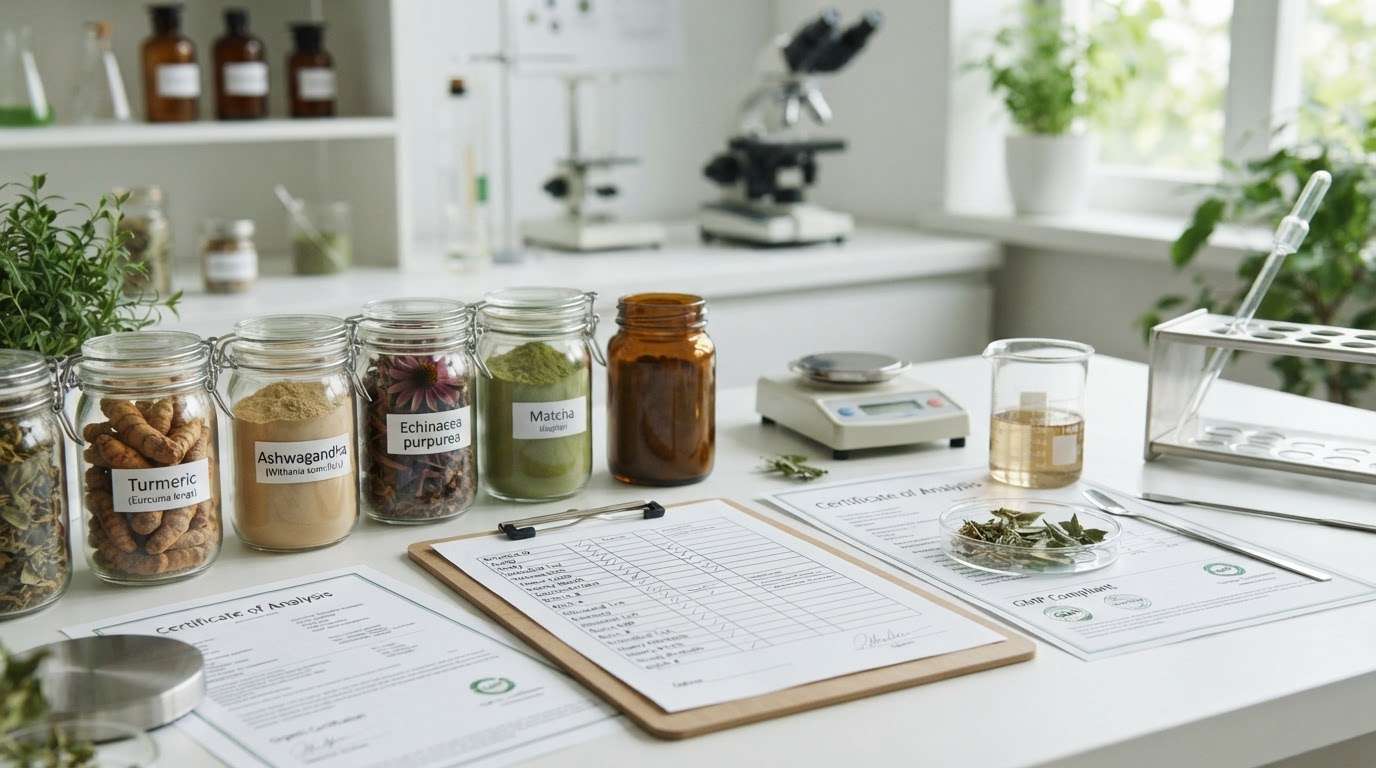
- Salicin standardization: Insist on certificate of analysis (CoA) data specifying salicin content (typically expressed as ≥10%, ≥15%, or ≥20%) verified by HPLC methodology. Consistent standardization is the single most important predictor of batch-to-batch efficacy.
- Tannin control: Request data confirming tannin levels are within acceptable tolerability limits, particularly for oral supplement applications.
- Heavy metals and microbial testing: All botanical extracts intended for supplement or cosmetic use should meet USP, EP, or equivalent heavy metals limits and be tested for total plate count, yeast/mold, and pathogenic organisms.
- Extraction solvent documentation: Ethanol-water systems are standard for food-grade and cosmetic applications; confirm residual solvent levels comply with applicable pharmacopeial limits.
- Certifications: ISO-certified manufacturing facilities, GMP compliance, and organic certification (where applicable) provide additional assurance of process control and traceability.
- Botanical identity verification: DNA barcoding or microscopic identification should confirm Salix alba species identity and exclude substitution with lower-value willow species.
“White willow bark extract bridges the gap between active oil control and skin-soothing benefits—a rarity in cosmetic ingredients.” — Dr. Lisa Zhang, dermatologist and researcher, UCLA
Xi’an Green Life Herb Tech has over a decade of experience supplying standardized white willow bark extract to global supplement and skincare brands. Available grades include salicin ≥10%, ≥20%, and custom-standardized specifications in both water-soluble and oil-soluble formats, enabling formulators to precisely target the active level required for their intended application and dosage form. Products meet ISO and USP quality standards with full CoA documentation, third-party testing reports, and formulation technical support available on request. Whether you are developing a joint health supplement, an acne-control serum, or a professional scalp treatment line, our team can provide ingredient specifications, regulatory documentation, and sample quantities to support your development timeline.
Frequently Asked Questions
What is the difference between white willow bark extract and synthetic salicylic acid?
Synthetic salicylic acid delivers an immediate, high-concentration effect, while salicin in white willow bark extract is metabolized more gradually after absorption, producing a slower onset with a gentler gastrointestinal and skin tolerance profile. Additionally, the natural extract contains flavonoids, polyphenols, and tannins that provide antioxidant, barrier-supporting, and soothing effects absent from isolated synthetic salicylic acid. For formulators, this means white willow bark extract can deliver exfoliation and oil control with reduced risk of irritation—particularly valuable in sensitive skin product lines.
What salicin standardization level should I specify for my application?
For dietary supplements targeting pain and joint health, clinical studies have used doses delivering 60–240 mg salicin equivalent per day; a 15–20% standardized extract is most common for capsule applications. For topical cosmetics, standardization level matters less than the final active concentration in the finished formula—target 0.5–2.0% extract in leave-on products. Work with your supplier to match the standardization grade to your dose target and formulation format.
Is white willow bark extract safe for sensitive or eczema-prone skin?
Yes, when formulated at appropriate concentrations (typically 0.5–1.0% in leave-on products), white willow bark extract is well tolerated by sensitive skin. Its time-released salicin conversion and the complementary anti-inflammatory action of its flavonoid fraction make it considerably gentler than equivalent concentrations of synthetic salicylic acid. However, individuals with documented aspirin hypersensitivity should exercise caution, and formulators should include appropriate advisory language on product labels.
Can white willow bark extract be combined with other anti-inflammatory botanicals in supplement formulas?
Yes, and combination formulas often outperform single-ingredient products. White willow bark extract works synergistically with boswellia serrata (targeting the 5-LOX pathway), curcumin (broad-spectrum NF-κB inhibition), and omega-3 fatty acids (resolvin and protectin pathway support). These combinations allow formulators to address multiple inflammatory pathways simultaneously while potentially reducing the required dose of each individual ingredient.
What certifications should I require from a white willow bark extract supplier?
At minimum, require GMP-certified manufacturing, ISO certification, full CoA documentation per batch (including HPLC salicin assay, heavy metals, residual solvents, and microbial testing), and botanical identity verification. For organic-positioned products, a valid organic certification from a recognized body (e.g., USDA NOP, EU Organic, or equivalent) is necessary. For finished products sold in the EU, ensure the supplier can provide documentation supporting compliance with relevant cosmetics or supplement regulations in target markets.
Looking for Premium Plant Extracts?
Green Life Herb supplies 280+ botanical extracts with ISO/HALAL/Kosher certifications.
Custom specifications and sample orders available.