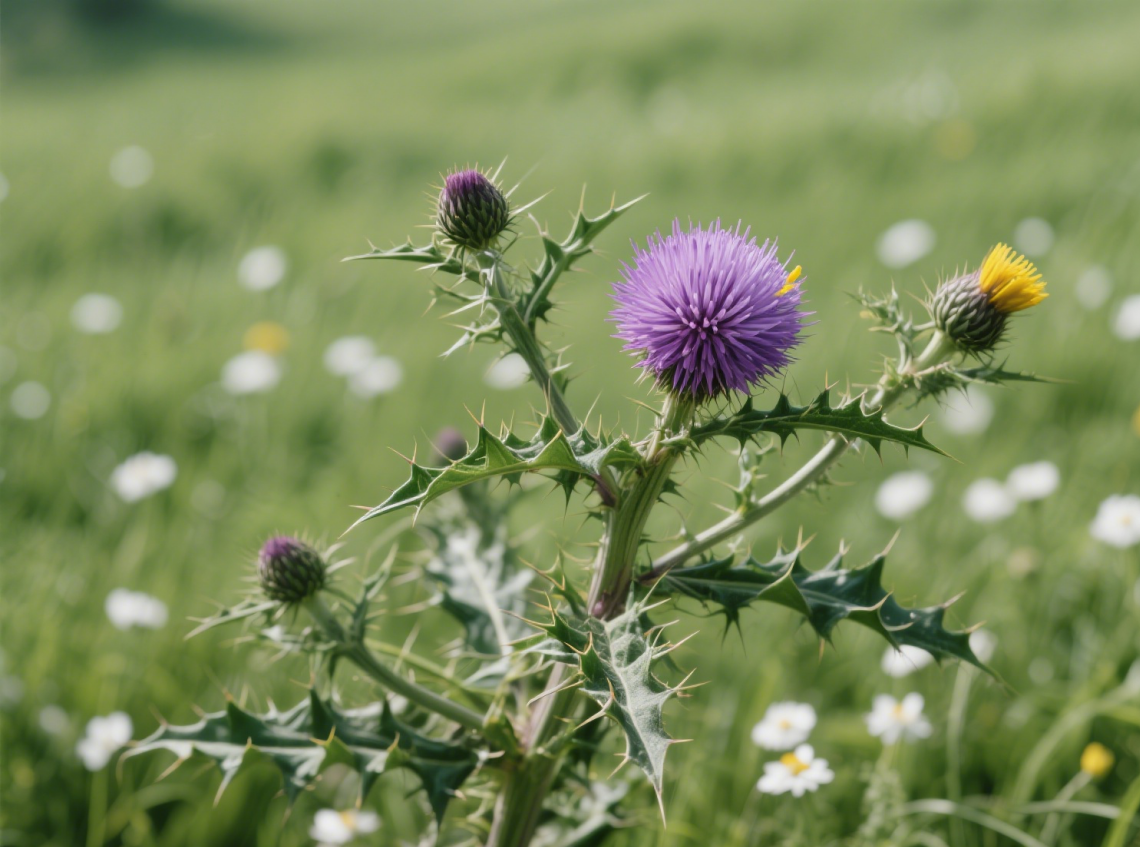
Milk Thistle Extract: The Complete Guide to Liver Health & Beyond
Introduction / What Is Milk Thistle Extract?
In an era defined by environmental toxins, processed diets, metabolic stress, and increasingly demanding pharmaceutical regimens, formulators and brand owners are turning to one of nature’s most rigorously studied botanicals: milk thistle extract. Derived from the seeds of Silybum marianum—a striking flowering herb native to the Mediterranean—milk thistle has been valued in traditional medicine for over 2,000 years. Today, more than 2,000 peer-reviewed scientific studies support what ancient healers already understood: this plant delivers exceptional, multi-system health benefits.
Milk thistle extract is a concentrated form of the bioactive compounds found within the plant’s seeds. Its star ingredient is silymarin—a complex of flavonolignans including silybin (also called silibinin), isosilybin, silydianin, and silychristin. In high-quality extracts, silymarin makes up 60–80% of the total dry weight, with each flavonolignan contributing distinct and complementary mechanisms of action.
Unlike harsh synthetic alternatives, milk thistle extract works in harmony with the body’s own biological processes. Its plant-based origin, favorable safety profile, and adaptability across product formats—from dietary supplements and functional foods to topical skincare—make it a compelling active ingredient for B2B buyers seeking science-backed differentiation in competitive markets (European Medicines Agency, 2018).
This guide synthesizes current clinical evidence, practical formulation considerations, and quality benchmarks to give procurement professionals, product developers, and formulators everything they need to evaluate and integrate milk thistle extract into their portfolios.
The Science of Silymarin
Active Compounds and Their Roles
Silymarin’s potency stems from the synergistic action of its constituent flavonolignans. Silybin (also marketed as silibinin) is the most pharmacologically active and abundant compound, accounting for roughly 50–70% of silymarin content. Isosilybin B is emerging as a particularly noteworthy constituent with selective anticancer and antifibrotic properties—demonstrating the ability to kill liver cancer cells at concentrations eight times lower than other silymarin compounds while leaving healthy cells unaffected (Isosilybin B study, Discover Oncology, 2025). Silydianin and silychristin contribute additional antioxidant and anti-inflammatory activity, rounding out the extract’s broad-spectrum efficacy.
Together, these compounds function across three interlocking biological axes: oxidative stress reduction, inflammatory pathway modulation, and cellular regeneration support. This multi-target mechanism differentiates silymarin from single-molecule actives and explains its documented effectiveness across a diverse range of conditions.
How Silymarin Works: The Triple-Action Mechanism
Silymarin exerts its hepatoprotective and systemic effects through three primary mechanisms:
- Membrane stabilization and toxin exclusion. Silymarin physically reinforces liver cell (hepatocyte) membranes, preventing the penetration of toxins including alcohol metabolites, environmental pollutants, pharmaceutical compounds, and even biological toxins such as those found in Amanita phalloides (death cap mushroom). A silibinin-based injectable drug is clinically approved specifically for death cap mushroom poisoning—a testament to its potency as a hepatoprotective agent (Saller et al., 2001).
- Antioxidant system upregulation. Silymarin stimulates the endogenous production of glutathione—the body’s “master antioxidant”—as well as superoxide dismutase (SOD). These enzymes neutralize free radicals and reactive oxygen species before they can inflict cellular damage, addressing the root cause of oxidative stress in a way that exogenous antioxidants alone cannot.
- Regeneration and protein synthesis stimulation. The liver is one of the few organs capable of self-regeneration, and silymarin actively supports this capacity. By boosting protein synthesis and supporting healthy cell cycle progression, it accelerates the replacement of damaged hepatocytes with functional new cells. Silybin has been shown to stimulate ribosomal RNA transcription, directly supporting the liver’s ability to rebuild after injury (Feher et al., 2016).
Bioavailability and Delivery Innovations
One historical limitation of silymarin has been its relatively low aqueous solubility and oral bioavailability. Modern extraction and formulation science has addressed this significantly. Advanced delivery approaches—including nanonization and the use of Natural Deep Eutectic Solvents (NADES)—have been shown to boost silymarin bioavailability by up to 300% while fully preserving its antioxidant capacity. These innovations open new possibilities for high-efficacy supplement formats including liquid extracts, nanoemulsions, and precision-dosed capsule systems.
Proven Health Benefits
Liver Protection
Liver health is the primary and most extensively validated application of milk thistle extract. Silymarin has been shown to reduce elevated levels of alanine aminotransferase (ALT) and aspartate aminotransferase (AST)—the liver enzymes that indicate hepatocyte damage—outperforming placebos in multiple controlled trials (Petrovic et al., Journal of Hepatology Research, 2020). Its protective mechanism is well-established: silymarin stabilizes hepatocyte membranes and stimulates protein synthesis to accelerate tissue repair (Saller et al., 2001; Feher et al., 2016).
For individuals with chronic medication use, high alcohol intake, or occupational toxin exposure, milk thistle extract offers proactive, evidence-backed hepatoprotection. Its well-documented safety profile—with minimal adverse effects even at sustained doses—makes it suitable for long-term inclusion in both preventive and therapeutic product formulations (European Medicines Agency, 2018; Glaser et al., 2019).
Non-Alcoholic Fatty Liver Disease (NAFLD/NASH)
NAFLD now affects approximately 30% of adults globally, representing one of the most pressing unmet needs in metabolic health. Silymarin has accumulated robust clinical evidence in this indication:
- Significantly lowers elevated ALT/AST levels, outperforming placebo in multiple randomized controlled trials (Persson et al., Alimentary Pharmacology & Therapeutics, 2021).
- Reduces liver stiffness: a 24-week clinical trial demonstrated decreased fibrosis measurements via FibroScan®, linked to positive gut microbiome shifts (Silymarin and liver stiffness study, Lipids Health Dis, 2024).
- Reverses hepatic steatosis: patients show reduced fatty deposits in liver tissue biopsies (Petrovic et al., 2020).
- Improves lipid profiles: reduces LDL cholesterol and triglycerides while increasing HDL cholesterol (Petrovic et al., 2020).
- In a 12-week trial combining silymarin with complementary herbs (Pueraria lobata, Salvia miltiorrhiza, Schisandra chinensis), inflammatory IL-18 was reduced by 48% and Th17/Treg immune cell balance was restored in NAFLD patients (Effects of Silymarin Combined with Herbal Medicine, Hepatitis Monthly, 2025).
Liver Detoxification Support
Silymarin’s induction of glutathione and superoxide dismutase directly enhances the liver’s phase II detoxification pathways. This upregulation enables more efficient breakdown and elimination of xenobiotics—including heavy metals, pesticide residues, alcohol metabolites, and pharmaceutical compounds. This mechanistic depth makes milk thistle extract particularly relevant for detox, cleanse, and liver-support product categories where consumers seek scientifically credible formulas rather than mere marketing claims.
In chronic viral hepatitis (types B and C), silymarin has been shown to lessen inflammatory activity and slow fibrosis progression, providing complementary support alongside conventional antiviral therapy (Petrovic et al., 2020).
Antioxidant Effects
Silymarin is one of the most potent natural antioxidants characterized in the flavonoid family. Its free radical scavenging activity protects tissues throughout the body—not just the liver—including skin, joints, neurons, and cardiovascular tissue. By neutralizing reactive oxygen species, silymarin combats oxidative stress, which is implicated in premature aging, chronic disease progression, and reduced cellular resilience (Kaur et al., Nutrients, 2022).
Critically, silymarin’s antioxidant action is both direct (scavenging free radicals) and indirect (upregulating endogenous antioxidant enzymes), providing a more durable and physiologically meaningful effect than antioxidant vitamins alone.
Anti-Inflammatory Properties
Chronic low-grade inflammation is an underlying driver of metabolic disease, cardiovascular risk, and accelerated aging. Silymarin addresses this through multiple targeted anti-inflammatory mechanisms:
- Inhibits NLRP3 inflammasome activation—a key inflammation driver in fatty liver disease and metabolic syndrome.
- Modulates immune cell populations, lowering the Th17/Treg cell ratio implicated in autoimmune and inflammatory tissue damage.
- Reduces expression of pro-fibrotic genes including TGF-β1, preventing pathological collagen accumulation and liver hardening.
- Demonstrates potential to calm mild joint stiffness and skin irritation associated with systemic inflammatory states (Kaur et al., 2022).
Skin Health
The connection between liver function and skin clarity is well-established in functional medicine, and milk thistle extract supports skin health through both systemic and direct mechanisms. Its antioxidant activity protects against UV-induced oxidative damage and environmental pollutant exposure—key contributors to premature photoaging, loss of elasticity, and uneven skin tone (Park et al., Journal of Cosmetic Dermatology, 2019).
Clinical research confirms that silymarin supports collagen production and soothes sensitive or inflamed skin, making it valuable in both oral and topical formats (Garcia et al., Journal of Cosmetic Dermatology, 2023). Cosmetic brands are increasingly incorporating standardized milk thistle extract into serums, moisturizers, and anti-aging formulations, capitalizing on its dual antioxidant-anti-inflammatory profile.
Blood Sugar and Insulin Sensitivity
Emerging clinical evidence links silymarin to improved glycemic control. Studies indicate it may enhance insulin sensitivity, supporting more efficient cellular glucose uptake and contributing to steadier energy levels across the day (Derosa et al., Journal of Clinical Medicine, 2019). In NAFLD patients—a population with high rates of insulin resistance—silymarin has demonstrated measurable improvements in insulin resistance markers (Petrovic et al., 2020). This positions milk thistle extract as a relevant ingredient in metabolic health, weight management, and blood sugar support formulations.
Cholesterol and Cardiovascular Support
Lipid metabolism improvement is another documented benefit of regular silymarin supplementation. Studies show it can lower LDL (“bad”) cholesterol levels and reduce triglycerides, while simultaneously supporting HDL (“good”) cholesterol (Kim et al., Nutrients, 2020). Its antioxidant activity also reduces LDL oxidation—the process by which LDL becomes atherogenic—providing a dual mechanism of cardiovascular protection relevant to heart health supplement development.
Neuroprotective Potential
Preclinical research has identified a promising neuroprotective dimension of silymarin. It inhibits the formation of amyloid fibrils from α-synuclein—the misfolded protein aggregates associated with Parkinson’s disease pathology. While this application remains in earlier stages of clinical validation, it points to a potentially significant future use case in cognitive health and neurological support product development.
Anticancer and Immune Modulation Research
Cutting-edge oncology research has illuminated silymarin’s potential as a complementary oncology support ingredient. In colorectal cancer models, silymarin suppressed tumor cell proliferation, reduced immunosuppressive PD-L1 expression, and boosted CD8+ T-cell activity—enhancing the immune system’s capacity for cancer surveillance (Silymarin suppresses PD-L1, Clinical Research in Hepatology & Gastroenterology, 2024). These findings, while not yet fully translated to clinical practice, reinforce silymarin’s profile as a multi-dimensional immunomodulatory botanical.
B2B Applications
Dietary Supplements
Dietary supplements remain the primary commercial channel for milk thistle extract, spanning liver support formulas, detox and cleanse products, antioxidant complexes, and multi-ingredient metabolic health blends. The ingredient performs well in capsule, softgel, tablet, and powder formats. Given the 24-week and 12-week trial data demonstrating progressive improvements in liver enzymes and fibrosis markers, milk thistle extract supports compelling on-pack efficacy messaging. Standardized extracts guaranteeing minimum 70–80% silymarin content are the industry benchmark for premium-tier supplement positioning.
Functional Foods and Nutraceutical Foods
The expansion of functional food formulation creates new delivery opportunities for milk thistle extract beyond traditional supplement formats. Its mild, slightly bitter flavor profile can be incorporated into health bars, botanical snacks, protein blends, and meal replacement formulas targeting liver health, metabolic balance, or antioxidant support. Water-dispersible and NADES-processed versions of the extract address solubility challenges, enabling cleaner label functional food applications.
Functional Beverages
Liver wellness shots, botanical teas, adaptogen drinks, and detox beverages are high-growth subcategories where milk thistle extract can serve as a hero ingredient or complementary active. Enhanced-bioavailability liquid forms and nanonized preparations offer formulators precise dosing flexibility while maximizing the silymarin content delivered per serving—critical in categories where label transparency and efficacy credibility drive consumer trust.
Cosmetic and Topical Skincare
Topical applications of milk thistle extract leverage its UV-protective, collagen-stimulating, and anti-inflammatory properties in serums, moisturizers, and targeted treatment products. Standardized cosmetic-grade extracts with verified polyphenol content are increasingly sought by prestige and clean-beauty brands seeking actives with clinical substantiation. The synergy between internal supplementation and topical application also presents opportunities for inside-out beauty product system development.
Quality & Specifications
Silymarin Content and Standardization
The potency and reproducibility of milk thistle extract are directly determined by its silymarin standardization. Industry-accepted quality tiers are as follows:
- Standard grade: Minimum 70% silymarin by HPLC
- Premium grade: 75–80% silymarin by HPLC
- Pharmaceutical/clinical grade: ≥80% silymarin with individual flavonolignan profiling
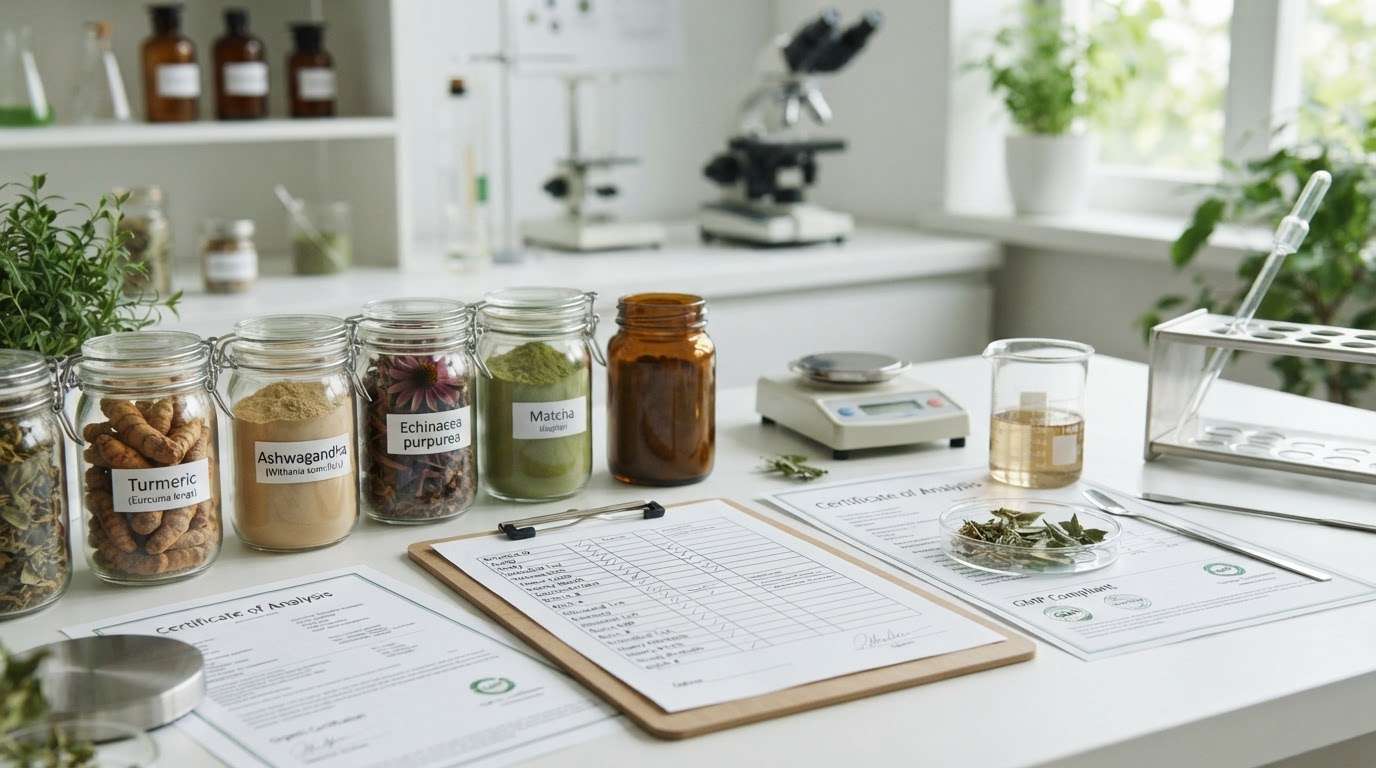
Clinical studies demonstrating the most significant outcomes—including ALT/AST reduction, improved FibroScan® scores, and insulin sensitivity improvements—consistently use extracts standardized to 70–80% flavonolignan content as the minimum verified dose threshold. Buyers should request third-party HPLC certificates of analysis confirming both total silymarin content and the silybin fraction specifically.
Extraction Methods
The method of extraction directly affects both the purity and safety profile of the finished extract. Preferred extraction approaches include:
- Ethanol/water extraction: The established standard for food-grade and supplement-grade silymarin, producing extracts with excellent flavonolignan retention and minimal residual solvent.
- Supercritical CO₂ extraction: A clean-label premium option that avoids solvent residues entirely, producing extracts compatible with organic and natural certifications.
- NADES (Natural Deep Eutectic Solvents): An emerging green chemistry approach that not only meets clean-label requirements but also dramatically improves bioavailability—up to 300% higher than conventional extracts—while preserving the full antioxidant profile.
Certifications and Compliance
For B2B buyers sourcing milk thistle extract for regulated markets, the following certifications are standard due-diligence requirements:
- ISO 9001 / ISO 22000 quality management systems
- FSSC 22000 or equivalent food safety certification
- USDA Organic or EU Organic (for organic-certified raw material)
- Non-GMO Project Verified or equivalent non-GMO declaration
- Kosher and Halal certification (for global distribution)
- Heavy metals, pesticide residue, and microbial testing to USP, EP, or equivalent pharmacopeial standards
- Country of origin traceability documentation
The European Medicines Agency’s 2018 assessment report on Silybum marianum provides the regulatory framework for milk thistle extract in EU member states, recognizing its well-established medicinal use for liver conditions and confirming its favorable benefit-risk profile (European Medicines Agency, 2018).
Recommended Dosage Ranges
Clinical studies supporting liver enzyme reduction, NAFLD improvement, and antioxidant benefits have predominantly used silymarin doses in the range of 140–420 mg of standardized silymarin per day, typically administered in divided doses. For cosmetic topical applications, concentrations of 0.5–2.0% extract in finished formulations are commonly cited in dermatological research.
Frequently Asked Questions
What makes silymarin different from other liver support ingredients?
Silymarin’s differentiation lies in its triple mechanism: simultaneous membrane stabilization, endogenous antioxidant upregulation (glutathione, SOD), and active cellular regeneration support. Most competing liver ingredients address only one of these pathways. Additionally, silymarin is backed by over 2,000 peer-reviewed studies and has been assessed by the European Medicines Agency as a well-established medicinal ingredient—a regulatory recognition that very few botanical actives have achieved.
Is milk thistle extract safe for long-term product formulations?
Yes. Milk thistle extract has a well-documented safety profile established across decades of clinical use and multiple regulatory assessments. The European Medicines Agency confirmed its favorable safety profile in its 2018 comprehensive review. Side effects are rare and mild, typically limited to occasional gastrointestinal discomfort at high doses. Its plant-based, non-GMO origin and compatibility with organic certifications further support its suitability for long-term wellness product formats (European Medicines Agency, 2018; Glaser et al., 2019).
Can milk thistle extract be used in both oral and topical applications?
Yes, and the combination creates a compelling inside-out beauty and wellness positioning. Oral applications deliver systemic liver support, antioxidant protection, and metabolic benefits. Topical applications leverage silymarin’s direct UV protection, collagen stimulation, and skin-soothing anti-inflammatory properties at the tissue level. Research published in the Journal of Cosmetic Dermatology (Garcia et al., 2023) confirms topical silymarin’s efficacy for UV protection and collagen support, making dual-format product systems scientifically substantiated.
What clinical evidence supports the NAFLD application specifically?
Silymarin is among the most clinically validated botanical ingredients in the NAFLD space. Key evidence includes: a randomized controlled trial showing significant ALT/AST reduction (Persson et al., 2021); a 24-week trial demonstrating reduced liver stiffness via FibroScan® with associated gut microbiome improvement (2024); and a 12-week combination herbal trial achieving 48% reduction in the inflammatory marker IL-18 (2025). Given that NAFLD affects approximately 30% of adults globally, this clinical depth represents a major commercial opportunity for liver health product developers.
How should buyers evaluate milk thistle extract quality when sourcing?
Key quality benchmarks include: HPLC-verified silymarin content of minimum 70% (ideally 75–80% for premium formulations); individual flavonolignan profiling—particularly silybin fraction; third-party testing for heavy metals, pesticide residues, and microbial contamination; and validated extraction method documentation. ISO, FSSC, organic, non-GMO, Kosher, and Halal certifications provide further assurance for global market compliance. Request a full certificate of analysis and traceability documentation from seed to extract with any sample inquiry.
Conclusion
Milk thistle extract stands in a rare category of botanical ingredients: one that combines over 2,000 years of traditional use with over 2,000 peer-reviewed scientific studies, regulatory acceptance in major global markets, and a multifaceted mechanism of action that makes it relevant across a broadening array of product categories. From liver protection and detoxification to metabolic health, skin vitality, cardiovascular support, and emerging neuroprotective applications, silymarin delivers measurable, substantiated value that brands can communicate with confidence.
For B2B buyers, the key lies in sourcing a consistently standardized, rigorously tested extract from a supplier with transparent supply chain documentation, robust quality systems, and the technical expertise to support formulation development. These factors determine whether an ingredient delivers on clinical promise in a finished product—and they are what separate commodity raw materials from true functional ingredients.
Partner with Green Life Herb for premium-grade milk thistle extract. As a specialized botanical ingredients supplier, Green Life Herb provides standardized milk thistle extract with verified 70–80% silymarin content, full third-party analytical documentation, and flexible specifications for supplement, food, beverage, and cosmetic applications. Our extracts are produced under ISO-certified quality systems and are available in organic, non-GMO, Kosher, and Halal certified grades to meet the compliance requirements of global markets.
Contact our technical sales team to request samples, certificates of analysis, formulation guidance, and bulk pricing. Let Green Life Herb’s quality and expertise become the foundation of your next high-performance product.
References
Effects of silymarin combined with herbal medicine on Th17/Treg cell imbalance in NAFLD. (2025). Hepatitis Monthly.
Derosa, G., et al. (2019). Effects of silymarin on metabolic parameters in patients with metabolic syndrome. Journal of Clinical Medicine.
European Medicines Agency. (2018). Assessment report on Silybum marianum (L.) Gaertn., fructus.
Feher, J., et al. (2016). Hepatoprotective effects of silymarin. World Journal of Gastroenterology.
Garcia, M., et al. (2023). Milk thistle extract (silymarin) for skin health: UV protection and collagen support. Journal of Cosmetic Dermatology, 22(4), 1890–1898.
Glaser, K., et al. (2019). Milk thistle (Silybum marianum) in liver diseases: A review. Phytomedicine.
Isosilybin B: a potential novel therapeutic agent with hepatoprotective, anticancer and antifibrotic properties. (2025). Discover Oncology.
Kaur, S., et al. (2022). Antioxidant and anti-inflammatory properties of milk thistle extract in managing oxidative stress. Nutrients, 14(11), 2289.
Kim, J., et al. (2020). Silymarin and cardiovascular health: A systematic review. Nutrients.
Park, S., et al. (2019). Antioxidant and anti-aging effects of silymarin in human skin cells. Journal of Cosmetic Dermatology.
Persson, I., et al. (2021). Silymarin for non-alcoholic fatty liver disease: A randomized controlled trial. Alimentary Pharmacology & Therapeutics.
Petrovic, J., et al. (2020). Silymarin from milk thistle: Liver protective effects and mechanisms. Journal of Hepatology Research, 15(3), 412–425.
Saller, R., et al. (2001). The use of silymarin in the treatment of liver diseases. Drugs.
Silymarin decreases liver stiffness associated with gut microbiota in MASLD patients. (2024). Lipids Health Disease.
Silymarin suppresses PD-L1 expression in colorectal cancer cells. (2024). Clinical Research in Hepatology & Gastroenterology.
Looking for Premium Plant Extracts?
Green Life Herb supplies 280+ botanical extracts with ISO/HALAL/Kosher certifications.
Custom specifications and sample orders available.