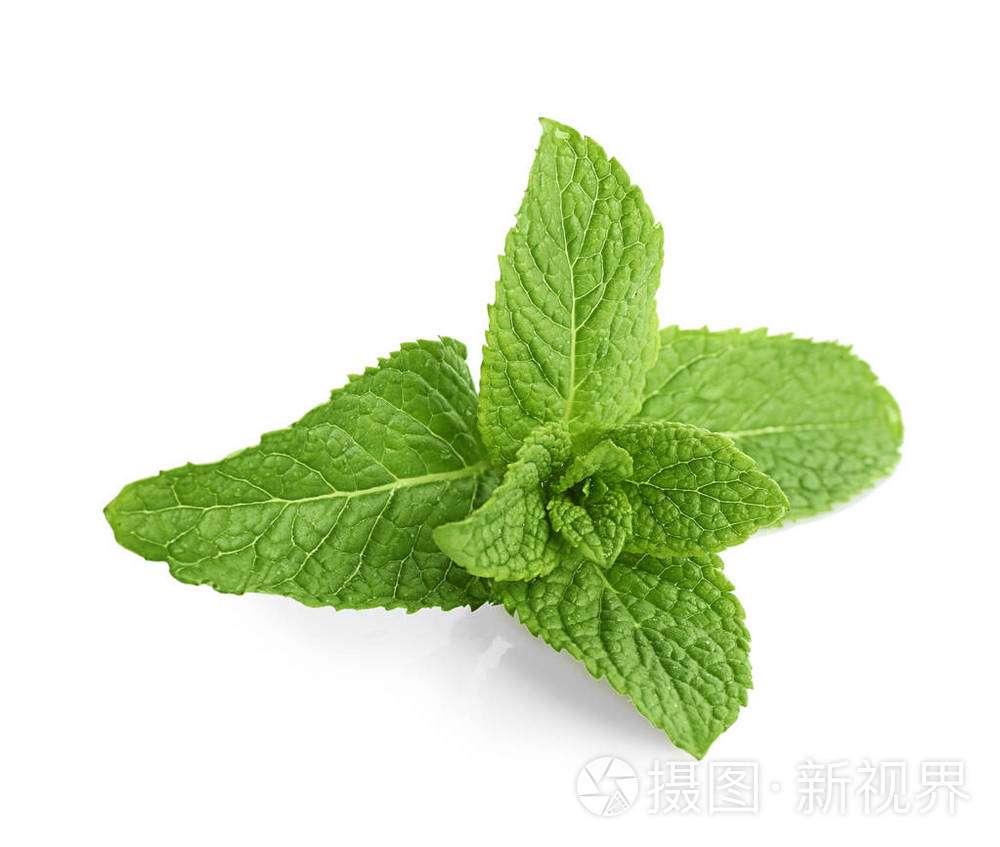
Lemon Balm (Melissa officinalis L.): A Versatile Phytotherapy
Lemon balm has a rich history in traditional medicine, now validated by modern science for its neuroregulatory, antioxidant, and metabolic benefits. This article explores its mechanisms, applications, and scientific validation.
Key Phytochemical Components
The efficacy of lemon balm extract is driven by its rich profile of active compounds:
- Polyphenolic Compounds:
- Rosmarinic Acid: Exhibits potent antioxidant and anti-inflammatory activity.
- Flavonoids (Apigenin, Luteolin): Act on GABAₐ receptors, contributing to anxiolytic effects.
- Terpenoids:
- Monoterpenes (Citral, Geraniol): Provide the characteristic lemony aroma and mild antimicrobial properties.
Extraction Note: The extraction method is crucial, with ethanol-water extraction (40-60%) optimizing rosmarinic acid yield.
Core Mechanisms of Action
Lemon balm extract works through several key pathways:
- Neurological Modulation: Apigenin binds to GABAₐ receptors, reducing neural excitability and providing anxiolytic and sedative effects. Rosmarinic acid also inhibits acetylcholinesterase, supporting cognitive function.
- Antioxidant & Anti-Inflammatory: Its polyphenols scavenge reactive oxygen species (ROS) and suppress NF-κB signaling, reducing pro-inflammatory cytokines like IL-6 and TNF-α.
- Metabolic Regulation: Rosmarinic acid activates AMPK, which enhances insulin sensitivity. It also inhibits enzymes like α-amylase, aiding in glycemic control.
Clinical Applications & Evidence
Clinical trials have demonstrated the extract’s efficacy in several areas:
- Anxiety & Sleep: Standardized extract can reduce anxiety scores by 20-25% and improve sleep quality, with a 15-20% decrease in sleep latency.
- Cognitive Support: It has shown to improve memory and attention in elderly populations and may help manage mild cognitive impairment.
- Metabolic & Dermatological Health: Preliminary studies show benefits in reducing fasting glucose and triglycerides. Its topical application is also effective for managing mild acne and atopic dermatitis.
Safety & Standardization
The extract has an excellent safety profile, with only minor gastrointestinal side effects at high doses. Standardization to a 3-5% rosmarinic acid content is key to ensuring consistent therapeutic outcomes.
Conclusion
Lemon balm extract bridges traditional herbal wisdom with modern science. Its clinically validated mechanisms and broad range of applications—from neurological balance to metabolic health—position it as a valuable ingredient in nutraceuticals and integrative wellness.
References
Kennedy, D. O., et al. (2022). Efficacy of lemon balm extract in anxiety and sleep disorders: A systematic review and meta-analysis. Phytomedicine, 98, 153987.
Patora, J., et al. (2021). Phytochemistry and neuropharmacology of Melissa officinalis L. extract: A review. Phytochemistry Reviews, 20(6), 1453-1472.
Tounekti, T., et al. (2022). Metabolic and dermatological effects of lemon balm extract: From preclinical to clinical evidence. Journal of Ethnopharmacology, 301, 115642.
Looking for Premium Plant Extracts?
Green Life Herb supplies 280+ botanical extracts with ISO/HALAL/Kosher certifications.
Custom specifications and sample orders available.