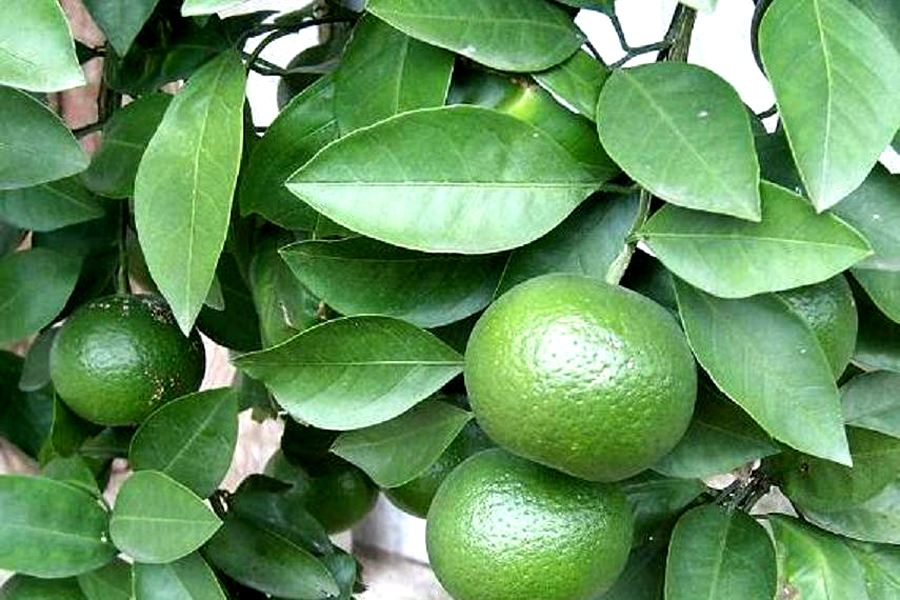
In the evolving landscape of natural health supplements, Citrus aurantium bioflavonoids—derived from the bitter orange plant—have emerged as a powerhouse in combating oxidative stress, inflammation, and the inevitable signs of aging. As we step into 2025, with a global emphasis on preventive wellness amid rising chronic disease rates, these compounds are gaining traction for their multifaceted biological activities. Rich in hesperidin, naringin, and diosmin, Citrus aurantium extracts offer a natural, plant-based alternative to synthetic antioxidants, drawing from centuries-old traditional medicine while being validated by modern research. Their ability to neutralize free radicals, modulate inflammatory pathways, and support cellular longevity positions them as an essential shield in today’s toxin-heavy environment.
At the core of their efficacy lies a robust antioxidant profile. Bioflavonoids from Citrus aurantium act as potent scavengers of reactive oxygen species (ROS), which are unstable molecules that damage cellular structures, accelerate aging, and contribute to inflammatory conditions. By donating electrons to stabilize these radicals, compounds like hesperidin enhance endogenous antioxidant defenses, such as superoxide dismutase and glutathione peroxidase. This mechanism not only reduces oxidative stress but also preserves DNA integrity, mitigating age-related mutations. Studies highlight how these flavonoids inhibit lipid peroxidation in cell membranes, a process linked to premature skin aging and vascular deterioration. In an era where environmental pollutants and UV exposure exacerbate ROS production, Citrus aurantium bioflavonoids provide a proactive barrier, promoting resilience at the molecular level.
Equally compelling is their anti-inflammatory prowess. Chronic inflammation, often dubbed the “silent killer,” underlies many age-related diseases, including arthritis, cardiovascular issues, and neurodegeneration. Citrus aurantium bioflavonoids suppress pro-inflammatory cytokines like TNF-α and IL-6 by downregulating pathways such as NF-κB and MAPK signaling. This targeted inhibition reduces systemic inflammation without the side effects of NSAIDs. For instance, hesperidin has been shown to alleviate joint inflammation in models of rheumatoid arthritis, while naringin modulates gut microbiota to curb inflammatory bowel responses. These actions extend to neuroprotection, where reduced neuroinflammation may delay cognitive decline associated with aging, offering hope for conditions like Alzheimer’s.
When it comes to anti-aging, Citrus aurantium bioflavonoids shine in dermatological applications. They enhance collagen synthesis and inhibit matrix metalloproteinases (MMPs), enzymes that degrade skin’s structural proteins, leading to wrinkles and sagging. Topical formulations enriched with these compounds provide photoprotection against UV-induced damage, reducing erythema and hyperpigmentation. Beyond skin, their vascular benefits—improving endothelial function and reducing capillary fragility—support healthy circulation, which is crucial for nutrient delivery and waste removal in aging tissues. Emerging research also links them to metabolic health, with naringin aiding in lipid metabolism and glucose regulation, potentially staving off age-related metabolic syndrome.
The depth of these benefits is underscored by a growing body of evidence. A 2025 review of citrus metabolites emphasizes their antibacterial and lipid-lowering effects alongside antioxidant and anti-inflammatory roles, suggesting broad therapeutic potential. Clinical trials demonstrate that daily supplementation with Citrus aurantium extracts can lower markers of oxidative stress in humans, correlating with improved vitality and reduced fatigue. Moreover, their synergy with vitamin C amplifies bioavailability, making them ideal for immune support during aging. However, dosage matters: standardized extracts ensuring 40-60% bioflavonoid content are recommended, with consultations advised for those on medications due to potential CYP450 interactions.
In conclusion, Citrus aurantium bioflavonoids represent a sophisticated, nature-derived strategy against inflammation and aging. By addressing root causes like oxidative damage and chronic inflammation, they empower individuals to age gracefully, aligning with 2025’s holistic health trends. As research advances, expect these compounds to redefine preventive care—proving that the bitter orange holds sweet promises for longevity.
Beneficial Effects of Citrus Flavonoids on Cardiovascular and … – PMC
https://pmc.ncbi.nlm.nih.gov/articles/PMC6431442
Enhancing the antioxidant and anti-inflammatory potential of Citrus … – ScienceDirect
Bioactive flavonoids metabolites in citrus species: their potential … – PMC
https://pmc.ncbi.nlm.nih.gov/articles/PMC11911525
Recent Developments in Citrus aurantium L.: An Overview of … – MDPI
Looking for Premium Plant Extracts?
Green Life Herb supplies 280+ botanical extracts with ISO/HALAL/Kosher certifications.
Custom specifications and sample orders available.