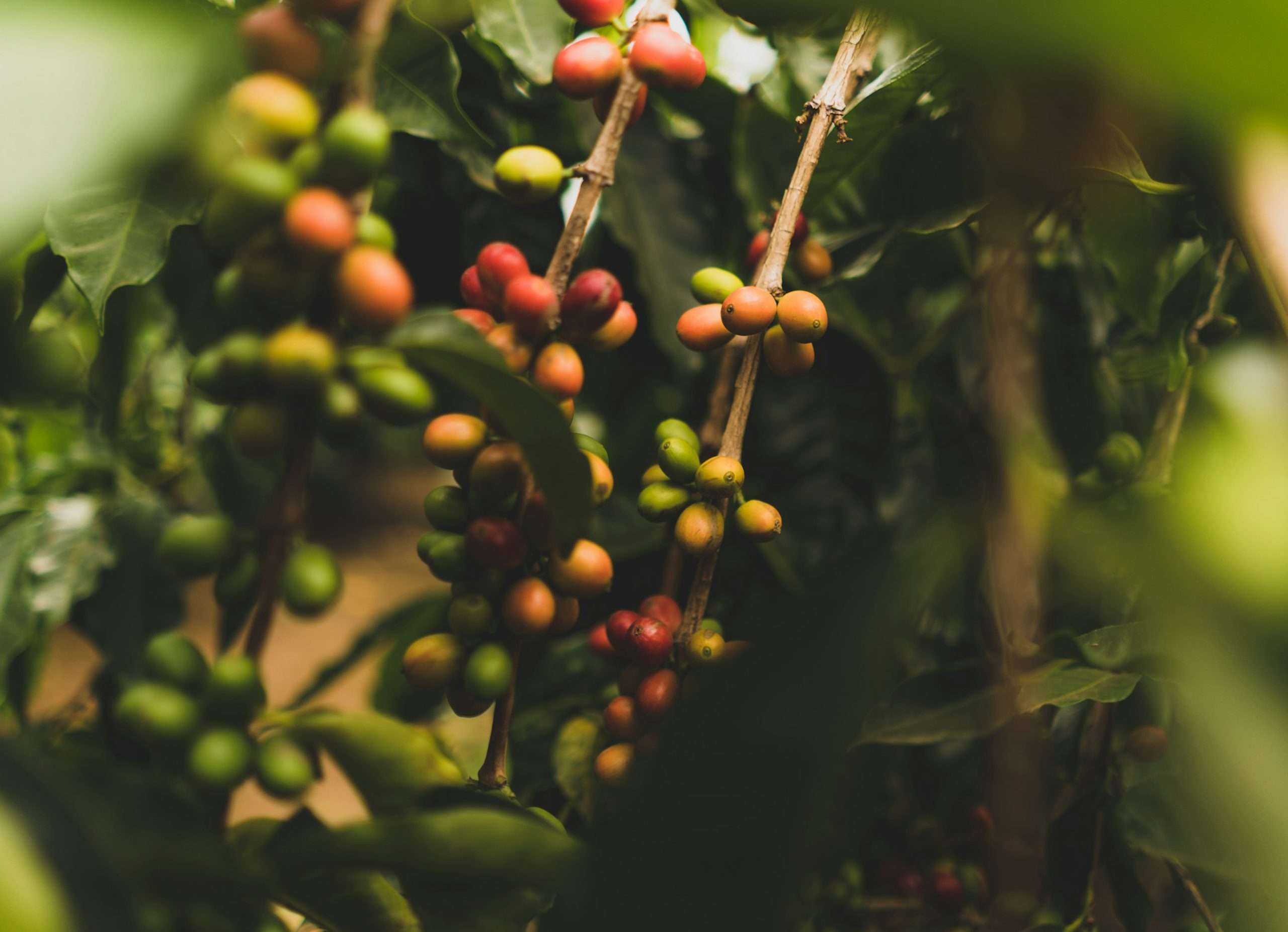
A B2B buyer guide for dietary supplements, functional foods and formulation projects
When you source chlorogenic acid powder at commercial scale, the product name alone is not a specification. Two materials described as “chlorogenic acid powder” can differ in botanical source, standardisation approach, analytical method, caffeine content, contaminant controls and physical behaviour in a formula. For procurement, QA and R&D teams, the practical question is therefore not simply “Is this supplier qualified?” It is: “Can this supplier demonstrate that the batch we approve is the batch we receive—and that the next batch will remain within the agreed specification?”
This guide sets out a practical qualification approach for green-coffee-derived chlorogenic acid ingredients. It is designed for B2B evaluation; it is not legal advice, medical advice or a basis for consumer-facing health claims.
1. Define the material before comparing quotations
The first control is a precise, written material specification. Without it, price comparisons can be misleading.
For a green coffee ingredient, ask the supplier to define:
- the product name and botanical source, including the Coffea species and plant part used;
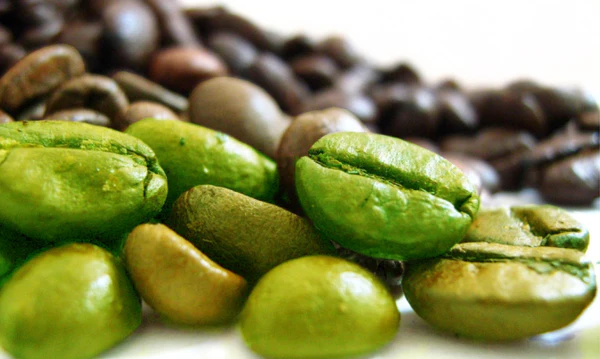
- whether the product is a standardised green coffee bean extract or a high-purity chlorogenic acid material;
- the chlorogenic-acid specification, how it is expressed, and the analytical method used;
- caffeine content and its limit, particularly where a low-caffeine positioning is required;
- extraction/process information appropriate to the intended market and application;
- moisture, particle size, carrier (if any), solubility or dispersibility requirements, appearance, packaging, storage and shelf life.
This distinction matters because green coffee extracts contain chlorogenic-acid compounds alongside other naturally occurring constituents, including caffeine. Published studies have measured chlorogenic acids and caffeine in green coffee materials using chromatographic methods, and have reported variation across materials and commercial products.[1][2] A buyer should therefore avoid comparing a 50% standardised extract and a high-purity material solely by price per kilogram. Compare the agreed assay definition, the delivered functional dose, caffeine profile, physical specification and documentation package.
For projects involving SoluxBean®, Green Life Herb should begin the conversation with the buyer’s target CGA level, caffeine requirement, application and market. This creates an agreed technical brief before a sample or quotation is issued.
2. Ask for the right documents at the right stage
Supplier qualification works best as a staged process. A generic certificate pack may be useful for an initial discussion, but it should not replace records for the actual commercial lot.
| Project stage | Documents to request | What the buyer should verify |
|---|---|---|
| RFQ / pre-screening | Product specification or TDS; SDS; manufacturing-site quality-system information; origin, allergen and GMO statements where applicable | The product is clearly defined; the documents relate to the actual manufacturing route and intended application |
| Sample evaluation | Representative batch COA; CGA and caffeine method information; HPLC chromatogram where available; relevant heavy-metal and microbiological data | The sample has a traceable lot number and the test method matches the proposed commercial specification |
| Bulk release | Shipment-lot COA; lot number; manufacture and expiry/retest dates; batch quantity; applicable contaminant reports; packaging and shipping records | The documentation matches the material actually being shipped, not a template or an unrelated sample batch |
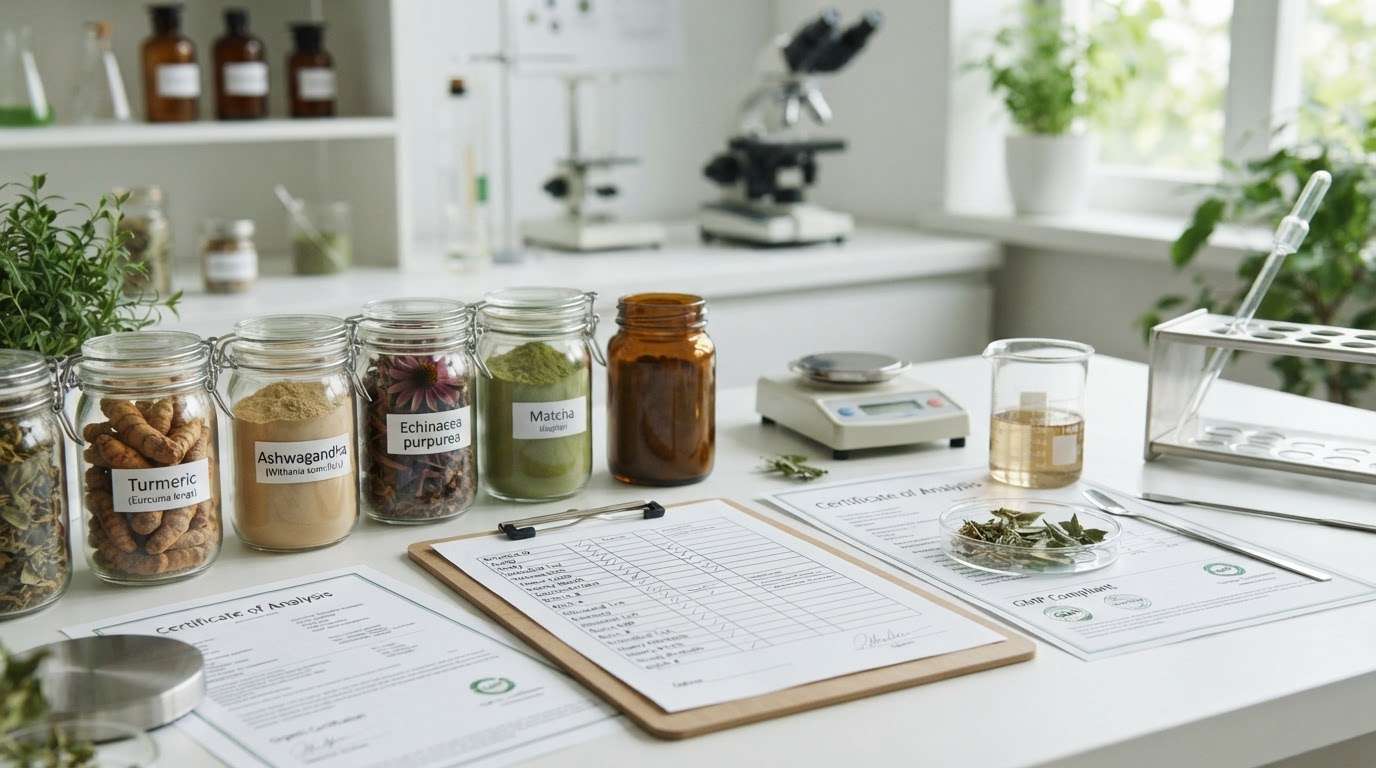
A Certificate of Analysis should be batch-specific. It should identify the product and lot, show specifications and actual results, identify or reference the methods used, and be reviewed against the buyer’s approved internal specification. A COA is an important control, but it is not a substitute for a supplier-qualification programme.
This distinction is consistent with the approach used by USP’s Dietary Ingredient Verification Program, which combines manufacturing-site auditing, quality and manufacturing documentation review, laboratory testing and continuing monitoring.[3] In other words, quality confidence is built from several forms of evidence—not from a single certificate.
3. Review a chlorogenic acid COA in the right order
Start with identity and lot linkage
Before reading the assay result, check whether the following fields match the purchase order, packing list and labels:
- product name and botanical identity;
- finished-product lot number;
- manufacture date and expiry or retest date;
- batch quantity and shipped quantity;
- specification version and testing date.
If a delivery quantity appears to exceed the batch quantity stated on the COA, ask whether lots were combined. If so, request clarification on lot control and the release documentation that applies to the delivered material.
Then review assay and method together
For green-coffee-derived material, request both the chlorogenic-acid result and the caffeine result where caffeine is relevant to the specification or positioning. Do not assess a percentage claim without understanding what the method measures and how the result is reported.
HPLC-based approaches are widely used in research on chlorogenic acids and caffeine in coffee and green coffee extract matrices.[1][2] That does not make a chromatogram, by itself, a release decision. Rather, it gives the buyer a basis to discuss method identity, analyte definition, reporting format and batch documentation with the supplier or laboratory.
This is particularly important in light of a 2026 study of 23 commercial green coffee bean extract supplements. The researchers quantified three major chlorogenic-acid isomers and caffeine by HPLC-DAD and reported substantial differences between some label claims and measured content.[2] The study does not establish that all commercial materials are unreliable; it does show why buyers should verify batch-level assay and caffeine information rather than rely on a product name or a marketing statement.
Review safety and physical-fit data
The exact panel should be set by the product, process and destination market. Common buyer requests include:
- separate results for lead, arsenic, cadmium and mercury rather than a single “total heavy metals” statement;
- microbiological limits and results;
- pesticide-residue and residual-solvent information where applicable;
- moisture, particle size, appearance, carrier declaration and solubility/dispersibility data relevant to the formula.
Physical data matter. A material that meets an assay target can still create processing challenges if its particle size, moisture, flow properties, colour or solubility differs from the formulation team’s approved requirements.
COA red flags that warrant clarification
The following are prompts to investigate—not proof of misconduct:
- a document without a lot number, testing date, method or actual results;
- a product name, date or batch quantity that conflicts with shipping records;
- a “decaffeinated” description with no caffeine value or method;
- only a generic quality certificate when a shipment-lot COA is required;
- a contaminant statement that does not explain what was tested or whether it applies to the requested market.
4. Treat traceability as a record chain, not a slogan
“Traceable” is useful only when a buyer can understand what records connect the finished powder to earlier stages of the supply chain. For a green coffee extract, the traceability map should normally link:
green coffee bean source → incoming raw-material lot → extraction/processing batch → finished-powder lot → packaging lot → shipment record
At a minimum, a supplier should be able to explain how lot identification is maintained between those stages, which records are retained, and how a change in source, process, specification or packaging is controlled.
For US dietary supplement supply chains, FDA’s cGMP compliance guidance explains that each unique component lot received should be identified in a way that enables tracing to the supplier, date received, component name, status and the dietary supplement manufactured and distributed.[4] This is a practical benchmark for a buyer’s incoming-material and supplier records. It does not mean that an ingredient is FDA-approved.
For EU projects, the regulatory assessment remains product- and country-specific. EFSA notes that there is no centralised EU authorisation procedure for botanicals and derived preparations used in food; business operators remain responsible for safety, while Member State requirements can differ.[5] The buyer should therefore determine the applicable destination-market requirements, and the supplier should provide accurate material information and supporting records.
5. Verify consistency beyond one good sample
A sample confirms that one material can meet a requirement at one point in time. It does not establish that future commercial lots will perform the same way. This is especially relevant for botanical ingredients, where raw-material and process variation can influence the finished extract.
Food Supplements Europe highlights that quality and consistency of production are particularly important when a botanical preparation is associated with quantitative or qualitative constituent claims.[6] For chlorogenic acid powder, a sensible buyer review is to compare controlled data from multiple lots against the agreed specification.
| Parameter to trend | Why it matters | Evidence to request or review |
|---|---|---|
| CGA assay | Supports dosing, label calculations and cost modelling | Multi-lot COAs or controlled historical quality data |
| Caffeine | Important for a defined caffeine profile or low-caffeine project | Lot-specific result and method information |
| Moisture, particle size and appearance | Affect blending, tableting, filling and sensory fit | COA data, retain-sample comparison and physical specification |
| Heavy metals and microbiology | Support raw-material safety review | Lot reports and risk-based verification plan |
| Source or process changes | May affect composition and manufacturing performance | Formal change notification and requalification record |
A practical sequence is:
- Sample approval: agree the specification and document list; conduct a risk-based assessment or independent test where needed.
- First commercial lot: compare the shipment COA and documents with the approved sample and purchase specification; verify critical parameters.
- Repeat supply: conduct periodic trend review, document review, certificate-expiry checks, deviation/complaint review and change-control assessment.
Buyers should agree the depth and frequency of verification according to material risk, use level, destination market and their own quality system.
6. Qualify the supplier’s system—not just the product sheet
Use the following questions during supplier screening or a technical call:
- Is the company the manufacturer, an authorised distributor or a trader? What is the manufacturing location?
- Which quality and food-safety systems apply at that location, and what is the scope and validity of each certificate?
- Who conducts CGA and caffeine testing: an internal laboratory, an external laboratory, or both?
- What batch documents and method summaries can be supplied for evaluation?
- Which contaminant controls are routinely performed, and which are available based on risk, process and market requirement?
- Are retain samples kept? How are deviations, complaints and traceability exercises handled?
- How will the supplier notify customers of changes to source material, extraction conditions, analytical methods, specifications or packaging?
Independent verification can be valuable, particularly for a new or critical supplier. NSF notes that its dietary-supplement ingredient certification is a raw-ingredient programme and does not transfer automatically to the finished product.[7] This is a useful reminder that quality-system credentials, supplier data and finished-product responsibilities are complementary—not interchangeable.
7. A six-step qualification workflow for buyers
- Define: Set the target market, application, chlorogenic-acid target, caffeine limit, physical requirements and documentation needs.
- Pre-screen: Review the TDS, SDS, manufacturing information, applicable declarations and representative COA.
- Sample and verify: Confirm sample identity, method and key results; use risk-based internal or third-party verification when required.
- Assess the system: Review manufacturing identity, document control, lot traceability, testing capability, retain samples and change control.
- Release the first bulk lot: Match the shipment-lot COA and documentation to the purchase specification, batch number and delivery records.
- Requalify: Trend key results; review changes, complaints, certificates and performance at a frequency justified by risk.
This workflow can help procurement, QA and R&D work from the same criteria. It also prevents a common gap: commercial approval based on a sample while quality approval of the actual bulk lot is left undefined.
8. Evaluate SoluxBean® with a documented specification
SoluxBean® is Green Life Herb’s branded green coffee bean chlorogenic acid ingredient platform. For a qualification project, the useful starting point is a technical brief—not a generic claim.
Provide Green Life Herb with:
- target market and finished-product category;
- required CGA specification and preferred test method/reporting format;
- caffeine requirement;
- intended application and relevant physical requirements;
- annual demand and first-order volume;
- your supplier-qualification and documentation checklist.
In return, request the product specification, a representative batch document package and clarification of which supporting materials are applicable to the specific grade and target market. This allows SoluxBean® to be assessed against the buyer’s own defined requirements, rather than against a generic “high quality” promise.
Request a SoluxBean® evaluation package
Planning a chlorogenic acid powder sourcing project? Contact Green Life Herb with your target CGA level, caffeine requirement, application, annual volume and documentation checklist. Our team can discuss the applicable SoluxBean® product specification and representative batch documentation for your evaluation.
References
- Vinson JA, et al. Determination of Total Chlorogenic Acids in Commercial Green Coffee Extracts. Journal of Agricultural and Food Chemistry / PMC full text.
- Otaifa KD, et al. Chlorogenic acids and caffeine in commercial green coffee bean extract supplements: quantitative assessment and evidence of mislabelling. Food Additives & Contaminants: Part A, 2026.
- United States Pharmacopeia. Dietary Ingredient Verification Program.
- U.S. Food and Drug Administration. Small Entity Compliance Guide: Current Good Manufacturing Practice in Manufacturing, Packaging, Labeling, or Holding Operations for Dietary Supplements.
- European Food Safety Authority. Botanicals.
- Food Supplements Europe. Quality of Botanical Preparations: Recommendations for the Manufacturing of Botanical Preparations, Including Extracts as Food Supplements.
- NSF. Dietary Supplement Ingredient Certification.
Looking for Premium Plant Extracts?
Green Life Herb supplies 280+ botanical extracts with ISO/HALAL/Kosher certifications.
Custom specifications and sample orders available.