A comprehensive B2B reference for nutraceutical formulators, functional food developers, and cosmetic ingredient buyers — covering active compounds, clinical evidence, safety profiles, specifications, and application opportunities.
Introduction: What Is Green Coffee Bean Extract?
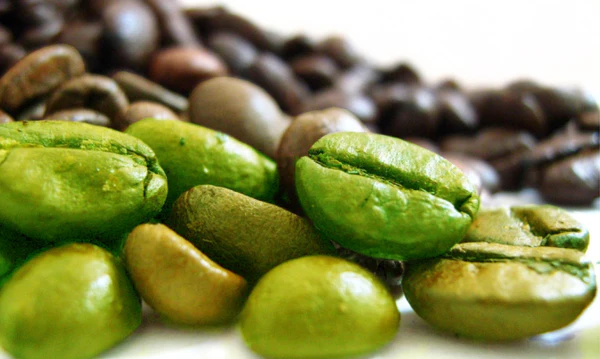
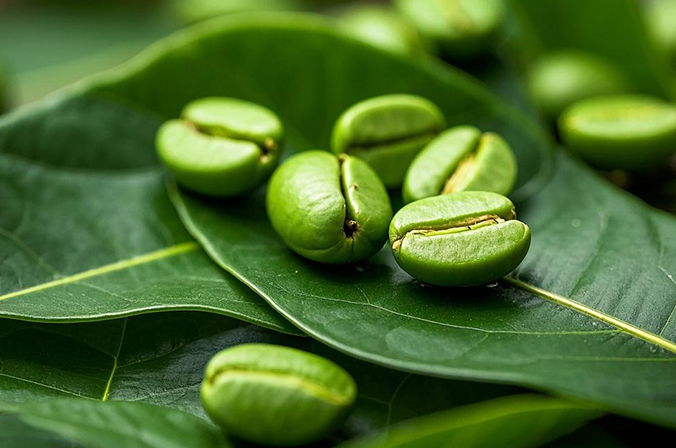
Green coffee bean extract (GCBE) is derived from the unroasted seeds of Coffea arabica and Coffea canephora (robusta), plants belonging to the family Rubiaceae. Unlike the familiar roasted coffee bean that fuels the global beverage industry, the raw green bean retains its native phytochemical profile — particularly a family of powerful polyphenolic antioxidants known as chlorogenic acids (CGAs) — which are dramatically degraded when beans are exposed to the high temperatures of roasting. Studies show that roasting can reduce CGA content by 65–80%, effectively stripping the bean of its most pharmacologically active compounds.
The two species most commonly used for commercial extraction are:
- Coffea arabica — grown in highlands above 600 m, prized for its mild flavour profile and moderate CGA content.
- Coffea canephora (Robusta) — cultivated at lower altitudes (below 300 m), naturally higher in both caffeine and chlorogenic acids, making it a preferred source for high-potency standardised extracts.
Green coffee bean extract has attracted substantial attention in nutritional science, functional food formulation, and personal care since the early 2000s, accelerating through numerous clinical trials and reaching mainstream consumer awareness. Approximately 30% of the world’s population is currently overweight or obese, and the demand for science-backed, plant-derived weight management ingredients continues to grow. GCBE stands at the intersection of this demand: a well-characterised botanical ingredient with a multi-mechanism mode of action, an established safety record, and broad formulation versatility across supplements, functional foods, beverages, and cosmetics.
Key Active Compounds
The biological activity of GCBE is attributed to a synergistic complex of naturally occurring compounds, each contributing to its overall pharmacological profile.
Chlorogenic Acids (CGAs)
Chlorogenic acids are a family of polyphenolic esters formed between hydroxycinnamic acids (primarily caffeic, ferulic, and p-coumaric acids) and quinic acid. The principal isomer in green coffee is 5-caffeoylquinic acid (5-CQA), though di-caffeoylquinic acids and feruloylquinic acids are also present. Standardised commercial extracts typically deliver 10–70% total CGA by weight, with high-potency pharmaceutical-grade products reaching 70% or higher.
CGAs exhibit:
- Strong free-radical-scavenging activity — an ORAC score of approximately 8,900, substantially higher than vitamins C and E
- Inhibition of alpha-glucosidase and glucose-6-phosphatase, two key enzymes in carbohydrate metabolism
- Modulation of hepatic lipid metabolism and adipokine signalling
- Anti-inflammatory action via suppression of pro-inflammatory cytokines IL-1β and TNF-α
- Neuroprotective and hepatoprotective antioxidant effects
Caffeine
GCBE contains caffeine, but at notably lower levels than roasted coffee — one serving of green coffee or a typical GCBE supplement delivers roughly 25–50% of the caffeine found in a standard cup of roasted coffee, with some extracts providing as little as 2–5 mg per 500 mg capsule. Caffeine contributes mild thermogenic and psychostimulatory effects and may act synergistically with CGAs to enhance fat oxidation and energy expenditure. Decaffeinated versions are commercially available for caffeine-sensitive applications.
Additional Bioactive Compounds
- Quinides — formed from CGA degradation, with potential independent bioactivity
- Diterpenes — including cafestol and kahweol, with antioxidant and anti-inflammatory properties
- Melanoid precursors — contributing to antioxidant capacity
- Minerals — potassium and magnesium, supporting cardiovascular function
- B vitamins, proteins, and amino acids — retained in the unroasted matrix
Proven Health Benefits
Weight Management and Fat Metabolism
Weight management is the most clinically studied application of GCBE. Chlorogenic acid operates through complementary mechanisms to reduce adiposity:
- Reduced carbohydrate absorption: CGA inhibits alpha-glucosidase in the intestinal brush border, slowing the breakdown and absorption of dietary carbohydrates and blunting post-meal glucose spikes.
- Inhibition of lipase: CGA suppresses pancreatic lipase activity, reducing the absorption of dietary triglycerides by approximately 30%.
- Hepatic glucose regulation: CGA inhibits glucose-6-phosphatase, the key enzyme in hepatic glucose output, effectively reducing the liver’s contribution to blood glucose elevation and redirecting metabolic fuel utilisation toward fat oxidation.
- Enhanced fat oxidation: Animal and human data demonstrate that CGA upregulates genes involved in lipid oxidation in adipose tissue, increasing resting energy expenditure. One RCT in the Journal of Agricultural and Food Chemistry (2012) reported that GCBE supplementation increased fat-burning during exercise by 30% more than caffeine alone.
- Appetite and satiety modulation: CGA influences appetite hormones, with a study in Phytomedicine demonstrating reduced hunger and increased satiety in supplemented participants.
Key Clinical Data (Verma et al., 2024 — GCB70® Trial): In a 12-week open-label clinical study involving 105 overweight/obese participants, supplementation with 1,000 mg/day of a 70% chlorogenic acid extract (GCB70) produced the following statistically significant results (all P < 0.001):
- Mean body weight: 84.04 kg → 79.03 kg (5.96% reduction)
- BMI: reduced by 5.65%
- Waist circumference: 108.10 cm → 100.85 cm
- Fasting blood glucose: 109.95 → 95.60 mg/dL (13.05% reduction)
- HbA1c: 6.39% → 6.01%
Published in J Am Nutr Assoc. 2024;43(4):315–325.
Broader meta-analytic evidence consistently supports a modest but meaningful weight loss effect. A 2017 meta-analysis in Critical Reviews in Food Science and Nutrition synthesising 14 studies found that GCE supplementation was associated with an average weight loss of 2.3 kg over 8–12 weeks. A systematic review and meta-analysis by Onakpoya et al. (2011) in Gastroenterology Research and Practice confirmed that GCBE supplementation led to significantly greater reductions in body weight compared to placebo, with one included trial showing the GCE group achieving a mean weight loss of 5.4 ± 0.6 kg versus 1.7 ± 0.9 kg in the placebo group after 12 weeks (MD: –2.47 kg; 95% CI: –4.23, –0.72). A 2012 meta-analysis in Gastroenterology Research and Practice also reported that GCBE led to an average loss of ~2.5 kg over 12 weeks, with participants also showing a reduction in waist circumference of –2.7 cm versus controls.
For targeted weight and fat mass reduction, research suggests a daily intake of 350–500 mg of chlorogenic acid — equivalent to 0.7–1 g of a 50% standardised extract — effectively improves obesity-related indicators including lean body mass ratio and insulin levels in subjects with BMI >25.
Blood Sugar Regulation and Insulin Sensitivity
GCBE’s action on glycaemic control is among its best-mechanistically characterised effects. CGA inhibits glucose-6-phosphatase, reducing hepatic glucose output, while simultaneously slowing intestinal carbohydrate absorption, together producing meaningful reductions in post-prandial blood glucose spikes. A 2010 study published in Obesity confirmed reduced postprandial glycaemic response in GCE-treated participants versus placebo. Research by Roshan et al. (2018) in the British Journal of Nutrition demonstrated that GCBE supplementation improved fasting glucose, insulin resistance indices, and lipid profiles in patients with metabolic syndrome.
The Verma et al. (2024) trial reported that fasting blood glucose progressively declined from 109.95 mg/dL at baseline to 103.72 mg/dL at week 4, 98.63 mg/dL at week 8, and 95.60 mg/dL at week 12 (13.05% total reduction). HbA1c also fell significantly from 6.39% to 6.01%, with female subjects showing a particularly strong response (7.34% HbA1c reduction vs. 4.77% in males). A 2020 meta-analysis in Phytotherapy Research confirmed that CGA helps regulate glucose metabolism, supporting GCBE as a superior option for blood sugar management compared to caffeine alone.
Metabolism Boost and Thermogenesis
Beyond direct glycaemic modulation, GCBE exerts a meaningful influence on overall metabolic rate. The combined action of CGA (stimulating fat oxidation pathways and mitochondrial function) with low-dose caffeine (enhancing thermogenesis) creates a synergistic metabolic effect. A 2009 RCT published in Diabetes, Obesity and Metabolism found that overweight participants taking a 50% CGA GCE supplement for 12 weeks experienced significant reductions in body weight, waist circumference, and fasting glucose compared to placebo, with no adverse effects reported. The supplement’s influence on plasma leptin is also relevant: the Verma et al. trial showed plasma leptin declined significantly from 4.56 ng/mL to 3.94 ng/mL, and TSH from 2.77 to 2.38 μU/mL.
Cardiovascular Health
Multiple pathways converge in GCBE’s cardiovascular benefits. Watanabe et al. (2006) published a landmark study in Clinical and Experimental Hypertension demonstrating that chlorogenic acid from green coffee bean extract produced a significant, safe reduction in blood pressure in patients with essential hypertension. Clinical data show that a daily intake of at least 500 mg of chlorogenic acid produces significant reductions in both systolic and diastolic blood pressure with no toxic side effects. The mechanism involves CGA’s role in improving endothelial function and reducing oxidative stress in blood vessels, as well as acting on the renin-angiotensin system (Kang et al., 2011).
Lipid profiles also improve with GCBE supplementation. In the Verma et al. (2024) trial (all P < 0.001):
- Total cholesterol: 165.48 → 152.4 mg/dL
- LDL-C: 95.8 → 90.59 mg/dL
- HDL-C: 39.96 → 44.4 mg/dL (favourable increase)
- Triglycerides: 155.52 → 143.32 mg/dL
Potassium and magnesium naturally present in the extract further contribute to cardiac rhythm stability and vascular tone.
Antioxidant Protection
With an ORAC value of approximately 8,900 μmol TE/100g, chlorogenic acid is one of the most potent plant-derived antioxidants known. Free radical scavenging neutralises reactive oxygen species (ROS) that drive cellular aging, DNA damage, chronic inflammation, and the development of cancer, heart disease, and neurodegenerative conditions. Studies report significant reductions in biomarkers of oxidative damage following CGA supplementation in both human and in vitro models. Vinson et al. (2006) confirmed the high antioxidant efficiency of CGA-rich coffee polyphenols in peer-reviewed research.
Anti-Inflammatory Effects
CGA inhibits the production of key pro-inflammatory cytokines including interleukin-1β (IL-1β) and tumour necrosis factor-α (TNF-α). Chronic low-grade inflammation underlies obesity, metabolic syndrome, type 2 diabetes, non-alcoholic fatty liver disease (NAFLD), and cardiovascular disease. A 2016 paper in Phytotherapy Research confirmed CGA’s anti-inflammatory mechanisms at the cellular level. The hepatoprotective dimension is particularly relevant for B2B buyers targeting liver-health formulations — GCBE has been shown to reduce fat accumulation and oxidative damage in hepatic tissue.
Cognitive and Neuroprotective Benefits
Emerging research positions GCBE as a neuroprotective agent. The antioxidant activity of CGAs safeguards neurons from oxidative damage, a primary driver of cognitive decline. Studies suggest GCBE may enhance cerebral blood flow, supporting attention and cognitive performance. The low-dose caffeine in non-decaffeinated extracts contributes mild psychostimulatory support — improved alertness and focus — without the acute cardiovascular strain associated with high-caffeine beverages.
Anti-Aging and Skin Benefits
The antioxidant and anti-inflammatory profile of GCBE translates directly to dermatological applications. By neutralising free radicals that degrade collagen and elastin, CGA helps prevent wrinkles, dark spots, and dull skin tone. Its suppression of pro-inflammatory cytokines reduces skin redness and acne inflammation. Topical and ingestible GCBE is increasingly incorporated in beauty-from-within supplement formulations as well as cosmetic actives. Studies have also indicated that Robusta green coffee extract demonstrates antimicrobial properties, with potential utility in dental care as an alternative to conventional endodontic irrigants (Silva et al., 2025).
Green Coffee vs. Regular Coffee: Key Differences
Although both originate from the same botanical source, green coffee bean extract and roasted coffee differ fundamentally in composition, pharmacology, and application profile. Understanding these differences is critical for ingredient buyers and formulators.
| Parameter | Green Coffee Bean Extract (GCBE) | Regular Roasted Coffee |
|---|---|---|
| Primary active compound | Chlorogenic acids (CGAs) — 10–70% standardised | Caffeine (CGA largely degraded by roasting) |
| CGA retention | High — native to unroasted bean | Low — roasting destroys 65–80% of CGA |
| Caffeine content | Low to moderate (25–50% of roasted coffee; 2–5 mg/500 mg capsule in some extracts) | High (approx. 80–120 mg per 240 ml cup) |
| Fat metabolism mechanism | Metabolic: inhibits lipase, glucose-6-phosphatase, alpha-glucosidase; improves insulin sensitivity | Stimulant: thermogenic via caffeine only; no direct fat-blocking mechanism |
| Blood sugar impact | Lowers fasting glucose, blunts postprandial spikes | Mixed — acute glycaemic response varies by individual |
| Antioxidant capacity | Very high (ORAC ≈ 8,900) | Moderate (significant CGA lost in roasting) |
| Blood pressure | Shown to reduce systolic and diastolic BP | May transiently elevate BP due to caffeine |
| Typical form for B2B | Standardised dry extract powder (50–70% CGA) | Instant coffee powder, roasted bean, cold brew concentrate |
| Flavour | Mild, slightly grassy or neutral (extract powder) | Strong roasted, bitter aroma and flavour |
| Primary applications | Supplements, functional foods, cosmetics, beverages | Hot/cold beverages, flavouring |
A 2012 study in the Journal of International Medical Research demonstrated that GCBE (rich in CGA) significantly reduced body weight, BMI, and fat percentage, while regular coffee produced minimal impact — a finding that underscores the metabolic superiority of CGA-rich extracts over caffeine-alone preparations for weight management applications.
Scientific Evidence & Clinical Studies
The evidence base for GCBE spans in vitro mechanistic studies, animal model research, and human randomised controlled trials (RCTs). The following represents the most significant findings consolidated from peer-reviewed literature.
Key Randomised Controlled Trials
| Study / Publication | Population | Intervention | Key Outcomes |
|---|---|---|---|
| Verma et al., J Am Nutr Assoc. 2024 | 105 overweight/obese adults, 12 weeks | 500 mg × 2/day GCB70 (70% CGA) | Weight −5.96%, BMI −5.65%, waist −7.25 cm, FBG −13.05%, HbA1c −0.38%, improved lipids |
| Bray et al., Diabetes, Obesity and Metabolism 2009 | Overweight adults, 12 weeks | GCE (50% CGA) vs. placebo | Significant reduction in body weight, waist circumference, and fasting glucose; no adverse effects |
| Park et al., Journal of Agricultural and Food Chemistry 2012 | Healthy adults | Daily GCE supplementation | Increased resting energy expenditure; fat oxidation during exercise +30% vs. caffeine alone |
| Roshan et al., British Journal of Nutrition 2018 | Metabolic syndrome patients | Green coffee extract, RCT | Improved glycaemic control, blood pressure, lipid profile, insulin resistance, and appetite |
| Watanabe et al., Clinical and Experimental Hypertension 2006 | Essential hypertension patients | Chlorogenic acid from GCBE | Significant, safe reduction in systolic and diastolic blood pressure |
| Lambert et al., Molecular Nutrition & Food Research 2012 | Overweight participants | Green coffee extract vs. placebo | Significant reductions in body weight, BMI, and body fat percentage |
| Watanabe et al., American Journal of Clinical Nutrition 2018 | Exercise participants | CGA supplementation | Fat oxidation increased by up to 29% during exercise |
| Sarriá et al., Nutrients 2020 | Adipocyte models | CGA treatment | Inhibited fat accumulation by modulating lipid metabolism genes |
Meta-Analyses and Systematic Reviews
- Onakpoya et al. (2011), Gastroenterology Research and Practice — Systematic review and meta-analysis of RCTs confirmed GCBE supplementation led to significantly greater weight reductions compared to placebo. Three qualifying RCTs (n=142) showed MD: −2.47 kg (95% CI: −4.23, −0.72). One trial: GCE group lost 5.4 ± 0.6 kg vs. 1.7 ± 0.9 kg (placebo) over 12 weeks.
- Khan et al. (2017), Critical Reviews in Food Science and Nutrition — Meta-analysis of 14 studies: average weight loss of 2.3 kg over 8–12 weeks; effects most pronounced in overweight/obese individuals with metabolic dysfunction.
- Tajik et al. (2017), European Journal of Nutrition — Comprehensive review of CGA’s health effects, confirming its role in glucose metabolism modulation, cardiovascular protection, and anti-inflammatory activity.
- Morvaridi et al. (2020), Journal of Diabetes & Metabolic Disorders — Systematic review and meta-analysis of GCE’s effects on cardio-metabolic risk factors, confirming beneficial effects on blood pressure, lipids, and glycaemic markers.
- Tayebi-Nasrabadi et al. (2017), Phytotherapy Research — Meta-analysis of RCTs confirming GCE’s effects on weight loss and metabolic profiles.
- Zatorski & Fichna (2021), Molecules — Review of CGA’s role in metabolic syndrome, confirming anti-diabetic, anti-hypertensive, and hepatoprotective actions.
Mechanistic Insights
CGA’s metabolic effects are partly mediated via adiponectin: higher CGA concentrations stimulate the release of adiponectin from adipose tissue, facilitating glucose modulation and fatty acid oxidation. Approximately one-third of ingested CGA is absorbed in the small intestine, while the remainder undergoes colonic microbial metabolism — suggesting that gut microbiota composition may influence the magnitude of clinical response. Yamaguchi et al. (2011, Journal of Biological Chemistry) demonstrated that chlorogenic acid enhances glucose uptake and utilisation in skeletal muscle through activation of AMP-activated protein kinase (AMPK), a master regulator of cellular energy homeostasis.
Safety, Side Effects & Dosage
Established Safety Profile
Green coffee bean extract has a well-characterised safety record when used at recommended doses. Chlorogenic acid is naturally present in numerous common foods — apples, blueberries, pears, eggplant, potatoes, strawberries, tomatoes, and green tea — confirming long-standing human dietary exposure to this compound. Regulatory assessments: green coffee extracts taken in doses up to 1,000 mg daily have been used safely for up to 12 weeks. A specific extract (Svetol®, Naturex) has been used safely at doses up to 200 mg five times daily for up to 12 weeks. The Verma et al. (2024) 12-week clinical study reported no serious adverse events across 105 participants taking 1,000 mg/day of 70% CGA extract.
Potential Side Effects
Most reported side effects are linked to caffeine content and are mild and dose-dependent:
- Anxiety or jitteriness (in caffeine-sensitive individuals)
- Insomnia or sleep disruption
- Headache
- Increased heart rate or palpitations
- Gastrointestinal discomfort (heartburn, acid reflux, nausea)
- Frequent urination and dehydration
- Dizziness (particularly on an empty stomach)
Decaffeinated GCBE eliminates caffeine-related side effects while preserving the full CGA activity, making it suitable for caffeine-sensitive populations and round-the-clock dosing regimens.
Contraindications and Drug Interactions
- Individuals taking antihypertensive medications should consult a healthcare provider, as GCBE may produce additive blood pressure-lowering effects.
- Those on antidiabetic medications (insulin, metformin, sulfonylureas) require monitoring due to GCBE’s glucose-lowering activity.
- Not recommended during pregnancy or lactation.
- Individuals with anxiety disorders or cardiac arrhythmias should opt for decaffeinated formulations.
Recommended Dosage Guidelines
| Application | Typical Daily CGA Dose | Equivalent Standardised Extract (50% CGA) | Protocol |
|---|---|---|---|
| Weight management support | 350–500 mg CGA | 700 mg – 1 g | Divided doses 30 min before main meals |
| Blood sugar management | 400–600 mg CGA | 800 mg – 1.2 g | Before carbohydrate-containing meals |
| Blood pressure support | ≥500 mg CGA | ≥1 g | Daily, consistent dosing |
| General antioxidant / wellness | 200–400 mg CGA | 400–800 mg | Once or twice daily |
| General upper safe limit (healthy adults) | Up to 1,000 mg/day standardised extract (up to 12 weeks studied) | Per established safety data | |
Most clinical studies use dosage regimens of 200–800 mg of standardised extract daily, taken in two divided doses 30 minutes before the main meals of the day for optimal absorption and effect.
B2B Applications
The multi-functional profile of GCBE — antioxidant, metabolic, anti-inflammatory, and cosmetic — makes it one of the most versatile botanical ingredients available to B2B buyers. Its application potential spans four major industry sectors.
Dietary Supplements and Nutraceuticals
The core commercial market for GCBE. Applications include:
- Weight management capsules and tablets — the dominant category, typically formulated at 200–400 mg GCBE per serving (standardised to 45–50% CGA)
- Metabolic syndrome and pre-diabetes formulas — featuring GCBE alongside berberine, chromium, or cinnamon extract
- Antioxidant blends — combined with resveratrol, green tea extract, grape seed extract
- Sports nutrition — pre-workout formulas leveraging fat oxidation and mild thermogenic effects
- Beauty-from-within supplements — targeting skin antioxidant protection and collagen preservation
Functional Foods and Beverages
- Functional drinks — green coffee shots, RTD wellness beverages, slimming teas
- Energy bars and snacks — enriched with GCBE for sustained energy and antioxidant support
- Breakfast cereals and nutritional powders — incorporating GCBE as a metabolic health functional ingredient
- Coffee blends — mixing green and roasted bean for a CGA-enhanced product with familiar flavour
Cosmetics and Personal Care
- Anti-aging creams and serums — CGA protects against UV-induced oxidative damage and supports collagen synthesis
- Moisturisers and brightening formulas — anti-inflammatory action reduces redness; antioxidants even skin tone
- Eye creams — targeting dark circles and fine lines via antioxidant and vasoconstrictive action
- Acne treatment formulations — antimicrobial and anti-inflammatory properties of GCBE
- Dental care — Robusta green coffee extract has demonstrated antimicrobial efficacy relevant to endodontic applications (Silva et al., 2025)
Pharmaceutical and Medical Nutrition
- Adjunctive formulas for metabolic syndrome management
- Medical nutrition programs for pre-diabetic patients
- Liver health and hepatoprotective formulations
- Cardiovascular risk-reduction nutraceuticals
Quality & Specifications
For B2B buyers, ingredient quality is as important as efficacy. The following specifications and quality parameters should be established in supplier qualification and product development processes.
CGA Standardisation
| Grade | CGA Content | Typical Application |
|---|---|---|
| Standard | 10–25% | Functional food enrichment, general wellness beverages |
| High-potency | 45–50% | Dietary supplement capsules and tablets (most common commercial grade) |
| Pharmaceutical-grade | 70%+ | Clinical-grade supplements, weight management therapeutics |
| Ultra-high | Up to 70–80% | Specialised nutraceutical and medical nutrition applications |
Standardised extracts with 50% CGA or higher are recommended to ensure the therapeutic doses demonstrated in clinical trials are achievable at practical serving sizes.
Extraction Methods
- Aqueous extraction — water-based, clean-label, preserves CGAs with minimal solvent residue
- Hydroalcoholic extraction — ethanol/water mixtures, high yield, widely used for supplement-grade material
- Supercritical fluid extraction (SFE/CO₂) — premium method, no solvent residue, preserves delicate bioactive compounds; higher cost
- Solvent extraction — conventional; acceptable for food grades with appropriate residue testing
Quality Control Parameters
- CGA assay by HPLC (UV detection) — primary identification and quantification
- Caffeine content (important for product labelling and safety)
- Heavy metals (Pb, Cd, As, Hg) — meet USP/EP/ICH Q3C limits
- Microbiological testing (total plate count, yeast, mould, E. coli, Salmonella)
- Pesticide residue screening
- Moisture content and loss on drying
- Particle size distribution (for powder blending applications)
- Allergen status
Key Certifications to Request
- Non-GMO verification
- Organic certification (USDA, EU Organic) where sourcing permits
- Vegan/vegetarian certification
- Halal and/or Kosher certification
- GMP manufacturing certification (ISO 22000, NSF, or equivalent)
- FSSC 22000 or BRC food safety standards
- Third-party COA (Certificate of Analysis) with each lot
Frequently Asked Questions
What is chlorogenic acid and why does it matter in green coffee bean extract?
Chlorogenic acid (CGA) is a polyphenolic ester found naturally in unroasted coffee beans and a variety of fruits and vegetables. It is the primary bioactive compound responsible for GCBE’s metabolic, antioxidant, and anti-inflammatory effects. Unlike roasted coffee, which loses 65–80% of its CGA during high-temperature processing, green coffee bean extract is specifically produced to preserve and concentrate this compound. The CGA content in standardised commercial extracts typically ranges from 10% to 70%, with 45–50% being the benchmark for supplement-grade material. CGA matters because it is the mechanism behind GCBE’s clinically observed effects on weight, blood sugar, blood pressure, and antioxidant defence.
How much weight loss can realistically be expected from GCBE supplementation?
Clinical evidence indicates that GCBE supplementation produces modest but statistically significant weight loss, typically in the range of 2–5 kg over an 8–12 week period when combined with a controlled diet. A 2017 meta-analysis of 14 studies reported an average weight loss of 2.3 kg over 8–12 weeks. A notable clinical trial (Verma et al., 2024) using a 70% CGA extract at 1,000 mg/day achieved a 5.96% body weight reduction and a 5.65% BMI reduction over 12 weeks. These effects are metabolic in nature — not simply stimulant-driven — and are most pronounced in individuals who are overweight or obese with existing metabolic dysfunction. GCBE is best understood as a meaningful adjunct to dietary and lifestyle changes, not a standalone weight loss solution.
What is the difference between caffeinated and decaffeinated green coffee bean extract?
Standard GCBE contains caffeine, though at lower levels than roasted coffee — typically 25–50% of the caffeine found in a standard cup of roasted coffee, and as little as 2–5 mg per 500 mg capsule in some extracts. Decaffeinated GCBE undergoes an additional processing step (typically water-based or CO₂ extraction of caffeine) to remove the stimulant while preserving the CGA content. Decaffeinated versions are preferred for: formulations targeting caffeine-sensitive consumers, all-day or evening dosing schedules, products aimed at children or elderly populations, and blood pressure formulas where caffeine’s vasopressor effect is contraindicated. From a clinical efficacy standpoint, most of GCBE’s metabolic benefits are attributable to CGA rather than caffeine, so decaffeinated extracts retain their core functional value.
Is green coffee bean extract safe for long-term use?
The established safety record covers doses up to 1,000 mg daily for periods of up to 12 weeks in multiple clinical trials, with no serious adverse events reported in compliant adult populations. Chlorogenic acid itself has a long history of human dietary exposure through common foods. However, long-term safety data (beyond 12 weeks) from controlled trials remain limited, and this represents an acknowledged gap in the evidence base. Conservative guidance recommends cycling GCBE use (e.g., 8–12 weeks on, 4 weeks off) for sustained supplementation programmes, and consulting a healthcare provider for ongoing use, particularly in individuals with diabetes, hypertension, or other medical conditions.
What CGA standardisation level should B2B buyers specify?
For dietary supplement applications, a minimum of 45–50% chlorogenic acids is the industry standard for demonstrating clinically relevant efficacy at practical serving sizes (typically one to two capsules per serving). For functional food and beverage applications where large volumes of ingredient are not feasible, lower standardisation grades (10–25%) may be appropriate. For clinical-grade or therapeutic supplement products targeting weight management or blood sugar control, 70% CGA extracts (such as GCB70) provide the most concentrated active-ingredient delivery. Always request HPLC-verified Certificates of Analysis from prospective suppliers.
Can green coffee bean extract be used in cosmetic formulations?
Yes. GCBE’s antioxidant and anti-inflammatory properties make it an effective cosmetic active. In skincare, it functions as a free-radical scavenger protecting against UV-induced oxidative damage, an anti-inflammatory agent reducing redness and acne, and a brightening ingredient that addresses dull skin and hyperpigmentation. It is incorporated in serums, creams, eye treatments, and toners. For cosmetic use, aqueous or hydroalcoholic extracts at standardised CGA levels are preferred, and compatibility testing with other formulation components (pH, preservative systems, emulsifiers) is recommended. Green Life Herb offers cosmetic-grade GCBE suitable for inclusion in INCI declarations.
How does GCBE compare to other weight management botanical ingredients?
GCBE’s primary competitive advantage is its multi-mechanism mode of action — it simultaneously inhibits carbohydrate and fat absorption, improves insulin sensitivity, reduces hepatic glucose output, enhances fat oxidation, and provides antioxidant protection. Most single-mechanism ingredients (e.g., garcinia cambogia for appetite, conjugated linoleic acid for fat oxidation) operate on fewer pathways. Compared to green tea extract, GCBE offers lower caffeine levels (advantageous for sensitive consumers) and a more robust clinical database specifically focused on weight and glycaemic outcomes. It pairs well with berberine, chromium picolinate, and fibre-based ingredients in comprehensive metabolic health formulations.
Conclusion
Green coffee bean extract stands out in the botanical ingredient landscape for a compelling combination of reasons: a clearly identified primary active compound (chlorogenic acid), well-characterised multi-pathway mechanisms of action, a growing body of human clinical trial data supporting efficacy, a favourable safety profile across the established dosage range, and exceptional formulation versatility across nutraceutical, functional food, beverage, and cosmetic applications.
The clinical evidence, while varying in scale and duration, consistently points to meaningful benefits in weight management (average 2–6% body weight reduction over 8–12 weeks), glycaemic control (fasting glucose reductions of 8–13%), blood pressure normalisation in mild hypertension, favourable lipid profile modification, and broad-spectrum antioxidant protection. The mechanistic basis — CGA’s inhibition of key carbohydrate and fat metabolising enzymes, combined with insulin-sensitising and adipokine-modulating effects — provides a credible scientific foundation for these observed outcomes.
For B2B formulators and ingredient buyers, the key considerations are standardisation (45–70% CGA recommended for therapeutic applications), extraction method transparency, decaffeination options, and robust third-party quality documentation. As the global market for natural weight management ingredients and metabolic health solutions continues to expand, GCBE represents a reliable, scientifically substantiated, and multi-application ingredient choice.
Source Premium Green Coffee Bean Extract from Green Life Herb
Xi’an Green Life Herb Tech Co., Ltd. specialises in high-purity, standardised green coffee bean extract — available in 50% and 70% CGA grades, caffeinated and decaffeinated options, in bulk powder and granular forms.
Our GCBE is sustainably sourced, manufactured under GMP conditions, and backed by comprehensive lot-level HPLC-verified Certificates of Analysis. We serve global nutraceutical brands, functional food manufacturers, and cosmetic ingredient buyers with consistent quality and reliable supply.
Contact us for samples, technical data sheets, and wholesale pricing.
info@greenlifeherb.com | www.greenlifeherb.com
Key References
Vinson JA, et al. Green coffee bean extract: antioxidant and biologic activities in vitro and in vivo. Journal of Agricultural and Food Chemistry. 2012.
Verma N, et al. Clinical evaluation of GCB70® in overweight individuals. J Am Nutr Assoc. 2024;43(4):315–325.
Onakpoya I, Terry R, Ernst E. Use of green coffee extract as a weight loss supplement: systematic review and meta-analysis. Gastroenterology Research and Practice. 2011;2011:382852. PMC2943088
Tajik N, et al. Potential effects of chlorogenic acid on health: comprehensive review. European Journal of Nutrition. 2017;56(7):2215–2244.
Roshan H, et al. Effects of green coffee extract supplementation in metabolic syndrome patients. British Journal of Nutrition. 2018;119(3):250–258.
Watanabe T, et al. Blood pressure-lowering effect of chlorogenic acid from GCBE in essential hypertension. Clinical and Experimental Hypertension. 2006;28(5):439–449.
Bray GA, et al. GCE supplementation in overweight adults. Diabetes, Obesity and Metabolism. 2009.
Park SW, et al. GCBE increases resting energy expenditure and fat oxidation. Journal of Agricultural and Food Chemistry. 2012;60(34):8401–8407.
Khan AW, et al. Meta-analysis of GCE and weight management. Critical Reviews in Food Science and Nutrition. 2017.
Yamaguchi Y, et al. Chlorogenic acid enhances glucose uptake via AMPK activation. Journal of Biological Chemistry. 2011;286(47):40405–40415.
Morvaridi M, et al. GCE and cardio-metabolic risk: systematic review and meta-analysis. J Diabetes Metab Disord. 2020;19(1):645–660.
Zatorski H, Fichna J. Chlorogenic acid and metabolic syndrome. Molecules. 2021;26(21):6460.
Tayebi-Nasrabadi H, et al. GCE and metabolic profiles: systematic review and meta-analysis. Phytotherapy Research. 2017;31(11):1733–1742.
Kang Y, et al. Hypotensive effect of chlorogenic acid. Journal of Agricultural and Food Chemistry. 2011;59(11):6016–6022.
Silva J, et al. Green Coffee Infusion as an endodontic irrigant. PubMed. 2025. PMID 39959014
GBD 2015 Obesity Collaborators. Health effects of overweight and obesity in 195 countries. N Engl J Med. 2017;377(1):13–27.
Srinivasan K. Chlorogenic acid: review of potential in human health and disease. Food and Chemical Toxicology. 2016;94:1–11.
Looking for Premium Plant Extracts?
Green Life Herb supplies 280+ botanical extracts with ISO/HALAL/Kosher certifications.
Custom specifications and sample orders available.