
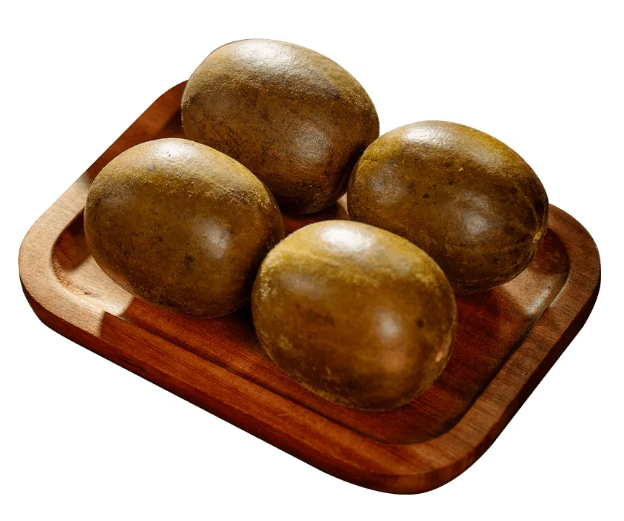
Monk fruit extract has moved from a niche natural sweetener to a mainstream sugar-reduction tool for beverage, dairy, bakery and nutrition brands. For product developers and procurement teams, the questions that matter are practical: what exactly is in the ingredient, how is it made, what do the mogroside percentages mean, is it safe, and how do you specify the right grade. This guide answers those questions from a formulation and sourcing perspective.
What Is Monk Fruit Extract?
Monk fruit extract is a concentrated sweetening ingredient produced from Siraitia grosvenorii, a small round fruit in the cucumber family that has been cultivated in southern China for centuries. The fruit is also known as luo han guo. While the fresh fruit contains natural sugars, commercial monk fruit extract is valued for a group of intensely sweet, non-caloric compounds called mogrosides, which are separated and concentrated during processing.
Regulatory bodies treat monk fruit extract as a well-established ingredient. In the United States, several monk fruit extract ingredients hold GRAS (Generally Recognized as Safe) status for use as sweeteners and flavor enhancers, and the U.S. Food and Drug Administration lists monk fruit extract among the high-intensity sweeteners permitted in food.
Monk fruit extract vs. monk fruit sweetener: not the same thing
Search data and retail shelves often mix these two terms, but for a buyer they describe different products. Monk fruit extract is the concentrated ingredient itself, typically sold as a powder standardized to a defined mogroside content. Monk fruit sweetener is usually a finished, consumer-ready product in which a small amount of monk fruit extract is blended with a bulking agent such as erythritol, allulose or dextrose so it can replace sugar spoon-for-spoon.
The distinction matters commercially. A retail monk fruit sweetener may contain less than 1% actual extract, while an industrial buyer sourcing the extract itself cares about mogroside assay, sweetness intensity, solubility and carrier-free purity. This article focuses on the extract as a B2B ingredient.
Why monk fruit products are not interchangeable
Two powders both labeled “monk fruit extract” can behave very differently in a formula. Grades vary by mogroside V content (commonly 20% to 55%), by residual fruit solids, by color and flavor cleanliness, and by whether a carrier was used during drying. A 20% Mogroside V grade and a 50% grade differ not only in sweetness intensity but also in use level, cost-in-use and flavor profile. Any comparison between suppliers should start from the standardized assay, not the product name.
Mogrosides and Sweetness: What Mogroside V Percentage Tells a Buyer
The sweetness of monk fruit comes from mogrosides, a family of cucurbitane-type triterpene glycosides. Mogroside V is the most abundant and the sweetest of them, which is why it is used as the standardization marker for commercial extracts. According to the FDA’s overview of high-intensity sweeteners, monk fruit extracts are approximately 100 to 250 times sweeter than sucrose, depending on mogroside content.
For procurement, the Mogroside V percentage on a specification sheet answers three questions at once:
- Sweetness intensity and use level. Higher Mogroside V means more sweetness per gram and a lower inclusion rate in the finished product.
- Flavor cleanliness. Higher-purity grades generally carry less of the fruity, slightly licorice-like background note of the raw fruit.
- Cost-in-use. A 50% grade costs more per kilogram but often less per unit of sweetness delivered. Always compare quotes on a sweetness-equivalent basis.
Mogrosides are also the reason monk fruit extract contributes essentially no usable calories: the human body does not metabolize them the way it metabolizes sucrose, which is why the extract sweetens without adding sugar to a nutrition panel.
How Is Monk Fruit Extract Made?
Commercial processes vary by manufacturer and grade, but production generally begins with selected monk fruit. The fruit is cleaned and crushed so its water-soluble components can be extracted. The liquid is then filtered to remove insoluble material. Additional separation and purification steps concentrate the desired mogrosides while reducing unwanted color, flavor and other fruit components. The refined liquid can then be concentrated and dried into powder.
- Raw-fruit identification and quality screening
- Cleaning, crushing or size reduction
- Water extraction of soluble fruit components
- Filtration and removal of suspended solids
- Purification and concentration of mogrosides
- Concentration of the refined extract
- Drying and powder standardization
- Analytical, microbiological and contaminant testing
Processing details affect color, taste, solubility and residual composition. A professional specification should identify the active-marker basis, test method and any carrier used to standardize or dry the powder. A capable supplier should provide the applicable specification and batch documentation for the selected grade rather than relying on a generic extraction description.
Monk Fruit Extract Benefits for Product Formulation
The commercial case for monk fruit extract rests on four functional benefits that matter in development and marketing.
High sweetness at a low use level
Because mogrosides activate sweet-taste receptors at very low concentrations, typical inclusion rates are measured in fractions of a percent. That leaves room in the formula for functional ingredients and keeps cost-in-use competitive with other high-intensity sweeteners.
Supports added-sugar reduction
Monk fruit extract allows brands to cut added sugar while keeping a plant-derived ingredient list. It contributes no digestible sugar, which supports “no added sugar,” reduced-sugar and low-calorie positioning across beverages, dairy, bakery and nutrition products.
Works in blended sweetener systems
Monk fruit extract is rarely used alone. It blends well with erythritol, allulose, stevia and soluble fibers, where it rounds off bitterness and improves the overall sweetness curve. For formulators, this synergy is one of its biggest practical benefits: small adjustments in the blend ratio can meaningfully improve taste without reformulating the whole product.
Plant-derived ingredient positioning
As a fruit-derived sweetener with a long history of traditional use, monk fruit extract fits clean-label and plant-based brand narratives better than synthetic high-intensity sweeteners. A review in Frontiers in Pharmacology documents the fruit’s centuries-long use as a traditional food-medicine in China, a heritage story many brands find useful.
Does monk fruit extract raise blood sugar?
No. Monk fruit extract contains no digestible sugar, and its sweetness comes from mogrosides, which are not metabolized like glucose or sucrose. Research suggests the metabolic picture may be even more favorable: a cell study published on PubMed found that mogroside V stimulated insulin secretion in pancreatic beta cells, and the authors described monk fruit extract as a natural sweetener with a low glycemic index. For formulators targeting diabetic-friendly, keto or low-glycemic products, monk fruit extract sweetens without raising blood glucose — one reason it appears in so many blood-sugar-conscious product lines.
Monk Fruit Extract Side Effects: Is Monk Fruit Extract Bad for You?
Searches for “monk fruit extract side effects” and “is monk fruit extract bad for you” have grown sharply, and they deserve a direct answer: for the pure extract itself, published toxicology data and regulatory reviews show no meaningful pattern of adverse effects at normal food use levels. Most negative experiences reported online trace back to blended sweetener products, not the extract.
Why do some people avoid monk fruit?
People who say they avoid monk fruit usually cite one of four reasons:
- Digestive discomfort from blends. Most retail monk fruit sweeteners are bulked with erythritol, a sugar alcohol that can cause bloating or laxative effects at high intakes. The discomfort comes from the erythritol, not the monk fruit extract.
- Taste. Some consumers perceive a lingering aftertaste, particularly with lower-purity grades.
- Price. Monk fruit extract is more expensive than many sweeteners, which limits it in price-sensitive applications.
- Unfamiliarity. As a newer sweetener in Western markets, it lacks the decades of consumer familiarity that sugar and even stevia enjoy.
What the safety evidence actually says
The published toxicology record is reassuring. A comprehensive review of Siraitia grosvenorii on PubMed Central summarizes 90-day feeding studies in dogs at 3,000 mg/kg body weight per day and rat studies with a no-observed-adverse-effect level above 7 g/kg per day, with no organ or systemic toxicity and no genotoxic effect in Ames testing. A 2022 review in Molecules similarly describes mogrosides as essentially nontoxic in acute and 13-week repeated-dose studies. In the United States, monk fruit extract ingredients hold GRAS status for general food use, including for the general population.
Allergic reactions are theoretically possible in people sensitive to plants in the cucumber family, but documented cases are extremely rare. There is no established evidence that pure monk fruit extract causes headaches, hormonal effects or gut damage at normal use levels.
Side effects usually come from the blend, not the extract
This distinction matters for product developers. When consumers report digestive issues with “monk fruit,” the culprit is almost always the bulking agent in the finished sweetener. Brands that want the flavor and marketing benefits of monk fruit without polyol-related complaints increasingly specify monk fruit extract without erythritol and build their own bulking systems with gentler carriers such as allulose or soluble fiber.
Pure Monk Fruit Extract vs. Blends: With or Without Erythritol
Pure monk fruit extract is a high-intensity ingredient: a few hundred milligrams sweeten an entire serving, which is why it is sold by assay rather than by household measure. Retail “monk fruit” products are blends engineered to measure like sugar, and erythritol is the most common bulking agent because it is cheap, non-caloric and crystallizes well.
For B2B buyers, the choice is not which product is “better” but which role each plays:
- Pure extract suits manufacturers who formulate their own sweetener systems and want full control over carriers, sweetness curves and label claims.
- Pre-made blends suit brands that want a drop-in sugar replacement with minimal R&D, accepting the erythritol content that comes with it.
Reading the ingredient specification correctly — Mogroside V assay, carrier declaration, moisture, mesh size and residual solvents — is what separates a reliable purchase from a reformulation headache. Our companion guide, Pure Monk Fruit Extract: How to Read the Ingredient Specification, walks through every line of a typical spec sheet.
Monk Fruit Extract vs. Stevia
Monk fruit extract and stevia are the two dominant plant-derived high-intensity sweeteners, and buyers routinely evaluate them side by side. The practical differences:
- Taste profile. Stevia’s steviol glycosides carry a well-known bitter, licorice-like note at higher use levels. Monk fruit extract is generally perceived as cleaner and closer to sucrose, especially at Mogroside V 40% and above.
- Sweetness curve. Both have a slower onset and longer linger than sugar; monk fruit’s linger is usually described as fruity rather than bitter.
- Cost and supply. Stevia is cheaper and produced at much larger global scale. Monk fruit remains a premium-positioned sweetener, which suits premium-positioned products.
- Synergy. The two blend well — monk fruit masks stevia’s bitterness, and many commercial sweetener systems use exactly this pairing.
For a deeper formulation-level comparison, see Monk Fruit vs Stevia: Taste, Sweetness and Formulation.
Monk Fruit Extract Powder: Forms, Grades and Specifications
Industrial monk fruit extract is supplied almost exclusively as a free-flowing powder. The variables that define a grade:
- Mogroside V assay — the primary standardization marker, commonly 20%, 25%, 40%, 50% or 55%.
- Appearance and flavor — higher-purity grades trend toward white or off-white powder with a cleaner taste; lower grades are more yellow with more fruit character.
- Solubility — good grades dissolve clearly in water, which matters for beverage applications.
- Carrier status — whether the powder is 100% extract or standardized with a drying carrier; this must be declared on the specification.
- Documentation — COA per batch, plus microbiological, heavy-metal and pesticide-residue testing.
Green Life Herb supplies monk fruit extract powder standardized to Mogroside V 20%–50% for different sweetness and sensory requirements.
Organic monk fruit extract and certification requirements
Demand for organic monk fruit extract is growing, particularly from North American and European brands building certified-organic product lines. If organic positioning matters to your product, confirm three things with the supplier before ordering: valid organic certification covering the extract itself (not only the raw fruit), the certifying body and scope, and whether the certificate supports your target market’s regime (such as USDA NOP or EU organic). Certification status should be verifiable document by document, not taken from a brochure.
Heat and pH Stability
Mogrosides are notably stable. Monk fruit extract retains its sweetness through typical beverage pasteurization, UHT treatment and bakery oven temperatures, and it performs across a wide pH range, including the acidic conditions of carbonated drinks and fruit-based products (roughly pH 3 and below). Unlike some sweeteners that degrade under acid or heat, monk fruit extract does not hydrolyze into off-flavored byproducts during normal processing or shelf life. This stability is a major reason it is favored for ready-to-drink beverages, where the sweetener must survive both thermal processing and months of ambient storage.
Food and Beverage Applications
Monk fruit extract is used anywhere sugar reduction meets clean-label positioning. The main application areas:
Beverages
Flavored waters, juices, teas, sports and energy drinks, and ready-to-drink coffee. Major energy-drink brands have adopted monk fruit extract in zero-sugar lines, proving its stability and consumer acceptance at scale. Its heat and acid stability make it one of the most reliable natural sweeteners for bottled and canned drinks.
Dairy and plant-based products
Yogurts, flavored milks, ice cream and plant-based alternatives, where it reduces added sugar without the digestive-tolerance concerns of polyol-heavy systems.
Bakery and cereal products
Cookies, bars, granolas and cereals. Because monk fruit provides sweetness without bulk, recipes need bulking support from fibers, allulose or sugar alcohols — an important formulation consideration, not a defect.
Confectionery and chocolate
Sugar-free and keto chocolate is one of the fastest-growing uses of monk fruit extract, usually in combination with erythritol or allulose for bulk and texture.
Keto, low-carb and functional nutrition
Monk fruit extract contributes no digestible carbohydrate, making it a default sweetener for keto-certified, low-glycemic and diabetic-friendly products, including protein powders, meal replacements and supplement gummies.
Liquid formats
Beyond powder, monk fruit appears in liquid sweetener concentrates and syrup-style systems for beverage dispensing and foodservice, where instant dissolution and pump-able dosing matter.
Sauces and tabletop
Reduced-sugar ketchups, dressings and marinades, plus tabletop sweetener sachets and spoonable blends for retail.
How to Choose a Monk Fruit Extract Supplier
For brands asking where to buy monk fruit extract at commercial scale, the answer increasingly is: directly from a qualified manufacturer rather than through layers of traders. Evaluate suppliers on:
- Standardization discipline. Every batch should ship with a COA stating Mogroside V assay by a named test method, plus moisture, ash, heavy metals, pesticides and microbiology.
- Process control. Ask how the extract is purified and dried, and whether any carrier is used. The answer reveals how much the supplier actually controls.
- Certifications. Depending on your market: ISO, HACCP, organic, kosher, halal.
- Sampling and technical support. A serious supplier provides working samples, application guidance and consistent communication on specifications.
- Supply continuity. Monk fruit is an agricultural crop concentrated in one growing region; suppliers with direct raw-material relationships and inventory programs (including overseas warehouse stock) de-risk your supply chain.
Need Monk Fruit Extract Powder for Product Development?
Explore Green Life Herb’s Mogroside V 20%–50% monk fruit extract powder, or contact our team to request a specification, batch COA, sample and bulk quotation.
Frequently Asked Questions
It is made by water extraction of monk fruit (Siraitia grosvenorii), followed by filtration, purification and drying into a powder standardized for mogroside content.
No. Monk fruit extract is the concentrated ingredient. Monk fruit sweetener is usually a retail blend of a small amount of extract with a bulking agent such as erythritol.
Yes. Monk fruit extract holds GRAS status in the United States, and published toxicology studies — including 90-day feeding trials — show no organ or systemic toxicity and no genotoxicity at doses far above normal food use levels.
Pure monk fruit extract has no established pattern of side effects at normal use levels. Digestive complaints linked to “monk fruit” products almost always come from erythritol or other sugar alcohols in blended sweeteners.
No credible evidence says so. Regulatory review and animal toxicology data support its safety, and it has been consumed in China for centuries. As with any ingredient, quality depends on sourcing a properly tested, standardized grade.
No. Its sweetness comes from mogrosides, which are not metabolized like sugar, so it does not raise blood glucose — making it suitable for diabetic-friendly and low-glycemic formulations.
GRAS determinations for monk fruit extract cover the general population, and no specific pregnancy-related risk has been identified in the literature. That said, formal pregnancy-specific studies are limited, so pregnant consumers with concerns should consult their physician — a reasonable position for any food ingredient.
Pure monk fruit extract contains no erythritol. Erythritol appears only in blended retail sweeteners as a bulking agent. Buyers who need erythritol-free material should specify pure extract by Mogroside V assay.
Depending on mogroside content, monk fruit extract is roughly 100 to 250 times sweeter than sucrose, according to the FDA.
It provides sweetness without calories, digestible carbohydrate or glycemic impact, which makes it a useful tool for sugar reduction. It is an ingredient choice, not a health product in itself.
Neither is universally better. Monk fruit generally tastes cleaner with less bitterness; stevia is cheaper and more widely available. Many formulators blend the two for the best balance of taste and cost.
Pure extract cannot — it is hundreds of times sweeter than sugar and provides no bulk. One-to-one replacement requires a blended sweetener or a custom system with bulking ingredients.
Mogroside V assay with test method, appearance, moisture, ash, solubility, heavy metals, pesticide residues, microbiological limits, and any carrier used in standardization.
References
- U.S. Food and Drug Administration — Aspartame and Other Sweeteners in Food
- The Fruits of Siraitia grosvenorii: A Review of a Chinese Food-Medicine — Frontiers in Pharmacology (PMC)
- A Review of the Phytochemistry and Pharmacology of the Fruit of Siraitia grosvenorii (Swingle) — Molecules (PMC)
- Insulin Secretion Stimulating Effects of Mogroside V and Fruit Extract of Luo Han Kuo — PubMed
This article is intended for ingredient and formulation education. It is not medical advice and does not establish that a particular finished product complies with the regulations of any market.
Looking for Premium Plant Extracts?
Green Life Herb supplies 280+ botanical extracts with ISO/HALAL/Kosher certifications.
Custom specifications and sample orders available.


