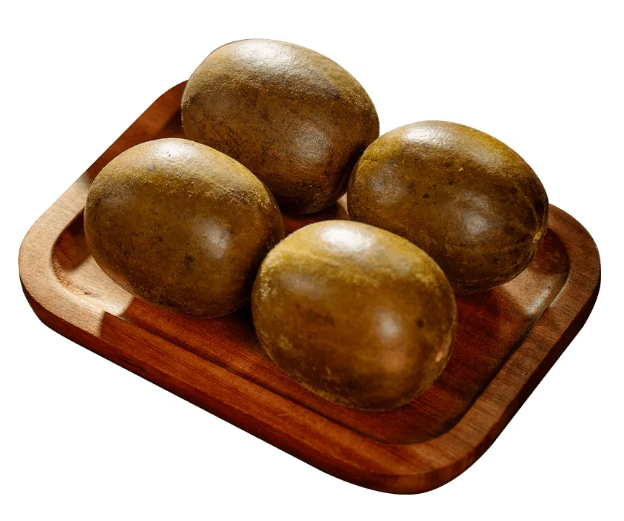
For many food and beverage brands, the phrase “monk fruit extract without erythritol” is no longer just a consumer label claim. It is becoming a real sourcing question.
Buyers want to know whether they are purchasing a concentrated botanical extract, a retail sweetener blend, a powder with carriers, or a finished sugar-replacement system. These products may all appear under similar names, but they behave very differently in formulation.
At Green Life Herb, we supply monk fruit extract powder for B2B applications, with specifications including Mogroside V 20%–50%. This article explains what “without erythritol” really means, when it matters, and how to evaluate monk fruit extract specifications before requesting samples or quotations.
For a broader overview, see our complete guide to monk fruit extract: What Is Monk Fruit Extract? Benefits, Safety, Uses and Formulation Guide.
What Does “Monk Fruit Extract Without Erythritol” Mean?
“Monk fruit extract without erythritol” usually means the product does not contain erythritol as a bulking agent, sweetener carrier, or blending ingredient.
However, this phrase can refer to several different product types:
A standardized monk fruit extract powder with Mogroside V as the key sweet compound.
A monk fruit extract carried on another ingredient, such as maltodextrin or soluble fiber.
A liquid monk fruit sweetener using water, glycerin, or other carriers.
A retail tabletop sweetener blend that uses monk fruit extract but excludes erythritol.
For B2B buyers, the most important question is not only “does it contain erythritol?” but also “what else is in the ingredient statement?”
A product can be erythritol-free and still not be a pure standardized extract. It may contain carriers, anti-caking agents, natural flavors, fibers, or other sweeteners. That is why specifications, COA documents, and ingredient declarations matter.
If you are evaluating concentrated extract grades, our related article explains how to read purity, carrier, and assay information: Pure Monk Fruit Extract: How to Read the Ingredient Specification.
Monk Fruit Extract vs Monk Fruit Sweetener Blends
Monk fruit extract and monk fruit sweetener blends are often confused, but they are not the same.
Monk fruit extract is usually a concentrated ingredient derived from Siraitia grosvenorii, also known as Luo Han Guo. Its sweetness mainly comes from mogrosides, especially Mogroside V.
Monk fruit sweetener blends are finished or semi-finished sweetening systems. They often combine a small amount of monk fruit extract with bulk ingredients such as erythritol, allulose, inulin, maltodextrin, dextrose, or other sweeteners.
Why Sweetener Blends Often Use Erythritol
Erythritol is commonly used because monk fruit extract is highly concentrated. A small amount of monk fruit extract can provide strong sweetness, but it does not replace the bulk, volume, or mouthfeel of sugar.
Erythritol helps provide:
- Bulk similar to sugar
- Crystalline appearance
- Better spoon-for-spoon usage in retail products
- Improved mouthfeel in tabletop sweeteners
- Lower calorie contribution compared with sucrose
This is useful in retail sweeteners, but it may not be suitable for every formulation or label strategy.
Why Some Brands Want Monk Fruit Extract Without Erythritol
Brands may request monk fruit extract without erythritol for several reasons:
- Cleaner ingredient positioning
- Avoiding sugar alcohol labeling concerns
- Reducing digestive-tolerance complaints linked to polyols
- Building custom sweetener systems in-house
- Creating beverage, supplement, or powdered formula applications where erythritol is not needed
- Meeting customer requests for “no erythritol” products
For manufacturers, erythritol-free monk fruit extract gives more formulation control. Instead of buying a pre-diluted sweetener blend, the formulator can decide which bulking agent, flavor masker, acid system, or sweetener combination works best.
Is Erythritol Bad? A Balanced View for Buyers
Erythritol should not be described as universally bad. It is a sugar alcohol widely used in foods and beverages. Many formulations use it successfully.
The practical issue is that erythritol may not fit every product concept, dosage level, consumer group, or label claim.
Scientific reviews have reported that erythritol is generally better tolerated than some other sugar alcohols, although tolerance can depend on dose and individual sensitivity. For example, this review on sugar alcohols discusses gastrointestinal tolerance and notes that large doses may affect some consumers.
There has also been public discussion around erythritol and cardiovascular risk after a 2023 Nature Medicine paper reported associations between higher blood erythritol levels and major cardiovascular events. The study does not prove that erythritol-containing foods directly cause these outcomes, but it has increased consumer and brand attention. For a careful summary, see the NIH article on erythritol and cardiovascular events.
For B2B product development, the sensible takeaway is simple: erythritol can be useful, but brands should choose it intentionally rather than assuming every monk fruit ingredient should contain it.
Why Monk Fruit Extract Can Work Without Erythritol
Monk fruit extract does not need erythritol to taste sweet. The sweetness comes primarily from mogrosides.
According to the FDA, Siraitia grosvenorii fruit extract, depending on mogroside content, is reported to be about 100 to 250 times sweeter than sugar. The FDA also notes that it has evaluated GRAS notices for monk fruit extract and has not questioned specific GRAS conclusions under the intended conditions of use. See the FDA page on aspartame and other sweeteners in food.
This high sweetness intensity means a standardized monk fruit extract powder can be used at relatively low levels. For industrial use, this is often an advantage. It allows product developers to build sweetness while controlling calories, sugar reduction, ingredient declarations, and flavor balance.
Mogroside V Matters
Mogroside V is one of the most important sweet-tasting compounds in monk fruit extract. A higher Mogroside V specification generally means stronger sweetness and lower use level, though final taste also depends on the full mogroside profile, matrix, pH, processing, and other ingredients.
Green Life Herb supplies monk fruit extract powder with Mogroside V 20%–50%, suitable for B2B customers who need defined specifications for product development, sampling, and purchasing evaluation.
Green Life Herb Monk Fruit Extract Powder for Erythritol-Free Product Development
Green Life Herb supplies monk fruit extract powder for brands, contract manufacturers, and ingredient distributors seeking standardized botanical sweetener ingredients.
Our product focus includes:
- Product name: Monk Fruit Extract Powder
- Botanical source: Siraitia grosvenorii
- Key specification: Mogroside V 20%–50%
- Application direction: Food, beverage, supplement, and sweetener systems
- Buyer support: Specification review, sample discussion, COA request, and bulk quotation
If your brand is developing an erythritol-free sweetener concept, a concentrated monk fruit extract powder can give your R&D team more control than a finished retail blend.
View the product page here: Monk Fruit Extract Powder – Mogroside V 20%–50%.
- Compare high-intensity sweeteners: monk fruit vs stevia.
- Understand extract purity and specifications: pure monk fruit extract.
- Review evidence-based safety questions: monk fruit extract side effects and safety.
- Request ingredient details: monk fruit extract powder.
FAQ
It is usually a monk fruit extract or monk fruit sweetener product that does not use erythritol as a carrier, bulking agent, or blending sweetener. Buyers should still check the full ingredient statement because the product may contain other carriers or blending ingredients.
Yes. Monk fruit extract is naturally sweet because it contains mogrosides, especially Mogroside V. Erythritol is often added for bulk or texture, not because monk fruit extract requires it to taste sweet.
Not always. “Without erythritol” only means erythritol is not included. It does not automatically mean the product is carrier-free, additive-free, or 100% pure extract. Review the specification and ingredient declaration.
Because monk fruit extract is very concentrated. Erythritol helps create bulk, spoonable texture, and a sugar-like appearance in retail sweetener blends.
It can replace sweetness, but not all functions of sugar. Sugar also affects bulk, browning, moisture, texture, freezing point, and mouthfeel. In many foods, monk fruit extract must be combined with other formulation tools.
Buyers should request Mogroside V content, HPLC test method, full ingredient composition, COA, microbiological limits, heavy metals, pesticide residue status, solubility, particle size, shelf life, and storage conditions.
Green Life Herb supplies monk fruit extract powder with Mogroside V 20%–50% for B2B formulation and sourcing. Buyers can request specification details, COA, samples, and quotation through the product page.
You can review Green Life Herb’s Monk Fruit Extract Powder – Mogroside V 20%–50% product page and contact us for sample evaluation, specification confirmation, or bulk pricing.
Looking for Premium Plant Extracts?
Green Life Herb supplies 280+ botanical extracts with ISO/HALAL/Kosher certifications.
Custom specifications and sample orders available.