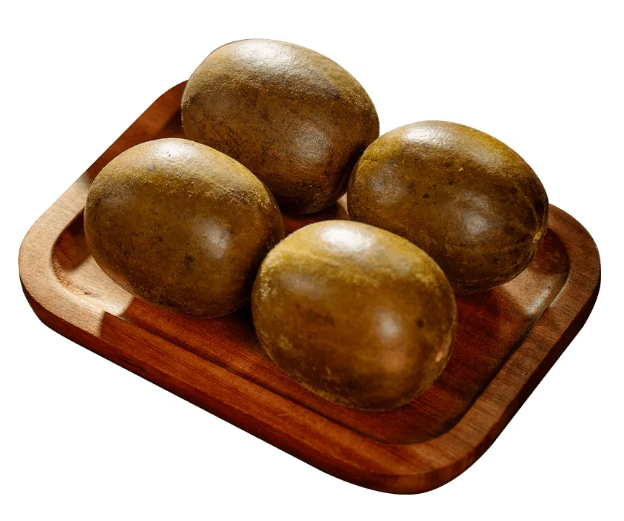
Monk fruit and erythritol often appear together in sugar-free or reduced-sugar products, but they do very different jobs in a formula.
Monk fruit extract is a high-intensity botanical sweetener. It provides strong sweetness at a very low use level. Erythritol is a sugar alcohol that helps provide bulk, texture and a more sugar-like format.
For food, beverage and supplement brands, the real question is not simply “monk fruit vs erythritol, which is better?” A better question is: what function does your product need?
If you need sweetness with very low usage, monk fruit extract may be the better starting point. If you need volume, crystallinity or spoonable texture, erythritol may help. If your brand wants a sugar-alcohol-free label, you may prefer monk fruit extract without erythritol.
This article explains the difference from a formulation and sourcing perspective, and how Green Life Herb Monk Fruit Extract Powder, standardized to Mogroside V 20%–50%, can support product development.
For a broader ingredient overview, read: What Is Monk Fruit Extract? Benefits, Safety, Uses and Formulation Guide.
Monk Fruit and Erythritol Are Not the Same Type of Sweetener
Monk fruit extract comes from Siraitia grosvenorii, also known as Luo Han Guo. Its sweetness mainly comes from mogrosides, especially Mogroside V.
Erythritol is a sugar alcohol, also called a polyol. It is usually produced by fermentation and is used in many sugar-free foods because it gives bulk and mild sweetness.
That difference matters. Monk fruit extract mainly solves a sweetness problem. Erythritol mainly solves a bulk and texture problem.
Side-by-Side Comparison
| Item | Monk Fruit Extract | Erythritol |
|---|---|---|
| Ingredient type | Botanical high-intensity sweetener | Sugar alcohol / polyol |
| Main role | Strong sweetness | Bulk, texture and mild sweetness |
| Sweetness level | Around 100–250 times sweeter than sugar, depending on mogroside content | About 60–70% as sweet as sugar |
| Typical use level | Very low | Much higher |
| Adds bulk | No | Yes |
| Taste profile | Sweet, sometimes fruity or lingering depending on grade | Mild sweetness with cooling effect |
| Common use | Beverages, supplements, sauces, dairy alternatives, sweetener systems | Tabletop sweeteners, chocolate, gum, confectionery, bakery |
| Key buying point | Mogroside V content, HPLC method, carrier status | Particle size, purity, cooling effect, digestive tolerance |
| Best fit | Sweetness adjustment and sugar reduction | Sugar-like volume and dry blend structure |
The FDA describes monk fruit extract as a high-intensity sweetener and notes that Siraitia grosvenorii fruit extract may be about 100 to 250 times sweeter than sugar, depending on mogroside content. You can reference the FDA page on monk fruit and other high-intensity sweeteners.
Why Brands Often Use Monk Fruit and Erythritol Together
Many retail monk fruit sweeteners are not pure monk fruit extract. They are blends.
The reason is practical. Monk fruit extract is very concentrated. If a brand wants a tabletop sweetener that consumers can spoon like sugar, the formula needs bulk. Erythritol can provide that bulk.
In a typical blend, monk fruit extract contributes the sweetness. Erythritol contributes volume, texture and crystalline appearance.
This combination works well for some tabletop sweeteners and dry blends. But it is not always the best choice for beverages, supplements, sauces or brands that want to avoid sugar alcohols.
For this reason, buyers should always check whether they are purchasing a standardized extract or a finished sweetener blend. Our article on pure monk fruit extract explains how to read specifications, carrier information and COA documents.
Taste Differences in Real Formulas
Taste is one of the biggest reasons buyers compare monk fruit vs erythritol.
Monk fruit extract can deliver strong sweetness with a slightly fruity or lingering finish. The taste depends on the extract grade, Mogroside V level, dosage and the final product matrix.
Erythritol has a milder sweetness and is often described as clean, but it can create a cooling sensation. This cooling effect can be useful in mint, gum, chocolate or some confectionery products. It may be less suitable in warm beverages, sauces, bakery fillings or formulas where cooling does not match the flavor profile.
For taste development, do not evaluate either ingredient only in water. Test it in the final application, with the real acid system, flavor, protein, fat, minerals or botanical ingredients.
Which One Works Better by Application?
Beverages
Monk fruit extract is often a better fit for beverages because it provides sweetness at low dosage without adding much solid content.
It can be used in functional drinks, tea beverages, flavored water, electrolyte drinks, powdered drink mixes, plant-based drinks and protein beverages.
Erythritol can be used in some drinks, but higher levels may affect mouthfeel and create a cooling note. For many beverage brands, monk fruit extract gives more flexibility.
Dietary Supplements
For protein powders, collagen powders, greens powders, fiber blends and sachet products, monk fruit extract is often useful because it takes up very little formula space.
Supplement brands may prefer monk fruit extract when they want low use level, sugar reduction, botanical sweetener positioning, no sugar alcohol claim and flexible flavor masking.
In these products, the main work is balancing sweetness, bitterness, solubility and aftertaste.
Tabletop Sweeteners
Erythritol can be useful in tabletop sweeteners because consumers expect volume. Pure monk fruit extract is too concentrated to use spoon-for-spoon unless it is diluted or blended.
For this category, monk fruit and erythritol often work together.
Bakery
Bakery is more complex. Sugar does more than sweeten. It supports browning, spread, moisture, structure and texture.
Monk fruit extract can help reduce sugar, but it cannot replace all sugar functions by itself. Erythritol may add some bulk, but formulators may still need fibers, starches, proteins, allulose, gums or other texture systems.
Sauces and Condiments
In sauces, condiments and dressings, monk fruit extract can be useful because sweetness is usually adjusted alongside acid, salt, spice and viscosity.
Applications may include BBQ sauce, ketchup, Asian-style sauces, salad dressings, marinades and reduced-sugar syrups.
Erythritol may be less suitable in some sauces if cooling or crystallization affects the finished product.
Why Some Brands Avoid Erythritol
Erythritol is widely used, but not every brand wants it in the formula.
Common reasons include sugar-alcohol-free label positioning, consumer concern around digestive tolerance, avoiding cooling sensation, cleaner ingredient declaration, beverage or supplement formulas that do not need bulk, retailer preference, and recent consumer questions about erythritol research.
A review on gastrointestinal tolerance of sugar alcohols notes that erythritol is generally better tolerated than some other polyols, but high intake may still cause symptoms in some people.
Erythritol has also received more attention after research discussed associations between higher blood erythritol levels and cardiovascular events. The NIH summary on erythritol and cardiovascular events explains the findings while also making clear that association does not prove direct causation from erythritol-containing foods.
For brands, the practical point is not panic. It is product positioning. Some formulas can use erythritol well. Others may be better served by an erythritol-free monk fruit extract approach.
For more detail, see our article: monk fruit extract without erythritol.
When Monk Fruit Extract Is the Better Starting Point
Choose monk fruit extract when your product needs strong sweetness but not extra bulk.
It is often a better starting point for beverages, supplement powders, liquid concentrates, sauces, dairy alternatives, botanical blends, low-sugar flavor systems and products with sugar-alcohol-free positioning.
For B2B purchasing, look closely at Mogroside V content, testing method, solubility, carrier status and COA consistency.
Green Life Herb supplies Monk Fruit Extract Powder – Mogroside V 20%–50% for manufacturers, brand owners and ingredient distributors developing reduced-sugar products.
When Erythritol May Still Be Useful
Erythritol can still be useful when the product needs physical structure.
It may be a good option for tabletop sweetener blends, chocolate, confectionery, chewing gum, dry mix products, bakery systems needing bulk and sugar-like crystalline texture.
In these cases, erythritol and monk fruit extract are not really competitors. They are complementary ingredients.
When to Avoid Erythritol in a Monk Fruit Formula
An erythritol-free monk fruit extract may be more suitable when the brand wants a “no erythritol” label, sugar-alcohol-free formulation, lower risk of polyol-related digestive complaints, cleaner ingredient declaration, more flexible B2B formulation control, or beverage, supplement and sauce applications where bulk is not required.
For a deeper explanation, read: Monk Fruit Extract Without Erythritol: Extract vs Sweetener Blends.
Buyer Checklist Before Choosing a Sweetener System
Before deciding between monk fruit extract, erythritol or a blend, ask these questions:
- Does the formula need sweetness only, or also bulk?
- Is sugar-alcohol-free positioning important?
- Will the cooling effect of erythritol help or hurt the flavor?
- What is the target serving size?
- Will consumers use the product multiple times per day?
- Does the product need a spoonable format?
- Is the monk fruit extract standardized by Mogroside V?
- Does the supplier provide HPLC testing?
- Is the full ingredient statement clear?
- Can the supplier provide COA, sample and technical discussion?
This step is important because “monk fruit sweetener” on a label can mean many things. It may be a concentrated extract, a carrier-based powder or a finished sweetener blend.
Green Life Herb Monk Fruit Extract Powder for Product Development
Green Life Herb is a botanical extract manufacturer supplying monk fruit extract powder for B2B applications.
Our Monk Fruit Extract Powder is standardized to Mogroside V 20%–50%, making it suitable for brands that need defined extract grades for formulation testing.
It can be considered for reduced-sugar beverages, functional drinks, protein powders, meal replacement powders, plant-based dairy products, sauces, condiments, sweetener systems and erythritol-free product concepts.
If your team is comparing monk fruit vs erythritol, we recommend testing monk fruit extract in your real formula, not only in a simple water solution. Sweetness curve, aftertaste, solubility and flavor balance should all be checked in the final application.
You can review the ingredient here: monk fruit extract powder.
Related Reading
For a broader ingredient overview, visit: What Is Monk Fruit Extract? Benefits, Safety, Uses and Formulation Guide.
For another sweetener comparison, read: monk fruit vs stevia.
For specification and sourcing details, read: pure monk fruit extract.
For safety and side effect questions, read: monk fruit extract side effects and safety.
For sugar-alcohol-free product positioning, read: monk fruit extract without erythritol.
FAQ
No. Monk fruit extract is a botanical high-intensity sweetener. Erythritol is a sugar alcohol used mainly for bulk, texture and mild sweetness.
Because monk fruit extract is very concentrated. Erythritol adds volume and helps make the final sweetener easier to scoop, measure and use like sugar.
Monk fruit extract is much sweeter. Depending on mogroside content, it may be about 100 to 250 times sweeter than sugar. Erythritol is less sweet than sugar.
Yes. Monk fruit extract does not need erythritol to taste sweet. Erythritol is added mainly for bulk and texture.
Monk fruit extract is often more suitable for beverages because it provides sweetness at low use levels without adding much solid content.
A blend of monk fruit extract and erythritol is often used for tabletop sweeteners because erythritol provides spoonable volume.
Erythritol is generally better tolerated than some other sugar alcohols, but high intake may still cause digestive discomfort in some consumers.
Yes. Green Life Herb supplies Monk Fruit Extract Powder with Mogroside V 20%–50% for B2B formulation and bulk ingredient sourcing.
Buyers should check Mogroside V content, HPLC method, ingredient composition, carrier status, COA, microbiological limits, heavy metals, pesticide residue information, solubility and sample performance.
Looking for Premium Plant Extracts?
Green Life Herb supplies 280+ botanical extracts with ISO/HALAL/Kosher certifications.
Custom specifications and sample orders available.