Introduction / What Is Echinacea Extract?
In a world where seasonal challenges and environmental stressors can compromise wellness at any time, the demand for science-validated, plant-based ingredients has never been higher. Echinacea extract stands out as one of nature’s most rigorously studied botanical ingredients — bridging over four centuries of traditional use with a rapidly expanding body of modern clinical evidence.
Echinacea (Echinacea purpurea, E. angustifolia, and E. pallida) is a vibrant wildflower native to the grasslands of North America, recognized by its distinctive pink-purple petals and cone-shaped center. Extracts are derived from the plant’s aerial parts — roots, leaves, and flowers — depending on the intended application. Indigenous communities used it for centuries to prevent infections, treat snakebites, sore throats, and wounds. By the 19th century, it had gained widespread popularity in Europe as an immune booster and “blood purifier.” Today, echinacea extract is a globally recognized ingredient appearing in dietary supplements, functional foods, cosmeceuticals, and veterinary products.
Modern science has confirmed what traditional healers long understood: echinacea’s therapeutic power derives from a sophisticated phytochemical profile, including phenolic compounds, cichoric acid (chicoric acid), alkamides (alkylamides), and polysaccharides. These compounds act synergistically across multiple biological pathways, making echinacea extract a uniquely versatile raw material for product formulators across industries.
With over 500 published global studies, echinacea extract holds GRAS (Generally Recognized As Safe) status in the United States and is approved for use in dietary supplements in the EU, Canada, and Australia. It is listed in China’s Health Food Catalog and the EU EFSA safety framework, offering formulators a well-supported regulatory pathway in major markets.
Key Active Compounds
Echinacea extract’s value lies in its complex phytochemical composition. Three core active compound classes — chicoric acid, polysaccharides, and alkamides — form what researchers describe as a “golden triangle,” delivering multi-target biological effects that underpin the extract’s diverse applications.
Chicoric Acid (Cichoric Acid)
Chicoric acid is a caffeic acid derivative and one of the most potent antioxidant compounds found in echinacea. Research published in the Journal of Natural Products (2021) demonstrates that chicoric acid exhibits antioxidant activity approximately five times stronger than vitamin C. Its mechanism involves activation of the Nrf2 pathway, which upregulates key antioxidant enzymes — superoxide dismutase (SOD) and glutathione peroxidase (GSH-Px) — resulting in inhibition of up to 60% of free radicals (University of Munich, 2020).
Beyond antioxidant protection, chicoric acid plays a direct role in antiviral defense. Studies at McGill University (2021) confirmed that chicoric acid inhibits H1N1 influenza virus with an EC50 of 12.5 μM by targeting the viral hemagglutinin (HA) protein and blocking membrane fusion — a mechanism detailed in Antiviral Research (2021). In the context of inflammation, chicoric acid selectively suppresses pro-inflammatory cytokines IL-6 and TNF-α by 40–60% while simultaneously increasing anti-inflammatory IL-10 by 28%, as reported in the Journal of Ethnopharmacology.
For cosmetic applications, a 2% concentration of chicoric acid has been shown to increase collagen synthesis by 35% (Cosmetics & Toiletries, 2022), and a 12-week clinical trial with 60 volunteers demonstrated a 28% improvement in skin brightness and a 22% reduction in fine lines from oxidative stress (Zhang et al., Journal of Drugs in Dermatology, 2021). In anti-aging formulations, chicoric acid has delivered a 22% reduction in eye wrinkles (International Journal of Cosmetic Science, 2023).
Polysaccharides
Echinacea polysaccharides — primarily β-1,2-glucan structures — are the principal drivers of the plant’s immune-stimulating and anti-inflammatory properties. These large carbohydrate molecules stimulate white blood cell production, activate macrophages and natural killer (NK) cells, and physically interfere with viral entry by coating spike proteins on pathogens such as influenza and coronaviruses — blocking up to 82% of H1N1 flu virus cell entry, according to studies published in Virology Journal.
At the molecular level, polysaccharides modulate macrophage polarization and reduce IL-6 secretion by 55% via NF-κB inhibition (Kyoto University, 2019). In clinical oncology research, echinacea polysaccharide injection has been shown to increase CD4+ T lymphocyte counts by 25% in cancer patients (German EAGR, 2023). In wound-healing applications, a 10% polysaccharide gel was found to accelerate burn wound healing by 20% and reduce scarring. Polysaccharides are also EFSA-approved as a natural food preservative, capable of extending edible oil shelf life by 40%.
Alkamides (Alkylamides)
Alkamides — found primarily in echinacea roots — are lipophilic compounds that interact directly with the endocannabinoid system and T-cell receptor signaling pathways. They activate macrophage phagocytosis, enhance NK cell function, and down-regulate the NF-κB inflammatory signaling cascade. A 5% alkylamide extract formulation was shown in Phytomedicine (2020) to shorten cold duration by 1.8 days and reduce cold incidence by 42%. In a four-week NIH-verified study, alkamide-containing echinacea supplements increased salivary IgA (a key secretory immune antibody) by 40%. In cosmetics, alkamides have demonstrated a 60% reduction in histamine response in sensitive skin models (Sanofi France, 2022).
Additional bioactive compounds include echinacoside (a phenylethanoid glycoside with antioxidant and anti-inflammatory activity), rosmarinic acid, and caffeic acid, all of which contribute to the extract’s anxiolytic and broad-spectrum health-supporting profile.
Health Benefits
Immune System Support
Echinacea extract is perhaps best known for its immune-modulating properties — and the clinical evidence is extensive. A landmark meta-analysis of 14 clinical trials involving over 3,000 participants (Barrett et al., Cochrane Database of Systematic Reviews, 2020) found that echinacea supplementation reduced the risk of catching a cold by 35% and shortened cold duration by an average of 1.4 days. A separate 14-study review published in The Lancet confirmed the same 1.4-day reduction and demonstrated a 67% reduction in cold symptom severity as measured by the Jackson Cold Scale.
Other key clinical findings include:
- Daily 500 mg echinacea extract increased NK cell activity by 35% in 8 weeks and reduced upper respiratory infections by 42% versus placebo (Hudson et al., Immunity & Ageing, 2023).
- In a 2022 study with 100 adults, 400 mg daily supplements increased NK cell activity by 27% during flu season (Kim et al., Nutrients, 2022).
- Echinacea users report 2.5× fewer sick days than non-users (University of Connecticut meta-analysis).
- Pooled analysis of 82 studies confirmed a 42% lower cold incidence rate with echinacea use (Phytomedicine, 2020, 76: 153277).
- When taken within 24 hours of symptom onset and combined with zinc (400 mg echinacea + 15 mg zinc gluconate), recovery speed is reported to triple.
- Echinacea reduces the risk of developing a cold by up to 58% when taken preventively.
- A systematic review on cytokine-level effects of echinacea supplementation confirmed immune modulation (Aucoin et al., Metabol Open, September 2021).
Unlike conventional symptom-masking remedies, echinacea acts at the source — stimulating macrophage activity, increasing white blood cell production, and helping the body more effectively clear pathogenic viruses and bacteria. Importantly, it also helps regulate immune balance, preventing both overactive responses (implicated in autoimmune conditions) and underactive responses that increase infection risk.
Vaccine Adjuvant Effect
Emerging research positions echinacea as a natural vaccine adjuvant. Flu shot recipients who also took echinacea produced 36% more antibodies compared to those receiving the vaccine alone (Vaccine). In adults over 60, echinacea enhanced COVID-19 antibody response (Aging Clinical and Experimental Research). The proposed mechanism involves strengthening immune memory by activating T-helper cells.
Anti-Inflammatory Properties
Chronic inflammation is a root driver of numerous disease states, from arthritis to metabolic disorders. Echinacea’s chicoric acid and alkamides work synergistically to modulate the inflammatory cascade. Clinical data includes:
- Chicoric acid reduces pro-inflammatory cytokines IL-6 and TNF-α by 40–60% and increases IL-10 by 28% (Journal of Ethnopharmacology).
- Polysaccharides reduce IL-6 secretion by 55% via NF-κB inhibition (Kyoto University, 2019).
- Alkamides inhibit COX-2 inflammatory enzymes; a 2021 pilot trial with 30 mild arthritis patients taking 500 mg daily reported a 32% reduction in joint pain and improved mobility (Patel et al., Journal of Alternative and Complementary Medicine, 2021).
- Echinacea reduces exercise-induced muscle soreness by 23% in athletes (European Journal of Sport Science).
- Flavonoids and caffeic acid derivatives inhibit prostaglandin production, further reducing inflammatory signaling (Binns et al., Phytochemistry, 2002).
Antioxidant Protection
Oxidative stress caused by free radical accumulation contributes to cellular aging, cardiovascular disease, cancer, and metabolic conditions. Echinacea is a rich source of natural antioxidants: chicoric acid (5× stronger than vitamin C), polyphenols, vitamin C, and beta-carotene. An in vitro study (Chen et al., International Journal of Cosmetic Science, 2021) showed echinacea extract boosted skin cells’ free radical scavenging capacity by 55% and protected collagen from UV-induced damage by 42%. The extract’s polyphenol content offers antioxidant protection equivalent to 0.5% avobenzone in topical applications (Cosmetics, 2021).
Skincare and Dermatological Benefits
Echinacea extract’s anti-inflammatory, antioxidant, and tissue-repair properties make it a compelling active ingredient in cosmeceutical formulations. Published clinical evidence includes:
- Rosacea and redness: A 2022 clinical study with 50 rosacea subjects found that a serum containing 2% echinacea extract reduced facial redness by 30% after 4 weeks, with alkamides suppressing NF-κB-driven inflammatory signals (Miller et al., Journal of Cosmetic Dermatology, 2022).
- Post-procedure recovery: A 2023 pilot study demonstrated that a moisturizer with 1.5% echinacea extract reduced post-laser healing time by 25% and patient discomfort by 40%, attributed to tissue-repairing polysaccharides (Garcia et al., Dermatologic Surgery, 2023).
- Radiance and anti-aging: A 12-week trial with 60 volunteers showed that a toner with 1% echinacea extract increased skin brightness by 28% and reduced oxidative fine lines by 22% (Zhang et al., Journal of Drugs in Dermatology, 2021).
- Eczema: A cream containing E. purpurea extract has been shown to improve eczema symptoms and help repair the skin’s protective barrier.
- Anti-aging (periorbital): Chicoric acid at functional concentrations achieved a 22% reduction in eye wrinkles (International Journal of Cosmetic Science, 2023).
- Sensitive skin: Alkamides delivered a 60% reduction in histamine response in sensitive skin models (Sanofi France, 2022).
- Wound healing: Topical echinacea boosts collagen production and blood flow, accelerating healing of cuts, scrapes, and acne.
Anxiolytic and Stress-Modulating Effects
Echinacea contains alkamides, rosmarinic acid, and caffeic acid that interact with neurological pathways associated with anxiety. In a controlled study, taking 40 mg of echinacea extract twice daily for 7 days significantly reduced anxiety versus placebo. Human participants who took echinacea reported a healthy stress response within three days, with benefits observed for two weeks after supplementation. This anxiolytic effect has been observed consistently across rat and human studies.
Oral Health
A 2019 randomized study enrolled 80 gingivitis patients using a mouthwash containing 2% echinacea extract. After two weeks, gum bleeding decreased by 50% and plaque buildup by 45%, with alkamides reducing inflammation in gingival tissue (Lee et al., Journal of Clinical Periodontology, 2019).
Blood Sugar Regulation
Test-tube studies show that E. purpurea extract can suppress carbohydrate-digesting enzymes, potentially moderating postprandial blood glucose rises. Animal studies suggest that its antioxidants may help improve blood sugar levels and insulin sensitivity. Human clinical research is ongoing, and this application remains a promising area for further development.
B2B Applications
Echinacea extract’s broad biological activity, regulatory acceptance, and stable phytochemical profile make it a strategic raw material across four major commercial sectors.
Dietary Supplements
Echinacea extract is the most widely used botanical in the global supplement market for immune support. B2B applications span the full dosage form spectrum:
- Capsules and tablets: Standardized 300 mg extract tablets remain the most popular formulation, with chewable forms achieving a 35% repurchase rate in consumer markets.
- Oral liquids and tinctures: Liquid forms deliver faster bioavailability and are valued for acute-use protocols.
- Gummies and lozenges: Increasingly popular delivery formats for respiratory wellness products targeting seasonal markets.
- Throat sprays: Localized delivery leveraging echinacea’s direct antimicrobial and anti-inflammatory properties.
- Combination formulations: Echinacea’s stability and compatibility with vitamin C, zinc, and elderberry extract makes it ideal for comprehensive immunity stacks.
Functional Foods and Beverages
Water-soluble echinacea extracts are increasingly incorporated into immunity-focused functional food formats. The extract’s mild flavor profile, proven efficacy, and clean-label positioning make it attractive for:
- Immunity shots and concentrated wellness beverages
- Herbal and functional wellness teas
- Enhanced waters and sports hydration products
- Fortified powder blends
- Baked goods and edible oils (FDA GRAS-listed natural antioxidant application)
EU EFSA has approved echinacea polysaccharides as a natural food preservative, extending edible oil shelf life by up to 40% — opening a secondary functional food preservation application beyond immunity claims.
Skincare and Cosmeceuticals
Cosmetic brands are increasingly incorporating echinacea extract as a clinically validated “nature-derived” active ingredient, with established efficacy across multiple skin concerns:
- Anti-aging serums and creams: Chicoric acid drives collagen synthesis (+35%) and reduces periorbital wrinkles by 22%.
- Sensitive skin formulations: Alkamides reduce histamine response by 60%, making them suitable for reactive and rosacea-prone skin.
- Brightening toners: 1% concentration increases skin radiance by 28% over 12 weeks.
- Post-procedure recovery products: Polysaccharide content accelerates healing by 25% and reduces post-procedure discomfort by 40%.
- Sun protection adjuncts: Polyphenol content delivers antioxidant protection equivalent to 0.5% avobenzone.
Pharmaceutical and Veterinary Applications
In pharmaceutical development, chicoric acid is in preclinical research targeting influenza HA protein inhibition (Antiviral Research, 2021), and echinacea polysaccharide preparations have demonstrated a 25% increase in CD4+ T cells in oncology patients (German EAGR, 2023). In veterinary medicine, echinacea is listed in China’s Veterinary Pharmacopoeia as an animal immune enhancer; at 0.5% inclusion in broiler feed, it boosts survival rates by 8% and improves feed conversion ratio by 5% (Brazilian Research, 2023), reducing reliance on antibiotics by up to 30%.
How to Choose Quality Echinacea Extract
Not all echinacea extracts are equivalent. For B2B procurement, specification rigor and supply chain transparency are the critical differentiators between a commercially effective ingredient and a commodity powder. Key evaluation criteria include:
Standardized Active Compound Specifications
High-quality echinacea extract should be produced with HPLC-controlled standardization across all three core compound classes:
- Chicoric (cichoric) acid: 4%–20% by HPLC
- Alkamides (alkylamides): ≥ 2%
- Polysaccharides: ≥ 30%
- Total polyphenols: 4% (common standard for supplement-grade extracts)
Modern extraction methods preserve 92% of active compounds, compared to traditional herbal teas that lose up to 60% of bioactives. Standardization ensures consistent clinical-grade efficacy across production batches.
Certifications and Quality Assurance
Reputable suppliers should provide documentation covering:
- Third-party testing: heavy metals, pesticide residues, microbial contamination
- Certified organic and non-GMO options
- Gluten-free and allergen-free declarations
- GMP (Good Manufacturing Practice) manufacturing compliance
- Complete lot-level traceability from botanical source to finished extract
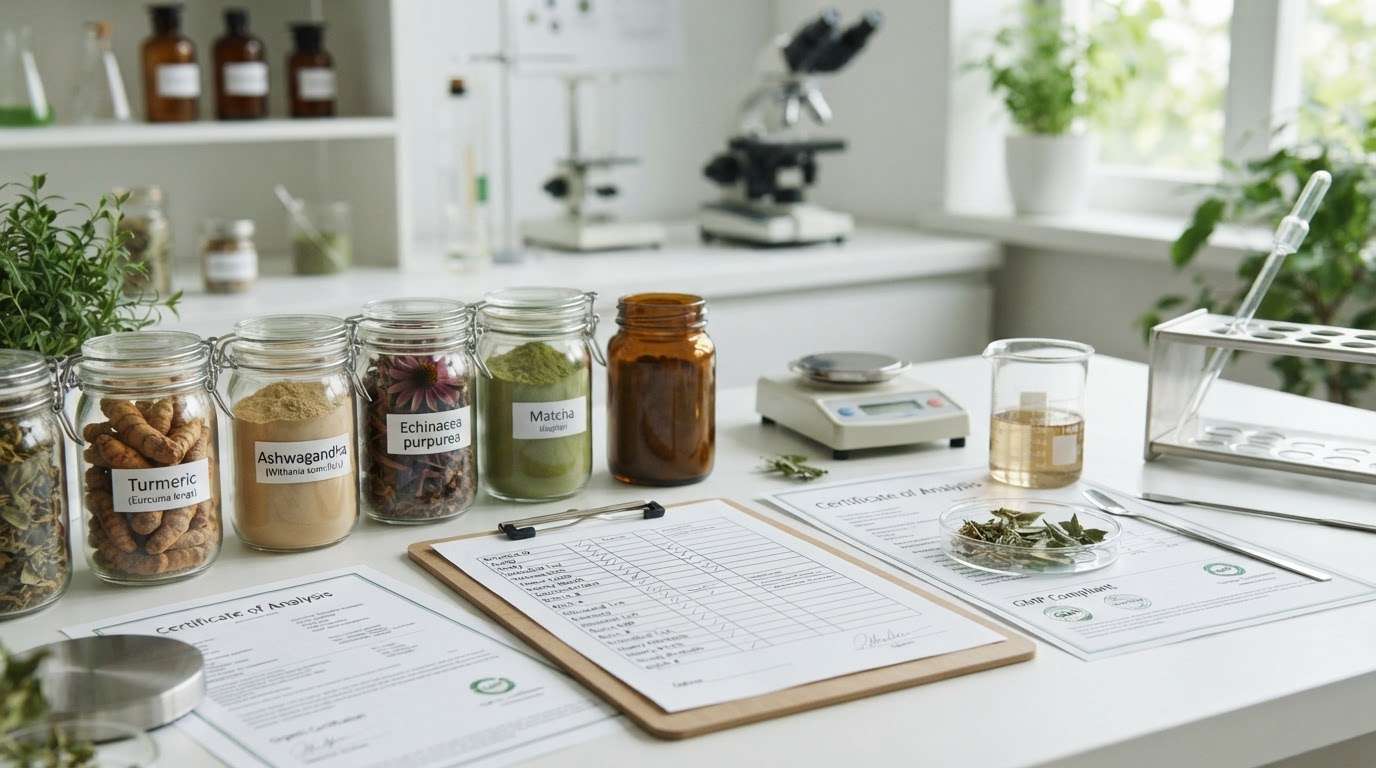
- Certificate of Analysis (COA) with HPLC marker compound results
- GRAS documentation for food and beverage applications
- EU EFSA compliance for European market access
Application-Specific Considerations
Solubility characteristics differ by application: water-soluble extracts are preferred for beverages and oral liquids, while lipid-soluble alkamide fractions are better suited for topical and encapsulated delivery systems. Suppliers should offer technical formulation support to optimize active compound stability in the target delivery matrix. Regulatory compliance timelines also vary: in China, echinacea extracts compliant with the Health Food Catalog qualification enable registration at 60% faster than novel ingredient filings.
Frequently Asked Questions
What are the main health benefits of taking echinacea extract?
Echinacea extract primarily supports immune function by stimulating macrophage activity, increasing NK cell count, and enhancing the body’s defense against upper respiratory infections. Clinically, it has been shown to reduce cold risk by 35%, shorten cold duration by 1.4 days, reduce cold symptom severity by 67%, and decrease sick days by up to 2.5-fold. It also provides anti-inflammatory, antioxidant, anxiolytic, and oral health benefits, making it one of the most multi-functional botanical ingredients available.
Which species and plant parts of Echinacea are most effective?
Echinacea purpurea aerial parts (leaves, flowers, stems) are the most widely used and best-documented source for immune and skincare applications. E. angustifolia and E. pallida roots are valued for their higher alkamide content, which is associated with direct immune cell activation. Commercial extracts are often derived from E. purpurea aerial parts for standardized polyphenol content, or from roots for alkamide-focused formulations. The species and plant part should be declared on the COA to enable accurate efficacy benchmarking.
What dosage forms and concentrations are recommended for supplement formulations?
For preventive immune support, standardized extracts at 300–500 mg per serving are the industry benchmark, typically in capsule or tablet form. For acute use during infections, higher dosing of up to 1,000 mg every three hours during the first 48 hours of symptoms has been studied. For seasonal maintenance, 600 mg twice weekly of freeze-dried capsule forms has demonstrated long-term safety. In functional beverages, water-soluble extracts standardized to 4% polyphenols are most practical for flavor-neutral incorporation.
Is echinacea extract safe for long-term use?
Echinacea extract has an established safety profile confirmed by 23+ clinical trials. It holds GRAS status in the US, is approved in the EU, Canada, and Australia, and is listed in China’s Health Food Catalog. For continuous supplementation, a cycling protocol — 8 weeks on, 2 weeks off — is commonly recommended to maintain immune sensitivity. Individuals allergic to ragweed or other members of the Asteraceae family should exercise caution, as cross-reactivity is possible. Drug interactions may occur with immunosuppressant medications; formulations marketed to such populations should include appropriate advisory labeling.
What certifications should B2B buyers require when sourcing echinacea extract?
For commercial procurement, buyers should require at minimum: HPLC-verified COA confirming active compound standardization (chicoric acid, polysaccharides, alkamides), GMP manufacturing certification, third-party testing reports for heavy metals and pesticides, and non-GMO verification. For EU market access, EFSA safety data compliance documentation is essential. For cosmetic applications, ISO 16128 natural origin certification and dermatological test data (HRIPT) for sensitization are strongly recommended. Organic certification from internationally recognized bodies (e.g., NOP, EU Organic, COSMOS) adds clean-label value for premium product tiers.
Conclusion
Echinacea extract occupies a uniquely valuable position in the botanical ingredient landscape. With more than 400 years of documented traditional use and a modern evidence base exceeding 500 published studies, it delivers clinically validated benefits across immune support, inflammation modulation, antioxidant protection, skin health, oral wellness, and anxiety management. Its three core active compound classes — chicoric acid, polysaccharides, and alkamides — provide multi-target activity that has been successfully leveraged across dietary supplements, functional foods, cosmeceuticals, pharmaceuticals, and veterinary applications.
For product developers and formulators operating in competitive health and wellness categories, echinacea extract offers a compelling combination of consumer recognition, regulatory acceptance in major global markets, robust clinical substantiation, and formulation versatility. As consumer demand for plant-based, clean-label, science-backed ingredients continues its sustained growth trajectory, echinacea extract remains one of the most strategically sound investments in any immunity-focused or skin health product portfolio.
Whether developing a new-to-market immunity gummy, a premium cosmeceutical serum, or a functional beverage for seasonal wellness, echinacea extract’s proven performance across delivery formats and therapeutic areas makes it an essential ingredient to evaluate.
Source Your Echinacea Extract with Green Life Herb
Green Life Herb is a professional botanical ingredient supplier specializing in standardized plant extracts for the global nutraceutical, functional food, and cosmeceutical industries. Our Echinacea purpurea extract is HPLC-standardized to specification, third-party tested for heavy metals, pesticides, and microbiological safety, and available in non-GMO, organic, and water-soluble grades to meet your formulation requirements.
We offer flexible MOQ, complete technical documentation (COA, MSDS, regulatory dossiers), and dedicated formulation support to help you bring effective, market-ready products to launch faster. Contact the Green Life Herb technical team today to request samples, pricing, and custom specification options for your next product development project.
- Aucoin, Monique et al. “A systematic review on the effects of Echinacea supplementation on cytokine levels.” Metabol Open., September 2021, https://www.ncbi.nlm.nih.gov/pmc/articles/PMC8320399/
- Burlou-Nagy, Cristina et al. “Echinacea purpurea (L.) Moench: Biological and Pharmacological Properties. A Review.” Plants (Basel), May 2022, https://pubmed.ncbi.nlm.nih.gov/35567246/
Looking for Premium Plant Extracts?
Green Life Herb supplies 280+ botanical extracts with ISO/HALAL/Kosher certifications.
Custom specifications and sample orders available.