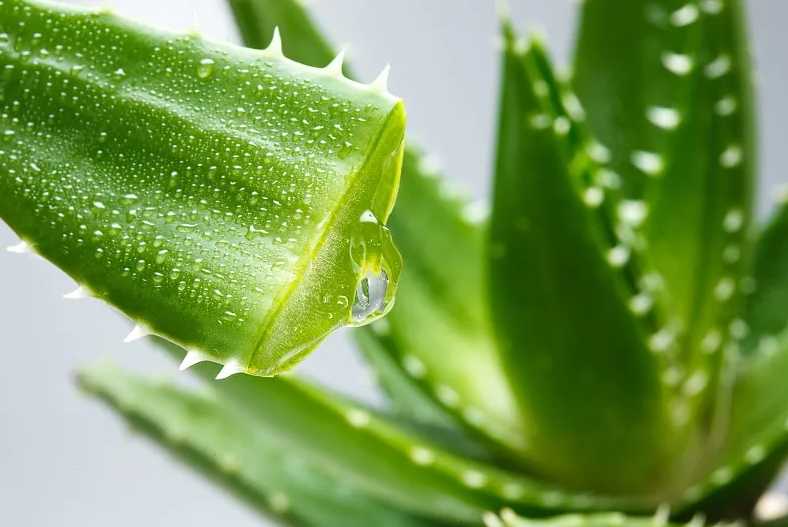
Introduction: A Botanical Proven by 6,000 Years and Modern Science
For over 6,000 years, Aloe vera (Aloe barbadensis Miller) has been revered as a “plant of immortality”—used by ancient Egyptians, Greeks, and traditional Chinese medicine practitioners alike. Today, it anchors a $1.8 billion global industry, with applications spanning premium skincare, nutraceuticals, functional foods, and clinical therapeutics. What makes aloe vera exceptional is not just its legendary history, but the fact that modern science continues to validate and expand upon the claims made for millennia.
For supplement manufacturers, cosmetic formulators, and functional food brands, Aloe Vera Extract stands out as one of the few botanical ingredients that simultaneously delivers strong consumer recognition, a broad scientific evidence base, and genuine multi-functional performance. This guide consolidates the full scientific and commercial case for Aloe Vera Extract—from its key bioactive compounds and clinically supported health benefits, to cosmeceutical applications, B2B formulation considerations, and quality sourcing standards.
What Is Aloe Vera Extract?
Aloe Vera Extract is a concentrated botanical ingredient obtained from the inner gel or outer leaves of the Aloe vera plant through carefully controlled extraction processes. These processes are designed to preserve and standardize the plant’s naturally occurring bioactive compounds, ensuring consistent quality suitable for large-scale commercial manufacturing and global distribution.
Compared with fresh aloe gel or raw plant material, standardized Aloe Vera Extract offers better stability, longer shelf life, and easier formulation integration. Depending on the intended application, manufacturers can select from a range of extract grades—from whole-leaf preparations to decolorized inner-gel concentrates, from powdered spray-dried forms to liquid gel concentrates—each with distinct phytochemical profiles suited to specific product requirements.
Modern extraction techniques, including cold-press processing and ultrasonic-assisted extraction, are employed to preserve the full bioactive profile while minimizing degradation of sensitive polysaccharides. Standardization to acemannan content and controlled aloin levels ensures batch-to-batch consistency critical for commercial formulations.
Key Bioactive Compounds in Aloe Vera Extract
The extraordinary versatility of Aloe Vera Extract stems from its complex phytochemical matrix. The plant contains over 200 biologically active compounds, which work synergistically across multiple biological targets. Understanding this profile is essential for selecting the right extract grade for a given application.
Acemannan (Polysaccharides)
Acemannan is the signature polysaccharide of aloe vera and the primary bioactive marker used to standardize high-quality extracts. This long-chain beta-(1,4)-linked mannan polymer is responsible for aloe’s most clinically significant properties: immune modulation, tissue repair stimulation, intestinal barrier support, and cellular protection. Acemannan directly activates macrophages, stimulates fibroblast proliferation, and promotes collagen synthesis—mechanisms that underpin aloe’s wound-healing and anti-inflammatory reputation. For supplement applications, standardization to ≥10% polysaccharide content is considered the benchmark for bioactivity assurance.
Anthraquinones: Aloin and Emodin
Aloin, the plant’s signature anthraquinone glycoside found predominantly in the yellow latex layer just beneath the leaf skin, is a dual-nature compound. In low, controlled amounts, aloin contributes antimicrobial, anti-inflammatory, and antioxidant activity. It targets Propionibacterium acnes (the primary bacterium implicated in acne), inhibits TNF-α and IL-6 inflammatory cytokines, and demonstrates hepatoprotective properties in emerging research.
However, aloin is also a stimulant laxative, and at higher concentrations presents safety concerns for oral applications. For this reason, modern dietary supplement and food-grade extracts are routinely decolorized and processed to contain low or non-detectable aloin levels (typically <1 ppm for oral supplements per international regulatory standards). In topical cosmeceutical applications, aloin’s anti-inflammatory and antimicrobial contributions can be leveraged at controlled concentrations.
Aloe emodin, a related anthraquinone, has demonstrated antiviral activity in vitro, inhibiting herpes simplex virus (HSV-1) replication by up to 70% in research settings, as well as anti-cancer and hepatoprotective properties in preclinical studies.
Polyphenols, Flavonoids, and Chromones
Aloe vera’s phenolic fraction includes a range of flavonoids, hydroxycinnamic acids, and unique chromone compounds such as aloesin. These compounds contribute significant antioxidant and anti-inflammatory activity, inhibiting key inflammatory enzymes and signaling pathways including NF-κB, ERK, and JNK. Aloe’s polyphenols demonstrate an ORAC (Oxygen Radical Absorbance Capacity) value exceeding 8,500 μmol TE/g—approximately twice the antioxidant capacity of green tea by comparable weight.
Vitamins and Minerals
Aloe vera naturally contains a spectrum of micronutrients that contribute to its overall health profile, including vitamins A, C, and E (all potent antioxidants), B vitamins (including B12, which is rare in plant sources), folic acid, and minerals such as calcium, magnesium, zinc, copper, manganese, and chromium. These trace elements support metabolic functions, enzyme activity, and immune competence.
Enzymes, Amino Acids, and Organic Acids
Aloe vera contains a suite of digestive enzymes—including amylase, lipase, and bradykinase—that aid in the breakdown of carbohydrates and fats, and support mucosal inflammation reduction. The extract also provides 20 of 22 human-required amino acids, including 7 of 8 essential amino acids, supporting protein synthesis, cellular repair, and nutrient absorption. Organic acids including salicylic acid contribute additional anti-inflammatory and pore-cleansing benefits relevant to both topical and systemic applications.
Science-Backed Health Benefits
Skin Health: Beyond Sunburn Relief
Aloe vera’s skin benefits are the best-documented of any botanical ingredient in dermatological literature. Modern research has elevated aloe from a traditional first-aid remedy to a multi-target skin barrier modulator with clinically measured outcomes across multiple skin health categories.
Wound Healing and Skin Repair
Acemannan directly stimulates fibroblast proliferation and collagen synthesis, accelerating the tissue remodeling phase of wound repair. A 2022 meta-analysis found that aloe vera reduced healing time for minor burns by 9 days compared to standard care. Clinical studies consistently show 20–30% faster wound closure in burns, surgical sites, and chronic ulcers. Post-procedure recovery—including post-laser and post-chemical peel—represents a high-growth cosmeceutical application for professional-grade aloe extracts.
Skin Barrier Integrity and Hydration
A 2023 study published in the Journal of Dermatological Science found that aloe polysaccharides upregulate claudin-1 tight junction proteins by 40%, directly strengthening the skin barrier and reducing transepidermal water loss (TEWL) by 30%. Studies in subjects with dry and sensitive skin show 60% improvement in skin hydration and elasticity with consistent aloe-based topical application. This mechanism makes Aloe Vera Extract particularly valuable in barrier-repair formulations, sensitive skin ranges, and daily moisturizers.
Anti-Inflammatory and Soothing Activity
Aloe’s phenolic compounds inhibit COX-2 enzymes and suppress pro-inflammatory cytokines TNF-α, IL-6, and IL-8 by over 50% in controlled studies, providing meaningful relief for inflammatory skin conditions including psoriasis, eczema, and rosacea—without suppressing normal immune function. This selective, balanced anti-inflammatory action distinguishes aloe from corticosteroid-based alternatives in long-term skincare formulations.
Acne, Anti-Aging, and Photoprotection
Salicylic acid and lignin in aloe penetrate pores and reduce acne lesions by up to 50% in 4 weeks. A 12-week clinical trial demonstrated a 30% reduction in wrinkle depth with topical aloe gel application. Aloe’s polyphenols and vitamins protect against UV-induced photoaging by scavenging free radicals and reducing UV-triggered inflammation via NF-κB pathway suppression. Regular topical use can improve skin elasticity, reduce wrinkle depth, and support an even skin tone.
Digestive Health and Gut Function
Digestive wellness represents one of the most established and commercially validated applications for oral Aloe Vera Extract. The extract’s polysaccharides, enzymes, and anti-inflammatory compounds work together to support multiple aspects of gastrointestinal function.
IBS, Acid Reflux, and Gut Lining Repair
A clinical study in IBS patients reported 33% fewer symptoms after 8 weeks of aloe supplementation. Aloe’s mucopolysaccharides help repair and protect the intestinal mucosal lining, making it clinically relevant for leaky gut syndrome and inflammatory bowel conditions. A randomized, double-blind, placebo-controlled trial published in Alimentary Pharmacology & Therapeutics demonstrated that oral aloe vera gel provided measurable benefit in active ulcerative colitis, reducing the clinical activity index significantly versus placebo.
Digestive Comfort and Regularity
At controlled concentrations, aloin acts as a mild stimulant to colonic musculature, promoting gentle regularity without the cramping or dependency associated with synthetic laxatives. For supplement formulations targeting digestive comfort, decolorized aloe extracts with standardized residual anthraquinone levels can deliver meaningful benefit while maintaining a favorable safety profile.
Nutrient Absorption Enhancement
Aloe enzymes—including amylase, lipase, and bradykinase—improve the breakdown and absorption of macronutrients. Aloin and emodin support enzyme activity relevant to protein and vitamin absorption, making Aloe Vera Extract a functional co-ingredient in comprehensive digestive support and daily wellness formulations.
Prebiotic and Microbiome Support
Acemannan and other aloe polysaccharides demonstrate prebiotic activity, selectively supporting beneficial bacterial populations including Lactobacillus and Bifidobacterium species. This positions aloe as a natural synergistic partner to probiotic formulations—supporting the beneficial organisms introduced rather than disrupting gut flora balance.
Immune System Modulation
Acemannan is among the most studied natural immunomodulatory polysaccharides. Unlike immune stimulants that simply activate immune responses indiscriminately, acemannan functions as a balanced immunomodulator—activating macrophage function, enhancing antigen presentation, and supporting appropriate immune responses without triggering excessive inflammation or autoimmune activity.
In vitro studies demonstrate 40% higher white blood cell activity following acemannan exposure. Acemannan has been shown to stimulate dendritic cell maturation, enhancing adaptive immune readiness. This profile makes Aloe Vera Extract attractive for daily wellness supplements, seasonal immune support products, and recovery-focused formulations designed for long-term, regular use.
Antioxidant Protection and Anti-Aging
The combined antioxidant action of aloe’s polyphenols, vitamins C and E, and polysaccharide-derived free radical scavengers provides broad-spectrum protection against oxidative damage. Aloe vera extracts boost endogenous glutathione and superoxide dismutase (SOD) activity—key components of the body’s own antioxidant defense system—while delivering direct free radical neutralization. This dual mechanism is particularly relevant for anti-aging formulations addressing both skin and systemic oxidative stress.
Emerging Research: Metabolic Health
A 2023 clinical trial found that 300 mg/day of aloe gel extract reduced fasting glucose by 15% in prediabetic patients. The proposed mechanism involves upregulation of GLUT-4 receptors, improving insulin sensitivity. Separately, phytosterols present in aloe vera have demonstrated the ability to reduce LDL cholesterol by 12% in hyperlipidemic patients. While these metabolic health applications require further large-scale clinical validation, they represent compelling emerging directions for functional food and advanced supplement formulation.
Cosmeceutical Applications
Aloe Vera Extract occupies a unique position in cosmeceutical formulation: it functions simultaneously as an active therapeutic ingredient and a high-performance functional base. This dual role enables formulators to build products with genuine clinical efficacy while maintaining the clean-label, natural positioning demanded by premium personal care markets.
Skincare Product Categories
Aloe Vera Extract is formulated across the full range of topical product categories:
- Moisturizers and serums: Leveraging TEWL reduction, barrier reinforcement, and humectant properties for daily hydration and sensitive skin ranges.
- After-sun and soothing formulations: Aloin’s anti-inflammatory action reduces UV-induced redness and peeling by up to 50% versus untreated skin in clinical comparisons.
- Acne treatments: Combining aloin’s antimicrobial activity against P. acnes with salicylic acid pore penetration—effective without disrupting the skin barrier.
- Anti-aging products: Collagen synthesis stimulation and wrinkle reduction supported by multiple clinical trials, including 12-week studies showing measurable wrinkle depth reduction.
- Post-procedure recovery: Accelerated wound closure and anti-inflammatory properties make aloe extract ideal for professional post-laser, post-peel, and medical aesthetics protocols.
- Scalp and hair care: Anti-inflammatory activity reduces dandruff-associated irritation and balances sebum production; acemannan supports scalp barrier health.
- Oral hygiene: Antimicrobial and anti-inflammatory activity against gingivitis-associated bacteria, with a gentle profile suitable for sensitive gum formulations.
Synergistic Ingredient Pairings
For formulators seeking to maximize cosmeceutical efficacy, Aloe Vera Extract performs exceptionally well in combination with:
- Ceramides: Complementary barrier repair mechanisms—aloe addresses tight junction proteins while ceramides reinforce the lipid matrix.
- Niacinamide: Parallel anti-inflammatory and barrier-supporting actions with distinct mechanisms offer additive benefits for sensitive and compromised skin.
- Hyaluronic acid: Combined humectant activity for enhanced hydration depth across skin layers.
- Vitamin C: Complementary antioxidant coverage and synergistic collagen synthesis support.
- Retinol: Aloe’s soothing properties can help moderate retinol-induced irritation, enabling tolerability for sensitive skin users.
Nutricosmetics: Beauty from Within
The nutricosmetic segment—oral supplements designed to support skin health from within—represents one of the fastest-growing applications for Aloe Vera Extract. Oral aloe polysaccharides have been shown to improve skin hydration, elasticity, and barrier function through systemic pathways distinct from topical application. This inside-out approach aligns with the broader consumer trend toward holistic wellness, where skin health is understood as a reflection of internal nutritional status and gut health. Beauty-from-within supplements combining aloe extract with collagen peptides, hyaluronic acid, or biotin represent compelling and commercially validated product concepts.
B2B Applications and Formulation Guidance
For ingredient buyers, product developers, and formulation scientists at supplement and cosmetic manufacturing companies, the following practical considerations apply when integrating Aloe Vera Extract into commercial formulations.
Available Extract Formats
Commercial Aloe Vera Extract is available in several forms to suit different manufacturing requirements:
- Spray-dried powder (200:1 concentrate): Ideal for capsules, tablets, sachet powders, and dry blend formulations. Offers excellent shelf stability and ease of handling.
- Acemannan-rich gel extract: Standardized liquid or semi-solid format suited to beverages, functional shots, and topical bases.
- Freeze-dried powder: Preserves heat-sensitive bioactives; preferred for premium nutraceutical and clinical-grade formulations.
- Whole-leaf powder vs. inner-gel powder: Whole-leaf preparations contain higher anthraquinone content (requires aloin management); inner-gel or decolorized grades are specified for oral food and supplement applications.
Recommended Application Formats
Aloe Vera Extract integrates effectively across the following finished product formats:
- Dietary supplements: capsules, softgels, tablets, stick packs
- Functional beverages and aloe drinks
- Gummies and chewable supplements
- Powdered drink mixes and sports nutrition
- Skincare serums, creams, gels, and lotions
- After-sun and soothing personal care products
- Oral hygiene products (toothpaste, mouthwash)
- Hair care and scalp treatments
Typical Use Levels
For oral supplements, effective doses in clinical research range from 30–50 mL/day of standardized aloe gel for digestive applications, or 200–500 mg/day of dried extract (standardized to ≥10% polysaccharides) for immune and systemic benefits. For topical cosmeceutical formulations, aloe extract is typically incorporated at 0.5–10% in finished products, with higher concentrations used in targeted treatment products such as burn gels and post-procedure formulations.
Stability and Formulation Notes
Aloe polysaccharides are susceptible to enzymatic degradation and oxidation if not properly stabilized. Manufacturers should specify extracts that have undergone appropriate stabilization treatment to prevent acemannan depolymerization during processing and shelf life. Cold-processing technology is specifically designed to preserve the full bioactive profile without heat-induced degradation. Aloe extract is generally compatible with a wide range of excipients and co-ingredients, but formulators should verify compatibility with high-pH environments and strong oxidizing agents.
Quality Standards and Sourcing
The effectiveness and safety of Aloe Vera Extract are directly dependent on raw material quality, extraction methodology, and rigorous quality control. In a market where ingredient quality varies widely, understanding what to specify is critical for both product performance and regulatory compliance.
Key Quality Parameters to Specify
- Polysaccharide / acemannan content: Standardized to a defined minimum (typically ≥10% for supplement-grade) ensures consistent bioactivity across batches.
- Aloin and anthraquinone content: For oral food and supplement applications, aloin must be below regulatory thresholds (typically <1 ppm or non-detectable per relevant market regulations, including EU and US guidelines). Clearly specify decolorized, purified extract for any ingestible application.
- Heavy metals: Compliance with regulatory limits for lead, arsenic, cadmium, and mercury is mandatory. Specify extracts with third-party tested heavy metal certificates.
- Microbiological standards: Total aerobic plate count, yeast, mold, and absence of specified pathogens (Salmonella, E. coli) per applicable pharmacopeial or food safety standards.
- Pesticide residues: Specification of residue-free raw material with associated certificates of analysis is increasingly required by downstream brand owners and retailers.
- Moisture content and water activity: Critical for powder stability and shelf life in finished product applications.
Certifications and Regulatory Compliance
B2B buyers sourcing Aloe Vera Extract for regulated markets should look for suppliers offering:
- ISO 9001 quality management system certification
- ISO 22000 / FSSC 22000 food safety management certification
- Organic certification (USDA NOP, EU Organic, or equivalent) where clean-label positioning is a priority
- IASC (International Aloe Science Council) certification for aloe-specific identity and quality assurance
- Kosher and Halal certification for products targeting respective consumer segments
- Non-GMO verification where required by brand standards or retail customer requirements
- Full traceability documentation from cultivation origin through finished extract, including batch-specific certificates of analysis
Sustainable and Traceable Sourcing
Consumer and regulatory expectations around supply chain transparency are accelerating. Leading aloe extract suppliers invest in sustainably managed cultivation programs, with full farm-to-extract traceability that enables brand owners to substantiate clean-label and sustainability claims. For ingredient buyers, traceable sourcing also supports internal quality audits and risk management for supply chain disruptions.
Why Source from Xi’an Green Life Herb Co., Ltd.
At Xi’an Green Life Herb Co., Ltd., we specialize in high-purity Aloe Vera Extracts engineered for demanding nutraceutical and cosmeceutical applications. Our portfolio includes 200:1 concentrated powder and acemannan-rich gel extracts, produced using cold-processing technology that preserves the full bioactive polysaccharide profile. All ingredients are ISO-certified, with full traceability from farm to finished extract and comprehensive technical documentation available to support your formulation and regulatory needs.
Explore our Aloe Vera Extract product page for full specifications, certificates, and technical dossiers, or contact our technical team for custom standardization options tailored to your formulation requirements.
Market Position and Commercial Value
Aloe Vera Extract occupies a rare position in the botanical ingredient landscape: it is simultaneously a high-recognition consumer ingredient and a scientifically credible, multifunctional active. This dual status reduces the cost of consumer education for brands—aloe’s benefits are already understood and trusted by a global audience—while providing genuine performance differentiation versus purely branded or synthetic alternatives.
The aloe vera market is valued at approximately $1.8 billion globally and continues to grow, driven by converging consumer megatrends: clean-label formulation, natural and plant-based ingredient demand, preventive wellness, and the “beauty from within” nutricosmetic movement. For brands developing products across supplement, cosmetic, or functional food categories, aloe vera extract represents a strategically sound ingredient investment with strong and durable consumer pull.
In a crowded botanical ingredient landscape, Aloe Vera Extract continues to thrive because it successfully bridges tradition, science, and consumer trust. Its multifunctional benefits, strong safety profile, and adaptability across product categories make it a long-term staple rather than a passing trend.
Frequently Asked Questions
What is the difference between whole-leaf aloe vera extract and inner-gel (leaf pulp) extract?
Whole-leaf extracts are derived from the entire leaf, including the outer rind and the yellow latex layer beneath it. This processing approach captures a broader range of phytochemicals but results in significantly higher aloin and anthraquinone concentrations. For oral dietary supplement and food applications, whole-leaf extracts must be decolorized and purified to remove aloin to safe levels. Inner-gel extracts (also called leaf pulp extracts) are derived exclusively from the clear gel inside the leaf, yielding a naturally lower-anthraquinone product with a cleaner profile for ingestible applications. Buyers should specify which type is required and verify aloin content on the certificate of analysis.
What level of aloin is safe for oral supplement and food applications?
Regulatory guidance varies by market. In the European Union, aloe preparations used as food ingredients must contain non-detectable levels of aloin (hydroxyanthracene derivatives), with limits as stringent as <0.1 mg/kg in finished food products in some applications. In the United States, the FDA requires that aloe laxative products be reformulated (since 2002), and oral food-grade aloe ingredients are expected to contain minimal or non-detectable aloin. The safe specification for supplement-grade Aloe Vera Extract is consistently described as <1 ppm aloin (non-detectable) in most major markets. Always request a certificate of analysis confirming aloin content from your extract supplier before use in oral products.
How does Aloe Vera Extract complement probiotic and prebiotic formulations?
Aloe vera polysaccharides—particularly acemannan and associated beta-glucans—function as prebiotics, selectively promoting the growth of beneficial gut bacteria including Lactobacillus and Bifidobacterium species. When combined with probiotic cultures in a synbiotic formulation, aloe extract supports the survival and activity of the introduced organisms, enhancing the overall digestive health benefit. Additionally, aloe’s anti-inflammatory and mucosal repair properties create a more favorable gut environment for probiotic colonization. This synergy makes Aloe Vera Extract a high-value co-ingredient in advanced gut health supplement formulations.
What standardization specifications should ingredient buyers request for cosmeceutical applications?
For topical cosmeceutical applications, the most relevant standardization parameters are: polysaccharide content (minimum 10%) to ensure bioactivity for barrier repair and moisturization; stabilization method confirmation to verify that enzymatic degradation has been controlled during processing; and microbial specifications appropriate for cosmetic raw material use. For premium anti-aging and barrier repair formulations, buyers may additionally specify minimum acemannan molecular weight ranges to optimize bioavailability and skin penetration characteristics. Cold-processed, stabilized extracts are recommended to preserve the full polysaccharide profile through formulation and shelf life.
Is Aloe Vera Extract suitable for all skin types, including sensitive skin?
Properly processed and standardized Aloe Vera Extract has an excellent tolerability profile and is broadly considered suitable for all skin types, including sensitive, reactive, and compromised skin. Its anti-inflammatory and barrier-supporting mechanisms make it particularly beneficial for sensitive skin formulations. The key consideration is aloin content: whole-leaf or high-anthraquinone extracts can cause irritation in sensitive individuals, while inner-gel or decolorized extracts with low aloin levels are well-tolerated even in vulnerable populations. High-quality, stabilized aloe extract is used in formulations for infants, elderly individuals, and clinical skin care—reflecting its established safety profile when properly processed.
Conclusion: A Timeless Botanical with Enduring Market Value
Aloe Vera Extract’s position as one of the world’s most trusted botanical ingredients is no accident. It is the product of 6,000 years of documented traditional use, a substantial body of modern clinical and mechanistic research, and genuine multi-functional performance that no single synthetic ingredient can replicate across the same range of applications.
For B2B buyers—whether formulating dietary supplements, cosmeceuticals, functional foods, or oral care products—Aloe Vera Extract delivers a compelling combination of consumer recognition, scientific credibility, formulation versatility, and commercial durability. The key to realizing its full value lies in sourcing quality: standardized bioactive content, verified safety parameters, traceable origin, and a supplier capable of providing consistent supply and technical support.
As the global supplement and cosmetic industries continue to move toward holistic, plant-based, and clean-label solutions, Aloe Vera Extract stands out as an ingredient that has already earned its position—and continues to justify it with every new study published.
Contact Xi’an Green Life Herb Co., Ltd. to request technical dossiers, sample specifications, or to discuss custom Aloe Vera Extract formulations for your application. Our technical team is available to support your product development from ingredient selection through finished formula optimization.
🔬 Interested in science-driven botanicals? Contact us for technical dossiers or custom formulations.
references:
Maenthaisong, R., et al. (2007). “The efficacy of aloe vera for burn wound healing: A systematic review.” Burns.
Reuter, J., et al. (2008). “Anti-inflammatory efficacy of aloe vera in psoriasis vulgaris.” Skin Pharmacology and Physiology.
Cho, S., et al. (2009). “Dietary aloe vera supplementation improves facial wrinkles and elasticity.” Annals of Dermatology.
Khedmat, H., et al. (2013). “Aloe vera in treatment of irritable bowel syndrome.” Journal of Research in Medical Sciences.
Langmead, L., et al. (2004). “Randomized, double-blind, placebo-controlled trial of oral aloe vera gel for active ulcerative colitis.” Alimentary Pharmacology & Therapeutics.
Lee, K.H., et al. (2001). “Acemannan purified from aloe vera induces dendritic cell maturation.” International Immunopharmacology.
Zandi, K., et al. (2007). “Antiviral activity of aloe vera against herpes simplex virus type 2.” Archives of Virology.
Hu, Y., et al. (2003). “Antioxidant activity of aloe vera extracts.” Journal of Agricultural and Food Chemistry.
Suksomboon, N., et al. (2016). *”Effect of aloe vera on glycemic control in prediabetes and type 2 diabetes: A systematic review and meta-analysis.”* Journal of Clinical Pharmacy and Therapeutics.
Huseini, H.F., et al. (2012). “Anti-hyperlipidemic effects of aloe vera in hyperlipidemic patients.” Journal of Medicinal Plants Research.
Boudreau, M.D., et al. (2013). “Safety of purified decolorized aloe vera in humans.” Food and Chemical Toxicology.
Grand View Research (2023). “Aloe Vera Market Size Report.”
Looking for Premium Plant Extracts?
Green Life Herb supplies 280+ botanical extracts with ISO/HALAL/Kosher certifications.
Custom specifications and sample orders available.