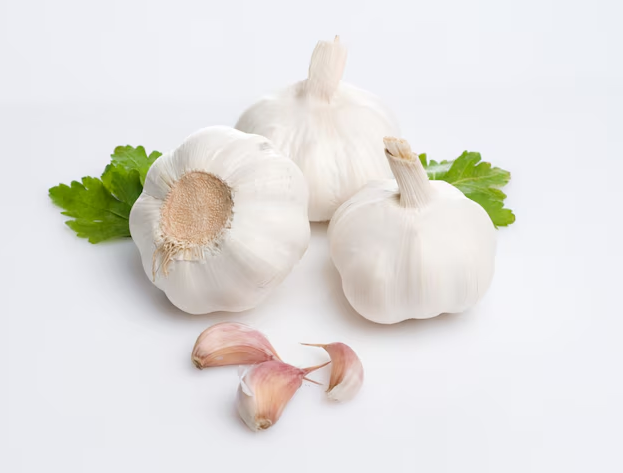
For over 5,000 years, garlic (Allium sativum) has been prized across civilizations — from Egyptian pyramid builders and ancient Greek physicians to traditional Chinese healers. Today, modern science confirms what ancient cultures knew: garlic extract is a potent bioactive ingredient with a broad range of clinically documented health benefits. The global garlic extract market is projected to reach $244 million by 2027, growing at 6.8% annually, as pharmaceutical, nutraceutical, and functional food manufacturers continue to expand their use of standardized garlic ingredients.
This pillar article brings together the most current and evidence-based information on garlic extract — its key bioactive compounds, primary health benefits, emerging applications, and practical considerations for B2B formulators and ingredient buyers.
Key Bioactive Compounds in Garlic Extract
The health-promoting properties of garlic extract derive from a unique family of sulfur-containing compounds. Understanding these constituents is essential for selecting the right extract type and standardization for any given application.
Alliin
Alliin is the stable, odorless precursor compound found in fresh garlic. When garlic tissue is disrupted — by crushing, chopping, or enzymatic processing — alliin is converted by the enzyme alliinase into allicin. Because alliin is stable in dried powder forms, it is commonly used as a standardization marker for garlic powder extracts, where its conversion potential (allicin yield) is measured to assess product potency.
Allicin
Allicin (diallyl thiosulfinate) is the primary biologically active compound formed when fresh garlic is processed. It is responsible for garlic’s characteristic pungent odor and many of its antimicrobial, antioxidant, and cardiovascular properties. Allicin acts as a natural ACE inhibitor, supports nitric oxide production, and disrupts microbial enzyme systems and cell membranes. Because allicin is chemically unstable and degrades rapidly, standardized extracts that preserve or maximize allicin potential are preferred for formulation work.
S-Allyl Cysteine (SAC)
S-allyl cysteine is the primary bioactive marker of aged garlic extract (AGE). Unlike allicin, SAC is water-soluble, stable, and highly bioavailable. It demonstrates significant antioxidant activity, supports cardiovascular function by improving endothelial health and reducing LDL oxidation, and has shown neuroprotective properties in preclinical research. SAC is less pungent than allicin and is the preferred marker for aged garlic extract standardization.
Ajoene
Ajoene is a sulfur compound formed from the degradation of allicin, found in significant quantities in garlic oil and certain processed extracts. It exhibits antiplatelet activity (reducing blood clot formation), antifungal effects, and has been investigated for antiproliferative properties. Ajoene is of particular interest to formulators targeting cardiovascular and immune health markets.
Diallyl Sulfides
Diallyl disulfide (DADS) and diallyl trisulfide (DATS) are volatile organosulfur compounds predominant in garlic oil preparations. They contribute to antioxidant and antimicrobial activity and have been studied for hepatoprotective and potential chemopreventive effects. These compounds are key markers in steam-distilled garlic oil products.
Formulator’s Note: The bioactive profile of a garlic extract depends heavily on the raw material, extraction method, and post-processing conditions. Aged garlic extract is standardized for SAC; garlic powder extracts for alliin or allicin potential; and garlic oils for diallyl sulfides and ajoene. Matching the extract type to the intended application is critical for efficacy and label claims.
Cardiovascular Benefits
Cardiovascular health is the most extensively researched and clinically validated application for garlic extract. Multiple meta-analyses of randomized controlled trials support its use as a science-backed ingredient in heart health formulations.
Blood Pressure Support
Garlic’s allicin and SAC compounds function as natural ACE inhibitors and promote vasodilation by increasing endogenous nitric oxide production, which helps blood vessels relax and reduces peripheral resistance. A 2020 systematic review and meta-analysis of 12 clinical trials found that supplementation with 600–1,500 mg aged garlic extract daily reduced systolic blood pressure by 7–16 mmHg — a magnitude comparable to some first-line antihypertensive medications — and produced meaningful reductions in diastolic blood pressure, particularly in individuals with pre-existing hypertension.
Cholesterol and Lipid Profile Improvement
Garlic extract has been shown to modulate hepatic cholesterol synthesis, resulting in measurable improvements in the lipid panel:
- Reduction of LDL (“bad”) cholesterol by 10–15% over 4–12 weeks
- Increase of HDL (“good”) cholesterol by 8–15%
- Reduction of LDL oxidation, limiting the formation of atherosclerotic plaques
- Reduction in serum triglycerides in populations with metabolic syndrome
These lipid-modifying effects are attributed to garlic’s inhibition of key enzymes in cholesterol biosynthesis and its antioxidant protection of circulating lipoproteins.
Endothelial Function and Circulation
Beyond cholesterol and blood pressure, garlic extract supports overall vascular health by improving endothelial function — the ability of blood vessels to dilate and respond to physiological demands. Its antiplatelet properties, largely attributed to ajoene and organosulfur compounds, help reduce excessive platelet aggregation, contributing to healthy blood flow and reduced cardiovascular risk.
Immune Support
Garlic extract is one of the most widely used botanical ingredients in immune health formulations, and its immunomodulatory effects are supported by multiple clinical studies.
Enhancement of Immune Cell Activity
Garlic bioactives directly stimulate immune cell populations, including macrophages, natural killer (NK) cells, and lymphocytes. Clinical research demonstrates that supplementation with aged garlic extract can increase NK cell activity by 40–160%. NK cells are central to the body’s first-line defense against viral infections and abnormal cell proliferation, making this a compelling endpoint for immune health formulations.
Reduction of Cold and Respiratory Illness
Clinical trials have documented that regular garlic extract supplementation reduces the frequency, severity, and duration of common colds and upper respiratory infections. Studies report reductions in cold severity and duration of 30–50% compared to placebo. These effects are linked to enhanced cytokine regulation, improved innate immune responses, and garlic’s direct antimicrobial activity.
Antimicrobial Broad-Spectrum Activity
Allicin’s mechanism of action — disruption of microbial enzyme systems containing sulfhydryl groups — gives garlic extract broad-spectrum activity against bacteria, viruses, and fungi. Notable findings include:
- Inhibition of Staphylococcus aureus and Escherichia coli
- Inhibition of Helicobacter pylori (the primary cause of peptic ulcers) by 50–90% in vitro
- Antifungal activity against Candida species
- Demonstrated activity against certain enveloped viruses
These properties have driven interest in garlic extract for gut health, immune support, and natural preservation applications in functional foods and supplements.
Anti-Inflammatory and Antioxidant Properties
Chronic oxidative stress and low-grade inflammation are underlying drivers of many non-communicable diseases, including cardiovascular disease, metabolic syndrome, and neurodegenerative conditions. Garlic extract addresses both pathways through multiple mechanisms.
Antioxidant Mechanisms
Garlic extract contains over 17 identified antioxidant compounds. Its primary antioxidant mechanisms include:
- Direct free radical scavenging by sulfur-containing compounds
- Upregulation of endogenous antioxidant enzymes, including glutathione peroxidase and superoxide dismutase (SOD)
- Protection of cell membranes and circulating lipoproteins from oxidative damage
Clinical studies report reductions in oxidative stress biomarkers of 30–40% following garlic extract supplementation, with aged garlic extract showing particular strength in this area due to its high SAC content and stable antioxidant profile.
Anti-Inflammatory Activity
Garlic extract modulates key inflammatory signaling pathways, including inhibition of NF-κB activation and suppression of pro-inflammatory cytokines such as TNF-α, IL-6, and IL-1β. This translates to measurable reductions in circulating C-reactive protein (CRP) — a primary marker of systemic inflammation — by approximately 20–25% in supplementation studies. These effects are particularly relevant for formulations targeting metabolic health, joint comfort, and aging-related inflammatory conditions.
Testosterone and Male Health
An emerging body of research highlights garlic extract’s potential role in supporting male hormonal health, particularly testosterone production. Testosterone deficiency is estimated to affect nearly 40% of men over age 45, and there is growing demand for natural, evidence-based ingredients in male vitality formulations.
Mechanisms of Testosterone Support
Garlic extract may support healthy testosterone levels through several complementary pathways:
- Stimulation of Leydig cells: Allicin and selenium in garlic have been shown to stimulate testicular Leydig cells, which are responsible for testosterone biosynthesis. A 2011 study published in the Journal of Medicinal Food found that 600 mg/day garlic powder increased testosterone levels by 17% in an animal model, with human trials showing similar directional trends.
- Cortisol reduction: Chronic psychological stress suppresses testosterone production by elevating cortisol levels. Garlic’s organosulfur compounds have been shown to help regulate the hypothalamic-pituitary-adrenal (HPA) axis, with one 2012 study reporting a 22% reduction in cortisol levels in subjects consuming aged garlic extract.
- Improved circulation and nutrient delivery: Garlic’s nitric oxide-boosting effects enhance testicular blood flow, supporting optimal delivery of zinc, cholesterol, and other essential testosterone precursors to endocrine tissue.
Applications in Men’s Health Formulations
- Active men and athletes: Garlic extract may help maintain testosterone levels during periods of intense physical training, which is known to temporarily suppress testosterone. Its anti-inflammatory and recovery-supporting properties provide additional value in sports nutrition contexts.
- Aging men: Testosterone declines approximately 1% per year after age 30. Garlic extract may help attenuate this decline and synergizes well with zinc, vitamin D, and adaptogenic herbs in comprehensive male health formulas.
Most clinical studies in this area use 600–1,200 mg aged garlic extract daily over 4–12 weeks for measurable results. These effects are dose-dependent and work most effectively within a holistic lifestyle approach that includes appropriate exercise, sleep, and stress management.
B2B Applications and Market Segments
Garlic extract is a high-utility ingredient that fits across a wide range of commercial product categories. For B2B buyers and formulation teams, the following applications represent the strongest market opportunities.
Nutraceutical Supplements
Garlic extract is a staple ingredient in cardiovascular health, immune support, general wellness, and men’s health supplement lines. It is suitable for capsule, softgel, tablet, and powder blend formats. Aged garlic extract is the preferred form for cardiovascular and antioxidant claims; standardized allicin-potential powder suits immune and antimicrobial positioning.
Functional Foods and Beverages
Deodorized garlic extract and encapsulated forms are used in functional food applications including health bars, fortified beverages, soups, and condiments where garlic’s bioactives are desired without the characteristic odor. Garlic extract also functions as a natural flavor enhancer in culinary formats including dressings, marinades, and sauces.
Sports Nutrition
The combination of cardiovascular, anti-inflammatory, and hormone-supporting properties makes garlic extract an increasingly attractive ingredient in pre-workout, recovery, and men’s vitality products. Its ability to support nitric oxide production is relevant for performance-oriented formulations.
Animal Nutrition and Feed
Garlic extract’s antimicrobial properties are exploited in animal feed applications as a natural alternative to antibiotic growth promoters. Its inclusion in poultry and swine feeds has been shown to improve gut microbiome health, reduce pathogen load, and support growth performance.
Natural Preservation and Cosmetics
The broad-spectrum antimicrobial activity of allicin-rich garlic extracts has applications in natural preservation systems for personal care and cosmetic products, as well as in niche topical formulations targeting antimicrobial and anti-inflammatory skin benefits.
Quality and Sourcing Considerations
The efficacy and safety of garlic extract in commercial formulations depends critically on the quality of the raw material and the rigor of the manufacturing process. B2B buyers should evaluate suppliers on the following criteria.
Extract Type and Standardization
Select the extract type matched to your intended application and target claims:
- Aged garlic extract (AGE): Standardized for S-allyl cysteine (SAC); optimal for cardiovascular, antioxidant, and long-term wellness applications; low odor and high stability
- Garlic powder extract: Standardized for alliin content or allicin potential; suited for immune support, antimicrobial, and broad-spectrum wellness applications
- Garlic oil: Concentrated in diallyl sulfides and ajoene; suited for antimicrobial, antifungal, and culinary flavor applications; requires encapsulation to manage odor and stability
Analytical Testing and Certificates
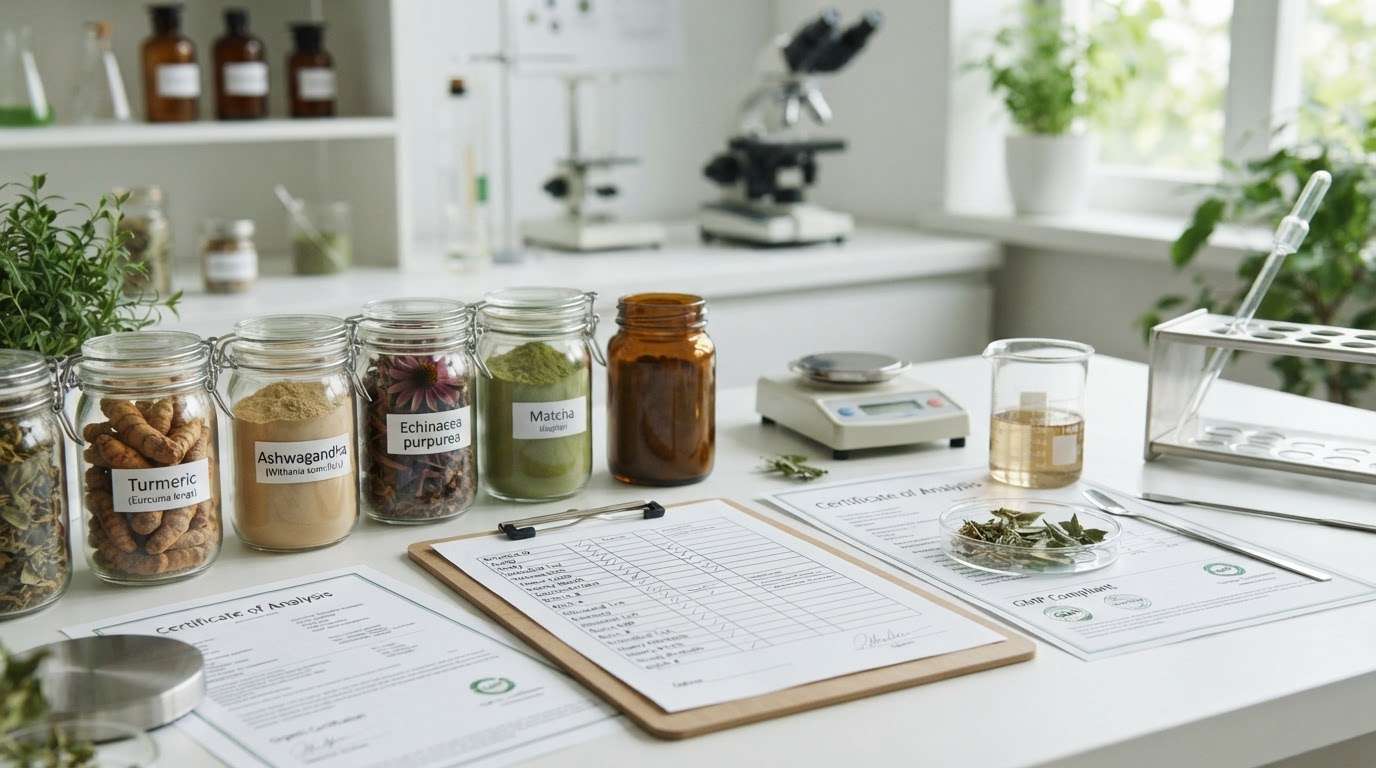
Reputable garlic extract suppliers should provide comprehensive quality documentation for each batch, including:
- Certificate of Analysis (CoA) with HPLC quantification of primary biomarkers (alliin, allicin potential, SAC, or diallyl sulfides)
- Heavy metals testing (lead, arsenic, cadmium, mercury)
- Microbial testing (total plate count, yeast and mold, Salmonella, E. coli)
- Pesticide residue screening
- Solvent residue testing (where applicable)
Manufacturing Standards and Certifications
Buyers should prioritize suppliers operating under internationally recognized quality management systems. Key certifications to request include ISO 9001 (quality management), ISO 22000 or FSSC 22000 (food safety), GMP certification, and organic certification where product positioning requires it. For regulated markets, ensure compliance with USP, EP, or relevant pharmacopoeial standards for botanical ingredients.
Traceability and Supply Chain Transparency
Given the agricultural origin of garlic, growing region, soil quality, and harvest practices significantly influence the bioactive content of the raw material. Leading suppliers can provide documentation of raw material sourcing, GAP (Good Agricultural Practices) compliance, and end-to-end traceability from farm to finished extract.
Frequently Asked Questions
What is the difference between aged garlic extract and standard garlic powder extract?
Aged garlic extract (AGE) is produced by storing raw garlic in ethanol solution for 20 months or longer. This aging process converts unstable sulfur compounds (including allicin) into stable, bioavailable forms — primarily S-allyl cysteine (SAC) — while virtually eliminating the characteristic garlic odor. AGE is preferred for cardiovascular health and antioxidant applications due to its high bioavailability and superior stability. Standard garlic powder extract is produced by drying and milling garlic and is standardized for alliin or allicin potential. It retains a stronger odor profile and is widely used in immune support and broad-spectrum wellness formulations.
What dosage levels are supported by clinical evidence?
Clinical evidence supports the following general dosage ranges, though optimal dosing varies by application and target population:
- Cardiovascular health: 600–1,500 mg aged garlic extract daily
- Immune support: 200–400 mg standardized garlic powder extract daily
- Testosterone and male vitality: 600–1,200 mg aged garlic extract daily over 4–12 weeks
- Blood sugar support: 600–1,200 mg standardized extract daily
Effects are generally dose-dependent and accumulate over weeks of consistent use rather than providing acute results.
Is garlic extract safe for long-term use in supplement formulations?
Garlic extract has a well-established safety profile across decades of both traditional use and modern clinical research. It is Generally Recognized as Safe (GRAS) in food applications in the United States. At typical supplemental doses, adverse effects are rare and primarily gastrointestinal (mild nausea or reflux), particularly with raw or non-aged forms. Aged garlic extract and deodorized preparations are generally well tolerated. Formulators should note that garlic’s antiplatelet properties may interact with anticoagulant medications; this interaction should be disclosed in product labeling for consumer-facing supplements.
What extract form is best suited for odor-sensitive product formats?
Aged garlic extract (AGE) and deodorized garlic powder extract are the preferred forms for odor-sensitive applications such as soft capsules, functional beverages, and food products. The aging process substantially eliminates the volatile sulfur compounds responsible for garlic odor while preserving and enhancing the bioactive profile. Microencapsulation technology can further stabilize garlic extracts and mask residual odor in demanding formats.
What certifications should I look for when sourcing garlic extract?
For most B2B applications, buyers should request ISO 9001, GMP certification, and a current ISO 22000 or FSSC 22000 food safety certification as baseline quality assurances. Batch-specific Certificates of Analysis with HPLC-quantified biomarker data are essential for ingredient verification. Organic certification (USDA NOP, EU Organic, or equivalent) is increasingly requested by brands targeting clean-label and natural positioning. Halal and Kosher certifications are relevant for specific market channels. For clinical-grade or pharmaceutical applications, compliance with USP or EP botanical monographs provides an additional layer of assurance.
Conclusion
Garlic extract stands out among botanical ingredients for the breadth and depth of its evidence base. From cardiovascular protection and immune modulation to antioxidant defense, metabolic support, and emerging applications in male hormonal health, it offers formulators a science-supported, multi-functional ingredient with a proven market track record.
For B2B buyers, the key to unlocking garlic extract’s full value lies in selecting the right extract type and standardization for the target application, partnering with suppliers who maintain rigorous quality standards, and leveraging the robust clinical literature to support product claims. As consumer demand for natural, research-backed health ingredients continues to grow, well-sourced and properly standardized garlic extract remains one of the most compelling choices in the botanical ingredient landscape.. Our ingredients are ISO-certified and backed by rigorous quality testing, serving global nutraceutical and functional food brands.
Reference
1.Ried, K., et al. (2020). “The effect of aged garlic extract on blood pressure and other cardiovascular risk factors: A systematic review and meta-analysis.” Journal of Clinical Hypertension.
2.Zeng, T., et al. (2012). “A meta-analysis of randomized, double-blind, placebo-controlled trials for the effects of garlic on serum lipid profiles.” Journal of the Science of Food and Agriculture.
3.Nantz, M.P., et al. (2012). “Supplementation with aged garlic extract improves both NK and γδ-T cell function and reduces the severity of cold and flu symptoms.” Clinical Nutrition.
4.Cellini, L., et al. (1996). “Inhibition of Helicobacter pylori by garlic extract (Allium sativum).” FEMS Immunology & Medical Microbiology.
5.Borek, C. (2001). “Antioxidant health effects of aged garlic extract.” Journal of Nutrition.
6.Williams, M.J., et al. (2005). “Aged garlic extract improves homocysteine-induced endothelial dysfunction in macro- and microcirculation.” Journal of Nutrition.
7.Ashraf, R., et al. (2011). “Effects of Allium sativum (garlic) on systolic and diastolic blood pressure in patients with essential hypertension.” Pakistan Journal of Pharmaceutical Sciences.
8.🔬 Interested in science-backed botanical extracts? Contact us for technical specifications or research collaborations.
Reference
1.Ried, K., et al. (2020). “The effect of aged garlic extract on blood pressure and other cardiovascular risk factors: A systematic review and meta-analysis.” Journal of Clinical Hypertension.
2.Zeng, T., et al. (2012). “A meta-analysis of randomized, double-blind, placebo-controlled trials for the effects of garlic on serum lipid profiles.” Journal of the Science of Food and Agriculture.
3.Nantz, M.P., et al. (2012). “Supplementation with aged garlic extract improves both NK and γδ-T cell function and reduces the severity of cold and flu symptoms.” Clinical Nutrition.
4.Cellini, L., et al. (1996). “Inhibition of Helicobacter pylori by garlic extract (Allium sativum).” FEMS Immunology & Medical Microbiology.
5.Borek, C. (2001). “Antioxidant health effects of aged garlic extract.” Journal of Nutrition.
6.Williams, M.J., et al. (2005). “Aged garlic extract improves homocysteine-induced endothelial dysfunction in macro- and microcirculation.” Journal of Nutrition.
7.Ashraf, R., et al. (2011). “Effects of Allium sativum (garlic) on systolic and diastolic blood pressure in patients with essential hypertension.” Pakistan Journal of Pharmaceutical Sciences.
8.🔬 Interested in science-backed botanical extracts? Contact us for technical specifications or research collaborations.
Reference
1.Ried, K., et al. (2020). “The effect of aged garlic extract on blood pressure and other cardiovascular risk factors: A systematic review and meta-analysis.” Journal of Clinical Hypertension.
2.Zeng, T., et al. (2012). “A meta-analysis of randomized, double-blind, placebo-controlled trials for the effects of garlic on serum lipid profiles.” Journal of the Science of Food and Agriculture.
3.Nantz, M.P., et al. (2012). “Supplementation with aged garlic extract improves both NK and γδ-T cell function and reduces the severity of cold and flu symptoms.” Clinical Nutrition.
4.Cellini, L., et al. (1996). “Inhibition of Helicobacter pylori by garlic extract (Allium sativum).” FEMS Immunology & Medical Microbiology.
5.Borek, C. (2001). “Antioxidant health effects of aged garlic extract.” Journal of Nutrition.
6.Williams, M.J., et al. (2005). “Aged garlic extract improves homocysteine-induced endothelial dysfunction in macro- and microcirculation.” Journal of Nutrition.
7.Ashraf, R., et al. (2011). “Effects of Allium sativum (garlic) on systolic and diastolic blood pressure in patients with essential hypertension.” Pakistan Journal of Pharmaceutical Sciences.
8.Wang, X., et al. (2016). “Hepatoprotective effects of garlic against ethanol-induced liver injury.” Oxidative Medicine and Cellular Longevity.
9.MarketsandMarkets (2022). *”Garlic Extract Market by Application and Geography – Forecast to 2027.”*
10.Lawson, L.D., et al. (2001). “Bioavailability and bioequivalence of allicin products.” Journal of Agricultural and Food Chemistry.
11.Bayan, L., et al. (2014). “Garlic: A review of potential therapeutic effects.” Avicenna Journal of Phytomedicine.
Looking for Premium Plant Extracts?
Green Life Herb supplies 280+ botanical extracts with ISO/HALAL/Kosher certifications.
Custom specifications and sample orders available.