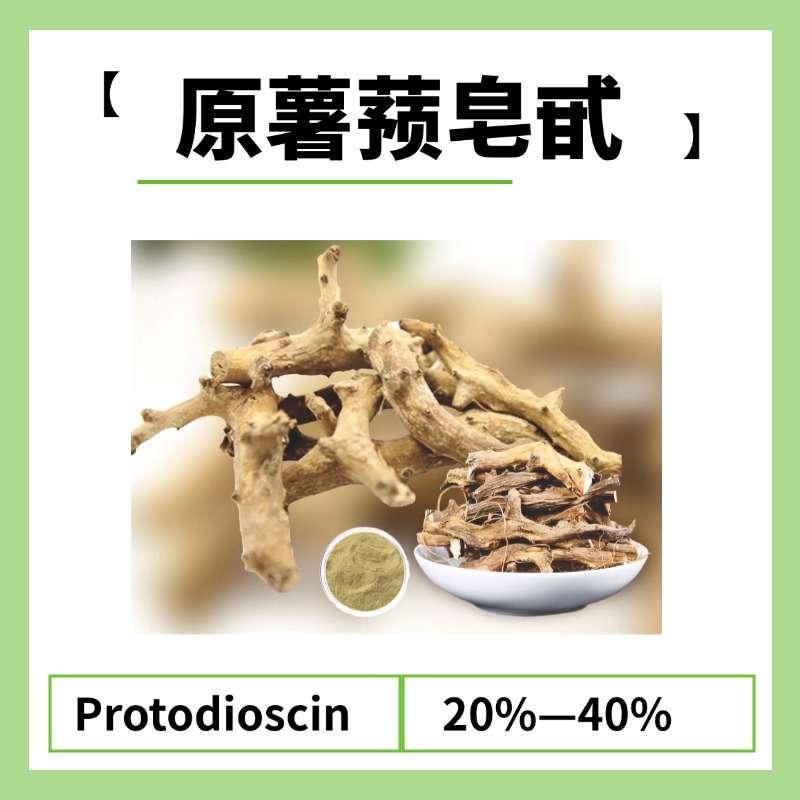
As the botanical extract industry matures, sourcing partners and formulators demand more than basic ingredient profiles—they need a thorough understanding of the science, regulatory landscape, and commercial possibilities behind each active compound. Diosgenin and its glycosidic forms, collectively known as diosgenyl glycosides, represent one of the most commercially significant families of steroidal saponins in the global B2B botanical market. Derived primarily from Dioscorea species (wild yam) and secondarily from fenugreek (Trigonella foenum-graecum), these compounds sit at the intersection of pharmaceutical synthesis, women’s health supplementation, cosmeceuticals, and cardiovascular support.
This guide consolidates the current body of scientific evidence, outlines the principal bioactive mechanisms, and provides practical sourcing guidance for manufacturers, brand owners, and contract formulators working with diosgenin-based materials.
Key Compounds: Diosgenin and Diosgenyl Glycosides
Diosgenin: The Steroidal Sapogenin Core
Diosgenin (3β-hydroxy-5α-spirost-25(27)-en-6-one) is a steroidal sapogenin—the aglycone backbone obtained when sugar moieties are hydrolyzed away from naturally occurring saponins. Its tetracyclic steroidal skeleton closely mirrors endogenous human steroid hormones, which explains both its broad pharmacological activity and its long history as a precursor molecule in pharmaceutical synthesis. Since the 1940s, diosgenin has served as the primary industrial starting material for manufacturing corticosteroids, sex hormones, and oral contraceptives through a process known as the Marker degradation.
The compound is typically extracted from the tuberous roots of Mexican wild yam (Dioscorea villosa) or Chinese yam (Dioscorea opposita), plants that accumulate diosgenin at concentrations ranging from 1.5% to 3.5% of dry root weight depending on species, growing region, and harvest timing. High-altitude, low-rainfall growing conditions generally produce roots with elevated diosgenin content, and wildcrafted Mexican yam is widely regarded as the highest-potency commercial source.
Diosgenyl Glycosides: Enhanced Bioavailability Forms
In their native plant form, diosgenin molecules are attached to one or more sugar chains—most commonly glucose, rhamnose, or xylose—forming what are collectively called diosgenyl glycosides or steroidal saponins. The sugar moieties in these glycosidic forms directly influence water solubility and oral bioavailability, making them the preferred form for certain supplement applications where rapid gastrointestinal absorption is prioritized over raw potency.
The most commercially relevant diosgenyl glycosides include dioscin (diosgenin-3-O-α-L-rhamnopyranosyl-(1→2)-[α-L-rhamnopyranosyl-(1→4)]-β-D-glucopyranoside) and gracillin. Both are isolated from Dioscorea species and have been the subject of substantial pharmacological research over the past two decades.
Extraction and standardization methods vary considerably between suppliers. Common approaches include:
- Solvent extraction: Ethanol or methanol-based processes that yield crude saponin fractions subsequently purified by column chromatography.
- Supercritical fluid extraction (SFE): CO₂-based techniques that operate at lower temperatures, preserving thermolabile bioactive constituents and reducing solvent residue concerns.
- Enzymatic hydrolysis: Selective cleavage of sugar units to produce standardized ratios of glycosides and the free aglycone, enabling precise specification of diosgenin content by HPLC.
For B2B buyers, the choice between a high-purity diosgenin isolate (≥95%) and a full-spectrum diosgenyl glycoside fraction depends on the intended application, target market, and regulatory framework in the destination country.
Hormonal Balance and Women’s Health
The most commercially significant category of diosgenin applications is women’s hormonal health, driven by growing consumer demand for evidence-based, plant-derived alternatives to conventional hormone replacement therapy (HRT). Diosgenin functions as a phytoestrogen precursor—a compound that interacts with estrogen receptors and modulates endogenous hormonal pathways without introducing exogenous synthetic estrogens.
Mechanisms of Hormonal Modulation
Diosgenin does not convert directly into estrogen or progesterone within the human body, a common misconception in consumer-facing marketing. Rather, it interacts with estrogen receptor subtypes (ERα and ERβ) and influences the expression of steroidogenic enzymes, exerting selective estrogenic and progestogenic effects depending on tissue type and hormonal milieu. This selective modulation is thought to underlie its favorable safety profile relative to systemic HRT.
Progesterone metabolism is also influenced through diosgenin’s interaction with 3β-hydroxysteroid dehydrogenase pathways, which helps stabilize mood and energy levels in women experiencing perimenopause—a phase characterized by erratic progesterone fluctuations.
Menopause Symptom Relief
Clinical and preclinical evidence consistently supports diosgenin’s utility in managing menopausal symptoms. A 2022 study published in Menopause reported that women supplementing with diosgenin experienced 47% fewer hot flash episodes compared to placebo, alongside measurable improvements in sleep quality and self-reported wellbeing. Critically, unlike estrogen-dominant HRT regimens, diosgenin supplementation has not been shown to increase breast cancer risk—an important consideration for safety-conscious formulators targeting the 40+ female demographic. A 2021 review in Molecular Nutrition & Food Research confirmed the absence of proliferative effects on breast tissue in available human and animal data.
Beyond hot flashes, diosgenin’s influence on progesterone metabolism supports reduction in perimenopausal fatigue and irritability, as documented in a 2019 study in Phytotherapy Research. These multi-symptom benefits make it highly suitable for comprehensive women’s health formulations rather than single-symptom products.
Applications in Hormone-Dependent Conditions
Research summarized in Oncology Reports (2019) has examined the role of diosgenyl glycosides in hormone-dependent cancer prevention, with particular attention to estrogen receptor-positive pathways. While conclusions remain preliminary and no health claims should be made without regulatory clearance, this area represents a significant emerging research direction relevant to pharmaceutical licensing partners and clinical-stage nutraceutical developers.
Anti-Aging and Skin Health
The cosmeceutical and ingestible beauty markets represent a high-growth vertical for diosgenin-based ingredients, underpinned by a well-characterized mechanism of action distinct from generic antioxidant claims.
Collagen Synthesis and Dermal Remodeling
Diosgenin has been shown to stimulate collagen synthesis by approximately 32% in human skin cell trials, according to research published in the Journal of Cosmetic Dermatology (2020). This effect is mediated through upregulation of TGF-β1 signaling and downstream activation of fibroblast collagen production, resulting in measurable improvements in skin elasticity, reduction of fine lines, and attenuation of photoaging markers. The mechanism is endogenous rather than topical, making oral diosgenin extracts particularly relevant for ingestible beauty supplements—a category experiencing double-digit annual growth in North American and European markets.
Skin benefits are closely linked to the hormonal modulation properties described above. Estrogen plays a key role in maintaining dermal collagen density; as estrogen levels decline during perimenopause, collagen production slows markedly. By supporting endogenous estrogenic activity, diosgenin effectively addresses skin aging through a dual mechanism—direct fibroblast stimulation and indirect hormonal support.
For cosmeceutical formulators, this dual mechanism creates a compelling narrative that differentiates diosgenin-based ingestible beauty products from conventional collagen peptide supplements, which work only through direct substrate provision. Pairing diosgenin with vitamin C (a required cofactor for collagen hydroxylation) in a single formulation is a scientifically grounded and commercially attractive combination that brand owners in the premium beauty supplement sector are increasingly adopting.
Antioxidant Defense
Diosgenyl glycosides also demonstrate potent antioxidant activity, scavenging reactive oxygen species (ROS) and enhancing the activity of endogenous antioxidant enzymes including superoxide dismutase (SOD) and catalase (CAT). This activity reduces oxidative stress in skin cells, complementing the collagen synthesis benefits and contributing to the overall anti-aging profile. Research reviewed in Phytochemistry Reviews (2020) documents these antioxidant mechanisms across multiple cell and animal model systems, supporting formulation of premium anti-aging supplement blends.
Anti-Inflammatory Properties
Chronic low-grade inflammation is recognized as a central driver of aging, metabolic disease, cardiovascular dysfunction, and several dermatological conditions. Diosgenyl glycosides address this through well-characterized immunomodulatory mechanisms documented across both in vitro and in vivo studies.
Cytokine Modulation
Key findings from the scientific literature include:
- Inhibition of pro-inflammatory cytokines: Diosgenyl glycosides downregulate the expression of interleukin-6 (IL-6) and tumor necrosis factor-alpha (TNF-α), two of the most clinically significant inflammatory mediators, through NF-κB pathway suppression.
- COX-2 inhibition: Diosgenin and its glycosides have demonstrated selective inhibitory activity against cyclooxygenase-2 (COX-2), the enzyme responsible for prostaglandin synthesis, mirroring the mechanism of non-steroidal anti-inflammatory drugs (NSAIDs) but without the gastrointestinal side effects associated with long-term NSAID use.
- Macrophage polarization: Preclinical data suggest diosgenin promotes M2 macrophage polarization, shifting the immune microenvironment from pro-inflammatory to anti-inflammatory, with implications for chronic inflammatory disease management.
These anti-inflammatory mechanisms make diosgenin extracts relevant ingredients not only in women’s health and anti-aging formulations but also in joint health supplements, sports recovery products, and general wellness blends targeting the 45+ demographic. For contract manufacturers developing multi-benefit formulations, diosgenin’s anti-inflammatory activity provides additive synergy with other anti-inflammatory botanicals such as boswellic acids, curcuminoids, and omega-3 fatty acid concentrates, enabling potent comprehensive inflammation-modulation blends with differentiated label claims.
Cardiovascular Support
Cardiovascular disease remains the leading cause of mortality in most developed markets, and botanical ingredients with evidence-based lipid-modulating effects command significant commercial attention from supplement brands and functional food manufacturers. Diosgenyl glycosides have a well-documented cardiovascular profile reviewed extensively in the Journal of Cardiovascular Pharmacology (2021).
Lipid Regulation
Clinical and preclinical research demonstrates that diosgenyl glycosides help regulate blood lipid levels through multiple complementary mechanisms:
- LDL cholesterol reduction: By upregulating LDL receptor expression in hepatocytes, diosgenin facilitates increased clearance of low-density lipoprotein from circulation, reducing a primary cardiovascular risk factor.
- Triglyceride lowering: Diosgenin inhibits pancreatic lipase activity and modulates lipogenic gene expression, contributing to reduced postprandial triglyceride elevation.
- HDL support: Some studies have reported modest increases in high-density lipoprotein (HDL) cholesterol, the cardioprotective fraction, though this effect is less consistent across study populations.
Vascular Function
Beyond lipid modulation, diosgenyl glycosides improve vascular function through endothelium-dependent vasodilation, partially mediated by increased nitric oxide (NO) bioavailability. This translates to modest but measurable reductions in blood pressure in hypertensive animal models and positions diosgenin extracts as viable ingredients for comprehensive cardiovascular health formulations. The anti-inflammatory properties described above further amplify cardiovascular benefit, given the established role of systemic inflammation in atherosclerotic plaque development and progression.
From a formulation standpoint, diosgenin’s cardiovascular mechanisms are complementary to those of established heart health ingredients such as plant sterols (which reduce cholesterol absorption), red yeast rice extracts (HMG-CoA reductase inhibition), and nattokinase (fibrinolytic activity). Brand owners developing comprehensive cardiovascular supplements may find that a diosgenin-inclusive blend provides broader mechanistic coverage than any single ingredient alone, which can serve as a meaningful point of differentiation in a crowded market category.
B2B Applications Across Industries
The breadth of diosgenin’s bioactivity translates directly into diverse commercial applications for ingredient buyers across multiple industry verticals.
Pharmaceutical Synthesis
The most established B2B application of diosgenin remains pharmaceutical manufacturing. High-purity diosgenin (≥95% by HPLC) serves as the critical starting material—or synthetic intermediate—for producing a wide range of steroidal drugs including:
- Corticosteroids (prednisolone, dexamethasone, hydrocortisone)
- Sex hormones (progesterone, testosterone, estradiol)
- Oral contraceptives (norethindrone, levonorgestrel)
- Anabolic and androgenic steroids used in clinical settings
Pharmaceutical-grade diosgenin requires documented chain of custody, detailed Certificate of Analysis (CoA) with HPLC assay, heavy metal testing to ICH Q3D standards, residual solvent analysis, and microbial limits testing compliant with relevant pharmacopeial standards (BP, USP, EP).
Dietary Supplements and Nutraceuticals
The dietary supplement market for diosgenin-based ingredients spans women’s health (menopausal support, hormonal balance), anti-aging, sports nutrition (natural testosterone support), cardiovascular health, and joint care. Key product formats include:
- Encapsulated powders (hard-shell gelatin or vegetarian capsules)
- Softgel formulations for enhanced bioavailability
- Tablet blends in multi-ingredient women’s wellness stacks
- Powder blends for functional food and beverage applications
Supplement-grade materials typically require ≥6% or ≥16% diosgenin standardization (depending on application), with full documentation for FDA 21 CFR Part 111 cGMP compliance, allergen statements, and non-GMO/organic certification where applicable.
Cosmeceuticals and Topical Formulations
Diosgenin’s collagen-stimulating and antioxidant properties make it attractive for cosmeceutical ingredient suppliers developing ingestible beauty lines, topical serums, and hybrid beauty-supplement products. Demand is strongest in South Korea, Japan, and premium European markets where ingestible skincare as a category is well established. Micronized diosgenin powders and nano-emulsified extracts suitable for topical incorporation represent a growing product subcategory within this segment.
Quality Standards and Responsible Sourcing
For B2B buyers evaluating diosgenin suppliers, quality differentiation is substantial—and due diligence at the sourcing stage directly impacts downstream product performance, regulatory compliance, and brand credibility.
Standardization and Assay
Industry-standard diosgenin extracts are characterized by HPLC assay for diosgenin content. Common commercial grades include:
- 6% diosgenin: Standard wild yam extract for general supplement applications
- 16% diosgenin: Concentrated grade for targeted women’s health formulations
- ≥95% diosgenin: Pharmaceutical-grade isolate for synthesis and premium nutraceuticals
Buyers should request HPLC chromatograms alongside CoA documents and verify that the stated assay method (UV vs. ELSD vs. MS detection) is appropriate for the compound and concentration range specified. Third-party laboratory verification by ISO 17025-accredited facilities provides the highest level of assay confidence.
Safety and Contaminant Testing
Responsible sourcing requires comprehensive contaminant screening:
- Heavy metals: Lead, arsenic, cadmium, mercury tested to USP, EU, or ICH Q3D limits
- Pesticide residues: Multi-residue screening per EU Regulation 396/2005 or equivalent
- Microbial limits: Total aerobic count, yeast and mold, absence of Salmonella and E. coli
- Residual solvents: Ethanol, methanol, and other process solvents per ICH Q3C
Sustainability and Supply Chain Traceability
Wild yam cultivation is concentrated in Mexico, China, and parts of sub-Saharan Africa. Buyers are advised to assess supplier sustainability practices given historical concerns about overharvesting of wild Dioscorea populations. Suppliers offering documented cultivated-source material, fair trade certifications, or third-party sustainability audits provide meaningful supply chain risk reduction alongside ethical sourcing assurance.
Frequently Asked Questions
What is the difference between diosgenin and diosgenyl glycosides?
Diosgenin is the free aglycone form of the compound—the steroidal sapogenin core obtained after removal of sugar moieties through hydrolysis. Diosgenyl glycosides are the naturally occurring forms in which diosgenin is attached to one or more sugar chains (such as glucose or rhamnose). The glycoside forms have different solubility characteristics and bioavailability profiles. High-purity diosgenin (≥95%) is the preferred form for pharmaceutical synthesis, while standardized glycoside fractions are often selected for dietary supplement applications where naturally derived, minimally processed ingredients are a priority.
Does diosgenin convert to estrogen or progesterone in the human body?
No. Despite widespread claims in consumer-facing marketing, diosgenin does not undergo direct conversion to estrogen or progesterone in human metabolism. The body lacks the enzymatic machinery to perform the Marker degradation reaction in vivo. Diosgenin does, however, interact with estrogen receptor subtypes and influence steroidogenic enzyme activity, producing measurable phytoestrogenic and progestogenic effects that are sufficient for its documented clinical benefits in hormonal health applications.
What certifications should I require from a diosgenin supplier?
At minimum, B2B buyers should request: a current Certificate of Analysis with HPLC assay, heavy metal testing results, microbial limits testing, and residual solvent analysis. For dietary supplement applications in the US, cGMP compliance documentation (FDA 21 CFR Part 111) is required. For EU markets, Novel Food status should be verified. Additional certifications that add commercial value include USDA Organic, Non-GMO Project Verified, Kosher, Halal, and ISO 17025 third-party laboratory accreditation for the assay methods cited on the CoA.
What is the recommended diosgenin dose range for supplement formulations?
Published clinical and preclinical research supports a dose range of 300–500 mg per day of standardized wild yam extract (equivalent to meaningful quantities of diosgenin depending on extract grade) for women’s hormonal health applications. High-purity diosgenin isolates are used at lower absolute weights per serving due to their concentrated potency. Formulators should consult the primary literature and work with qualified clinical advisors when establishing dosing parameters, particularly for products making structure-function claims in regulated markets.
How should diosgenin extracts be stored to maintain potency?
Diosgenin and diosgenyl glycoside powders are stable under standard ambient conditions but are sensitive to heat, humidity, and UV light exposure over extended periods. Recommended storage conditions are a cool, dry environment below 25°C with relative humidity below 60%, in sealed, opaque packaging with nitrogen or argon headspace flushing for long-term bulk storage. Properly stored pharmaceutical-grade diosgenin maintains potency for 24–36 months when accompanied by regular retest intervals and CoA updates. Buyers should confirm the supplier’s established shelf life, retest interval, and storage specification on the product CoA.
Conclusion
Diosgenin and diosgenyl glycosides represent a scientifically well-characterized, commercially versatile family of botanical actives with applications spanning pharmaceutical synthesis, women’s hormonal health, cosmeceuticals, anti-inflammatory formulations, and cardiovascular support. The compound’s structural relationship to endogenous steroid hormones underpins a remarkably broad bioactivity profile, while its long history in pharmaceutical manufacturing provides a regulatory precedent that benefits downstream supplement and functional food applications.
For ingredient buyers, the key differentiators in the diosgenin supply market are extract purity and standardization method, source plant material quality (cultivated versus wildcrafted, geographic origin), contaminant testing rigor, supply chain traceability, and supplier technical support capability. Engaging a supplier who provides full documentation, third-party verified assay results, and transparent sourcing practices is the most reliable foundation for building high-performance, market-differentiated formulations.
To request technical data sheets, sample material, or custom specifications for pharmaceutical or supplement-grade diosgenin extracts, contact the GL-Herb technical sales team directly.
As consumer awareness of phytoestrogenic compounds continues to grow and regulatory frameworks around botanical health claims mature, diosgenin-based ingredients are positioned to move from niche functional supplement category into mainstream preventive wellness—a transition that creates significant first-mover opportunity for brands willing to invest in clinical-grade raw materials and evidence-backed formulation strategies today.
Looking for Premium Plant Extracts?
Green Life Herb supplies 280+ botanical extracts with ISO/HALAL/Kosher certifications.
Custom specifications and sample orders available.