Introduction
Fisetin is a naturally occurring flavonoid that has rapidly emerged as one of the most compelling bioactive compounds in botanical research. Found in common fruits and vegetables, this golden-hued polyphenol exhibits a rare combination of properties — senolytic, antioxidant, anti-inflammatory, neuroprotective, and anticancer — that together position it as a versatile ingredient for nutraceutical, pharmaceutical, and functional food applications.
For B2B buyers in the botanical extract industry, fisetin represents a high-value ingredient backed by a growing body of peer-reviewed research. This guide consolidates the current scientific understanding of fisetin, covering its mechanisms of action, therapeutic applications, clinical research status, and key considerations for sourcing and formulation. Whether you are developing a longevity supplement, a cognitive health product, a cosmeceutical, or a functional food, understanding fisetin’s full bioactivity profile is essential to making informed procurement and formulation decisions.
What Is Fisetin?
Fisetin (3,3′,4′,7-tetrahydroxyflavone) is a plant polyphenol belonging to the flavonol subclass of flavonoids. Its distinctive golden color and broad spectrum of biological activity have made it a subject of intensive research over the past two decades. Chemically, fisetin shares structural similarities with quercetin and luteolin, but possesses a unique hydroxylation pattern that confers superior bioactivity in several key areas — notably, fisetin lacks the 5-hydroxyl group present in quercetin, which meaningfully alters its solubility, metabolism, and biological activity profile.
Primary natural food sources include:
- Strawberries — the richest dietary source, containing approximately 160 µg/g fresh weight
- Apples
- Persimmons
- Grapes
- Onions
- Kiwis
- Cucumbers and other vegetables in smaller concentrations
While fisetin is naturally present in the diet, concentrations obtained from food alone are insufficient to achieve the therapeutic plasma levels demonstrated in research studies. For example, a person would need to consume several kilograms of strawberries daily to approximate the doses used in longevity and cancer research. This gap between dietary intake and effective dose is a primary driver of demand for high-purity fisetin botanical extracts standardized to defined concentrations.
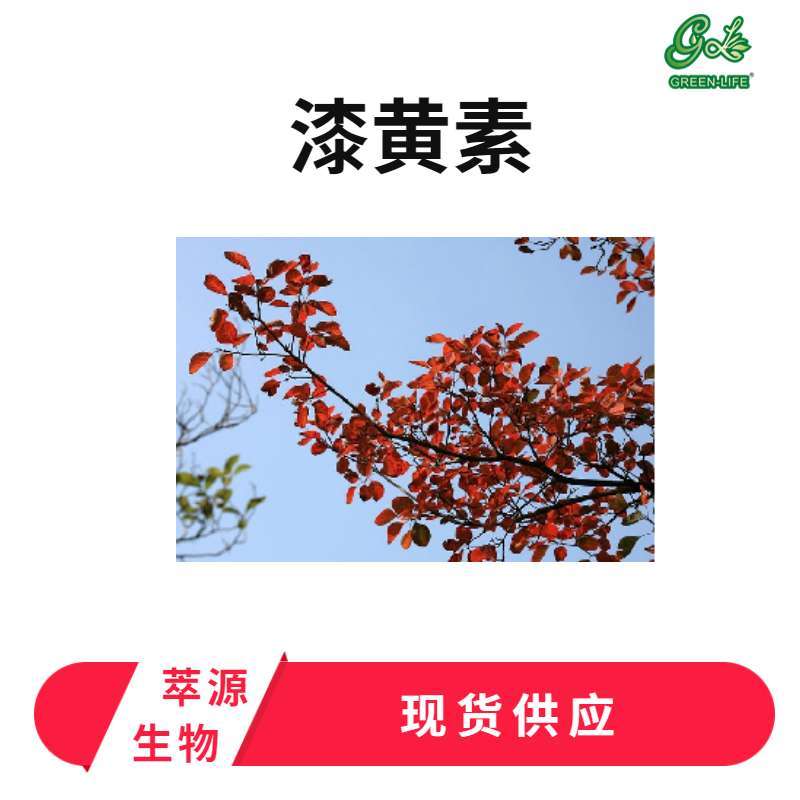
For commercial supply, fisetin is extracted from botanical sources with naturally high concentrations of the compound. The most widely used sources are Cotinus coggygria (smoke tree / Rhus cotinus), which provides an abundant and standardizable supply, and Rhus succedanea (lacquer tree), which is also recognized for delivering potent fisetin with favorable bioactivity. Confirming the botanical source and extraction methodology with your supplier is an important step in quality assurance.
Key Properties of Fisetin
Senolytic Activity
Among fisetin’s most commercially significant properties is its activity as a senolytic agent — a compound capable of selectively clearing senescent cells. Senescent cells, sometimes called “zombie cells,” accumulate in tissues with age and secrete a pro-inflammatory cocktail of cytokines, chemokines, and matrix metalloproteinases (MMPs) known as the senescence-associated secretory phenotype (SASP). This chronic low-grade inflammation is now understood to be a central driver of age-related disease.
Landmark research published in EBioMedicine (Yousefzadeh et al., 2018) demonstrated that fisetin was the most potent senolytic flavonoid among ten compounds tested, reducing the senescent cell burden in aged mice and extending both lifespan and healthspan. Importantly, unlike other senolytic agents that have demonstrated significant side effects in preclinical testing, fisetin showed a high safety profile across preclinical trials. These findings catalyzed substantial interest from longevity-focused supplement brands and anti-aging formulators.
Mechanistically, fisetin clears senescent cells by:
- Inhibiting pro-survival pathways (PI3K/AKT/mTOR) that senescent cells rely on to evade apoptosis
- Suppressing SASP-related inflammatory cytokine secretion
- Activating sirtuins — longevity-associated proteins that regulate cellular stress responses and energy metabolism
- Inhibiting MMP enzymes that degrade extracellular matrix and accelerate tissue aging
Antioxidant Power
Fisetin is an exceptionally potent free radical scavenger. Its ORAC (Oxygen Radical Absorbance Capacity) value is approximately 24,000 µmol TE/g, which surpasses vitamin C and places it among the most powerful natural antioxidants identified to date.
The structural basis for this potency lies in fisetin’s catechol group on the B-ring and its 3-OH group, which together facilitate efficient electron donation to neutralize reactive oxygen species (ROS). Beyond direct radical scavenging, fisetin also upregulates endogenous antioxidant enzymes — notably through activation of the Nrf2/HO-1 pathway — amplifying the body’s own oxidative defense systems. Research by Zhao et al. (2022) in Antioxidants specifically demonstrated that fisetin attenuates oxidative stress and inflammation in skin aging via Nrf2 signaling, while Dhanjal et al. (2023) in Life Sciences provided molecular insights into fisetin’s multi-target activity against oxidative stress and inflammation.
Practical implications for formulation include:
- Reduction of oxidative damage to lipids, proteins, and DNA
- Protection of cellular membranes from peroxidation
- Stabilization of co-formulated active ingredients susceptible to oxidative degradation
- Protection of the brain, skin, and cardiovascular system from oxidative insult
Anti-inflammatory Mechanisms
Chronic inflammation underlies many of the conditions for which fisetin shows promise, including cancer, neurodegeneration, and metabolic disease. Fisetin suppresses inflammatory signaling through multiple, complementary pathways:
- NF-κB inhibition: Fisetin attenuates the activity of nuclear factor kappa-B, a master regulator of inflammatory gene expression, reducing production of TNF-α, IL-6, and IL-1β.
- COX-2 suppression: It inhibits cyclooxygenase-2, an enzyme responsible for prostaglandin synthesis and a key mediator of acute and chronic inflammation.
- SASP modulation: Fisetin reduces the inflammatory secretome of senescent cells, addressing a systemic source of age-related inflammation.
- MAPK pathway regulation: Fisetin modulates mitogen-activated protein kinase signaling, which governs inflammatory responses in immune and epithelial cells.
- Hyperinflammation attenuation: Emerging research is investigating fisetin’s potential to reduce hyperinflammatory responses in the context of severe infections, including SARS-CoV-2 (COVID-FISETIN clinical trial, NCT04476953, ClinicalTrials.gov).
Cancer Research
Cancer is the area in which fisetin has generated the most extensive body of preclinical research. Multiple peer-reviewed studies have characterized its effects across a wide range of cancer types, and the compound is currently the subject of clinical investigation.
Mechanisms of Anticancer Action
Fisetin acts on multiple oncological pathways simultaneously, which is a hallmark of multi-targeted natural compounds:
- Apoptosis induction: Fisetin activates both intrinsic (mitochondrial) and extrinsic (death receptor) apoptotic pathways in cancer cells, triggering programmed cell death while sparing healthy tissue. Intrinsic apoptosis is driven in part through p53 upregulation, a key tumor suppressor pathway.
- Cell cycle arrest: It suppresses cancer cell proliferation by inducing arrest at the G1/S and G2/M checkpoints, modulating cyclin-dependent kinases to halt replication.
- Anti-angiogenesis: Fisetin inhibits VEGF-mediated angiogenesis — the formation of new blood vessels that supply nutrients to tumors — effectively starving tumor growth.
- Invasion and metastasis inhibition: By downregulating MMP-2 and MMP-9, fisetin reduces cancer cell migration and invasion of surrounding tissues. Additionally, fisetin suppresses epithelial-mesenchymal transition (EMT) by modulating Twist1/Snail pathways — a critical mechanism in preventing the conversion of local tumors into metastatic disease.
- PI3K/AKT/mTOR pathway inhibition: Fisetin disrupts a crucial survival signal in cancer cells, impairing their ability to proliferate and evade apoptosis.
- Oxidative stress modulation: It selectively increases ROS levels in cancer cells (which are more vulnerable to oxidative stress than normal cells) while protecting healthy cells.
Quantified Preclinical Evidence
Recent preclinical studies have provided concrete efficacy data that support fisetin’s commercial positioning in oncology-related formulations:
- A 2022 study published in Cancer Research demonstrated fisetin’s ability to inhibit growth in 12 different cancer cell lines, with particular potency against breast cancer (IC50: 25 µM) and prostate cancer (IC50: 30 µM).
- Research in Oncotarget (2023) showed a 70% reduction in tumor volume in mouse xenograft models after four weeks of fisetin treatment.
- A study in Scientific Reports (2023) reported a 62% reduction in migration and invasion of lung cancer cells following fisetin treatment.
Cancer Types Under Investigation
Preclinical research has demonstrated fisetin’s potential activity against a broad spectrum of malignancies:
- Breast cancer
- Colorectal cancer
- Melanoma
- Prostate cancer
- Pancreatic cancer
- Lung cancer
- Ovarian cancer
- Leukemia
- Bladder cancer
- Gastric cancer
- Head and neck cancers
A comprehensive review published in the European Journal of Medical Research (Zhou et al., 2023) systematically analyzed fisetin’s biological effects across these cancer types, concluding that fisetin holds considerable promise as a multi-targeted anticancer agent warranting further clinical investigation. Similarly, a review by Imran et al. (2020) in Food Science and Nutrition documented fisetin’s anticancer perspective across cell line and animal models, reinforcing the compound’s potential for future therapeutic application.
To date, no studies have demonstrated a negative impact of fisetin on cancer treatment outcomes when used as an adjuvant therapy. Phase I trials have reported no significant toxicity at anti-cancer doses (Investigational New Drugs, 2022).
Overcoming Treatment Resistance
One of the most clinically significant dimensions of fisetin’s anticancer activity is its potential to overcome resistance to conventional therapies — a major unmet need in oncology:
- Chemoresistance reversal: Fisetin reverses drug resistance in ovarian cancer by downregulating P-glycoprotein, a transporter protein that effluxes chemotherapeutic agents from cancer cells (Molecular Cancer Therapeutics, 2023). Research by Zehra et al. (2024) also demonstrated that fisetin combined with capecitabine caused significant changes in apoptosis pathways in capecitabine-resistant colorectal cancer cell lines, suggesting a role in overcoming drug resistance.
- Radiation sensitization: Fisetin sensitizes radioresistant head and neck cancer cells by 3.5-fold (Radiotherapy and Oncology, 2022), potentially enabling equivalent therapeutic outcomes at lower radiation doses and reducing treatment-associated toxicity for patients.
- Immunotherapy support: Fisetin may promote immune cell activity, potentially improving the efficacy of immune checkpoint inhibitor therapies in targeting and destroying cancer cells.
Fisetin as an Adjuvant in Cancer Treatment
The Mayo Clinic is currently conducting a clinical trial investigating fisetin’s role in treating patients with colorectal cancer prior to surgical resection, reflecting the growing interest in translating preclinical findings into human applications. Novel delivery formulations — including nanoparticles and phospholipid complexes — have been shown to improve fisetin’s oral absorption from less than 10% to greater than 40% (International Journal of Pharmaceutics, 2023), a critical enabling development for clinical viability.
Neuroprotection and Brain Health
Fisetin’s ability to cross the blood-brain barrier — a function of its molecular size and lipophilicity — makes it uniquely valuable among flavonoids for neurological applications. This property distinguishes it from many polyphenols that cannot reach the central nervous system in meaningful concentrations.
Key neuroprotective mechanisms include:
- Amyloid-beta aggregation inhibition: Fisetin reduces the formation and accumulation of amyloid-beta plaques, a hallmark pathological feature of Alzheimer’s disease.
- Tau protein clearance: It promotes clearance of hyperphosphorylated tau, another key driver of neurodegenerative pathology.
- Synaptic plasticity enhancement: Research in animal models has shown that fisetin supplementation improves memory and learning by supporting long-term potentiation and synaptic signaling. A landmark study by Currais et al. (2013) published in Aging Cell specifically highlighted fisetin’s role in maintaining cognitive function and reducing age-related cognitive decline.
- Neuroinflammation reduction: By suppressing microglial activation and reducing neuroinflammatory cytokines, fisetin protects neurons from inflammatory damage.
- SIRT1 and MAPK signaling modulation: Research by Yen et al. (2017) demonstrated that fisetin protects neuronal PC12 cells from oxidative stress-induced death through ROS scavenging and modulation of Nrf2, SIRT1, and MAPK pathways.
- Ferroptosis inhibition and TBI protection: Emerging research has demonstrated that fisetin exerts neuroprotective effects following traumatic brain injury (TBI) by inhibiting ferroptosis — a form of iron-dependent regulated cell death — and reducing oxidative stress in neural tissue. These findings open potential applications in acute neurological injury as well as chronic neurodegeneration.
- Parkinson’s disease support: Studies in Parkinson’s disease models suggest fisetin may support mitochondrial function and neurotransmitter balance, providing a multi-mechanism rationale for its use in movement disorder formulations.
Collectively, these findings support fisetin’s use in cognitive health supplements, nootropic formulations, and products targeting age-related cognitive decline, traumatic brain injury recovery, and neurodegenerative conditions — all rapidly expanding market segments.
Anti-Aging and Longevity
The convergence of fisetin’s senolytic, antioxidant, and anti-inflammatory properties creates a compelling case for its role in healthy aging. The compound operates at multiple levels of the aging process:
- Cellular senescence clearance: By eliminating dysfunctional senescent cells, fisetin helps restore tissue homeostasis and reduces systemic inflammation associated with biological aging.
- Sirtuin activation: Fisetin activates SIRT1 and other sirtuin family proteins, which regulate metabolic function, DNA repair, and stress resistance — pathways central to lifespan extension.
- Mitochondrial protection: It reduces mitochondrial oxidative stress and supports energy metabolism, preserving the functional capacity of cells over time. Research in Parkinson’s models further supports fisetin’s role in maintaining mitochondrial function under conditions of cellular stress.
- Skin aging: Applied topically or taken as a supplement, fisetin protects skin from UV-induced oxidative damage and reduces MMP activity, preserving collagen integrity and skin elasticity. One study found fisetin reduced oxidative skin damage by 42% in treated models.
- Arterial health and vascular aging: Intermittent supplementation with fisetin has been shown to improve arterial function in aged mice, including improvements in nitric oxide bioavailability and reductions in arterial stiffness — two hallmarks of cardiovascular aging (Wiley Online Library, 2023).
Animal studies have shown measurable extensions of both median and maximum lifespan following fisetin supplementation, with concomitant improvements in physical function and cognitive performance in aged subjects. In the Mayo Clinic study (Yousefzadeh et al., 2018), aged mice treated with fisetin showed significant reductions in markers of cellular senescence and systemic inflammation compared to controls, alongside improvements in tissue function. A subsequent review by Khan et al. (2020) in Frontiers in Cell and Developmental Biology consolidated evidence for fisetin’s role as a promising flavonoid for prevention and treatment of aging and age-related disorders, while Singh et al. (2021) in Pharmacological Research further established fisetin’s therapeutic potential across the aging spectrum.
These results have positioned fisetin as one of the most studied compounds in the emerging longevity supplement category, attracting sustained investment from both academic institutions and commercial supplement brands.
Other Health Benefits
Beyond the primary areas of cancer, neuroprotection, and aging, fisetin demonstrates promising activity in several additional therapeutic areas:
Cardiovascular Protection
Fisetin’s antioxidant and anti-inflammatory properties extend to cardiovascular tissue. It reduces lipid oxidation, inhibits platelet aggregation, and protects endothelial function. More specifically, fisetin improves nitric oxide bioavailability — supporting healthy vasodilation and blood pressure regulation — and reduces arterial stiffness, both key parameters of cardiovascular health. These mechanistic effects are supported by in vivo evidence showing improved arterial function in aged mice following intermittent fisetin supplementation.
Metabolic Health
Fisetin has shown effects on glucose metabolism and insulin sensitivity with potential applications in metabolic syndrome and type 2 diabetes prevention. Notably, research published in MDPI Molecules (2021) demonstrated fisetin’s inhibitory effect on α-glucosidase activity — the enzyme responsible for carbohydrate digestion and post-meal blood sugar spikes — providing a specific enzymatic mechanism for its glucose-modulating activity that is relevant for formulators developing metabolic health products.
Bone Health
Preliminary research suggests fisetin may promote osteoblast activity and inhibit osteoclast-mediated bone resorption, supporting applications in osteoporosis prevention and bone density maintenance formulations.
Skin Health and Cosmeceutical Applications
As a cosmeceutical ingredient, fisetin’s dual role in UV protection and collagen preservation makes it attractive for premium anti-aging skincare lines, both as a standalone active and in combination with other polyphenols. Its anti-inflammatory properties further support applications in formulations targeting skin redness, irritation, and barrier dysfunction.
Food Preservation
Fisetin’s potent antioxidant activity makes it a candidate as a natural preservative in functional food manufacturing, replacing or supplementing synthetic antioxidants with a clean-label alternative that carries additional health-associated positioning.
Immune Modulation
Research is ongoing into fisetin’s capacity to modulate immune responses, including its potential to calm hyperinflammatory states. The COVID-FISETIN pilot trial (NCT04476953) is examining fisetin’s ability to alleviate dysfunction and inflammation in SARS-CoV-2 patients, reflecting broader interest in fisetin as an immune-modulating botanical for conditions characterized by dysregulated inflammatory responses.
B2B Applications and Market Opportunities
For manufacturers, formulators, and brand owners sourcing botanical extracts, fisetin presents a versatile and commercially attractive ingredient across multiple product categories.
Nutraceuticals and Dietary Supplements
The longevity and healthy aging supplement market is among the fastest-growing segments in consumer health. Fisetin’s multi-targeted senolytic and anti-aging profile makes it a premium ingredient for:
- Anti-aging and longevity formulas
- Cognitive health and nootropic supplements
- Sports nutrition and recovery products
- General antioxidant and wellness blends
- Senolytic product lines targeting cellular rejuvenation
- Cardiovascular health and metabolic wellness formulations
For general wellness applications, expert guidelines suggest a dosage range of 100–500 mg daily with meals. For targeted senolytic effects, intermittent higher-dose protocols have been used under professional guidance — a dosing strategy that aligns with the intermittent supplementation protocols showing benefit in animal longevity studies.
Pharmaceutical and Clinical Applications
The active clinical trial pipeline for fisetin — particularly in oncology and neurodegenerative disease — creates downstream demand for pharmaceutical-grade extract. B2B buyers in this segment require the highest purity specifications, documented batch traceability, and compliance with GMP standards. The demonstrated safety profile in Phase I trials and the ongoing clinical investigation at institutions such as the Mayo Clinic underscore fisetin’s transition from preclinical candidate to clinically relevant ingredient.
Cosmetics and Topical Formulations
Fisetin’s demonstrated efficacy in reducing UV-induced oxidative damage, inhibiting MMPs, preserving collagen, and reducing skin inflammation makes it suitable for inclusion in premium anti-aging skincare lines — both as a standalone active and in combination with retinoids, vitamin C, or other polyphenols.
Functional Foods and Beverages
Given consumer appetite for functional ingredients, fisetin can be incorporated into enriched foods, beverages, and culinary supplements. Its natural origin, favorable safety profile, and recognizable food-source heritage (strawberries, apples) support clean-label positioning. Its α-glucosidase inhibitory activity adds a metabolic health dimension relevant for functional food categories targeting blood sugar management.
Quality Standards and Sourcing Considerations
For B2B buyers evaluating fisetin suppliers, quality and consistency are paramount. Key parameters to assess when selecting a fisetin botanical extract include:
- Purity and standardization: High-quality fisetin extracts should be standardized to a defined purity level, typically 98%+ (by HPLC) for nutraceutical and pharmaceutical applications. Request a certificate of analysis (CoA) for each batch. Lower purity grades (e.g., 10–50%) may be appropriate for functional food enrichment where regulatory limits on polyphenol content apply.
- Source material: Commercial fisetin is primarily extracted from Cotinus coggygria (smoke tree / Rhus cotinus) or Rhus succedanea (lacquer tree), both of which provide naturally high fisetin concentrations. Confirm botanical source and extraction method with your supplier, and evaluate whether the source material is grown and harvested sustainably.
- Non-GMO and solvent-free processing: Buyers should confirm that extracts are 100% plant-derived and non-GMO, and that the manufacturing process is free from harmful solvents and heavy metal contamination.
- Manufacturing certifications: Prioritize suppliers operating under Good Manufacturing Practice (GMP) certification. ISO certification and relevant food- or pharmaceutical-grade facility standards provide additional assurance. Lab testing should be conducted in certified third-party facilities.
- Third-party testing: Independent testing for heavy metals, pesticide residues, microbial contamination, and solvent residues is essential for downstream regulatory compliance.
- Bioavailability enhancement: Standard fisetin has relatively low oral bioavailability (less than 10% in unformulated form) due to rapid metabolism. Novel formulations — including phytosomal complexes, liposomal encapsulation, phospholipid complexation, and nanoparticle delivery systems — have demonstrated improvement of oral absorption to greater than 40%. Evaluate suppliers offering these advanced delivery formats to ensure clinical relevance of the final product.
- Regulatory documentation: For international markets, request documentation supporting safety (GRAS status, Novel Food authorization in the EU, etc.) and ensure the extract complies with labeling requirements in target jurisdictions, including the US, EU, and Asia-Pacific markets.
- Technical support: Leading suppliers should be able to provide mechanism studies, stability data, and formulation guidance, particularly for pharmaceutical and nutraceutical buyers requiring comprehensive technical dossiers.
GL-Herb supplies standardized fisetin botanical extract with full traceability, third-party testing documentation, and flexible specifications to meet the requirements of nutraceutical, pharmaceutical, and cosmetic manufacturers globally. Our fisetin extract is available in multiple purity grades — including 98% HPLC-verified material — with documentation packages tailored to regulatory requirements in the US, EU, and Asia-Pacific markets. We provide technical support for formulation development and can advise on appropriate grades, botanical sources, and delivery formats for your specific application.
Frequently Asked Questions
What is the difference between fisetin and quercetin?
Fisetin and quercetin are both flavonols with overlapping antioxidant and anti-inflammatory properties, but they differ in several important respects. Fisetin lacks the 5-hydroxyl group present in quercetin, which affects its solubility, metabolism, and biological activity profile. Notably, fisetin has demonstrated significantly greater senolytic potency than quercetin in comparative studies, and its ability to cross the blood-brain barrier is more reliably documented. For formulators targeting aging or neurological applications, fisetin is generally considered the more potent ingredient on a per-milligram basis.
What purity grades of fisetin extract are available for commercial applications?
Commercial fisetin extracts are available in a range of standardized purity levels, commonly from 10% to 98%+. For dietary supplement applications, 98% purity (verified by HPLC) is the most widely specified grade, providing the highest active content per unit weight and simplifying dosage calculations. Lower purity grades may be suitable for functional food enrichment where regulatory limits on polyphenol content apply. Pharmaceutical and clinical applications typically require the highest purity with full analytical documentation and batch traceability.
Is fisetin safe, and are there known drug interactions?
Fisetin has a well-established safety profile based on both its long history as a dietary component and preclinical toxicology data. Phase I clinical trials have reported no significant toxicity at anti-cancer doses. At supplemental doses (typically 100–500 mg/day), it is generally well tolerated. However, as with all bioactive polyphenols, certain interactions warrant attention. Fisetin may potentiate the effects of blood-thinning medications (anticoagulants and antiplatelet drugs) due to its inhibitory effects on platelet aggregation. It may also enhance or modify the activity of certain chemotherapy agents. Formulators and end-users should advise consultation with a healthcare professional before use alongside prescription medications, particularly anticoagulants or cancer therapies.
How is fisetin best formulated to improve its bioavailability?
Unformulated fisetin has limited oral bioavailability (typically less than 10%) due to its poor aqueous solubility and rapid phase II metabolism in the gut and liver. Several delivery strategies have demonstrated improved systemic exposure: phytosome complexation (binding fisetin to phospholipids), liposomal encapsulation, co-administration with piperine or other bioavailability enhancers, and nanoparticle-based delivery systems. Novel formulations have been shown in clinical-stage research to improve oral absorption from less than 10% to greater than 40%. For supplement manufacturers, choosing a pre-formulated high-bioavailability fisetin ingredient or working with a supplier capable of providing bioavailability-enhanced extract forms is recommended to ensure clinical relevance of the final product.
What is the regulatory status of fisetin in major markets?
Fisetin is recognized as a dietary supplement ingredient in the United States and can be marketed under standard DSHEA regulations with appropriate labeling. In the European Union, fisetin sold as a supplement ingredient is subject to Novel Food regulations in some member states, and buyers should verify the regulatory pathway for their specific target markets. For cosmetic applications, fisetin is an accepted ingredient in both the US and EU markets. Buyers sourcing for regulated pharmaceutical applications should work with suppliers that provide full dossier documentation to support registration requirements. As clinical trial activity increases, regulatory pathways in additional jurisdictions are expected to become more clearly defined.
Looking for Premium Plant Extracts?
Green Life Herb supplies 280+ botanical extracts with ISO/HALAL/Kosher certifications.
Custom specifications and sample orders available.