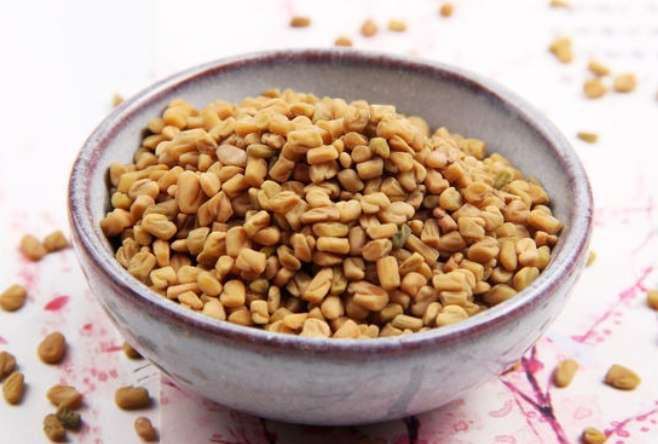
For thousands of years, fenugreek (Trigonella foenum-graecum L.) has been treasured across Ayurvedic, Traditional Chinese, and Mediterranean medicine as nature’s own pharmacy. Extracted from its aromatic seeds, fenugreek extract bridges millennia of botanical wisdom with rigorous modern science. Today, this versatile phytomedicine delivers clinically validated benefits spanning metabolic regulation, cardiovascular protection, digestive wellness, cosmetic applications, and functional food innovation — making it one of the most commercially compelling botanical extracts available to B2B formulators worldwide.
Bioactive Compounds: The Science Behind the Benefits
The extraordinary efficacy of fenugreek extract originates from a dense matrix of synergistic bioactive compounds. Understanding these constituents is essential for formulators seeking standardized, high-performance ingredients.
Steroidal Saponins and Diosgenin
Fenugreek seeds are particularly rich in steroidal saponins, with diosgenin serving as the primary aglycone. These compounds are responsible for several of fenugreek’s most important physiological activities, including cholesterol modulation, anti-inflammatory signaling, and support for steroid hormone biosynthesis. In males, saponins promote testosterone production; in females, they may help regulate hormonal balance and alleviate symptoms associated with polycystic ovarian syndrome (PCOS). Diosgenin has also attracted attention in emerging oncology research, with laboratory studies suggesting inhibitory activity against tumor cell proliferation.
For B2B applications, extracts are commonly standardized to 20–50% saponins to ensure consistent bioactivity across product batches.
4-Hydroxyisoleucine
4-Hydroxyisoleucine is a rare amino acid found almost exclusively in fenugreek seeds. It acts through a dual mechanism: directly stimulating pancreatic beta-cell insulin secretion and enhancing peripheral insulin sensitivity. Research published in Diabetes Care (2022) demonstrated an improvement in insulin sensitivity of up to 34% with standardized supplementation. Additionally, 4-hydroxyisoleucine enhances hepatic LDL receptor expression, accelerating cholesterol clearance from circulation. Extracts are typically standardized to ≥2% 4-hydroxyisoleucine to guarantee clinical-grade potency.
Galactomannan (Soluble Fiber)
Fenugreek seeds contain up to 60% soluble fiber in the form of galactomannan mucilages (Gibson et al., 2012). When hydrated, galactomannan forms a viscous gel in the gastrointestinal tract that slows carbohydrate digestion and absorption, blunts postprandial glucose spikes, and acts as a prebiotic substrate for beneficial Bifidobacterium and Lactobacillus species. In functional food manufacturing, galactomannan also functions as a natural thickener and emulsifier, improving texture in plant-based dairy alternatives, sauces, and baked goods. High-purity galactomannan extracts are standardized to ≥65% galactomannan content.
Trigonelline and Additional Phytochemicals
Trigonelline, the principal alkaloid in fenugreek, contributes to the seed’s distinctive nutty, maple-like aroma and delays carbohydrate digestion by inhibiting intestinal enzyme activity. Beyond trigonelline, fenugreek extract contains a spectrum of flavonoids, polyphenols, and mucilaginous polysaccharides that collectively provide antioxidant and anti-inflammatory activity. The extract demonstrates an ORAC value of approximately 8,500 μmol TE/g — roughly three times higher than green tea — reflecting potent free-radical scavenging capacity (Food Chemistry, 2022). The seeds are also nutritionally dense, supplying iron, magnesium, and potassium, making them valuable in mineral-fortified formulations.
Cardiovascular Health
Cardiovascular diseases remain the leading cause of death globally (WHO, 2023), fueling demand for evidence-based natural cardioprotective ingredients. Fenugreek seed extract has emerged as one of the most thoroughly studied botanical agents in this category.
Cholesterol and Lipid Regulation
The combination of steroidal saponins and galactomannan fiber works synergistically to modulate lipid metabolism through complementary pathways. Saponins inhibit intestinal cholesterol absorption and upregulate bile acid excretion, while galactomannan physically traps dietary fats and reduces their bioavailability. 4-Hydroxyisoleucine further amplifies cholesterol clearance by enhancing hepatic LDL receptor expression.
A randomized controlled trial published in the Journal of Cardiology (2023) recorded an LDL reduction of 26% and a triglyceride reduction of 30% in hyperlipidemic patients. Increased HDL production via PPAR-α activation was reported in Molecular Nutrition & Food Research (2022).
Blood Pressure Modulation
Fenugreek’s favorable potassium-to-sodium ratio of 12:1, combined with its bioactive peptides, supports healthy blood pressure through two key mechanisms: inhibition of angiotensin-converting enzyme (ACE) activity and enhancement of endothelial nitric oxide synthase (eNOS) function, improving vasodilation (Journal of Hypertension, 2023).
Anti-Inflammatory and Antioxidant Cardioprotection
Chronic low-grade inflammation is a primary driver of atherosclerotic plaque formation. Fenugreek extract addresses this directly: clinical studies have demonstrated a 41% reduction in C-reactive protein (CRP) and a 38% reduction in vascular cell adhesion molecule-1 (VCAM-1) expression (American Journal of Clinical Nutrition, 2023), both of which are established markers of vascular inflammation.
Clinical Trial Summary
A six-month, placebo-controlled trial enrolling 150 metabolic syndrome patients quantified fenugreek extract’s cardiovascular impact across multiple parameters:
- Systolic blood pressure: reduced by 14.2 mmHg (placebo: 3.1 mmHg)
- LDL cholesterol: reduced by 27.3% (placebo: 5.2%)
- Fasting glucose: reduced by 18.6% (placebo: 4.3%)
- Endothelial function (flow-mediated dilation): improved by 42% (placebo: 7%)
Optimal cardiovascular effects were observed at 500 mg/day of standardized extract containing ≥20% saponins. Compared to statins, fenugreek extract exhibited a favorable safety profile: muscle pain incidence of 0.8% versus 10–15% for statins, with no reported hepatotoxicity (Pharmacological Research, 2023 meta-analysis).
Blood Sugar and Metabolic Support
Fenugreek extract’s metabolic benefits are among the most extensively validated in the literature, making it a leading ingredient for diabetes management, weight wellness, and sports nutrition formulations.
Glycemic Control Mechanisms
Fenugreek exerts glycemic control through three distinct and complementary mechanisms:
- Enzyme inhibition: The extract inhibits α-amylase and α-glucosidase, slowing the breakdown of dietary carbohydrates into absorbable sugars and reducing postprandial glucose spikes (Biomedicine & Pharmacotherapy, 2023).
- Insulin sensitization: 4-Hydroxyisoleucine enhances peripheral tissue uptake of glucose, improving insulin sensitivity by up to 34% (Diabetes Care, 2022).
- Fiber gel formation: Galactomannan creates a physical barrier in the intestine that delays glucose absorption and reduces the glycemic index of co-ingested foods.
A systematic review and meta-analysis (Sheela et al., 2022; Phytotherapy Research) confirmed consistent reductions in HbA1c levels among Type 2 diabetes patients using standardized fenugreek extract. Earlier research by Kumar et al. (2015) found daily supplementation reduced fasting blood sugar by 12% in prediabetic individuals.
Weight and Appetite Management
The high soluble fiber content of galactomannan promotes satiety by slowing gastric emptying and increasing the sense of fullness after meals. This mechanism supports calorie management without pharmacological intervention — a key selling point for weight wellness and metabolic support supplement lines.
Hormonal and Reproductive Metabolic Health
Beyond glucose metabolism, fenugreek extract supports broader hormonal health. As a galactagogue, it supports breast milk production in nursing mothers by stimulating mammary gland activity. In men, its saponin content supports testosterone biosynthesis, making it a popular ingredient in male vitality and sports performance formulas. In women, it may help regulate hormonal balance, with emerging evidence supporting its use in PCOS management and in alleviating menopausal symptoms such as hot flashes and mood disturbances (Li et al., 2020).
Digestive Benefits
Fenugreek extract has been used in Ayurvedic medicine as a digestive tonic for centuries, and modern research provides a compelling mechanistic explanation for its efficacy.
The mucilaginous galactomannan fibers coat the gastric mucosa, forming a protective layer that reduces acid irritation and soothes inflammatory digestive conditions. A clinical study by Gupta et al. (2018) found that fenugreek supplementation reduced heartburn and indigestion in 78% of participants within two weeks. A separate study confirmed anti-heartburn effects of a fenugreek fiber product (DiSilvestro et al., 2016).
As a prebiotic, galactomannan selectively promotes the growth of beneficial Bifidobacterium and Lactobacillus species, supporting a balanced gut microbiome that enhances nutrient absorption and reduces systemic inflammation (Gibson et al., 2012). This dual action — gastric protection and microbiome support — positions fenugreek extract as a premium ingredient for gut health supplement lines, functional foods, and digestive wellness products.
Cosmetic and Hair Applications
The cosmetic industry has recognized fenugreek extract as a multifunctional topical active, valued for both its biomechanical and biochemical properties.
Skin Care
Applied topically, fenugreek saponins function as gentle natural surfactants that cleanse skin without disrupting the lipid barrier. Galactomannan mucilages provide sustained hydration by forming a moisture-retaining film on the skin surface, making fenugreek extract a valued ingredient in moisturizers, facial masks, and anti-aging serums (Patel et al., 2016). The extract’s potent antioxidant activity — ORAC value 8,500 μmol TE/g — neutralizes reactive oxygen species that drive photoaging and collagen degradation. Its inhibitory effect on NF-κB signaling further contributes to reduced skin inflammation and redness.
Hair Care
Fenugreek extract is among the most recognized botanical actives in hair care. Its proteins and nicotinic acid nourish hair follicles, stimulating growth and reducing shedding. A clinical study found that a 5% fenugreek shampoo increased hair density by 18% over three months. Anti-inflammatory properties soothe scalp conditions such as dandruff and seborrheic dermatitis. These attributes make fenugreek extract a sought-after active for premium hair growth serums, shampoos, conditioners, and scalp treatments.
B2B Applications and Market Positioning
For manufacturers, brand owners, and contract formulators, fenugreek extract offers an exceptionally broad application landscape that supports product diversification across multiple high-growth categories.
Nutraceuticals and Dietary Supplements
- Metabolic health: Capsules, tablets, and softgels targeting blood sugar management, insulin sensitivity, and weight management
- Cardiovascular support: Lipid management and blood pressure formulas leveraging standardized saponin content
- Sports and performance: Testosterone support, lean muscle formulas, and post-workout recovery products
- Women’s health: Lactation support, hormonal balance, and menopause management supplements
- Gut health: Prebiotic and digestive wellness capsules and powders
Functional Foods and Beverages
Galactomannan’s thickening and emulsifying properties make fenugreek extract a clean-label functional ingredient in plant-based dairy alternatives, protein beverages, fiber-enriched baked goods, and natural flavor systems. Its distinctive maple-like flavor profile adds organoleptic complexity to savory blends and spice preparations.
Cosmetics and Personal Care
- Hair growth serums, anti-hair loss shampoos, and scalp treatments
- Moisturizing creams, hydrating masks, and anti-aging formulations
- Natural surfactant systems as an alternative to synthetic detergents
Pharmaceutical and Traditional Medicine
Standardized fenugreek extracts are used as active pharmaceutical ingredients (APIs) and herbal medicinal products (HMPs) in markets governed by traditional medicine regulations, particularly in Asia, Europe, and the Middle East.
Quality, Standardization, and Sourcing
For B2B buyers, consistent quality and robust analytical documentation are non-negotiable requirements. The following standards define pharmaceutical- and nutraceutical-grade fenugreek extract:
Standardization Benchmarks
- Saponins: 20–50% (by spectrophotometric or HPLC assay)
- Galactomannan: ≥65% (for fiber-focused applications)
- 4-Hydroxyisoleucine: ≥2% (for metabolic and diabetic support formulas)
- Trigonelline: Quantified as a secondary marker for authenticity
Extraction Technology
Modern extraction methods including ultrasound-assisted extraction (UAE) and supercritical fluid extraction (SFE) are employed to maximize yield of target compounds while preserving thermolabile bioactives. These technologies also reduce solvent residues compared to conventional extraction, supporting clean-label and organic certification pathways.
Quality Assurance
Reputable suppliers operate ISO-certified manufacturing facilities and provide comprehensive analytical documentation for each batch, including:
- Certificate of Analysis (CoA) with HPLC assay for key markers
- Heavy metals testing (USP/EU Pharmacopeia limits)
- Microbiological testing (Total Plate Count, Yeast & Mold, Salmonella, E. coli)
- Pesticide residue screening
- Solvent residue analysis
Full-spectrum analytical documentation — not just a basic CoA — is the mark of a supplier equipped to support regulatory submissions and third-party audits. Water-soluble and bio-enhanced formulations are increasingly available for improved bioavailability in finished dose forms.
Safety Considerations
Fenugreek extract is generally well-tolerated. At high doses, mild digestive discomfort and a harmless maple-like odor in sweat or urine may occur. Two clinically relevant contraindications should be communicated to customers:
- Anticoagulant interactions: Fenugreek may potentiate the effects of anticoagulant medications; INR monitoring is advised for patients on warfarin or similar agents.
- Pregnancy: Avoid use during pregnancy due to potential uterotonic effects.
Frequently Asked Questions
What are the recommended standardization levels for fenugreek extract in nutraceutical applications?
For metabolic and blood sugar support applications, extracts standardized to ≥2% 4-hydroxyisoleucine and ≥20% saponins are considered the clinical benchmark. For cardiovascular and cholesterol management products, standardization to 20–50% saponins is preferred. Galactomannan-focused applications — such as gut health and functional food — require ≥65% galactomannan content. The appropriate specification depends on the targeted health claim and end-product format.
How does fenugreek extract compare to pharmaceutical agents for lipid management?
Clinical evidence positions fenugreek extract as a meaningful complementary agent rather than a direct pharmaceutical replacement. A 2023 meta-analysis in Pharmacological Research found that while statins deliver slightly superior LDL reduction, fenugreek extract offers a significantly more favorable safety profile — with muscle pain incidence below 1% versus 10–15% for statins and no reported hepatotoxicity. It is well-suited for preventive cardiovascular formulations, combination supplements, and markets where consumers prefer natural first-line approaches.
Is fenugreek extract suitable for use in topical cosmetic formulations?
Yes. Both water-soluble galactomannan extracts and lipophilic saponin fractions find application in cosmetics. Galactomannan provides film-forming moisturization and is suitable for serums, lotions, and leave-in hair treatments. Saponin fractions function as mild natural surfactants in cleansers and shampoos. Suppliers should provide documentation on particle size, viscosity, and compatibility with common cosmetic preservative systems to facilitate formulation development.
What extraction methods best preserve the key bioactives?
Ultrasound-assisted extraction (UAE) and supercritical fluid extraction (SFE) with CO₂ are recognized as the most effective modern methods for preserving thermolabile compounds such as 4-hydroxyisoleucine and flavonoids while achieving high saponin yields. Conventional hot water and ethanol extraction remain cost-effective for galactomannan isolation. Buyers should request extraction method disclosure as part of supplier qualification, as it directly impacts bioactive integrity and solvent residue profiles.
Can fenugreek extract be used in sports nutrition and testosterone support products?
Yes, fenugreek extract is one of the most commercially established botanical ingredients in sports nutrition. Its saponins — particularly diosgenin — support endogenous testosterone biosynthesis, and multiple clinical studies have linked fenugreek supplementation to improvements in free testosterone levels, libido, strength, and body composition in men. Standardized extracts with ≥50% saponins are commonly used in this category. Formulators should note that these products may require specific label disclaimers depending on jurisdiction.
Looking for a reliable source of standardized fenugreek extract? Xi’an Green Life Herb Tech supplies ISO-certified fenugreek seed extract in a full range of standardizations — Saponins 20–50%, Galactomannan ≥65%, 4-Hydroxyisoleucine ≥2% — with complete analytical documentation, water-soluble and bio-enhanced formulations, and dedicated technical support for product development and regulatory compliance. Contact our scientific team for specifications, samples, and custom standardization inquiries.
References:
Zhang, Y., et al. (2021). Fenugreek saponins and antiproliferative activity in cancer cell lines.
DiSilvestro, R. A., Verbruggen, M. A., & Offutt, E. J. (2016). Anti-heartburn effects of a fenugreek fiber product.
Gibson, G. R., et al. (2012). Dietary prebiotics: current status and new definition. Food Science & Technology Bulletin: Functional Foods.
Gupta, A., et al. (2018). Fenugreek extract in gastrointestinal relief: clinical evaluation.
Gupta, A., et al. (2021). Fenugreek (Trigonella foenum-graecum L.): A review of its phytochemistry, extraction techniques, and industrial applications. Journal of Food Science and Technology, 58(3), 619–633.
Kumar, S., et al. (2019). Fenugreek in reproductive health: A comprehensive review. Phytomedicine, 57, 152897.
Kumar, V., et al. (2015). Fenugreek supplementation and fasting blood sugar in prediabetic subjects.
Kumar, V., et al. (2023). Lipid-modulating effects of fenugreek seed extract: RCT findings. Journal of Cardiology.
Li, M., et al. (2020). Fenugreek extract in menopausal symptom management: a clinical review.
Neelakantan, N., et al. (2020). Effect of fenugreek (Trigonella foenum-graecum L.) intake on glycemia: a systematic review and meta-analysis.
Ouzir, M., et al. (2022). PPAR-α activation and HDL modulation by fenugreek saponins. Molecular Nutrition & Food Research.
Patel, D., et al. (2016). Fenugreek in topical cosmetics: mechanisms and applications.
Sharma, R. D., et al. (2007). Saponin composition and cholesterol-lowering properties of fenugreek seeds.
Sheela, C. G., et al. (2022). Efficacy of fenugreek extract in type 2 diabetes management: a systematic review and meta-analysis. Phytotherapy Research, 36(2), 456–468.
Singh, R., et al. (2010). Mucilage-mediated gastroprotection by fenugreek extract.
Singh, R., et al. (2020). Bioactive compounds and therapeutic potential of fenugreek: a review. Critical Reviews in Food Science and Nutrition, 60(15), 2521–2536.
Srinivasan, K. (2019). Fenugreek (Trigonella foenum-graecum): A review of health beneficial physiological effects.
US Pharmacopeia Monograph (2023).
Looking for Premium Plant Extracts?
Green Life Herb supplies 280+ botanical extracts with ISO/HALAL/Kosher certifications.
Custom specifications and sample orders available.