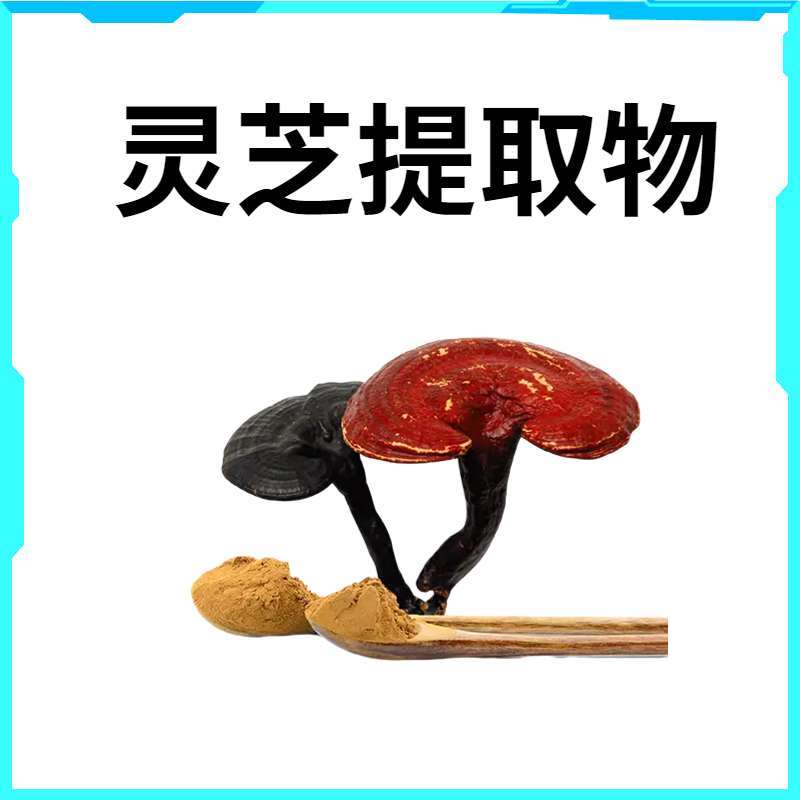
Reishi extract — derived from Ganoderma lucidum, revered as the “mushroom of immortality” in Traditional Chinese Medicine — has anchored Eastern healing practices for over 2,000 years. Known as Lingzhi in classical Chinese herbal culture, it has long been regarded as a symbol of vitality, longevity, and systemic balance. Today, modern extraction science has elevated this ancient botanical into a globally validated phytotherapeutic, celebrated for its immune-modulating, adaptogenic, and antioxidant properties. As the global nutraceutical and functional food industries continue to shift toward natural, science-backed ingredients, Reishi mushroom extract occupies a unique position: it bridges thousands of years of ethnobotanical use with a growing body of peer-reviewed clinical evidence. This article synthesizes Reishi’s phytochemistry, core mechanisms, clinical applications, and commercial considerations to provide formulators and brands with a comprehensive reference for evidence-based product development.
Key Bioactive Compounds
Polysaccharides and Beta-Glucans
Reishi’s immunological activity is largely attributed to its high-molecular-weight polysaccharides, particularly beta-D-glucans (β-1,3/1,6-glucans). These complex carbohydrates function as pattern recognition receptor (PRR) ligands, interacting directly with innate immune cells including macrophages, dendritic cells, and natural killer (NK) cells. Beta-glucans trigger TLR4/MD2 signaling pathways, stimulating cytokine production — notably IL-2 and IFN-γ — and upregulating NK cell cytotoxicity.
Standardized extracts are routinely benchmarked to a minimum of 30% polysaccharides, ensuring consistent immunological activity across batches. Hot-water extraction is the preferred method for maximizing polysaccharide yield, preserving the structural integrity of these high-molecular-weight chains. Beyond immunity, polysaccharides upregulate key antioxidant enzymes — superoxide dismutase (SOD) and catalase — scavenging reactive oxygen species (ROS) with a measured EC₅₀ of 666 μg in DPPH assays. Emerging research also suggests that Reishi polysaccharides may act as prebiotics, selectively modulating gut microbial composition and influencing immune tone via the gut-immune axis.
Triterpenoids and Ganoderic Acids
The second major bioactive class — triterpenoids (ganoderic acids) — accounts for Reishi’s adaptogenic, anti-inflammatory, and hepatoprotective activities. More than 140 distinct triterpenoids have been identified in Ganoderma lucidum, with ganoderic acids A, B, C, and D among the most thoroughly characterized. These highly oxygenated lanostane-type compounds exhibit relatively low native solubility, making extraction method and formulation approach critical determinants of bioavailability.
Ethanol or hydro-alcoholic extraction is required to efficiently capture triterpenoids; combined hot-water plus ethanol extraction ensures a full-spectrum, dual-extracted profile. Quality-controlled standardized extracts typically specify a minimum of 2–5% triterpenoids, verified by HPLC or HPTLC profiling. Secondary constituents — phenolics, flavonoids, ergosterol, and immunomodulatory proteins such as LZ-8 — contribute additional bioactivity and appear to synergize with the primary polysaccharide-triterpenoid complex.
Immune System Support
Immune modulation is the most extensively documented benefit of Reishi extract, and it stands apart from conventional immune “boosters” by virtue of its bidirectional, homeostatic mechanism. Rather than driving one-directional immune stimulation, Reishi acts as a sophisticated biological response modifier that calibrates immune activity to the physiological context.
Beta-glucans activate macrophages and dendritic cells, enhancing phagocytic activity and promoting the differentiation of T-helper cells. In immunosuppressed models, standardized Reishi extract has been shown to enhance macrophage phagocytic activity by up to 230% and NK cell cytotoxicity by approximately 180% (International Immunopharmacology, 2023). Simultaneously, in hyper-inflammatory models, Reishi extract reduces pro-inflammatory cytokines — IL-6 and TNF-α — by up to 40% (Journal of Ethnopharmacology, 2023), demonstrating the dual-directional regulation that characterizes true immune homeostasis support.
Clinically, a randomized controlled trial demonstrated a marked reduction in the frequency of recurrent upper respiratory tract infections in adults taking standardized Reishi extract over 8 weeks. Additional research indicates potential for enhancing antibody response post-vaccination, particularly in elderly subjects (Biomedicine & Pharmacotherapy, 2023). Reishi also modulates the Th1/Th2 cytokine balance, showing efficacy in allergic response models (Frontiers in Immunology, 2022) — making it a rational candidate for formulations addressing both immune deficiency and chronic low-grade inflammation.
Unlike stimulants that can overstimulate some systems, Reishi’s polysaccharides act as immunomodulators: they regulate immune cell activity, enhancing the body’s ability to respond to pathogens while calming overactive responses linked to allergies or autoimmune tendencies.
Anti-Inflammatory and Antioxidant Properties
Reishi’s triterpenoids exert potent anti-inflammatory activity through inhibition of the NF-κB signaling pathway, reducing downstream production of pro-inflammatory cytokines including TNF-α and IL-6. This mechanism is particularly relevant in the context of chronic low-grade inflammation — an underlying driver of metabolic syndrome, cardiovascular disease, and accelerated aging. Studies have demonstrated significant reductions in inflammatory biomarkers in individuals with metabolic syndrome following regular Reishi supplementation.
On the antioxidant front, Reishi’s polysaccharides upregulate endogenous antioxidant enzymes (SOD, catalase, glutathione peroxidase), while its phenolics and flavonoids provide direct free-radical scavenging activity. This combined enzymatic and direct antioxidant action provides robust cellular protection against oxidative stress caused by UV radiation, environmental pollutants, and metabolic byproducts. The result is meaningful support for cellular longevity, organ health — particularly hepatic and cardiovascular tissue — and skin integrity.
For dermatological applications, topical and oral Reishi extracts enhance skin elasticity by stimulating collagen synthesis and protecting dermal fibroblasts from UV-induced ROS damage. Anti-inflammatory properties additionally calm cutaneous redness and sensitivity. Oral supplementation has been shown to improve liver function markers (ALT, AST) in non-alcoholic fatty liver disease, reducing hepatic lipid accumulation — a reflection of Reishi’s traditionally valued hepatoprotective role.
Sleep and Stress Relief
Reishi extract is among the most well-characterized botanical adaptogens — herbs that help the body maintain homeostasis under physiological and psychological stress. Its ganoderic acids modulate the hypothalamic-pituitary-adrenal (HPA) axis, reducing cortisol release during stress exposure and blunting the dysregulation of adrenal function associated with chronic stress states. This pharmacodynamic profile explains Reishi’s historical association with “calming the spirit” in TCM literature.
At the molecular level, ganoderic acids interact with GABAA receptors — the primary inhibitory neurotransmitter receptor in the central nervous system — promoting relaxation without the sedation or dependency risk associated with pharmacological agents. By supporting GABA tone and moderating cortisol, Reishi addresses both the neurochemical and hormonal dimensions of stress-related sleep disturbance.
Clinical data support these mechanisms directly. A 2024 trial demonstrated that 600 mg/day of standardized Reishi extract lowered perceived stress scores by 25% and improved sleep efficiency by 18% through cortisol modulation. Unlike sedatives that suppress sleep architecture, Reishi supports restorative sleep — the deep, slow-wave stages critical for immune function, tissue repair, and cognitive consolidation. Its adaptogenic properties also support long-term stress resilience without evidence of habituation or tolerance development.
Cardiovascular and Metabolic Health
Beyond immunity and neuroendocrine support, a growing body of evidence positions Reishi extract as a valuable contributor to cardiovascular and metabolic wellness. Ganoderic acids have demonstrated the ability to inhibit HMG-CoA reductase — the same enzyme targeted by statin drugs — suggesting a mechanism for cholesterol-lowering activity, including reductions in total cholesterol and LDL fractions. Additional triterpenoid activity includes inhibition of platelet aggregation (antiplatelet effects), which carries implications for cardiovascular protection but also necessitates clinical guidance for high-risk populations and those on anticoagulant therapy.
In metabolic contexts, Reishi polysaccharides have shown beneficial effects on blood glucose regulation through modulation of hepatic gluconeogenesis and improvement in insulin sensitivity, making them an area of interest for metabolic syndrome management. Reishi’s sustained anti-inflammatory and antioxidant properties provide complementary protection against the endothelial damage and oxidative stress that drive atherosclerotic progression — two processes that are causally connected to chronic inflammation and ROS accumulation.
Reishi’s hepatoprotective properties are also relevant in the cardiovascular-metabolic context. Oral supplementation has been shown to improve liver function markers — ALT and AST — in subjects with non-alcoholic fatty liver disease, reducing hepatic lipid accumulation and supporting the metabolic detoxification pathways that influence lipid and glucose homeostasis. For brands developing formulations targeting metabolic health, cardiovascular wellness, liver support, or healthy aging, Reishi extract provides a well-evidenced, multi-target ingredient with a broad and established safety profile.
Traditional Use Versus Modern Scientific Validation
For over two millennia, Reishi occupied the highest tier of the classical Chinese pharmacopoeia — listed in the Shennong Bencao Jing as a superior herb to be taken long-term for the cultivation of vitality and the extension of life. It was prescribed to support heart function, calm the mind, replenish vital energy (qi), and protect the liver. This breadth of traditional indication maps strikingly well onto Reishi’s modern mechanistic profile: immune modulation, adaptogenic regulation, hepatoprotection, and antioxidant defense.
Modern research has not simply confirmed traditional claims but has also decoded the molecular mechanisms that underlie them. The immunological activity attributed historically to Reishi’s polysaccharides is now understood through TLR4 signaling and NK cell activation. The “calming” and anti-fatigue effects are explained by HPA axis modulation and GABAA receptor interaction. What traditional practitioners observed empirically over generations, clinical pharmacology has since validated at the cellular and molecular level — a convergence that lends Reishi exceptional credibility as both a heritage ingredient and a contemporary nutraceutical.
This dual legitimacy — rooted in tradition, validated by science — is commercially significant. It enables brands to position Reishi credibly across both wellness-oriented and science-forward consumer segments, across Eastern and Western markets alike. Importantly, the clinical evidence base continues to expand: ongoing phase II and observational trials are exploring Reishi’s utility in oncology-supportive care, autoimmune conditions such as rheumatoid arthritis, and precision immunomodulation applications — territories that will further reinforce its status as a foundational phytotherapeutic ingredient.
B2B Applications and Product Formats
Reishi mushroom extract is one of the most versatile botanical ingredients available to formulators. Its compatibility with diverse delivery formats, combined with strong consumer awareness across global markets, makes it a strategic choice for multi-benefit health product lines.
- Dietary supplements: Capsules, tablets, and softgels represent the dominant format. Standardized extracts at 500–1,500 mg per serving are well-established in immune support, stress and sleep, and general wellness categories.
- Functional beverages and powdered drink mixes: Water-soluble Reishi polysaccharide extracts blend cleanly into hot-water beverages, adaptogenic drink mixes, and ready-to-drink formats. The earthy, slightly bitter flavor profile is compatible with coffee, cacao, and mushroom-blend products.
- Functional foods: Reishi extract can be incorporated into bars, gummies, and fortified food products where heat stability and water solubility permit.
- Topical and cosmeceutical applications: The antioxidant and collagen-stimulating properties of Reishi extract are increasingly exploited in premium skincare serums, anti-aging creams, and sensitive skin formulations.
- Synergistic adaptogen blends: Reishi pairs well with Astragalus, Chaga, Lion’s Mane, and other medicinal mushrooms in combination formulations designed for comprehensive immune and cognitive support.
Its clean-label profile — naturally sourced, non-GMO, and suitable for vegan formulations — aligns with prevailing consumer preferences across North America, Europe, and Asia-Pacific markets. Strong cultural heritage recognition in Asian markets, combined with rising functional mushroom awareness in Western markets, supports demand across all major global regions.
Quality Standards and Responsible Sourcing
Not all Reishi extracts are equivalent. The efficacy, safety, and regulatory standing of a Reishi ingredient are directly determined by raw material origin, extraction methodology, and analytical quality control. For B2B buyers and formulators, understanding these variables is essential to building credible, market-ready products.
Raw Material and Extraction Method
High-quality Reishi extracts are produced from the fruiting body of Ganoderma lucidum rather than mycelium grown on grain substrates, which may contain significant starch content that dilutes the active compound concentration. Fruiting-body-derived extracts deliver a more authentic phytochemical profile consistent with the traditional and clinical evidence base.
Dual extraction — combining hot-water extraction for polysaccharides with ethanol extraction for triterpenoids — is the gold standard for producing a full-spectrum extract. This approach ensures that both primary bioactive classes are present in meaningful concentrations. Combined dual extraction methods are verified to full-spectrum bioactivity absent from single-solvent processes.
Standardization and Analytical Verification
Industry-leading Reishi extracts are standardized to defined minimum levels:
- Polysaccharides: ≥30% (verified by UV spectrophotometry or HPLC)
- Triterpenoids: ≥2–5% (verified by HPLC or HPTLC profiling)
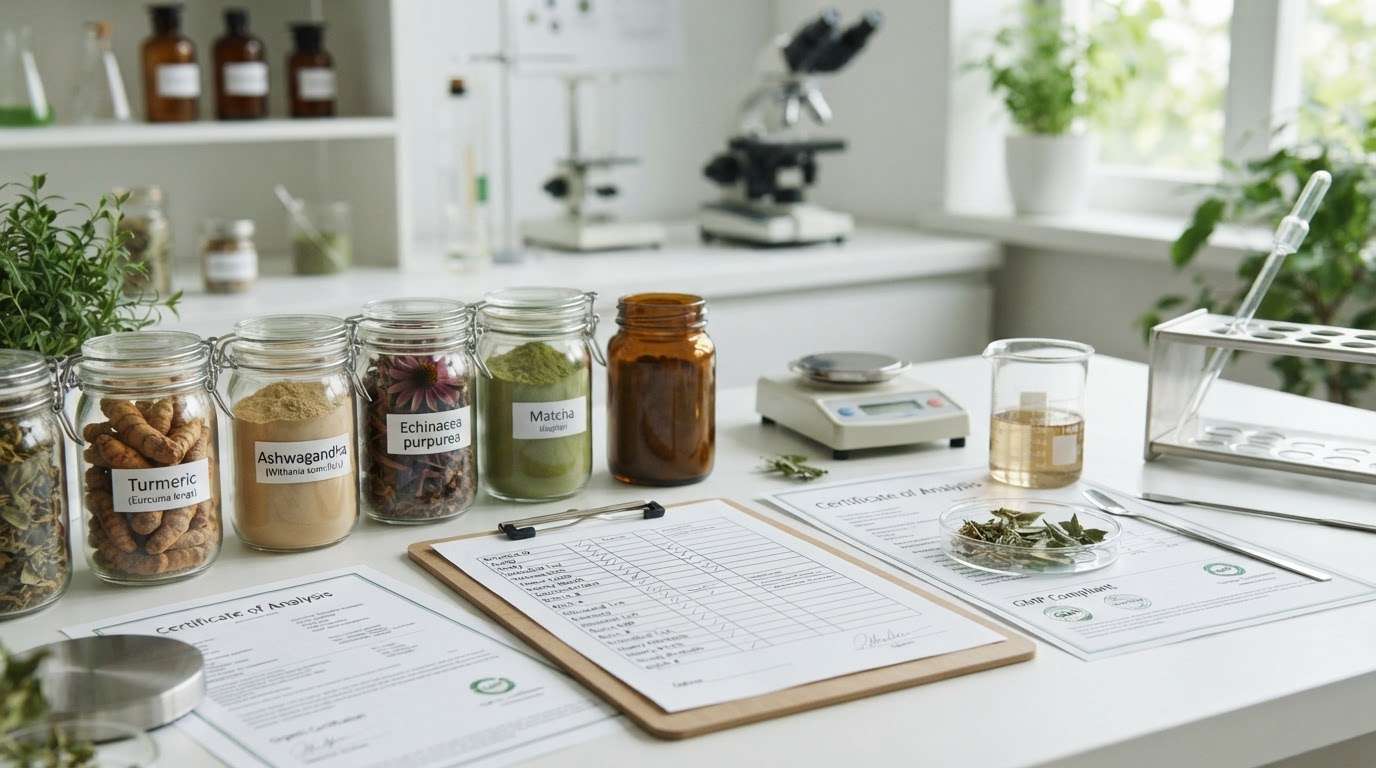
Analytical verification should extend beyond active compound quantification to include microbial safety testing (total aerobic count, yeast and mold, absence of pathogens), heavy metal analysis (lead, arsenic, cadmium, mercury), and pesticide residue screening in line with international standards. Batch certificates of analysis (CoAs) with third-party laboratory verification are a baseline expectation for compliant global supply.
Regulatory Compliance and Certifications
For entry into regulated markets, Reishi extract suppliers should demonstrate compliance with applicable quality management frameworks — ISO 22000, HACCP, and GMP certification as a minimum. For EU market access, alignment with the EU Novel Food Catalogue and relevant EFSA monographs on Ganoderma lucidum is required. Kosher, Halal, and organic certifications expand addressable market segments and support premium positioning.
Safety Profile
Reishi extract has an excellent tolerability record, reflecting millennia of traditional use corroborated by modern toxicological studies. Adverse effects are uncommon; mild dry mouth or transient digestive discomfort occurs in fewer than 5% of users. Liver enzyme alterations, occasionally cited in safety literature, are typically associated with extremely high doses of low-quality or spore-based products rather than controlled, standardized fruiting-body extracts.
Formulators should note that Reishi carries antiplatelet activity and should be discontinued approximately two weeks before surgery. Caution is warranted in combination with anticoagulants (e.g., warfarin) and antihypertensive medications. Contraindications include known mushroom allergies, bleeding disorders, and hypotension. These considerations should be reflected in product labeling and healthcare professional communications.
Frequently Asked Questions
What is the difference between Reishi fruiting body extract and mycelium extract?
Fruiting body extract is produced from the mature mushroom cap and stipe — the traditional source material used in both classical medicine and modern clinical research. It delivers a well-characterized polysaccharide and triterpenoid profile. Mycelium extracts are grown on grain substrates; without adequate starch removal, the resulting powder may contain substantial grain-derived carbohydrates that dilute active compound concentrations. For standardized, clinically relevant formulations, fruiting-body-derived extracts are strongly preferred.
What extraction method produces the most bioactive Reishi extract?
Dual extraction — combining hot-water extraction (to capture beta-glucan polysaccharides) with ethanol or hydro-alcoholic extraction (to capture triterpenoids/ganoderic acids) — produces the most comprehensive bioactive profile. Single-solvent water extraction favors polysaccharides but leaves triterpenoids largely unextracted; single-solvent ethanol extraction does the reverse. A full-spectrum dual extract ensures that both primary bioactive classes are present in concentrations sufficient for clinically meaningful activity.
How should B2B buyers evaluate the quality of a Reishi extract supplier?
Key evaluation criteria include: standardized and analytically verified polysaccharide and triterpenoid levels; third-party batch CoAs covering heavy metals, microbial safety, and pesticide residues; confirmed use of fruiting-body raw material with documented traceability; GMP and ISO certification; and regulatory compliance documentation for target markets. Suppliers with in-house HPLC/MS analytical capability and established export track records across major regulated markets offer the greatest assurance of consistent supply quality.
Is Reishi extract safe for long-term daily use?
Yes, for the general healthy adult population, standardized Reishi fruiting-body extract is considered safe for long-term daily consumption based on both its extended history of traditional use and contemporary clinical data. Phase II and observational studies at doses of 600–3,000 mg/day report no significant adverse effects over periods of 8 weeks to several months. Individuals on anticoagulant or antihypertensive medications, those with mushroom allergies, and those scheduled for surgery should consult a healthcare provider before use.
What are the primary formulation categories for Reishi extract in the B2B supplement market?
The dominant application categories are immune support supplements (capsules and tablets), stress and sleep formulations (often in combination with Ashwagandha, L-theanine, or Passionflower), and general wellness or healthy aging products. Functional mushroom blends — combining Reishi with Lion’s Mane, Chaga, or Cordyceps — represent a fast-growing category in North American and European markets. Reishi also appears in premium adaptogen beverages, cosmeceutical skincare products, and adjunct oncology-supportive supplements, reflecting the breadth of its validated bioactivity.
Looking for Premium Plant Extracts?
Green Life Herb supplies 280+ botanical extracts with ISO/HALAL/Kosher certifications.
Custom specifications and sample orders available.