Grape skin extract, derived from Vitis vinifera L. — primarily as a byproduct of winemaking and fruit processing — has emerged as one of the most scientifically validated botanical ingredients available to formulators today. Revered in Mediterranean folk medicine for centuries, its modern validation spans antioxidant defense, cardiovascular protection, metabolic regulation, skin health, and ocular support. As global consumer demand for evidence-based, plant-derived health ingredients intensifies, grape skin extract occupies a uniquely compelling position: it is simultaneously a natural food-derived compound with centuries of safe use, and a rigorously studied phytopharmaceutical with documented clinical efficacy across multiple therapeutic categories.
The extract’s concentrated polyphenolic matrix — encompassing resveratrol, anthocyanins, flavonols, and proanthocyanidins — delivers multifaceted therapeutic benefits supported by rigorous clinical research. Each compound class contributes to the extract’s utility through distinct and synergistic mechanisms, from direct free-radical scavenging to modulation of gene expression pathways governing inflammation, metabolic function, and cellular longevity. This article synthesizes the phytochemistry, core mechanisms, clinical applications, safety profile, and B2B sourcing considerations of grape skin extract, providing formulators and procurement teams with a comprehensive technical reference for integrating this ingredient into next-generation health products.
Key Bioactive Compounds in Grape Skin Extract
The functional value of grape skin extract rests on a complex, synergistic polyphenol profile. Unlike single-compound botanical extracts, grape skin delivers multiple bioactive classes that interact cooperatively to enhance overall efficacy — a characteristic that supports broader label claims and reduces the need for complex multi-ingredient stacking in formulations.
Resveratrol
Resveratrol is a stilbene polyphenol uniquely concentrated in grape skin. It is closely associated with the longevity-related sirtuin pathway and cardiovascular protection. Mechanistically, resveratrol activates sirtuin 1 (SIRT1) and AMP-activated protein kinase (AMPK), improving endothelial function through nitric oxide (NO) production. It also inhibits platelet aggregation and LDL cholesterol oxidation, reducing atherosclerotic plaque formation. Resveratrol’s inhibition of NF-κB signaling further contributes to its anti-inflammatory profile.
Anthocyanins
Anthocyanins — including cyanidin-3-glucoside and malvidin-3-glucoside — are the pigments responsible for the deep red and purple color of grape skin. They are among the most potent natural antioxidants, exhibiting 20–50 times greater free-radical scavenging capacity than vitamin C on a per-gram basis. Anthocyanin content in standardized grape skin extracts ranges from 5–30%, depending on grape variety and extraction method. Beyond antioxidant activity, anthocyanins have demonstrated efficacy in vascular inflammation reduction and ocular surface support.
Flavonols
Flavonols — primarily quercetin and myricetin — are well-characterized for their anti-inflammatory and immune-modulating properties. Quercetin inhibits histamine release, suppresses COX-2 enzyme activity, and modulates T-cell mediated immune responses, while myricetin contributes additional antioxidant capacity through metal chelation and radical scavenging. Together, flavonols broaden the anti-inflammatory and immunological footprint of grape skin extract beyond what resveratrol or anthocyanins achieve independently, making them a valuable contributor to immune and inflammatory health label claims.
Proanthocyanidins
Proanthocyanidins (condensed tannins), including procyanidins and catechins, are potent free-radical scavengers that provide structural support to blood vessels by cross-linking collagen and elastin fibers. They also exhibit antimicrobial properties and contribute to the extract’s skin-protective effects. Synergistically, proanthocyanidins enhance the antioxidant and anti-inflammatory actions of the other polyphenol classes present in the extract.
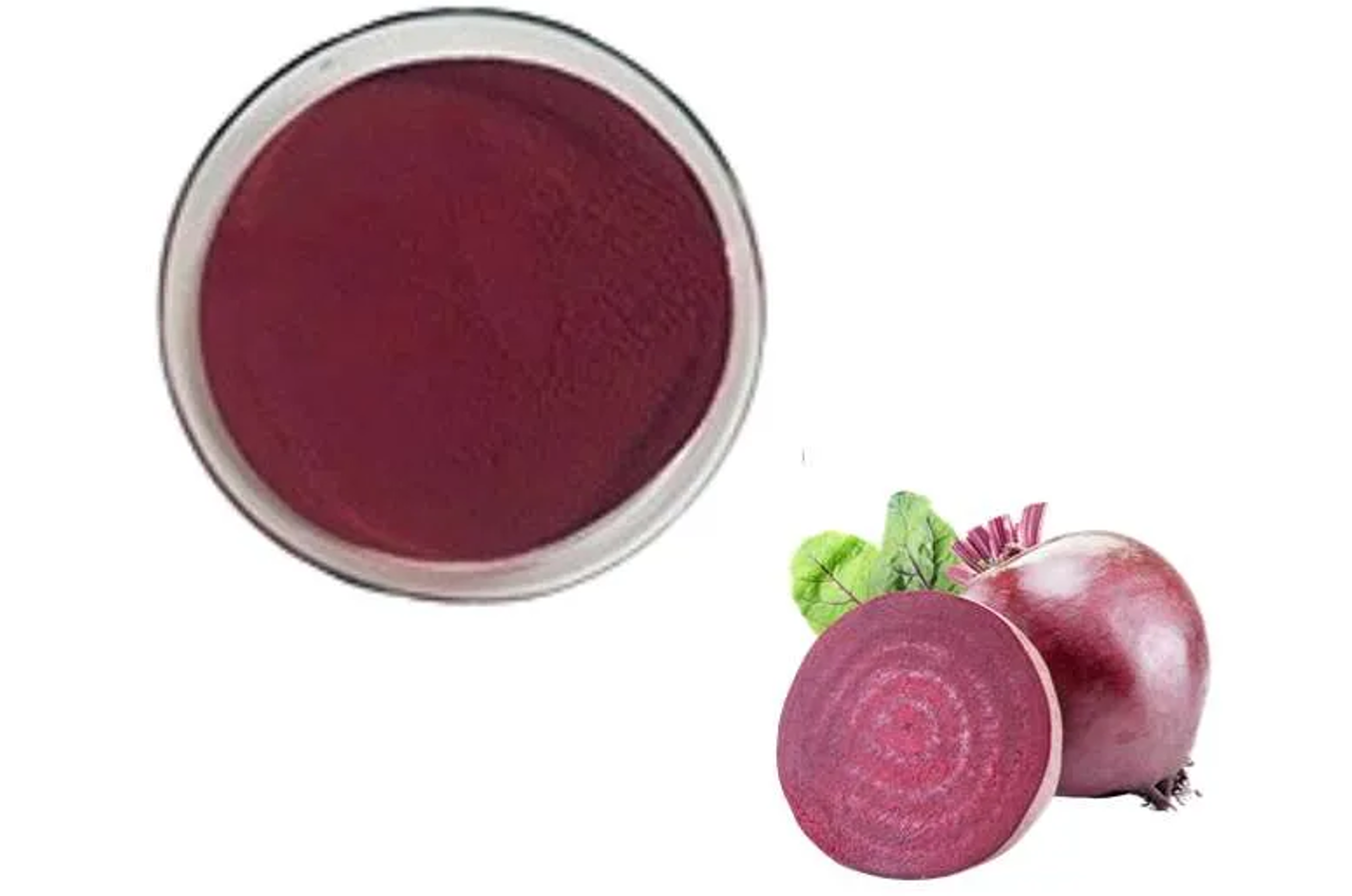
Total polyphenol content in standardized grape skin extracts typically ranges from 10–60%, with commercial grades most commonly standardized at 20–40% total polyphenols. Ethanol-water (40–60%) extraction is widely regarded as optimal for bioactive yield, while spray-drying preserves thermolabile compounds and produces a stable purple-red powder suitable for capsule, tablet, and beverage applications.
Antioxidant Activity and Anti-Inflammatory Effects
Oxidative stress — the imbalance between reactive oxygen species (ROS) production and the body’s antioxidant defenses — is a central driver of aging and chronic disease. Grape skin extract addresses this through multiple complementary mechanisms.
The polyphenols in grape skin extract directly scavenge ROS and simultaneously upregulate endogenous antioxidant enzymes, including superoxide dismutase (SOD) and catalase. ORAC (Oxygen Radical Absorbance Capacity) values for grape polyphenols are significantly higher than those of vitamins C and E on a per-gram basis. A study published in the Journal of Agricultural and Food Chemistry demonstrated that grape skin polyphenols reduced oxidative biomarkers by over 30% in experimental models, confirming robust cellular protection against lipid peroxidation, protein oxidation, and DNA damage.
On the anti-inflammatory side, grape skin polyphenols target upstream inflammatory signaling pathways. Resveratrol and anthocyanins both inhibit NF-κB, a master transcription factor that regulates the expression of pro-inflammatory cytokines including TNF-α and IL-6. By suppressing this pathway, grape skin extract reduces chronic low-grade inflammation — a condition implicated in cardiovascular disease, metabolic syndrome, neurodegenerative disorders, and accelerated skin aging. The combined antioxidant and anti-inflammatory activity of the extract positions it as a broad-spectrum protective ingredient for systemic health formulations.
Cardiovascular and Metabolic Health
The cardiovascular benefits of grape-derived polyphenols gained widespread scientific attention through epidemiological observations such as the “French Paradox” — the relatively low incidence of cardiovascular disease in Mediterranean and Southern European populations characterized by moderate wine consumption and high dietary polyphenol intake. While the causal attribution to any single factor remains complex, subsequent controlled clinical research has provided compelling mechanistic and dose-response clarity specifically attributable to polyphenols found in grape skin.
Cardiovascular Protection
Meta-analyses of 16 randomized controlled trials (RCTs) demonstrate that supplementation with 500–1,000 mg/day of grape skin extract reduces systolic blood pressure by 3–5 mmHg and LDL cholesterol by 8–12% in hyperlipidemic patients. Resveratrol supplementation at 150–300 mg/day improves endothelial function in individuals with metabolic syndrome, an effect mediated through enhanced NO bioavailability and reduced vascular oxidative stress. Clinical data also suggest that daily intake of grape polyphenols at 200–400 mg/day contributes to improved lipid profiles and healthy blood circulation.
The mechanism is multifactorial: resveratrol activates SIRT1 and AMPK to improve endothelial nitric oxide synthase (eNOS) activity; proanthocyanidins strengthen capillary walls and reduce vascular permeability; anthocyanins suppress NF-κB-driven vascular inflammation; and flavonols provide complementary antioxidant protection against LDL oxidation.
Metabolic Regulation
Grape skin polyphenols enhance insulin sensitivity by promoting glucose transporter 4 (GLUT4) translocation, thereby improving glucose uptake in skeletal muscle. In prediabetic adults, 12-week supplementation with 600 mg/day of extract has been shown to lower fasting glucose by 6–9% and HbA1c by 0.3–0.5%. Polyphenols also reduce hepatic triglyceride accumulation, supporting management of non-alcoholic fatty liver disease (NAFLD).
Animal and human studies further suggest benefits for insulin resistance and adipogenesis regulation, making grape skin extract a scientifically credible ingredient for metabolic health and weight management formulations. The extract’s dual cardiovascular-metabolic mechanism profile addresses two of the most prevalent chronic disease categories, making it a high-value ingredient for comprehensive wellness formulations.
Skin Health Benefits
Grape skin extract is increasingly recognized as a beauty-from-within ingredient, with topical and systemic applications supported by both mechanistic data and clinical evidence.
Anthocyanins and proanthocyanidins protect dermal collagen and elastin from oxidative degradation, the primary mechanism of UV-induced photoaging. By scavenging ROS generated by ultraviolet radiation, grape skin polyphenols help preserve skin structural integrity and reduce the appearance of fine lines and uneven pigmentation. Proanthocyanidins specifically cross-link collagen fibrils, improving skin firmness and elasticity.
Anti-inflammatory polyphenols in the extract also modulate inflammatory responses in the skin, which is relevant for conditions such as erythema, acne, and atopic dermatitis. Resveratrol has demonstrated inhibitory effects on melanogenesis pathways, offering potential skin brightening applications. The combined photoprotective, anti-aging, and anti-inflammatory properties of grape skin extract align with the growing demand for evidence-based cosmeceutical and ingestible beauty supplements.
Other Notable Health Benefits
Ocular Health
A double-blind RCT involving 108 patients with mild-to-moderate dry eye disease demonstrated that 800 mg/day of anthocyanin-rich grape skin extract improved tear break-up time by 30% and reduced ocular discomfort scores by 40% after 12 weeks of treatment. No serious adverse effects were reported, confirming the extract’s safety for long-term ocular health applications. The mechanism involves anthocyanin-mediated stabilization of the tear film and reduction of ocular surface inflammation through antioxidant and anti-inflammatory synergies.
Neuroprotective Potential
Emerging research indicates that grape skin polyphenols — particularly resveratrol — may cross the blood-brain barrier and exert neuroprotective effects by reducing neuroinflammation and oxidative damage in neural tissue. SIRT1 activation by resveratrol has been linked to autophagy regulation, mitochondrial biogenesis, and amyloid-beta clearance in preclinical models, suggesting potential relevance for cognitive aging and neurodegenerative disease research. Human observational studies show associations between higher dietary polyphenol intake and better cognitive outcomes in aging populations. While large-scale interventional clinical evidence in this area is still developing, the mechanistic rationale and preliminary data support inclusion of grape skin extract in brain health, cognitive support, and longevity formulations — categories with significant commercial growth momentum.
Immune Support
Flavonols, particularly quercetin, contribute to grape skin extract’s immunomodulatory profile by inhibiting mast cell degranulation, suppressing pro-inflammatory cytokine production, and supporting T-cell function. This activity, combined with the extract’s broad antioxidant capacity, reinforces its utility in immune support formulations targeting seasonal wellness and general immune resilience.
B2B Applications and Formulation Guidance
Grape skin extract’s multifunctional benefit profile and strong scientific backing make it one of the most versatile botanical ingredients available for B2B formulation. Its natural origin, standardized composition, and clean-label compatibility align with the dominant market trends driving premium supplement and functional food development globally. For formulators, the ability to substantiate multiple label claims — antioxidant, cardiovascular, skin health, metabolic support — from a single standardized ingredient simplifies formulation architecture and reduces overall raw material complexity. For marketers, the well-recognized association of grapes and resveratrol with health and longevity provides an accessible consumer communication platform backed by a strong body of peer-reviewed evidence.
Primary Application Categories
- Cardiovascular health supplements: Capsules and softgels targeting blood pressure, cholesterol management, and endothelial function, typically standardized to resveratrol and total polyphenol content
- Anti-aging and longevity formulations: Products targeting oxidative stress, cellular aging, and SIRT1 pathway activation, often combined with NMN, coenzyme Q10, or alpha-lipoic acid
- Metabolic health products: Blood sugar management, insulin sensitivity, and NAFLD support formulations, where grape skin extract complements berberine or chromium
- Beauty-from-within supplements: Skin radiance, photoprotection, and anti-wrinkle ingestible beauty products, often paired with collagen peptides or vitamin C
- Antioxidant functional beverages: Ready-to-drink wellness beverages, functional waters, and powdered drink mixes leveraging the extract’s high ORAC value and natural color
- Eye health formulas: Dry eye, blue light protection, and macular support supplements targeting the growing digital wellness category
- Immune support products: Seasonal immune formulations and general wellness supplements benefiting from the quercetin and flavonol fraction
Formulation Compatibility
Grape skin extract is compatible with capsule, tablet, powder sachet, and beverage formats. Its natural purple-red color is an asset in direct-to-consumer products where visual identity reinforces botanical authenticity. Water solubility is moderate; microencapsulation or nanoencapsulation technologies can improve bioavailability and stability in aqueous formulations. Future delivery innovations, including nanoparticle systems and combination delivery with curcumin or omega-3 fatty acids, are under active investigation to amplify cardiovascular and metabolic outcomes.
Formulators should note that grape skin polyphenols are sensitive to heat, light, and oxidation. Proper packaging — including light-resistant, oxygen-barrier materials — is essential for finished product stability. Combining the extract with vitamin C can further protect polyphenol integrity through antioxidant co-protection in finished formulations.
Quality Standards and Sourcing Considerations
For B2B buyers, quality assurance and supply chain transparency are as important as ingredient bioactivity. Procurement decisions for grape skin extract should be guided by the following criteria.
Standardization and Specification
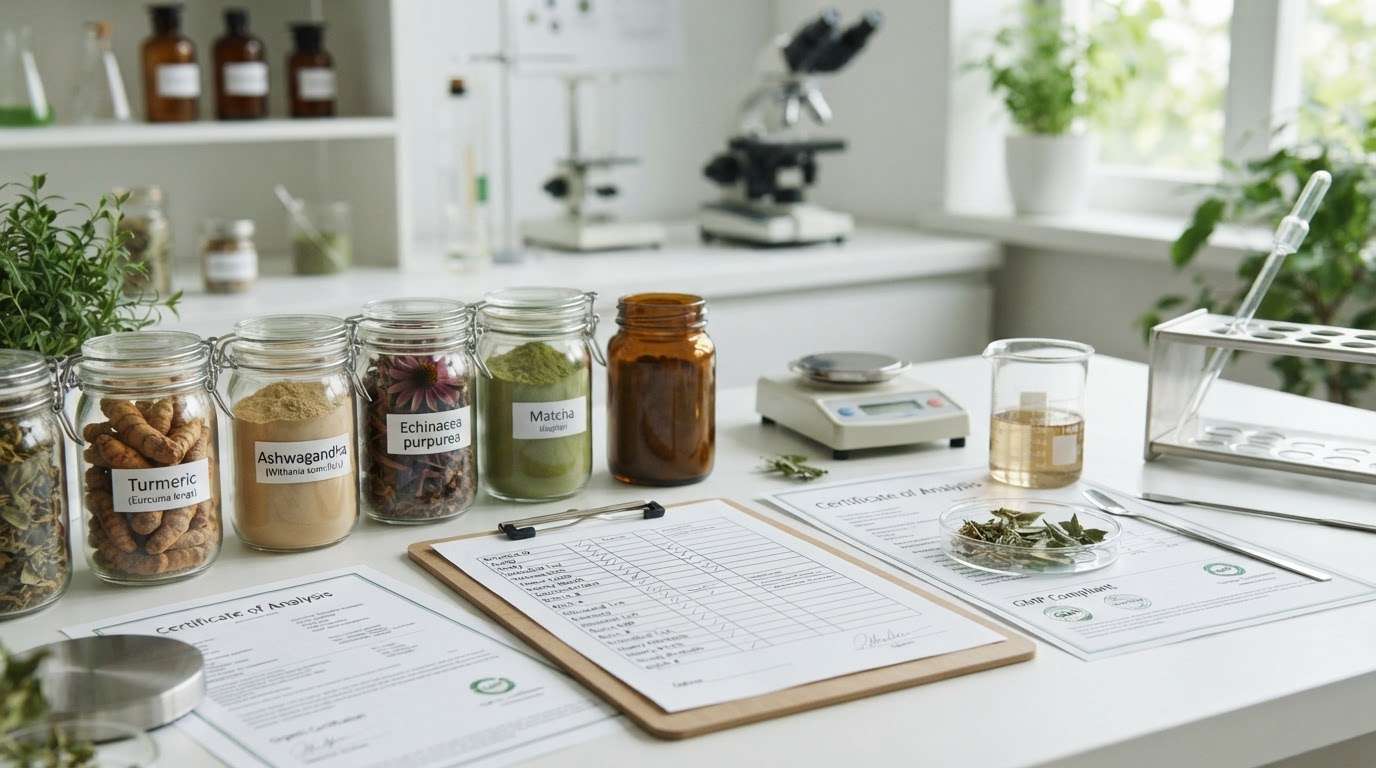
High-quality grape skin extract should be standardized to defined levels of total polyphenols (typically 20–40% by UV-Vis spectrophotometry) and, where relevant, anthocyanin content (5–30%). Resveratrol content should be specified separately, as it varies significantly by grape variety and process. Reputable suppliers provide certificates of analysis (CoA) with each batch, including heavy metal testing, pesticide residue screening, microbial limits, and solvent residues in compliance with USP, EP, or customer-specific specifications.
Raw Material and Extraction Process
The botanical source should be clearly identified as Vitis vinifera L. skin, with documentation of geographical origin and variety where possible. Ethanol-water extraction (40–60% ethanol) is the industry-standard method for optimal polyphenol yield. Spray-drying under controlled temperature conditions preserves thermolabile compounds such as resveratrol and anthocyanins, ensuring a stable, free-flowing powder with consistent color and solubility. Suppliers should be able to provide full traceability from raw material sourcing through finished extract production.
Regulatory Compliance and Documentation
Grape skin extract is widely accepted as a food supplement ingredient in major regulated markets including the EU, USA, and China. Suppliers should provide supporting documentation including GRAS status documentation or Novel Food classification, country-of-origin certificates, allergen declarations, and non-GMO / organic certifications where applicable. Buyers targeting pharmaceutical-grade applications should require GMP certification and full process validation documentation.
Safety Profile
Grape skin extract demonstrates excellent tolerability across clinical studies. Mild gastrointestinal discomfort has been reported in fewer than 2% of users at doses exceeding 1,500 mg/day. Contraindications include known hypersensitivity to Vitis vinifera species. Caution is warranted in patients taking anticoagulant medications, due to the mild antiplatelet activity of resveratrol and proanthocyanidins. No serious adverse effects have been documented in well-conducted clinical trials at standard supplement dosages.
Frequently Asked Questions
What is the difference between grape skin extract and grape seed extract?
Grape skin extract and grape seed extract are distinct ingredients derived from different parts of the grape. Grape skin extract is concentrated in anthocyanins, resveratrol, and flavonols, which give it particular strengths in cardiovascular protection, skin health, and metabolic regulation. Grape seed extract is primarily rich in proanthocyanidins (oligomeric proanthocyanidins, or OPCs), which are especially potent for capillary integrity and antioxidant activity. Both extracts complement each other in formulations targeting broad antioxidant and vascular health benefits, and they are sometimes combined for synergistic effect.
What polyphenol standardization should I specify for a cardiovascular supplement?
For cardiovascular applications, a total polyphenol content of 30–40% is typically specified, with resveratrol content documented separately (commonly 1–5% in standardized extracts). Clinical studies demonstrating blood pressure and lipid benefits have generally used doses of 500–1,000 mg/day of standardized extract, or 150–300 mg/day of isolated resveratrol equivalents. Buyers should work with their supplier to select a standardization grade aligned with target dosage and label claim requirements.
Is grape skin extract compatible with clean-label and plant-based product positioning?
Yes. Grape skin extract is naturally derived, plant-based, and typically free of common allergens, making it highly compatible with clean-label positioning. It is available in non-GMO and certified organic grades from qualified suppliers. The extract’s natural purple-red color can serve as a visual cue reinforcing botanical authenticity on packaging, which resonates strongly with premium supplement and functional food consumers.
What are the stability considerations for including grape skin extract in a beverage formulation?
Grape skin polyphenols — particularly anthocyanins — are sensitive to pH, light, heat, and oxidation. In acidic beverage systems (pH 3–4), anthocyanin stability is substantially improved compared to neutral or alkaline pH. Light-protective packaging and the inclusion of vitamin C as a co-antioxidant can further enhance stability during shelf life. For powder beverage formats, microencapsulation of the extract provides additional protection and can improve dispersibility. Suppliers with beverage formulation experience can provide specific stability data and recommended usage rates.
What certifications should I request from a grape skin extract supplier?
A reliable supplier should be able to provide: a current certificate of analysis (CoA) with full specification testing; GMP certification (ISO 22000, NSF, or equivalent); country-of-origin and botanical identity documentation; heavy metal, pesticide, and microbial compliance data; and allergen, GMO, and solvent declarations. For markets requiring regulatory filings, suppliers should also be able to support Novel Food (EU), GRAS (USA), or Health Food raw material (China) documentation as applicable.
GL-Herb supplies standardized grape skin extract (Vitis vinifera L.) in multiple polyphenol grades, with full CoA documentation, GMP-certified manufacturing, and flexible minimum order quantities for product development and commercial scale. Contact our technical team for specifications, samples, and formulation guidance.
Looking for Premium Plant Extracts?
Green Life Herb supplies 280+ botanical extracts with ISO/HALAL/Kosher certifications.
Custom specifications and sample orders available.