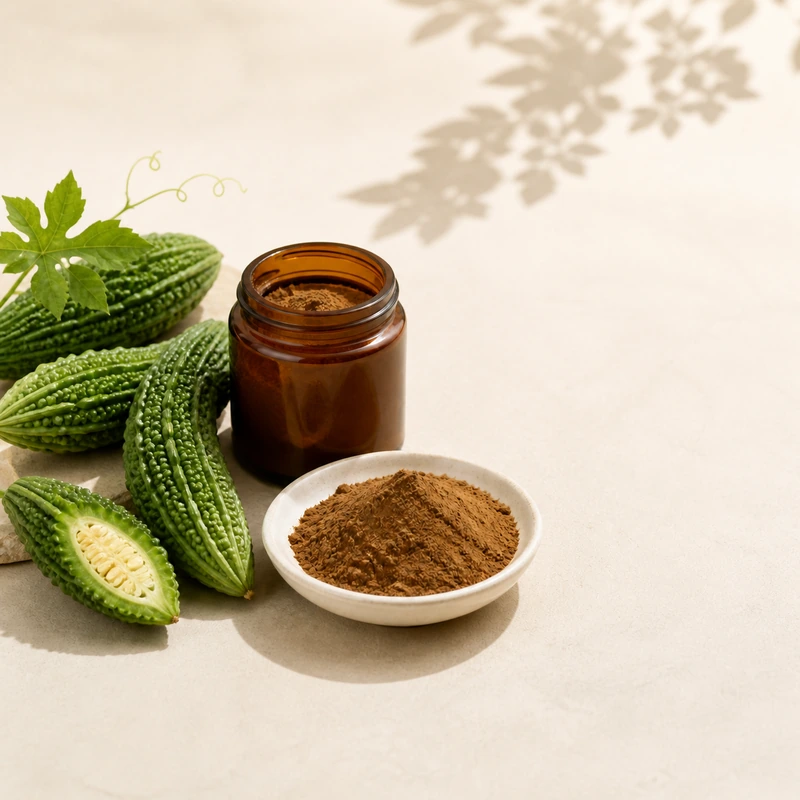
Type 2 diabetes now affects more than 537 million adults worldwide, and the International Diabetes Federation projects that number will pass 783 million by 2045. Prediabetes affects an even larger share of the population, and the demand for natural, plant-based ways to support healthy blood sugar levels has never been stronger. Among the botanical ingredients used in modern metabolic-health formulations, bitter melon extract (Momordica charantia) has moved from traditional kitchens into evidence-led B2B applications — capsules, tablets, sachets, functional beverages, and combination blends designed to support fasting blood glucose, post-meal glucose spikes, and long-term glycemic markers such as HbA1c.
Google Trends shows that searches for “bitter melon blood sugar” grew by roughly 340% between 2019 and 2025, while global demand for finished bitter melon extract products is forecast to expand at 17.2% CAGR through 2030. For B2B buyers, brand owners, and formulators, the question is no longer whether this botanical works — the question is how to evaluate the clinical evidence, choose the right MOMORDICOSIDE standardization and dosage, build safe and effective combination formulas, and source from a manufacturer whose supply chain can hold up to FDA, EFSA, ISO, and organic scrutiny.
This guide is written for procurement managers, R&D formulators, private-label brand owners, and nutraceutical business owners evaluating bitter melon extract powder for blood sugar and type 2 diabetes applications. It covers the mechanism, the latest clinical evidence, how bitter melon extract compares with berberine and metformin, dosage and standardization benchmarks, side effects and drug interactions, formulation formats and synergistic combinations, regulatory status, and what to demand from a manufacturer — including a look at how Green Life approaches bitter melon extract production in practice.
1. Why Bitter Melon Extract Is a Top Botanical for Blood Sugar Support
Bitter melon extract has been used for centuries in traditional medicine across Asia, Africa, and the Caribbean to support healthy blood sugar balance. The modern nutraceutical industry has systematically translated that traditional use into standardized, batch-tested ingredients that can support fasting blood glucose, postprandial glucose, HbA1c, and related metabolic markers in people with prediabetes and type 2 diabetes.
In the broader blood-sugar-support category, bitter melon extract is consistently ranked alongside berberine, Ceylon cinnamon, gymnema sylvestre, fenugreek, chromium picolinate, and alpha-lipoic acid. What separates bitter melon from the others is the breadth of its mechanism: rather than acting on a single pathway, it combines insulin-mimetic, insulin-sensitizing, and carbohydrate-absorption-blocking activities in one botanical matrix. That multi-target profile is one reason finished-product brands building comprehensive blood sugar support formulas increasingly use bitter melon extract powder as a primary or co-primary ingredient.
Three signatures explain why the ingredient draws so much B2B attention in 2026 and beyond:
- Charantin — a steroidal saponin mixture that improves glucose uptake in skeletal muscle and adipose tissue and activates the AMPK pathway (the same pathway targeted by metformin).
- Polypeptide-p — an 11 kDa insulin-like peptide that structurally resembles bovine insulin and has been shown to lower blood glucose when administered parenterally; it is sometimes called “plant insulin”.
- Momordicosides — cucurbitane-type triterpene glycosides that deliver the characteristic bitter taste while inhibiting intestinal α-glucosidase, slowing carbohydrate breakdown and blunting post-meal blood sugar spikes.
For finished-product brands, the practical takeaway is that bitter melon extract offers a multi-mechanism foundation that is hard to replicate with a single synthetic ingredient. That is also why manufacturers offering flexible MOMORDICOSIDE standardization (typically 1%–30% by UV) are seeing rising inquiries from R&D teams developing next-generation metabolic formulas.
2. How Bitter Melon Lowers Blood Sugar: The Charantin, Polypeptide-p & AMPK Mechanism
The blood-sugar-lowering effect of bitter melon extract is not a single action. It is the result of three overlapping mechanisms that act on the gut, the pancreas, the liver, the muscle, and the adipose tissue at the same time. For B2B formulators, understanding this mechanism explains why the ingredient performs differently from berberine or chromium — and why it pairs well with both.
Pathway 1 — Insulin-mimetic activity (polypeptide-p and charantin): Polypeptide-p binds to the human insulin receptor and triggers the canonical insulin signalling cascade, including phosphorylation of insulin receptor substrate-1 and translocation of GLUT4 glucose transporters to the cell membrane. The net effect is direct glucose uptake into muscle and fat cells, mimicking what endogenous insulin does. Charantin supplements this action by also stimulating GLUT4 translocation independently of insulin, through AMPK activation.
Pathway 2 — AMPK activation and hepatic glucose regulation: Bitter melon extract activates AMP-activated protein kinase (AMPK) in hepatocytes and skeletal muscle. AMPK activation suppresses hepatic gluconeogenesis (via downregulation of PEPCK and glucose-6-phosphatase), enhances fatty acid oxidation, and increases mitochondrial biogenesis. Importantly, this is the same cellular energy sensor that metformin activates, which is why bitter melon is sometimes called a “metformin-mimetic botanical”.
Pathway 3 — Intestinal carbohydrate absorption inhibition (momordicosides): Momordicosides and related cucurbitane-type triterpenoids inhibit α-glucosidase in the gut, slowing the breakdown of complex carbohydrates into glucose and flattening the post-meal glucose curve. Secondary compounds also inhibit SGLT1 and GLUT5 transporters, further reducing glucose uptake from the intestine.
Combined, these three pathways produce a broad, gradual blood-sugar-lowering effect that is well suited to adults with prediabetes or early-stage type 2 diabetes, as well as to consumers seeking metabolic support without relying solely on pharmaceutical intervention. The breadth of mechanism also explains why bitter melon extract is positioned as a “foundational ingredient” in blood-sugar formulations, rather than a niche or specialty one.
3. Clinical Evidence in Type 2 Diabetes & Prediabetes: What the Latest Meta-Analyses & Clinical Trials Show
The strongest signal that bitter melon extract belongs in serious blood-sugar formulations comes from the latest GRADE-adhering meta-analyses and adequately powered randomized controlled trials published between 2020 and 2025. Unlike older narrative reviews, these studies pre-registered their protocols, used standardized bias assessment, and pooled effect sizes across multiple trials.
Mkhize et al. (2025) — GRADE-adherent meta-analysis. Twenty-five randomized controlled trials with 34 sub-studies were pooled to evaluate the effect of M. charantia on fasting blood glucose (FBG), glycated haemoglobin (HbA1c), fasting insulin, HOMA-IR, and HOMA-β in adults with prediabetes or type 2 diabetes. The meta-analysis reported:
- FBG: standardized mean difference (SMD) = -0.46 (95% CI: -0.73 to -0.18), p = 0.0012
- HbA1c: SMD = -0.57 (95% CI: -0.83 to -0.31), p < 0.0001
- Fasting insulin: SMD = -0.48 (95% CI: -0.83 to -0.12), p = 0.0082
- HOMA-IR: SMD = -0.52 (95% CI: -0.95 to -0.08), p = 0.0195
No significant effect on HOMA-β was found (p = 0.586), indicating that the benefit operates primarily through improved insulin sensitivity rather than β-cell regeneration.
Kim et al. (2020) — randomized, placebo-controlled trial in type 2 diabetes. Ninety-six Korean adults with type 2 diabetes were randomized 2:1 to receive 2,380 mg/day of bitter melon extract or placebo for 12 weeks. Fasting plasma glucose dropped significantly in the intervention group (p = 0.014), while HbA1c remained statistically unchanged — a finding consistent with other short-duration studies and supportive of the view that glucose benefits precede HbA1c changes within 8–12 weeks.
Rahman et al. (2015) — bitter melon vs. glibenclamide head-to-head. Ninety-five type 2 diabetic patients were randomized to bitter melon 2 g/day, 4 g/day, or glibenclamide 5 mg/day for 10 weeks. While glibenclamide produced a larger drop in HbA1c, bitter melon at both doses produced a more favorable effect on body weight, systolic blood pressure, plasma sialic acid, and atherogenic index — markers of cardiovascular risk reduction that matter as much as glycemic control in long-term diabetes management.
Fuangchan et al. (2011) — bitter melon vs. metformin head-to-head. In a multicenter randomized trial, 143 patients received either metformin 1,000 mg/day or bitter melon at 500 mg/day, 1,000 mg/day, or 2,000 mg/day for 4 weeks. The 2,000 mg/day bitter melon arm produced a significant drop in fructosamine (-10.2 µmol/L), though smaller than the metformin arm (-16.8 µmol/L). This trial is the basis for the “2 g/day is the effective clinical dose” recommendation seen in most modern bitter melon dosage guidelines.
It is worth noting that earlier meta-analyses produced mixed conclusions. A 2014 meta-analysis (four RCTs, 208 participants) did not find a statistically significant effect on FPG or HbA1c, and a 2023 meta-analysis (nine RCTs, 414 participants) reported wide confidence intervals and called for longer, better-powered trials. The 2025 GRADE-adherent analysis is more positive largely because it pooled more trials and applied stricter protocol registration. The honest summary for B2B buyers: bitter melon extract has consistent, reproducible effects on FBG and fasting insulin in adults with prediabetes and type 2 diabetes, with smaller and more variable effects on HbA1c that require 8–12 weeks of consistent supplementation to manifest.
For finished-product brands and procurement teams, the practical implication is that bitter melon extract is supported by an evidence base that is meaningful, growing, and suitable for “supports healthy blood sugar levels” or “supports glucose metabolism” structure/function claims in most major markets. As with all botanicals, claims should be reviewed against the destination market’s regulatory framework, and the underlying trials should be available for due-diligence documentation.
4. Bitter Melon vs Berberine vs Metformin: Which Works Best for Blood Sugar?
For B2B buyers, “which botanical actually moves the needle on blood sugar?” is the single most common question. The honest answer is that berberine and bitter melon extract are not interchangeable — they sit at different points on the efficacy-versus-tolerability spectrum.
Berberine has the most robust evidence base among oral botanicals, including three head-to-head trials against metformin. Yin et al. (2008) reported HbA1c reduction of 1.2% with berberine 1,500 mg/day vs. 1.3% with metformin in 36 newly diagnosed type 2 diabetes patients over 3 months. Zhang et al. (2015) reported 0.9% (berberine 1,000 mg/day) vs. 1.1% (metformin 1,500 mg/day) in 116 patients over 13 weeks. A 2022 meta-analysis (37 studies, 3,048 patients) confirmed berberine reduces FPG by 0.82 mmol/L, HbA1c by 0.63%, and 2-hour postprandial glucose by 1.16 mmol/L. Berberine works primarily through AMPK activation — the same pathway as metformin — which makes it the closest “herbal metformin” in modern use. The trade-off is gastrointestinal tolerability: roughly one in three users experiences cramping, diarrhea, or gas, especially during the first 4 weeks.
Bitter melon extract produces a more gradual effect. Across the 2025 GRADE meta-analysis, FBG dropped by 0.46 standard deviations and HbA1c by 0.57 standard deviations — a meaningful population-level effect, but smaller than what berberine typically delivers. Where bitter melon scores differently is on tolerability (mostly mild GI complaints, around 10–15% of users) and on broader metabolic benefit. In the Rahman vs. glibenclamide trial, bitter melon improved body weight, systolic blood pressure, and atherogenic index more favorably than the sulfonylurea, while only producing slightly less HbA1c reduction.
Metformin remains first-line pharmacotherapy. It has decades of cardiovascular outcome data, established safety, and a well-known side-effect profile. None of the botanicals reviewed here have cardiovascular outcome trial data comparable to metformin, and they are not substitutes for prescribed medication.
| Ingredient | Typical effective dose | HbA1c reduction | Main mechanism | Tolerability | Evidence strength |
|---|---|---|---|---|---|
| Bitter melon extract | 2,000–2,400 mg/day | 0.3–0.6% | Insulin-mimetic + AMPK + α-glucosidase inhibition | Generally mild GI complaints (~10–15%) | Moderate (growing) |
| Berberine HCl | 1,000–1,500 mg/day | 0.9–1.2% | AMPK activation | Moderate GI complaints (~30%) | Moderate-strong (head-to-head with metformin) |
| Metformin | 1,000–2,000 mg/day | 1.0–1.5% | AMPK activation + hepatic glucose output suppression | Moderate GI complaints (~25%) | Strong (decades of CV outcome data) |
| Cinnamon (Ceylon) | 1–3 g/day | 0.3–0.6% | Insulin sensitization (unclear pathway) | Usually well tolerated | Low-moderate |
| Gymnema sylvestre | 400–600 mg/day | 0.4–0.7% | Intestinal sugar absorption block + insulin secretion | Usually well tolerated | Low-moderate (limited replication) |
| Fenugreek | 5–10 g/day | 0.5–0.8% | Slows carbohydrate absorption | Possible GI upset, maple-syrup odor | Low-moderate |
| Chromium picolinate | 200–800 µg/day | 0.2–0.3% | Insulin-signalling amplification | Very well tolerated | Low-moderate |
For a B2B formulator, the takeaway is that bitter melon extract and berberine are complementary, not competitors. A well-formulated blood-sugar-support capsule can include both, alongside gymnema, chromium, cinnamon, and alpha-lipoic acid — each covering a slightly different point in the glucose-regulation pathway.
5. Effective Dosage & Standardization: How Much Bitter Melon Extract per Day?
Dose-finding is one of the most-asked questions about bitter melon extract, and the answer depends on three variables: extract ratio, MOMORDICOSIDE standardization, and target population.
The clinical evidence base supports the following dose ladder:
- 500 mg/day — below the threshold of consistent clinical effect. The 2011 Fuangchan trial showed no significant change in fructosamine at this dose.
- 1,000 mg/day — modest, sometimes statistically borderline reductions in fasting glucose. Useful as a maintenance dose in combination formulas.
- 2,000 mg/day — the threshold at which bitter melon extract produces a consistent, statistically significant drop in fructosamine (-10.2 µmol/L) and fasting glucose in type 2 diabetes. The most clinically validated dose.
- 2,380 mg/day — the dose used in Kim 2020, which produced significant reductions in fasting plasma glucose over 12 weeks.
- 4,000 mg/day — used in Rahman 2015 to demonstrate additional cardiovascular benefit vs. glibenclamide; should be approached under professional supervision.
For B2B buyers, the more useful question is what MOMORDICOSIDE standardization to specify, because the dose of extract powder tells you only the bulk weight — the bioactive load is determined by the standardization percentage. Bitter melon extract powder from established manufacturers is typically offered in two ways:
- Concentration ratio extracts — 4:1, 10:1, or 20:1, representing the dry-weight relationship between raw fruit and finished extract. Useful for combination formulas where the formulator wants flexibility on the absolute marker concentration.
- MOMORDICOSIDE-standardized extracts — typically 1%–30% by UV. MOMORDICOSIDE standardization is increasingly preferred by B2B brands because it provides a quantitative, reproducible measure of bioactivity from batch to batch. For finished products targeting the 2 g/day clinical dose, a 5–10% MOMORDICOSIDE specification is a common middle ground.
For timing, take bitter melon extract 15–30 minutes before carbohydrate-containing meals to maximize the post-meal blood-sugar benefit. Divided dosing (twice or three times daily with main meals) tends to outperform single-morning dosing in clinical practice. Most protocols see measurable fasting glucose changes within 4–8 weeks, with stable HbA1c effects requiring 8–12 weeks of consistent use.
6. Side Effects, Hypoglycemia Risk & Drug Interactions
Bitter melon extract is generally well tolerated, but it is pharmacologically active in people taking blood-sugar-lowering medication. Anyone evaluating the ingredient for a finished product should treat it with the same respect given to any compound that lowers blood sugar.
Common (and usually mild) side effects. Abdominal discomfort, diarrhea, nausea, and headache occur in roughly 10–15% of users at standard doses. These effects are dose-dependent and typically resolve with dose reduction or by taking the product with food instead of on an empty stomach.
Hypoglycemia risk. Because bitter melon extract can add to the glucose-lowering effect of prescription diabetes drugs, it carries an additive hypoglycemia risk when combined with:
- Insulin
- Sulfonylureas (glipizide, glyburide, glimepiride)
- Metformin (especially at higher metformin doses)
- Meglitinides
- SGLT2 inhibitors
- GLP-1 receptor agonists
For finished-product labels in regulated markets, this combination risk should be addressed in the warnings section, e.g.: “If you are taking medication for diabetes, consult your healthcare provider before use.” Real-world case reports include hypoglycemic episodes in adults who added a bitter melon supplement to existing insulin or sulfonylurea regimens.
Other clinically relevant interactions and contraindications:
- G6PD deficiency: The vicine content in bitter melon seeds can trigger favism-like hemolytic anemia in people with glucose-6-phosphate dehydrogenase deficiency. Finished-product brands should include this in population- suitability statements for Mediterranean, Middle Eastern, and African consumer bases.
- Pregnancy and lactation: Animal studies have documented abortifacient and teratogenic effects. Bitter melon extract should be contraindicated during pregnancy and approached cautiously during lactation.
- CYP450 and P-glycoprotein interactions: Bitter melon extract inhibits CYP2C9 and may affect the metabolism of drugs cleared by this enzyme (including warfarin, some NSAIDs, and several sulfonylureas). It may also interact with P-glycoprotein substrate drugs, increasing their plasma concentration.
- Children: Hypoglycemic coma and convulsions have been reported in children given bitter melon juice or teas at high doses.
For B2B buyers, the practical takeaway is that any finished product containing bitter melon extract should ship with a clear, market-appropriate warning label, especially in regions where consumers commonly combine supplements with prescription diabetes medication without clinical supervision.
7. B2B Formulation Applications: Capsules, Powders, Liquids & Functional Beverages
The bitter melon extract ingredient market in 2026 breaks down roughly into four dosage forms:
- Capsules — about 35% of global value. The dominant form because capsules mask the bitter taste, allow precise dosing of MOMORDICOSIDE-standardized extract, and offer the longest shelf life.
- Powders — about 28% of global value, where bitter melon extract powder is supplied. Powders are favored for sachets, stick packs, effervescent tablets, and pre-workout or meal-replacement blends where the formulator wants flexible dosing.
- Liquid extracts and drops — about 23% of global value and the fastest-growing segment within supplement delivery. Liquids offer faster absorption, easier dose titration, and are increasingly popular in the DTC subscription channel.
- Tablets and other formats — about 14% combined (tablets, gummies, lozenges).
From a formulation standpoint, the same ingredient behaves differently in each format:
- Capsules are the easiest entry point. A 500 mg capsule of 10% MOMORDICOSIDE extract delivers 50 mg of marker compound, allowing 4-capsule-per-day regimens to align with the 2 g/day clinical dose with a clean label.
- Powders and sachets are best paired with complementary blood-sugar ingredients (gymnema, cinnamon, chromium, berberine, ALA) for sacheted “metabolic support” products. Sensory masking is usually necessary because of bitterness.
- Liquid extracts and drops are well suited to high-dose, single-ingredient positioning (e.g., “2,000 mg equivalent per serving”) and to combination drops with berberine + Ceylon cinnamon + chromium for direct-to-consumer metabolic support.
- Functional beverages — a high-growth application, especially in diabetes-friendly ready-to-drink shots, kombucha-style metabolic drinks, and pre-meal glucose-balance shots. The challenge is bitterness management at the dose required; microencapsulation, flavor masking, and pairing with citrus or green tea are common workarounds.
For most B2B buyers, the most pragmatic starting point is a 2-capsule-per-day finished product (or 2-sachet-per-day) using 10% MOMORDICOSIDE-standardized bitter melon extract powder in 500 mg or 1,000 mg fill weights, with the remainder of the formulation built on chromium, gymnema, and cinnamon.
8. Synergistic Combinations: Pairing Bitter Melon with Berberine, Cinnamon, Chromium & Gymnema
Single-ingredient bitter melon extract products work, but the most successful blood-sugar formulas in 2026 are blends. The mechanism table earlier shows why: berberine amplifies AMPK, chromium enhances insulin binding, gymnema blocks intestinal sugar absorption, cinnamon improves insulin receptor sensitivity, and alpha-lipoic acid supports mitochondrial glucose disposal.
Typical B2B formulation patterns that move clinical-looking labels:
- Bitter melon + berberine — combines AMPK activation with insulin-mimetic activity. Common dose ratio: 500 mg bitter melon extract (10% MOMORDICOSIDE) to 500 mg berberine HCl, twice daily. Useful positioning for adults with type 2 diabetes support needs.
- Bitter melon + Ceylon cinnamon — classic antioxidant + insulin receptor sensitivity pairing. Often delivered as a daily capsule with 200–400 mg of each.
- Bitter melon + chromium picolinate — well-tolerated, broadly positioned formula for prediabetes and metabolic-syndrome consumers. Chromium at 200–400 µg/day.
- Bitter melon + alpha-lipoic acid — for products targeting diabetic neuropathy, oxidative stress, and mitochondrial support. ALA at 300–600 mg/day.
- Bitter melon + gymnema sylvestre — gut-action combination: bitter melon through AMPK + insulin-mimetic, gymnema through sugar-absorption blocking. Popular in the Ayurvedic-inspired positioning lane.
The formulation craft details matter. For blends with berberine, gastrointestinal tolerability is the limiting factor, and the combination may push roughly 30% of users to report some GI discomfort in the first 2–4 weeks. For high-dose blends, dividing the daily dose into two or three servings improves adherence and reduces single-dose GI spikes. For bitter taste management, encapsulated powder is the easiest format; liquid drops usually need a flavor system built around citrus, monk fruit, or stevia.
9. Quality Standards, MOMORDICOSIDE Testing & Supply Chain for B2B Buyers
For B2B procurement and QA teams, the bitter melon extract market in 2026 is structurally a quality problem, not a supply problem. Material is widely available; consistent, documented quality is not. The questions a brand or formulator should ask any manufacturer are concrete:
- Active marker specification. What is the MOMORDICOSIDE percentage, by what analytical method (UV vs. HPLC-ELSD), and how is batch consistency verified? A COA that simply lists “bitter melon extract 10:1” without a MOMORDICOSIDE marker number is not adequate for finished-product substantiation.
- Solvent and carrier disclosure. What extraction solvent is used (water vs. water/ethanol), what is the carrier if any (maltodextrin, microcrystalline cellulose), and what are the residual solvent limits?
- Contaminant testing. Heavy metals (lead, arsenic, cadmium, mercury), microbiological limits (TPC, yeast/mold, E. coli, Salmonella, Staphylococcus), pesticide residues, and aflatoxins where relevant. Look for testing performed in-house and verified by an accredited third-party lab (e.g., SGS, Eurofins, Intertek, Mérieux).
- Production standards. cGMP, ISO 9001, ISO 22000, HACCP, and — for certain markets — USDA Organic, EU Organic, Halal, or Kosher.
- Documentation. Batch-specific COA, specification sheet, allergen statement, GMO statement, vegan statement, country-of-origin, and (for regulated markets) the regulatory status of the ingredient in the destination market.
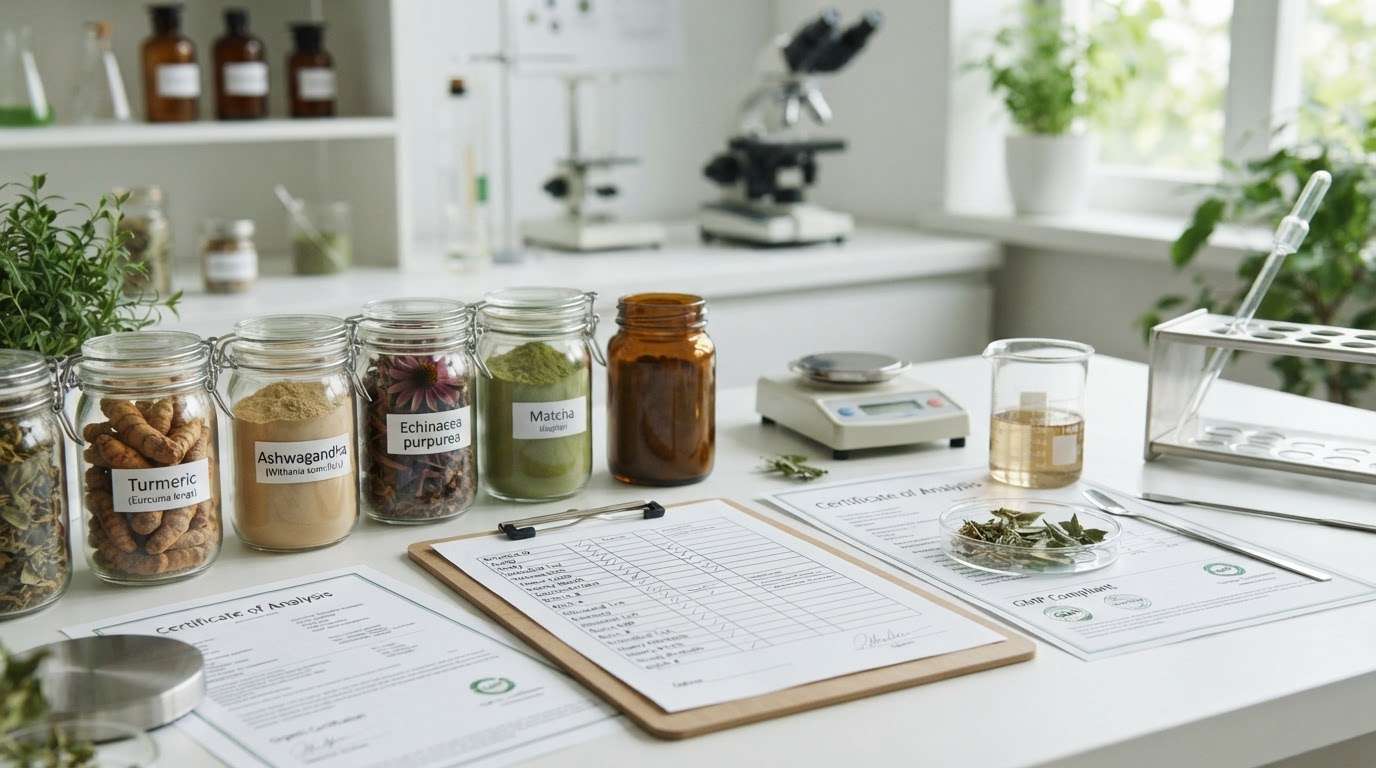
The vertical-integration question matters as much as the certificate question. Brands that work with a manufacturer controlling its own cultivation, extraction, and analytical infrastructure (rather than reselling third-party extract) typically see more consistent batch-to-batch marker content, faster custom-spec turnaround, and clearer traceability documentation. At our in-house R&D laboratory, in-process and finished-product testing covers TLC identification, HPLC-UV, HPLC-ELSD, and UHPLC quantification of MOMORDICOSIDE marker content, alongside heavy metal analysis via ICP-MS. The full quality control approach at Green Life is built around three pillars — identity, purity, and consistency — and reviewed in detail on the quality page.
For raw-material certificates, Green Life’s certifications include ISO 9001, HACCP, BRCGS, USDA Organic, EU Organic, HALAL, Kosher, and ECOCERT, with third-party verification from SGS, Eurofins, Intertek, and Mérieux NutriSciences. Finished-product buyers who require specific certifications for their destination market should request those documents at the quotation stage, before purchase order release.
10. Regulatory Landscape: FDA NDI, EFSA Novel Food & Global Compliance
The regulatory status of bitter melon extract varies by market, and procurement or regulatory affairs teams should map these before launching into a new region.
United States: Bitter melon extract is sold as a dietary supplement under DSHEA and is generally recognized as safe when used at traditional doses. Multiple New Dietary Ingredient (NDI) notifications have been filed in recent years, and certain mcIRBP-19-containing extracts have received favorable FDA review for safety. Structure/function claims (“supports healthy blood sugar levels already within the normal range”, “supports glucose metabolism”) are permissible; disease treatment claims are not. Dietary supplement cGMP (21 CFR Part 111) applies to all finished products.
European Union: Bitter melon is not currently an authorized novel food under Regulation (EU) 2015/2283 in its whole-fruit form at significant consumption levels, but extracts placed on the market before 1997 are generally treated under existing supplement frameworks. EFSA has reviewed the safety of bitter melon-derived preparations and opinions continue to evolve. Health claims for blood sugar support are tightly restricted and require pre-approved wording. For food supplement launches in the EU, regulatory pre-review with a local consultant is strongly recommended.
China: The Chinese Health Food catalogue has been updated to clarify recommended intake levels for bitter melon extract at 500–1,500 mg/day, with dual-marker testing requirements for saponin and polysaccharide content. Blue hat registration is the route for finished products carrying blood-sugar-related claims in mainland China.
Other markets: Japan’s Foods for Specified Health Uses (FOSHU), India’s AYUSH framework for Ayurvedic formulations, and Southeast Asian traditional medicine registrations each have their own dossier requirements. For B2B buyers selling into multiple regions, building a single technical dossier (master file with full CMC, toxicology, and clinical substantiation) is the most efficient way to support each regional submission.
The most important regulatory takeaway for a B2B buyer or brand owner: bitter melon extract is not a globally-harmonized ingredient. Each market has its own claim limit, dose ceiling, and required disclaimer language, and finished-product labels should be reviewed for compliance before launch.
11. Market Outlook: Why B2B Buyers Are Scaling Bitter Melon Extract Beyond 2026
The bitter melon extract ingredient market continues to expand, driven by three structural tailwinds: rising diabetes prevalence, a generational shift toward plant-based nutrition, and the growth of direct-to-consumer metabolic-health brands.
The global bitter melon extract raw-material market was valued at roughly USD 1.28 billion in 2025, with the broader bitter melon supplement market nearing USD 1.8 billion. Forecasts point to 7–17% CAGR through 2030, depending on segmentation. Asia Pacific accounts for the largest single share of ingredient production, while North America (21.4% projected growth) and Europe (19.8% projected growth) lead demand-side expansion. The Middle East and Africa region — driven by elevated type 2 diabetes prevalence and cultural affinity for botanical remedies — is growing at roughly 9% CAGR and is one of the most attractive emerging markets.
Three B2B-relevant application trends are shaping the next 24 months:
- Liquid drops and tinctures are the fastest-growing supplement format for bitter melon extract, particularly in DTC subscription models.
- Functional beverages and ready-to-drink metabolic shots are creating a new high-volume channel that requires microencapsulation and taste-masking expertise.
- Pet metabolic-health formulations for diabetic dogs and cats are an emerging, lower-competition category, especially in North America and Western Europe.
From a procurement standpoint, the most resilient bitter melon extract supply chains in 2026 share three characteristics: vertically integrated raw-material control from cultivation through extraction, dual-marker analytical capabilities (typically MOMORDICOSIDE by UV and additional marker confirmation by HPLC), and a manufacturer with multi-region regulatory familiarity. Brands that lock in specification stability and documentation quality now will find it much harder — and more expensive — to retrofit these into their supply chain after a regional recall or a clinical substantiation audit.
If your 2026–2027 metabolic-health roadmap includes bitter melon extract, evaluating manufacturers on these three criteria will pay back faster than chasing the lowest FOB price on a specification sheet.
Conclusion: Five Take-Aways for B2B Buyers
- Bitter melon extract is a multi-mechanism blood-sugar-support ingredient — insulin-mimetic (polypeptide-p), insulin-sensitizing (charantin/AMPK), and carbohydrate-absorption-blocking (momordicosides) — making it a natural foundational ingredient in metabolic formulations.
- The 2025 GRADE-adherent meta-analysis confirms meaningful reductions in fasting blood glucose, HbA1c, fasting insulin, and HOMA-IR in adults with prediabetes and type 2 diabetes at clinically achievable doses (2,000–2,400 mg/day of standardized extract).
- Berberine delivers stronger per-milligram HbA1c reduction; bitter melon extract delivers broader metabolic benefit and better tolerability. The two are complementary, not interchangeable, in combination formulas.
- For B2B quality, insist on MOMORDICOSIDE-standardized material, batch-specific COA, heavy metal and microbiological testing, and cGMP/ISO/HACCP-compliant manufacturing. Avoid suppliers that cannot document both their analytical method and their extraction process.
- The regulatory environment is converging in some areas (harmonized heavy-metal limits) and diverging in others (claim language). Build a single technical dossier that can support multi-region launches, with destination-specific claim language at the finished-product stage.
Ready to evaluate bitter melon extract powder for your formulation? Request a free specification sheet, batch-specific COA, or a development sample by contacting the Green Life technical team. We support 4:1, 10:1, and MOMORDICOSIDE 1%–30% (UV) specifications for B2B formulators, brand owners, and private-label developers worldwide.
Disclaimer: This article is for informational purposes only and does not constitute medical advice. Bitter melon extract is not intended to diagnose, treat, cure, or prevent any disease, including type 2 diabetes. Always consult a qualified healthcare provider before starting any new supplement, especially if you are taking blood-sugar-lowering medication or are pregnant or nursing.
Looking for Premium Plant Extracts?
Green Life Herb supplies 280+ botanical extracts with ISO/HALAL/Kosher certifications.
Custom specifications and sample orders available.