Introduction
Tribulus terrestris is a resilient, flowering plant with deep roots in Ayurvedic and Traditional Chinese Medicine, where it has been used for centuries to support vitality, hormonal health, and physical endurance. Today, it has become one of the most widely researched botanical extracts in the sports nutrition and natural wellness industries, gaining significant traction among formulators, supplement brands, and healthcare product developers worldwide.
As a B2B botanical extract supplier, understanding the full profile of Tribulus terrestris extract — its bioactive compounds, evidence-based benefits, market applications, and quality standards — is essential for making informed sourcing and formulation decisions. This article provides a comprehensive overview of what Tribulus terrestris extract is, what the science says, and how it can be applied across product categories.
Online market research spanning six countries — Canada, Puerto Rico, Russia, Spain, Ukraine, and the United States — identified over 1,000 webpages actively selling Tribulus terrestris extract, with sports and dietary supplement websites accounting for the majority of distribution. This global market presence underscores the ingredient’s commercial relevance and sustained demand across both B2C and B2B channels.
Key Bioactive Compounds in Tribulus Terrestris Extract
The therapeutic and functional properties of Tribulus terrestris extract are primarily attributed to its rich concentration of bioactive compounds. A high-quality standardized extract will specify the content of each key compound class, which directly determines potency and application suitability.
Steroidal Saponins
Steroidal saponins are the most pharmacologically significant compound class in Tribulus terrestris extract and serve as the primary standardization marker. These plant-derived glycosides have a steroid-like molecular structure and are responsible for many of the extract’s effects on hormonal signaling, cardiovascular function, and cellular activity. Commercial extracts are commonly standardized to contain between 40% and 90% total saponins by dry weight, depending on the intended application and target market.
Protodioscin
Protodioscin is the most studied individual saponin within Tribulus terrestris and is considered the key bioactive driver behind the extract’s effects on male hormone health and libido. It is believed to act as a precursor that supports the body’s natural production of dehydroepiandrosterone (DHEA), which in turn can influence testosterone levels. Research has explored protodioscin’s role in enhancing luteinizing hormone (LH) activity, which signals the testes to produce more testosterone. Premium extract grades specifically standardize protodioscin content (commonly 20–40%) for use in high-potency testosterone support formulations.
Flavonoids and Other Phenolic Compounds
Beyond saponins, Tribulus terrestris contains a range of flavonoids, including kaempferol, quercetin, and rutin, which contribute antioxidant and anti-inflammatory activity. These compounds support cardiovascular health, protect cellular integrity from oxidative stress, and complement the broader wellness profile of the extract. Alkaloids such as harmane and norharmane have also been identified, though they are present in smaller quantities and their clinical relevance is still being investigated.
Other Constituents
Additional phytochemicals found in Tribulus terrestris include:
- Terrestrosin D — a glycoside with emerging research interest in cardiometabolic health
- Diosgenin — a steroidal sapogenin with potential roles in anti-inflammatory pathways
- Tribulosin — a cardiac glycoside studied for its effects on heart muscle function
- Phytosterols — contributing to cholesterol metabolism and anti-inflammatory support
Testosterone Support and Male Health
The most well-recognized application of Tribulus terrestris extract is in the area of male hormonal health, particularly testosterone support. This is reflected in market data showing that approximately 44.6% of online product pages featuring Tribulus terrestris specifically highlight claims related to male hormone levels and sexual function.
The proposed mechanism centers on protodioscin’s ability to stimulate the release of luteinizing hormone (LH) from the pituitary gland. LH is the primary signal for Leydig cells in the testes to synthesize testosterone. Animal studies, including research published in Life Sciences (Gauthaman et al., 2002), demonstrated significant increases in testosterone, dihydrotestosterone (DHT), and dehydroepiandrosterone sulfate (DHEAS) following Tribulus terrestris administration. Human clinical data are more variable, with some studies showing modest effects in men with low baseline testosterone levels or in older men.
For B2B customers formulating testosterone support products, Tribulus terrestris extract standardized to high protodioscin content (40%+) is the preferred input material, often combined with complementary botanicals such as ashwagandha, fenugreek, or zinc-based compounds.
In women, Tribulus terrestris has shown promise in supporting libido and hormonal balance, particularly in peri- and postmenopausal contexts. Research referenced in Asian Journal of Plant Sciences Research (Samani & Jokar, 2014) explored its role in supporting female sexual function, suggesting application opportunities beyond traditional male-focused products.
Athletic Performance and Sports Nutrition
Athletic performance represents the largest single application segment for Tribulus terrestris extract. Market analysis found that sports performance claims — encompassing increased muscle mass, strength, power, and endurance — appeared on approximately 68.7% of product pages surveying the global online marketplace. Sports supplement websites were the predominant distribution channel, accounting for nearly 40% of all identified sources.
The extract’s role in athletic contexts operates through several potential pathways:
- Testosterone support: By modulating LH and supporting endogenous testosterone production, Tribulus terrestris may contribute to improved anabolic signaling, supporting lean muscle development and strength gains over time.
- Recovery support: Some studies suggest that Tribulus terrestris extract may facilitate recovery after intense physical activity, potentially through its anti-inflammatory and antioxidant constituent profile.
- Adaptogenic activity: The extract may support adrenal function and help modulate the body’s stress response, which is relevant for athletes undergoing high training loads. This adaptogenic property can help reduce physical and mental fatigue.
- Energy and endurance: Research published in Biomedicine (Milasius et al., 2009) explored Tribulus terrestris’s influence on physical working capacity and overall sports performance metrics.
It is important to note that clinical evidence for performance enhancement in healthy, trained athletes is mixed. A study published in the Journal of Strength and Conditioning Research (Rogerson et al., 2007) found no significant differences in body composition or strength between Tribulus-supplemented and placebo groups in elite rugby players over five weeks. Formulators should balance evidence-based claims with accurate, compliant labeling — particularly in sports supplement categories subject to regulatory scrutiny.
For B2B clients, Tribulus terrestris is best positioned as a supporting ingredient within multi-compound sports nutrition stacks rather than as a standalone performance enhancer, enabling broader and more defensible formulation claims.
Cardiovascular Benefits
Emerging research has highlighted the cardiovascular applications of Tribulus terrestris extract, supported by both its saponin and flavonoid fractions.
The proposed cardiovascular mechanisms include:
- Vasodilatory activity: Certain saponins in Tribulus terrestris, including tribulosin, have demonstrated the ability to relax vascular smooth muscle, supporting healthy blood flow and potentially contributing to normal blood pressure regulation.
- Antioxidant protection: Flavonoids such as quercetin and rutin help neutralize free radicals that contribute to endothelial oxidative stress, which is a known driver of cardiovascular disease progression.
- Diuretic properties: Traditional Ayurvedic use of Tribulus terrestris as a diuretic aligns with pharmacological studies showing mild natriuretic and uricosuric activity, relevant to kidney and urinary tract health.
- Lipid modulation: Animal studies have suggested that Tribulus terrestris may support healthy cholesterol profiles, though robust human clinical data remain limited.
These cardiovascular attributes position Tribulus terrestris extract as a relevant ingredient for heart health and blood pressure support formulations, particularly as consumer demand for evidence-backed cardiovascular botanicals continues to grow.
Other Health Benefits
Beyond its primary applications in hormonal health, sports nutrition, and cardiovascular support, Tribulus terrestris extract is associated with several additional benefits that expand its formulation potential:
- Urinary and kidney health: Traditional use and some clinical evidence support Tribulus terrestris as a urinary tract tonic, with the ability to reduce calcium oxalate crystal formation associated with kidney stones.
- Anti-inflammatory activity: Saponins and flavonoids in the extract have demonstrated inhibitory effects on inflammatory mediators, supporting its use in general wellness and joint health formulations.
- Mood and cognitive support: As an adaptogen, Tribulus terrestris may help regulate the hypothalamic-pituitary-adrenal (HPA) axis, contributing to improved stress resilience and mood stability.
- Blood glucose management: Preliminary research has explored Tribulus terrestris’s potential to support healthy blood glucose levels, which may be of interest for metabolic wellness formulations.
- Immune function: The extract’s antioxidant constituents contribute to baseline immune support, particularly in the context of high physical stress or oxidative load.
B2B Applications and Product Categories
For manufacturers, brand owners, and contract formulators, Tribulus terrestris extract integrates effectively across a wide range of product formats and categories. Its versatility, established consumer recognition, and multi-benefit profile make it a commercially compelling ingredient.
Primary Product Categories
- Testosterone booster supplements: The highest-volume category for Tribulus terrestris, available as capsules, tablets, and softgels. Typically formulated at 250–750 mg per serving of standardized extract (40–90% saponins).
- Sports nutrition and pre-workout: Included in multi-ingredient stacks for strength, endurance, and recovery. Compatible with creatine, beta-alanine, ashwagandha, and amino acid complexes.
- Male sexual health products: Standalone or combination formulas targeting libido, erectile function support, and reproductive health. Often paired with maca root, ginseng, or L-arginine.
- Adaptogen and stress support blends: Positioned alongside ashwagandha, rhodiola, and eleuthero for HPA axis support and stress resilience.
- Cardiovascular and blood pressure support: Lower-dose formulations leveraging the extract’s vasodilatory and antioxidant properties.
- Women’s health and hormonal balance products: Emerging application for libido and menopausal wellness formulations.
- Traditional herbal medicine products: Particularly in markets with established Ayurvedic or TCM product categories.
Available Extract Grades
Commercial Tribulus terrestris extract is available in several standardization grades to suit different formulation requirements:
- Standard grade: 40–60% total saponins — suitable for general wellness, energy, and entry-level sports nutrition products
- Premium grade: 90% total saponins — for high-potency testosterone support and performance formulations
- Protodioscin-standardized: 20–40% protodioscin — preferred for clinically-oriented male health and libido products
- Water extract: Lower saponin concentration but suitable for TCM-aligned formulations and beverages
Quality, Sourcing, and Regulatory Considerations
Quality assurance is a critical factor when sourcing Tribulus terrestris extract for commercial formulation. The supplement market has documented instances of adulterated or mislabeled products — including contamination with undisclosed anabolic androgenic steroids and ephedrine — which pose significant regulatory, legal, and health risks. B2B buyers must rigorously vet their suppliers to mitigate these risks.
Key Quality Parameters to Verify
- Standardization certificate: Third-party verified saponin and protodioscin content by HPLC analysis
- Heavy metal testing: Compliance with USP, EP, or relevant pharmacopeial limits for lead, arsenic, cadmium, and mercury
- Microbial testing: Total plate count, yeast, mold, and pathogen absence per regulatory requirements
- Pesticide residue analysis: Especially important for extracts sourced from regions with varying agricultural standards
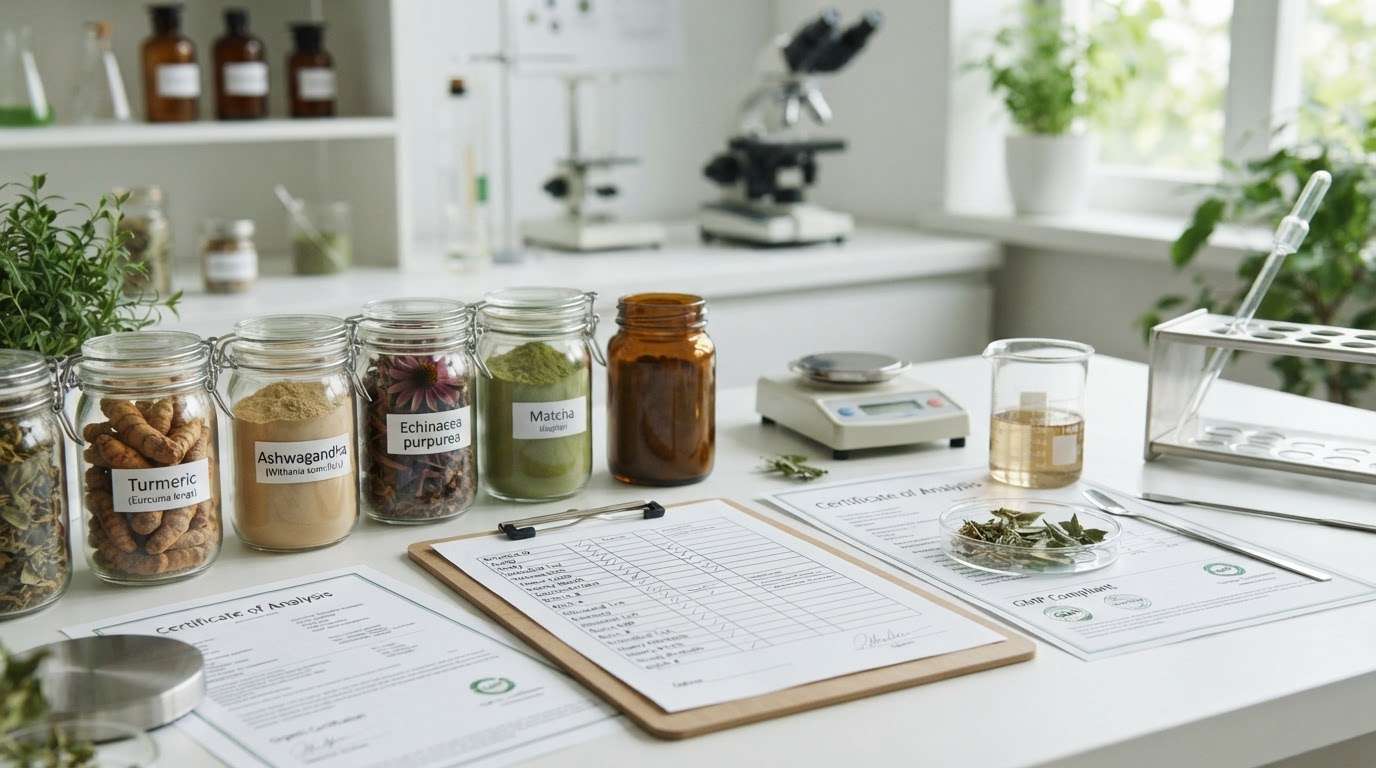
- Certificate of Analysis (CoA): Batch-specific documentation from an ISO-accredited laboratory
- Botanical identity verification: DNA barcoding or macroscopic/microscopic testing to confirm species authenticity
Sourcing Regions
Tribulus terrestris is cultivated and wild-harvested across multiple regions, with each offering different saponin profiles and quality characteristics:
- Bulgaria and Eastern Europe: Historically associated with higher protodioscin content; traditional source region for pharmaceutical-grade material
- India: Large-scale cultivated supply with consistent steroidal saponin profiles; primary source for global supplement market
- China: High-volume production with competitive pricing; requires strong supplier qualification practices
- Central Asia and the Middle East: Wild-harvested material with variable but often rich saponin profiles
Regulatory Status
Tribulus terrestris extract is generally classified as a dietary supplement ingredient in the United States (DSHEA), a food supplement in the European Union, and an herbal medicine ingredient in markets following Ayurvedic or TCM regulatory frameworks. It is not currently listed on the World Anti-Doping Agency (WADA) Prohibited List; however, buyers sourcing for sports nutrition applications should ensure that their supply chain is free from cross-contamination with prohibited substances and should consider certification by Informed Sport, NSF Certified for Sport, or equivalent programs.
Typical Dosage Guidelines for Formulation
- General wellness and vitality: 250–500 mg standardized extract (40–60% saponins) per day
- Testosterone and male health: 500–750 mg standardized extract per day, divided into two doses
- Athletic performance: 500–1,500 mg total daily dose in multi-ingredient stacks
Frequently Asked Questions
What standardization level should I specify when sourcing Tribulus terrestris extract?
The appropriate standardization depends on your target application. For general wellness and energy products, a 40–60% total saponin standardization is typically sufficient and cost-effective. For testosterone support, male sexual health, and high-performance sports nutrition formulations, premium grades standardized to 90% total saponins or specifically to protodioscin content (20–40%) are preferred. Always request batch-specific Certificates of Analysis and third-party HPLC verification to confirm compliance with stated specifications.
Does Tribulus terrestris extract actually increase testosterone levels in humans?
The evidence is nuanced. Animal studies and some human trials — particularly in men with lower baseline testosterone levels or older populations — have shown statistically significant increases in testosterone and LH following Tribulus terrestris supplementation. However, several well-controlled studies in healthy, trained athletes did not observe significant hormonal changes. The extract is best described as supporting the body’s natural hormonal balance, particularly in individuals whose testosterone production may be suboptimal, rather than as a pharmacological testosterone stimulant. For B2B formulation purposes, claims should be calibrated to reflect this evidence base and comply with local regulatory requirements.
Is Tribulus terrestris extract safe for use in sports nutrition products from a doping perspective?
Tribulus terrestris itself is not a prohibited substance under the WADA Code and does not directly introduce exogenous hormones. However, the risk of contamination in poorly controlled supply chains is a documented concern — some products on the market have been found to contain undisclosed anabolic steroids or stimulants. B2B buyers sourcing for sports nutrition should require anti-doping certification (e.g., Informed Sport, NSF Certified for Sport) from their suppliers and conduct due diligence on manufacturing facility GMP compliance to protect their customers and brand integrity.
What are the most effective product combinations for Tribulus terrestris extract?
Tribulus terrestris pairs well with several complementary ingredients depending on the target benefit. For testosterone and male health formulations, effective combinations include ashwagandha (KSM-66 or Sensoril), zinc, vitamin D3, fenugreek extract, and maca root. For sports performance stacks, it is often combined with creatine monohydrate, beta-alanine, and branched-chain amino acids. For adaptogen blends, co-formulation with rhodiola rosea, eleuthero, and L-theanine is common. These synergistic combinations can support broader label claims and improve the overall product value proposition.
What documentation should I request from a Tribulus terrestris extract supplier?
At minimum, request the following documentation from any prospective supplier: a batch-specific Certificate of Analysis (CoA) from an ISO-accredited third-party laboratory confirming saponin content, heavy metal levels, microbial counts, and pesticide residues; a GMP compliance certificate (FDA, EU GMP, or equivalent); botanical identity verification documentation; and, for sports nutrition applications, an anti-doping certification or statement of prohibited substance testing. Reputable suppliers should also be able to provide technical data sheets, safety data sheets, and stability data to support your formulation and regulatory submissions.
Conclusion
Tribulus terrestris extract represents one of the most commercially established and multi-functional botanical ingredients available to nutraceutical formulators today. Its rich bioactive profile — anchored by steroidal saponins, protodioscin, and flavonoids — supports a broad range of evidence-based applications spanning male hormonal health, athletic performance, cardiovascular wellness, and adaptogenic support.
For B2B buyers, the key to unlocking the full value of this ingredient lies in rigorous supplier qualification, appropriate standardization selection, and scientifically grounded formulation strategies. As consumer demand for natural, plant-based wellness solutions continues to grow globally, Tribulus terrestris extract remains a strategically relevant and commercially compelling ingredient across multiple product categories.
Partnering with a supplier that maintains transparent quality documentation, validated testing protocols, and consistent supply chain integrity is essential for protecting brand reputation and delivering products that meet the expectations of sophisticated, health-conscious consumers.
References:
Tribulus terrestris and Sport Performance: A Quantitative and Qualitative Evaluation of Its Advertisement and Availability via Online Shopping in Six Different Countries. PMC / NCBI. Available at: https://pmc.ncbi.nlm.nih.gov/articles/PMC11085339/
Rogerson, S., et al. (2007). The effect of five weeks of Tribulus terrestris supplementation on muscle strength and body composition during preseason training in elite rugby league players. Journal of Strength and Conditioning Research.
Gauthaman, K., et al. (2002). Sexual effects of puncturevine (Tribulus terrestris) extract (protodioscin): an evaluation using a rat model. Life Sciences.
Neychev, V.K., & Mitev, V.I. (2005). The aphrodisiac herb Tribulus terrestris does not influence the androgen production in young men. Journal of Ethnopharmacology.
Milasius, K., et al. (2009). The influence of the Tribulus terrestris extract on the parameters of the functional preparedness and athletes’ organism homeostasis. Biomedicine.
Samani, N.B., & Jokar, A. (2014). A comprehensive review on Tribulus terrestris. Asian Journal of Plant Sciences Research.
Looking for Premium Plant Extracts?
Green Life Herb supplies 280+ botanical extracts with ISO/HALAL/Kosher certifications.
Custom specifications and sample orders available.