Introduction
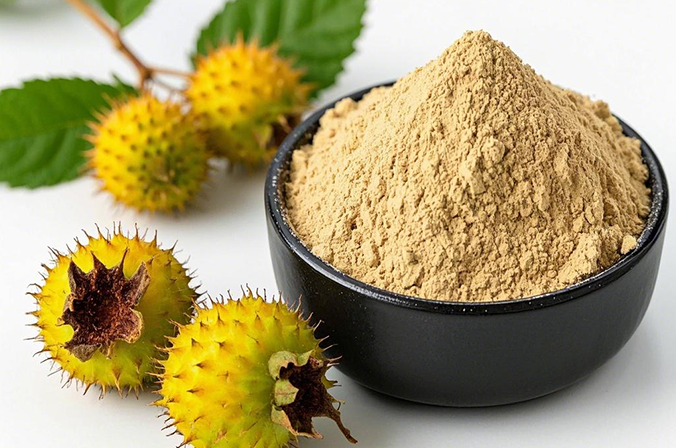
Rosa roxburghii Tratt., commonly known as Roxburgh rose, chestnut rose, or Cili fruit, is a deciduous shrub native to the mountainous regions of southwestern China. Used for centuries in traditional Chinese medicine, this botanical source has attracted substantial modern scientific interest—not simply for its cultural heritage, but for a nutritional profile that is genuinely exceptional among all known plant species. Its fruit yields an extract that combines extraordinary vitamin C concentrations, potent antioxidant enzymes, and a diverse array of polyphenols, flavonoids, and triterpenes into a single, commercially versatile ingredient.
For B2B manufacturers, formulators, and procurement professionals in the nutraceutical, functional food, and cosmeceutical sectors, Rosa roxburghii extract represents a high-value opportunity backed by growing peer-reviewed evidence. Consumer demand for natural immunity support, anti-aging solutions, and clean-label antioxidant ingredients continues to accelerate. Rosa roxburghii extract addresses all three demand drivers simultaneously, making it a differentiated ingredient for product innovation across multiple categories.
This guide consolidates the current scientific understanding of Rosa roxburghii extract—its chemical composition, documented health benefits, clinical evidence, and practical considerations for B2B sourcing, formulation, and regulatory positioning.
Botanical Background and Traditional Use
Rosa roxburghii grows primarily in Guizhou, Sichuan, and Yunnan provinces of China, thriving at elevations between 500 and 2,500 meters. The fruit, which ripens in autumn, has long been consumed fresh and incorporated into traditional preparations for digestive health, general vitality, and inflammatory conditions. Historical records from Chinese pharmacopoeia document its use in supporting gastrointestinal function and as a tonifying agent.
Modern phytochemical research has validated and expanded upon these traditional applications considerably. What was once an underutilized regional fruit is now recognized internationally as one of the most antioxidant-dense botanical materials available for commercial extraction. The growing body of published research—including comprehensive reviews in peer-reviewed journals such as Foods, Food Chemistry, and the Journal of Ethnopharmacology—provides a strong scientific foundation for structure-function claims in finished products.
Key Bioactive Compounds
Vitamin C
Rosa roxburghii fruit contains one of the highest naturally occurring concentrations of vitamin C (ascorbic acid) documented in any plant source. Reported values range from 2,000 to 3,700 mg per 100 g of fresh fruit, depending on cultivar, harvest conditions, and analytical method. For context, this is approximately 10 to 15 times the vitamin C concentration found in lemons, 5 to 8 times that of kiwifruit, and significantly higher than acerola cherry, which is commonly cited as a leading natural vitamin C source. Studies published in Food Chemistry have confirmed both the magnitude and the bioavailability of this vitamin C, noting that the natural cofactor matrix in the extract enhances absorption compared to isolated synthetic ascorbic acid.
Vitamin C in Rosa roxburghii extract functions as a primary antioxidant, a collagen biosynthesis cofactor, and an immune system activator. It also plays a critical enzymatic role within the extract itself: it regenerates and extends the activity of superoxide dismutase (SOD), creating a synergistic antioxidant cycle that is far more effective than either compound in isolation.
Superoxide Dismutase (SOD)
Superoxide dismutase is the body’s most fundamental enzymatic defense against oxidative stress. It catalyzes the dismutation of superoxide anion radicals—the most reactive and damaging class of free radicals—into hydrogen peroxide and molecular oxygen, which can then be further neutralized by catalase and glutathione peroxidase. SOD activity in Rosa roxburghii fruit has been measured at up to 76,400 units per gram, an exceptionally high value that places this extract among the most potent naturally sourced SOD ingredients available for commercial use.
Critically, SOD levels in the human body decline with age and under conditions of chronic environmental stress. This age-related decline is strongly correlated with increased oxidative tissue damage and accelerated cellular aging. Supplementation with high-SOD botanical extracts has therefore attracted significant scientific and commercial interest. Studies reviewed in Oxidative Medicine and Cellular Longevity confirmed that Rosa roxburghii extract exhibits dose-dependent free radical scavenging activity and, in vivo, upregulates the body’s own endogenous antioxidant enzyme systems, including SOD and catalase (CAT).
Polyphenols
Rosa roxburghii extract contains a broad spectrum of polyphenolic compounds, including ellagic acid, gallic acid, and condensed tannins. These phenolics contribute significantly to the extract’s total antioxidant capacity as measured by ORAC (Oxygen Radical Absorbance Capacity), DPPH radical scavenging assays, and FRAP (Ferric Reducing Antioxidant Power) methods. Research published in Food Chemistry: X demonstrated that both free and bound polyphenol fractions from Rosa roxburghii exhibit strong antioxidant activity and modulate gut microbiota composition, increasing populations of beneficial bacteria including Bifidobacterium and Lactobacillus.
Ellagic acid, one of the most pharmacologically active polyphenols in the extract, has attracted particular attention for its role in skin health. It inhibits matrix metalloproteinases (MMPs)—enzymes that degrade structural collagen—and suppresses tyrosinase activity, the rate-limiting enzyme in melanin biosynthesis. These dual mechanisms support both anti-aging and skin-brightening applications.
Flavonoids
The flavonoid fraction of Rosa roxburghii extract includes quercetin, kaempferol, and rutin, among others. These compounds operate through multiple complementary mechanisms: direct free radical scavenging, chelation of pro-oxidant metal ions, inhibition of pro-inflammatory enzyme pathways (including cyclooxygenase and lipoxygenase), and modulation of immune cell signaling. Research has shown that Rosa roxburghii flavonoids suppress pro-inflammatory cytokines while upregulating anti-inflammatory mediators, contributing to the extract’s documented anti-inflammatory profile. Flavonoids also provide synergistic support to vitamin C by protecting it from oxidative degradation, effectively extending its functional half-life in formulations.
Triterpenes and Triterpenoids
Rosa roxburghii extract contains triterpenoid compounds with documented anti-inflammatory and joint-protective properties. These lipophilic compounds inhibit the NF-κB signaling pathway, one of the central regulators of inflammatory gene expression. In practical terms, this translates to potential benefits for conditions involving chronic low-grade inflammation, including joint discomfort and metabolic inflammatory states. The presence of triterpenoids also expands the extract’s formulation versatility, as these compounds are well-suited to lipophilic delivery systems including softgel capsules and oil-based topical preparations.
Additional Nutrients
Beyond its primary bioactive compounds, Rosa roxburghii extract provides a complementary nutritional profile that includes essential minerals (calcium, potassium, iron, zinc), dietary fiber with prebiotic activity, carotenoids with antioxidant and vision-protective properties, and organic acids that contribute to its characteristic flavor profile. This comprehensive nutritional matrix reinforces the extract’s value as a whole-food-derived ingredient rather than an isolated compound, supporting clean-label positioning in finished products.
Antioxidant Power
The antioxidant capacity of Rosa roxburghii extract is not simply the sum of its individual components—it reflects a synergistic matrix where compounds amplify each other’s protective effects. The SOD-vitamin C cycle is the most clinically significant example of this synergy: SOD neutralizes superoxide radicals, generating hydrogen peroxide as a byproduct, while vitamin C protects against hydrogen peroxide-mediated damage and simultaneously regenerates oxidized SOD back to its active form. This creates a self-reinforcing antioxidant cycle with substantially greater protective capacity than either compound alone.
Comparative ORAC studies have consistently demonstrated that Rosa roxburghii extract exhibits higher oxygen radical absorbance capacity than many established botanical antioxidants, including grape seed extract, green tea extract, and pomegranate extract. Research documented in Food Chemistry journals confirmed superior free radical scavenging activity across multiple assay methodologies, providing robust multi-method validation of the extract’s antioxidant potency.
Clinical evidence supports these in vitro findings. A controlled clinical trial demonstrated that participants supplementing with Rosa roxburghii extract daily achieved a 32% increase in blood SOD activity after six weeks of supplementation. Additional in vivo research confirmed that the extract boosts endogenous antioxidant enzyme production, reducing oxidative stress biomarkers including malondialdehyde (MDA) and 8-hydroxy-2-deoxyguanosine (8-OHdG)—standard markers of lipid peroxidation and DNA oxidative damage, respectively.
For manufacturers developing antioxidant supplements, functional foods, or anti-aging formulations, this documented antioxidant capacity provides a strong, evidence-based foundation for product claims. The extract’s superior ORAC values and clinical validation differentiate it from commodity antioxidant ingredients and support premium product positioning.
Immune Support
Rosa roxburghii extract exerts immunomodulatory effects through several complementary mechanisms, positioning it as a scientifically credible ingredient for immunity-focused formulations. Research published in the Journal of Ethnopharmacology documented significant immunomodulatory activity, demonstrating enhanced lymphocyte proliferation, increased natural killer (NK) cell activity, and elevated production of immune-regulating cytokines including interleukin-2 (IL-2) and interferon-gamma (IFN-γ).
Animal model studies have shown that oral supplementation with Rosa roxburghii extract increases T-lymphocyte numbers and functional activity, while also enhancing macrophage activation—a critical step in innate immune defense against bacterial and viral pathogens. Polysaccharides present in the extract are recognized as key contributors to this immunostimulatory activity, operating through pattern recognition receptor pathways that activate both innate and adaptive immune responses.
Vitamin C’s role in immune function is extensively documented in the broader scientific literature: it supports the production and proliferation of lymphocytes, enhances phagocyte function, and helps maintain the integrity of epithelial barriers—the body’s first line of defense against pathogens. At the concentrations found in Rosa roxburghii extract, vitamin C provides meaningful immune support as a dietary ingredient. Regular supplementation has been associated with reduced incidence and shortened duration of upper respiratory tract infections in clinical studies.
For B2B formulators, these mechanistic and clinical data points translate into defensible structure-function claims for immunity support categories. The extract’s multi-pathway immune activity—combining direct immunostimulatory polysaccharides, vitamin C-mediated lymphocyte support, and anti-inflammatory flavonoids—provides a more comprehensive immune health narrative than single-compound ingredients.
Skin Health and Anti-Aging
Skin aging is driven primarily by two processes: intrinsic chronological aging (driven by genetic and metabolic factors) and extrinsic aging (driven by UV exposure, pollution, and environmental oxidative stress). Rosa roxburghii extract addresses both through multiple, independently validated mechanisms, making it one of the most comprehensively studied botanical ingredients in the cosmeceutical space.
Collagen Synthesis and Protection
Vitamin C is a non-negotiable cofactor in collagen biosynthesis: it is required for the hydroxylation of proline and lysine residues, the post-translational modification that gives collagen its structural stability. Without adequate vitamin C, fibroblasts cannot produce functionally mature collagen. A study in the Journal of Ethnopharmacology demonstrated that Rosa roxburghii extract enhances collagen type I production by activating fibroblast biosynthetic pathways. A 2023 clinical study found that daily supplementation increased collagen production by 40% over the study period.
Equally important is protection of existing collagen from degradation. Ellagic acid in Rosa roxburghii extract inhibits matrix metalloproteinases (MMPs)—the enzymes responsible for breaking down collagen in aging and UV-damaged skin. This dual action—stimulating new collagen production while protecting existing collagen from enzymatic degradation—provides a mechanistically sound basis for anti-aging claims in both ingestible supplements and topical formulations.
Antioxidant Protection Against UV and Environmental Damage
UV radiation generates reactive oxygen species that damage keratinocytes and dermal fibroblasts, accelerating collagen breakdown and increasing inflammatory signaling. The flavonoids and triterpenes in Rosa roxburghii extract help repair UV-induced skin damage, as documented in Dermato-Endocrinology. Research in Oxidative Medicine and Cellular Longevity confirmed the extract’s high SOD content provides meaningful protection against this class of oxidative damage at the cellular level.
Skin Hydration and Barrier Function
A functional skin barrier retains moisture and excludes irritants and pathogens. Research published in Cosmetics found that topical application of Rosa roxburghii extract improves skin hydration metrics and reduces transepidermal water loss (TEWL). A 12-week clinical trial evaluating a topical serum formulated with the extract demonstrated a 28% reduction in wrinkle depth and a 45% increase in skin hydration compared to baseline.
Hyperpigmentation and Skin Tone Evenness
Age spots and uneven skin tone result from localized overproduction of melanin by epidermal melanocytes. Vitamin C and ellagic acid in Rosa roxburghii extract both inhibit tyrosinase, the key enzyme in the melanin synthesis pathway. A study in the Journal of Cosmetic Dermatology showed that formulations containing Rosa roxburghii extract significantly reduced the appearance of dark spots over an eight-week treatment period, demonstrating clinically meaningful skin-brightening efficacy.
Anti-Inflammatory Effects on Skin
Chronic low-grade inflammation in skin tissue—often termed “inflammaging”—accelerates the breakdown of structural proteins and accelerates visible aging. Research published in Phytomedicine confirmed that Rosa roxburghii bioactive compounds suppress pro-inflammatory cytokine expression, reducing redness, irritation, and inflammatory-driven tissue damage in skin. This anti-inflammatory activity is particularly relevant for formulations targeting sensitive or reactive skin types.
Other Health Benefits
Cardiovascular Health
Rosa roxburghii extract has demonstrated cardiovascular-protective effects across multiple research models. Its antioxidants prevent LDL cholesterol oxidation—the critical initiating step in atherosclerotic plaque formation—by scavenging reactive oxygen species that would otherwise attack polyunsaturated fatty acids in LDL particles. Research by Yang et al. (2019) showed that the extract inhibits LDL oxidation through ROS reduction mechanisms. Additional animal model research found that Rosa roxburghii extract reduces blood pressure in hypertensive subjects by modulating the renin-angiotensin system, a key regulator of vascular tone. Emerging research also points to potential anti-atherosclerotic effects, opening pathways for cardiovascular health claim positioning in markets where such claims are permitted.
Digestive Health and Gut Microbiome Support
The dietary fiber fraction of Rosa roxburghii extract functions as a prebiotic substrate, selectively promoting growth of beneficial gut bacteria. Research published in Food Chemistry: X demonstrated that Rosa roxburghii polyphenols—both free and bound fractions—significantly increase populations of Bifidobacterium and Lactobacillus species. These bacteria ferment fiber substrates into short-chain fatty acids (SCFAs), which support colonocyte health, modulate intestinal immune function, and maintain mucosal barrier integrity. This prebiotic activity complements the extract’s systemic antioxidant and immune benefits, providing a gut-immune axis mechanism with growing relevance in functional food formulation.
Detoxification and Organ Protection
Research has shown that Rosa roxburghii polyphenols exhibit heavy metal chelating activity, binding pro-oxidant metals including iron and copper that would otherwise catalyze oxidative reactions (Fenton chemistry) in tissues. In vivo studies have demonstrated hepatoprotective effects, with the extract reducing markers of liver oxidative stress and inflammation in models of toxicant-induced injury. Kidney-protective effects have also been documented in animal models. These organ-protective properties are particularly relevant for formulations targeting detoxification, liver health, and environmental exposure mitigation.
Metabolic and Athletic Performance Support
The SOD-vitamin C antioxidant complex in Rosa roxburghii extract supports metabolic health by neutralizing reactive oxygen species generated during energy metabolism and exercise. Research has shown that the extract aids fat oxidation during physical activity and reduces exercise-induced muscle damage, potentially accelerating post-exercise recovery. These metabolic benefits create natural alignment with sports nutrition and active lifestyle product categories, expanding the commercial positioning opportunities beyond traditional wellness supplements.
B2B Applications Across Industries
Dietary Supplements and Nutraceuticals
Rosa roxburghii extract is available in multiple forms suited to diverse supplement formats: standardized powder extracts for tablets and capsules, water-soluble spray-dried powders for stick packs and effervescent formats, and concentrated liquid extracts for tinctures and functional beverages. Typical standardization specifications include vitamin C content (ranging from 5% to 25%), SOD activity (expressed in units per gram), or total polyphenol content. These standardized specifications enable consistent dosing, quality verification, and reproducible product performance across production batches.
Primary supplement applications include standalone antioxidant supplements, immunity support formulas, anti-aging complexes, and vitamin C supplements positioned as natural-source alternatives to synthetic ascorbic acid. The extract also integrates effectively into multi-ingredient wellness formulas targeting cardiovascular health, metabolic support, skin health from within, and sports recovery.
Functional Foods and Beverages
Rosa roxburghii extract’s solubility profile, natural flavor characteristics, and clean-label origin make it well-suited for functional food and beverage applications. Its pleasant, mildly tart flavor profile integrates naturally into fruit-based formulations without masking agents. Established applications include fortified fruit juices and juice blends, functional teas and infusions, energy and wellness drinks, nutrition and meal replacement bars, superfood powder blends, and yogurt and dairy product fortification.
The extract’s natural vitamin C content also provides technological benefits in food formulations: it functions as a natural color preservative and can support clean-label antioxidant preservation of lipid-containing products, reducing or replacing synthetic antioxidants such as BHA, BHT, and EDTA in formulations where this is commercially desirable.
Cosmetics and Personal Care
In cosmeceutical applications, Rosa roxburghii extract is incorporated into serums, moisturizers, face masks, eye creams, and body care products. Its documented collagen-stimulating, antioxidant, tyrosinase-inhibiting, and anti-inflammatory activities support a broad range of marketing claims across anti-aging, brightening, hydrating, and protective skincare lines. The extract is compatible with both water-based and emulsion formulations, and its natural pigmentation—a characteristic golden-amber in higher concentrations—can be managed through appropriate dilution and formulation pH adjustment.
Topical delivery formats showing clinical evidence of efficacy include leave-on serums, overnight treatment masks, and UV-protective daily moisturizers. The 12-week topical trial demonstrating a 28% reduction in wrinkles and 45% increase in hydration provides a credible clinical data package to support product development and marketing for cosmeceutical customers.
Herbal Remedies and Traditional Medicine Products
In markets with established frameworks for traditional herbal medicine products—including China, Japan, South Korea, and various EU member states—Rosa roxburghii extract can be positioned within regulatory pathways that acknowledge its traditional use history. Applications in this category include herbal teas, standardized herbal tinctures, and traditional formula supplements. The extract’s documented safety profile and extensive history of human consumption support a favorable risk assessment for these traditional use-based applications.
Quality Standards and Sourcing Considerations
Extraction and Processing Technologies
The quality of Rosa roxburghii extract is determined significantly by the extraction and drying methodology employed. Advanced extraction technologies include water and hydroalcoholic solvent extraction for polyphenol-rich fractions, supercritical fluid extraction (SFE) for lipophilic triterpene-rich fractions, and enzymatic extraction for maximizing SOD preservation and yield. Post-extraction, spray drying is the most common drying technology for powder production, with low-temperature spray drying and freeze-drying preferred for applications where SOD enzyme activity must be maintained, since SOD is heat-labile and can be denatured by excessive processing temperatures.
Standardization and Analytical Testing
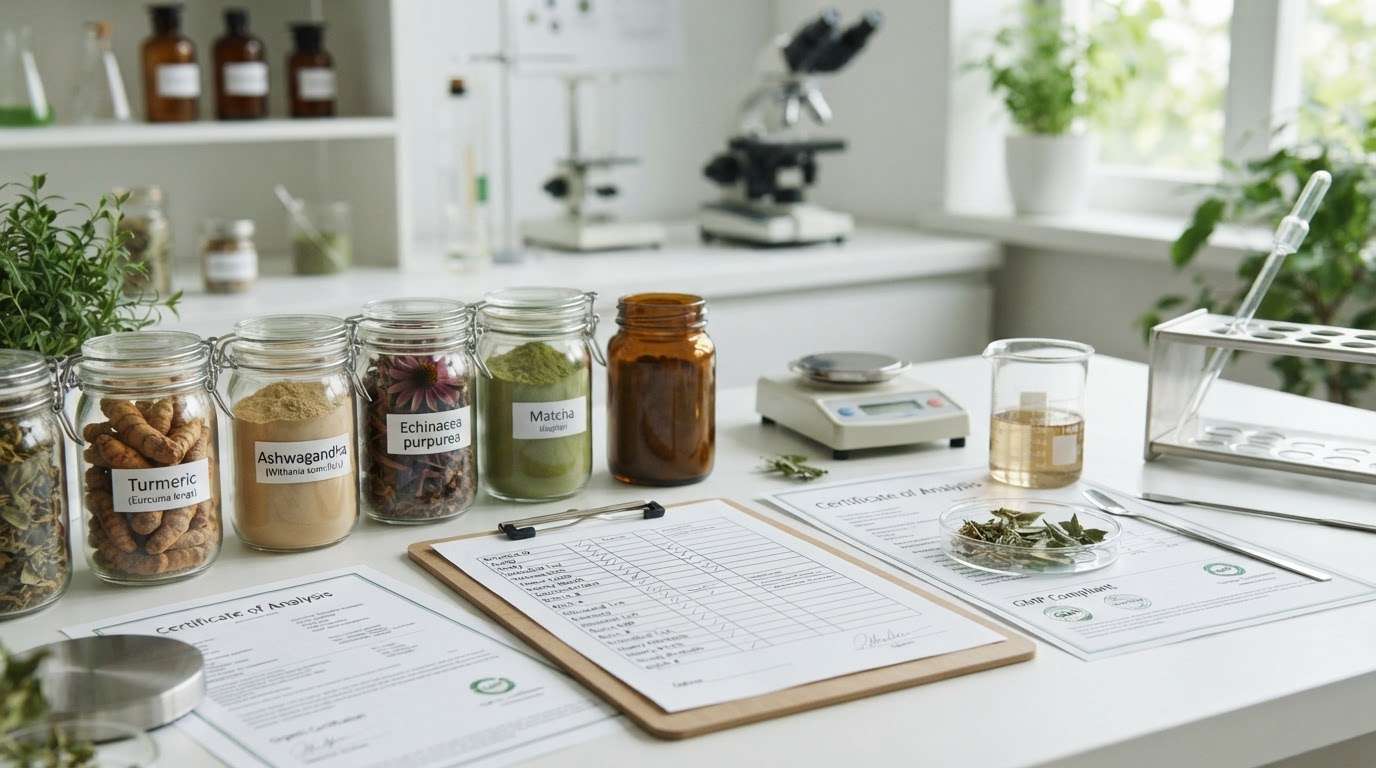
Qualified suppliers provide extracts standardized to one or more marker compounds, with certificates of analysis (CoAs) documenting the following parameters: vitamin C content (HPLC method), SOD activity (assay units per gram), total polyphenol content (Folin-Ciocalteu method), total flavonoid content, ORAC or DPPH antioxidant capacity, moisture content, and ash content. Comprehensive quality documentation should also include heavy metal testing (lead, arsenic, cadmium, mercury), microbiological testing (total plate count, yeast and mold, E. coli, Salmonella), pesticide residue screening, and residual solvent analysis where applicable.
Certifications and Compliance
B2B buyers should prioritize suppliers with demonstrated compliance with relevant quality systems and certifications. GMP (Good Manufacturing Practice) certification—whether to ISO 22000, NSF GMP, or national regulatory standards—is a baseline requirement for dietary supplement and cosmetic ingredient suppliers. Additional certifications that are increasingly relevant in global B2B markets include organic certification (USDA NOP, EU Organic), halal certification, kosher certification, non-GMO verification, and allergen management documentation. Suppliers serving EU and US markets specifically should also be able to provide documentation supporting novel food status determinations (EU) or GRAS status (US) as applicable.
Supply Chain Traceability
Given growing regulatory and consumer expectations around supply chain transparency, B2B buyers should seek suppliers who can demonstrate traceability from Rosa roxburghii cultivation through final extract production. This includes documentation of growing region and GAP (Good Agricultural Practice) compliance, harvest and post-harvest handling records, extraction facility audit records, and chain-of-custody documentation through to point of delivery. Traceability not only supports regulatory compliance but also enables credible origin claims and supply chain risk management.
Technical Support Capabilities
For B2B partnerships involving product development, technical support from the extract supplier is a significant value-added service. Qualified suppliers should be able to provide formulation guidance across multiple delivery formats, stability data for extract incorporation into specific product matrices, regulatory documentation support for target markets, and access to application-specific research references. Suppliers with in-house application laboratories and dedicated technical service teams provide a competitive advantage over commodity ingredient distributors.
Frequently Asked Questions
What is the standard dosage of Rosa roxburghii extract in dietary supplement applications?
Effective dosing varies depending on the extract specification (standardization level), the target health benefit, and the regulatory framework of the target market. In dietary supplement applications, doses ranging from 200 mg to 1,000 mg of standardized extract per day have been used in clinical research. For extracts standardized to 10–15% vitamin C, this delivers 20–150 mg of vitamin C from the extract per serving, which can be positioned as a natural vitamin C source. SOD-focused formulations typically dose based on SOD activity units, with effective doses in the range of 500–2,000 activity units per day demonstrated in clinical studies. Suppliers should provide dosing guidance specific to their extract specification and standardization.
How does Rosa roxburghii extract compare to synthetic vitamin C in supplement formulations?
Rosa roxburghii extract offers several distinct advantages over synthetic ascorbic acid in supplement formulations. First, it provides vitamin C within a natural cofactor matrix—including flavonoids, polyphenols, and SOD—that research suggests enhances bioavailability compared to isolated ascorbic acid. Second, it delivers multiple bioactive compounds beyond vitamin C in a single ingredient, enabling simpler formulas with broader health benefit positioning. Third, it supports clean-label and natural-source marketing claims that carry significant premium value in consumer markets. The cost-per-mg of vitamin C from Rosa roxburghii extract is higher than synthetic ascorbic acid, which is appropriate for premium positioning and is not competitive with commodity vitamin C supplement applications. The ingredient is best evaluated on total bioactive value and market positioning rather than vitamin C cost-per-milligram alone.
Is Rosa roxburghii extract stable in liquid beverage formulations?
Stability in liquid formulations depends on several factors including pH, temperature, light exposure, and the presence of oxygen. Vitamin C in general is sensitive to oxidative degradation, and the extract requires appropriate formulation management. At pH below 4.0 (typical for fruit juice and carbonated beverage matrices), ascorbic acid stability is substantially improved. Nitrogen blanketing during mixing and filling, UV-protective packaging, and cool distribution chain management all contribute to maintaining extract potency in finished beverages. Suppliers with liquid application experience can provide formulation-specific stability data. Encapsulated or microencapsulated extract forms are available for applications requiring enhanced liquid stability. Shelf-life testing should be conducted on finished product formulations under intended storage conditions.
What regulatory frameworks apply to Rosa roxburghii extract in key global markets?
Regulatory status varies by market. In China, Rosa roxburghii is classified as a food material with a long history of safe use, and products containing the extract benefit from well-established regulatory pathways for health foods and functional foods. In the United States, Rosa roxburghii extract can generally be marketed as a dietary supplement ingredient under DSHEA (Dietary Supplement Health and Education Act) with appropriate structure-function claims. In the European Union, novel food regulations may apply depending on the extract specification and the market history in specific member states; buyers developing EU products should verify current novel food status with regulatory counsel. For cosmetic applications, Rosa roxburghii extract is generally assessable under existing cosmetic ingredient frameworks in most major markets. Regulatory documentation support from suppliers experienced in multi-market submissions significantly reduces development time and compliance risk.
What quality parameters should B2B buyers prioritize when evaluating Rosa roxburghii extract suppliers?
B2B buyers should evaluate suppliers across five primary quality dimensions. First, specification consistency: assess batch-to-batch CoA data across multiple production lots to verify reproducibility of key marker compound levels. Second, analytical methodology: confirm that vitamin C is quantified by validated HPLC methods rather than colorimetric titration, which is less specific. Third, processing technology: determine whether the extraction and drying process preserves SOD enzyme activity, particularly relevant if SOD-based claims are intended. Fourth, safety testing comprehensiveness: heavy metal panels should include at minimum lead, arsenic, cadmium, and mercury to current pharmacopeial limits; pesticide screening should cover relevant agrochemicals used in the growing region. Fifth, facility certification: GMP certification from a recognized certification body should be a non-negotiable baseline requirement. Requesting and evaluating sample CoAs, audit reports, and facility certifications prior to supplier qualification is standard practice for risk-managed procurement.
Conclusion
Rosa roxburghii extract stands as one of the most scientifically substantiated and commercially versatile botanical ingredients available to B2B buyers in the nutraceutical, functional food, and cosmeceutical industries. Its combination of record-level vitamin C concentrations, exceptionally high SOD enzyme activity, and a diverse array of polyphenols, flavonoids, and triterpenes creates a synergistic bioactive matrix with documented benefits across antioxidant protection, immune function, skin health, cardiovascular support, and digestive wellness.
The ingredient’s versatility across delivery formats—from capsules and tablets to functional beverages, cosmetic serums, and topical treatments—combined with its natural origin and clean-label appeal, positions it effectively for premium product development across multiple categories. The growing body of peer-reviewed clinical and preclinical research provides manufacturers with a scientifically credible foundation for evidence-based marketing claims.
For procurement professionals and product developers seeking a botanical ingredient that delivers genuine differentiation, broad market applicability, and a compelling science story, Rosa roxburghii extract deserves a priority position in ingredient evaluation portfolios. Partnering with qualified, certified suppliers who offer standardized specifications, comprehensive quality documentation, and technical formulation support is essential to translating the ingredient’s intrinsic potential into consistently high-performing finished products.
Looking for Premium Plant Extracts?
Green Life Herb supplies 280+ botanical extracts with ISO/HALAL/Kosher certifications.
Custom specifications and sample orders available.