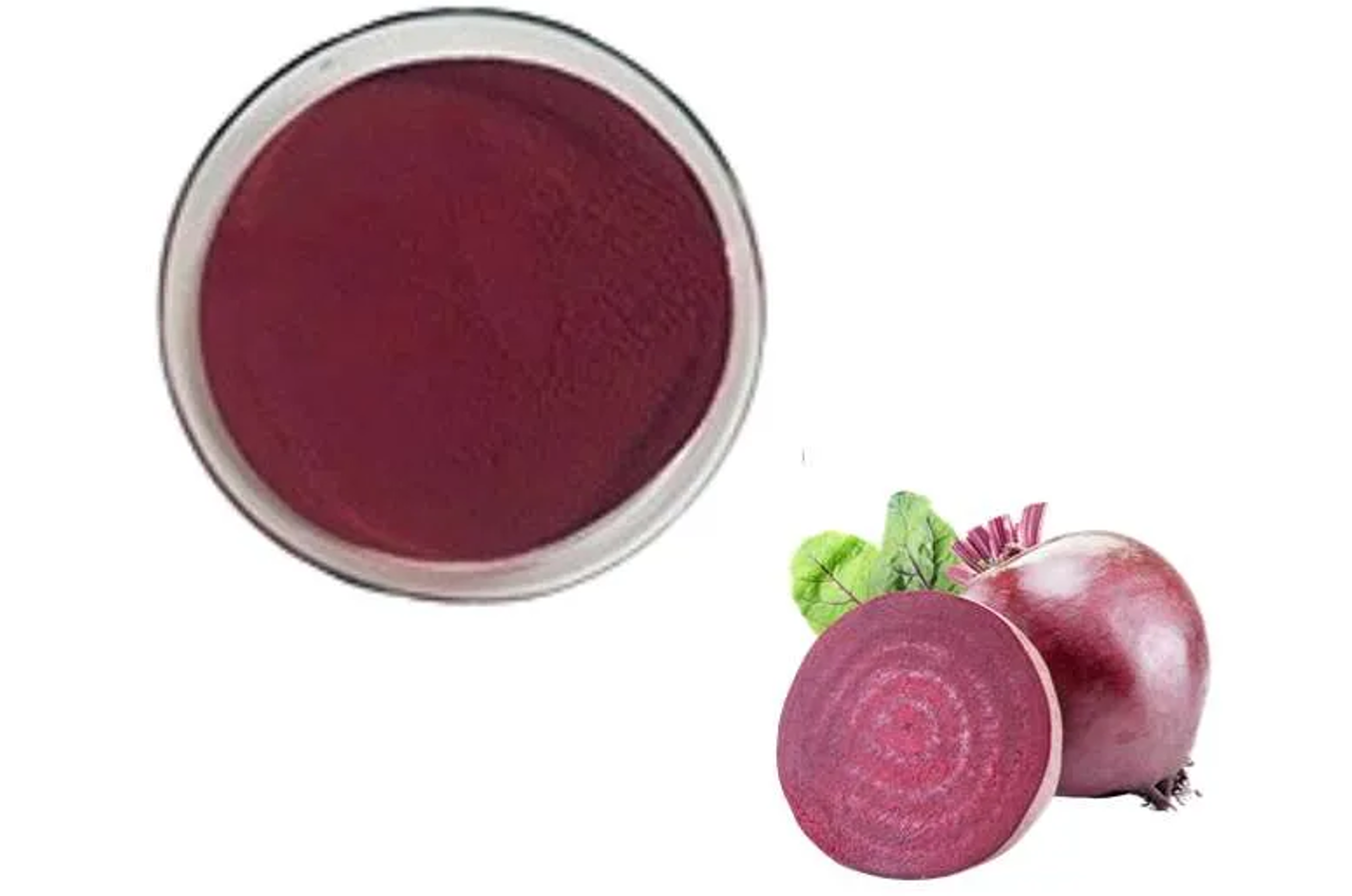
In 2025, as consumers seek natural, stimulant-free alternatives to manage cardiovascular health and enhance athletic performance, beet extract standardized for betaine nitrate has taken center stage. Derived from Beta vulgaris, this concentrated form combines inorganic nitrates with betaine (trimethylglycine) in a patented delivery system (often branded as NO3-T®). Unlike traditional beetroot juice, betaine nitrate offers precise dosing and dual-action benefits: rapid nitric oxide (NO) production for vascular health and cellular hydration for sustained energy. This “revolution” is backed by decades of research on dietary nitrates and emerging insights into betaine’s synergistic effects, positioning beet extract as a go-to supplement for anyone concerned about blood pressure or looking to push endurance limits without caffeine or synthetic compounds.
The core mechanism begins with the nitrate-nitrite-NO pathway. Upon ingestion, betaine nitrate delivers high levels of inorganic nitrate, which oral bacteria convert to nitrite. In the acidic stomach and bloodstream, nitrite becomes bioactive nitric oxide—a potent vasodilator. NO relaxes smooth muscle in blood vessels, improving endothelial function and reducing vascular resistance. This directly lowers blood pressure while enhancing blood flow to working muscles and organs. Betaine complements this by acting as an osmolyte, helping cells maintain volume and hydration during intense activity, and serving as a methyl donor to support metabolic efficiency.
Clinical evidence for blood-pressure reduction is robust. A landmark meta-analysis of randomized trials found that inorganic nitrate and beetroot juice supplementation significantly lowered systolic blood pressure by an average of 4.4 mm Hg (95% CI: −5.9 to −2.8 mm Hg), with a dose-dependent effect observed in meta-regression analysis. Diastolic reductions were smaller but still clinically meaningful in many participants. More recent work confirms these benefits in hypertensive populations. A 2022 systematic review and meta-analysis specifically in patients with arterial hypertension showed nitrate derived from beetroot juice reduced systolic blood pressure without affecting diastolic values in some cohorts, highlighting its targeted vascular action.
Even more compelling is a 2025 University of Exeter study demonstrating age-specific effects. Older adults (60s–70s) consuming concentrated beetroot juice twice daily for two weeks experienced measurable blood-pressure drops, linked to favorable shifts in the oral microbiome—suppression of harmful Prevotella bacteria and proliferation of nitrate-reducing species like Neisseria. This enhanced nitrate-to-NO conversion restored vascular health where natural NO production declines with age. Younger participants showed no significant change, underscoring beet extract’s particular value for midlife and senior wellness.
On the performance front, betaine nitrate shines through improved oxygen economy and stamina. Nitrates reduce the oxygen cost of submaximal exercise by optimizing mitochondrial function—specifically by competing with oxygen at cytochrome c oxidase, allowing ATP production with less oxygen demand. This translates to delayed fatigue, greater time to exhaustion, and enhanced endurance. A comprehensive narrative review concluded that nitrate supplementation (primarily from beetroot sources) acts as an effective ergogenic aid, improving power output, time-trial performance, and tolerance to high-intensity efforts lasting 10–17 minutes. Benefits are most pronounced in recreationally active or less-trained individuals (VO₂max < 65 mL/kg/min), with acute doses of 5–9 mmol nitrate (roughly 300–560 mg) taken 2–3 hours pre-exercise delivering optimal results.
Chronic use amplifies these gains. Studies show 6–15 days of consistent beet extract supplementation further enhances exercise economy, increases distance covered in endurance tests, and supports faster recovery by improving nutrient delivery and clearing metabolic by-products. Betaine’s contribution—documented in separate performance trials—adds cellular protection against dehydration and osmotic stress during prolonged sessions, making the combined betaine nitrate form particularly attractive for athletes and active adults.
Practical integration is straightforward. Most effective protocols use 300–600 mg of nitrate daily (equivalent to a standardized beet extract dose of 1–3 g betaine nitrate), either as powder, capsules, or shots. Effects appear within 2–3 hours and last up to 24 hours with chronic intake. Unlike caffeine-heavy pre-workouts, betaine nitrate provides jitter-free energy and sustained pumps without elevating heart rate unnaturally. Users should avoid antibacterial mouthwash, as it disrupts oral nitrate reduction. Safety is excellent at recommended doses; mild gastrointestinal upset is rare and transient. Individuals on blood-pressure medication should consult a physician, as additive effects are possible.
The beet extract revolution reflects a broader shift toward evidence-based, plant-powered nutrition in 2025. By harnessing betaine nitrate’s dual pathways—vasodilation for cardiovascular protection and mitochondrial efficiency for athletic stamina—it delivers measurable, feel-it results that synthetic alternatives often lack. Whether you’re managing everyday blood-pressure concerns or chasing personal records, this humble root extract offers a clean, sustainable edge rooted in science.
As more long-term trials emerge, betaine nitrate stands poised to become a staple in both clinical and athletic protocols—proving once again that nature’s simplest foods can drive the most profound health transformations.
References
- Benjamim CJR et al. (2022). Nitrate Derived From Beetroot Juice Lowers Blood Pressure in Patients With Arterial Hypertension: A Systematic Review and Meta-Analysis. PMC – https://pmc.ncbi.nlm.nih.gov/articles/PMC8965354/
- Siervo M et al. (2013). Inorganic Nitrate and Beetroot Juice Supplementation Reduces Blood Pressure in Adults: A Systematic Review and Meta-Analysis. The Journal of Nutrition – https://www.sciencedirect.com/science/article/pii/S0022316622012044
- Macuh M et al. (2021). Effects of Nitrate Supplementation on Exercise Performance in Humans: A Narrative Review. Nutrients – https://pmc.ncbi.nlm.nih.gov/articles/PMC8465461/
- University of Exeter (2025). Beet juice secretly helps older adults lower blood pressure in just two weeks. ScienceDaily – https://www.sciencedaily.com/releases/2025/08/250831010505.htm
- Bonilla Ocampo DA et al. (2018). Dietary Nitrate from Beetroot Juice for Hypertension. Biomolecules – https://www.mdpi.com/2218-273X/8/4/134
- Bahadoran Z et al. (2017). The Nitrate-Independent Blood Pressure-Lowering Effect of Beetroot Juice. Advances in Nutrition – https://pubmed.ncbi.nlm.nih.gov/29141968/
Looking for Premium Plant Extracts?
Green Life Herb supplies 280+ botanical extracts with ISO/HALAL/Kosher certifications.
Custom specifications and sample orders available.