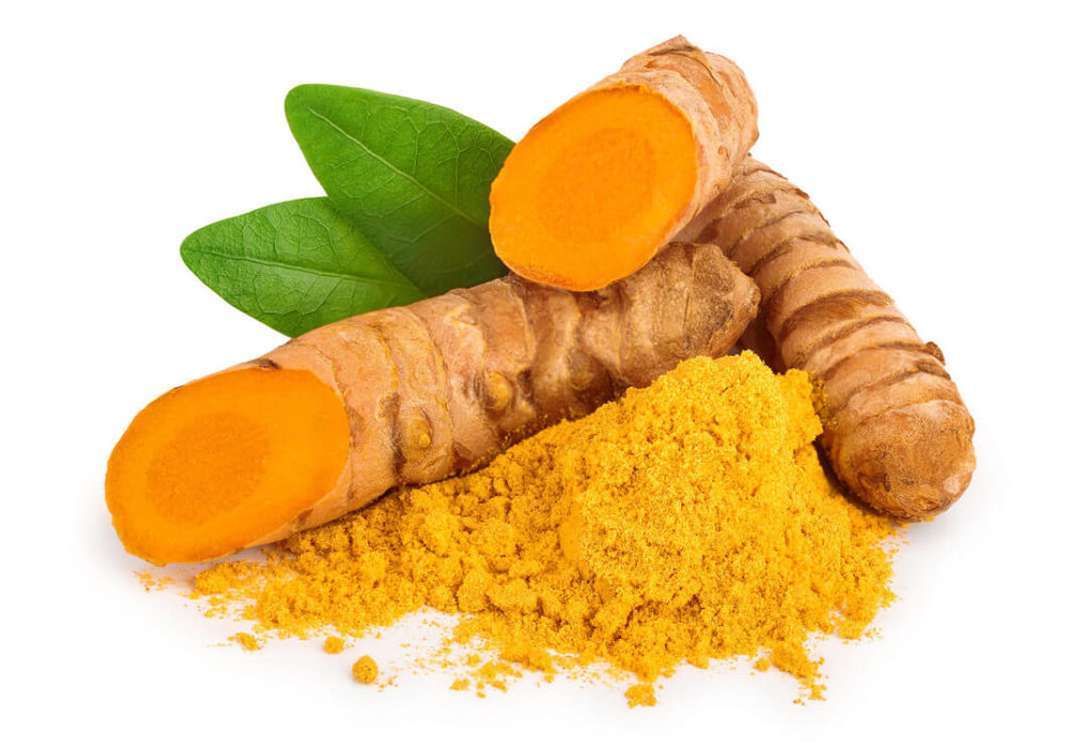
Curcumin remains one of the most recognized botanical ingredients in the global nutrition market. Derived from Curcuma longa L., it is widely used in dietary supplements, functional foods, and wellness-oriented formulations for its distinctive yellow color and extensively studied biological activity.
For buyers, however, “curcumin benefits” is only the starting point. A successful product depends on selecting the right turmeric root extract, defining a consistent standardization target, evaluating formulation compatibility, and sourcing from a supplier that can support clear specifications and quality documentation.
This article reviews the current evidence landscape and the practical factors that matter when sourcing Curcumin powder or turmeric extract powder for international markets.
Curcumin: What B2B Buyers Need to Know
Turmeric is the dried rhizome of Curcuma longa. It naturally contains a group of polyphenolic compounds known as curcuminoids, of which curcumin is the most widely studied.
For B2B procurement and formulation teams, the terms should not be used interchangeably:
- Turmeric root extract refers broadly to an extract derived from turmeric rhizomes.
- Turmeric extract powder may vary considerably in curcuminoid content, color, carrier system, and solubility.
- Curcumin powder usually describes a more concentrated material standardized around curcuminoids or curcumin-related markers.
This distinction is important because the intended application determines the appropriate ingredient profile. A food application may prioritize color, flavor profile, and dispersibility, while a dietary supplement may prioritize standardized active content, batch consistency, and analytical documentation.
Scientific Evidence: Where Curcumin Is Being Studied
Curcumin has attracted significant research interest because of its antioxidant and inflammation-related mechanisms. Laboratory studies indicate that it can interact with signaling pathways associated with oxidative stress and inflammatory response. These findings support continued research, but they should not be interpreted as proof of disease treatment in humans.
Human research has examined curcumin supplementation across several areas.
Antioxidant and Inflammation
Curcumin is studied for its ability to interact with reactive oxygen species and inflammation-associated pathways, including NF-κB signaling. Clinical studies and meta-analyses have reported changes in selected inflammatory and oxidative-stress markers in certain populations, although study designs, formulations, dosages, and outcomes vary substantially.
For finished-product brands, the most responsible approach is to describe curcumin as an ingredient with a researched antioxidant and inflammation-balance profile—not as a treatment for inflammatory disease.
Joint Comfort and Mobility
Joint comfort is one of the more established consumer-interest areas for curcumin. Systematic reviews have found that turmeric or curcumin interventions may support pain relief and physical function in people with osteoarthritis. Results remain formulation- and study-dependent, so finished-product claims should be assessed for the target market and supported by the specific product’s evidence.
For formulators, this makes standardized Curcumin powder relevant to joint-health blends alongside complementary ingredients selected for the intended product concept.
Metabolic Health
Research has also explored curcumin in relation to glycemic control, lipid markers, body composition, and liver-health-related outcomes. Some meta-analyses report potentially favorable changes in selected markers; however, results are not uniform across studies and should not be generalized as a promise of clinical benefit.
The practical B2B takeaway is simple: curcumin can be considered for metabolic-wellness formulations, provided that marketing language remains evidence-aware and avoids therapeutic positioning.
Evidence Has Limits: Mechanism Is Not a Health Claim
Curcumin is frequently associated with terms such as antioxidant, anti-inflammatory, cardiovascular, cognitive, or healthy-aging support. These topics reflect areas of scientific investigation, but the evidence base is not equally strong across all endpoints.
A credible ingredient article should distinguish among:
- In vitro and preclinical findings — useful for understanding possible mechanisms.
- Human clinical evidence — more relevant to product positioning, but often variable in quality and design.
- Permitted market claims — dependent on local regulations, the finished formulation, and substantiation requirements.
This distinction helps brand owners build more durable marketing programs and reduces the risk of overstating what a botanical ingredient can deliver.
Curcumin Bioavailability and Stability
Curcumin is hydrophobic, has low water solubility, and is rapidly metabolized after oral intake. These characteristics can limit how much curcumin is available following consumption.
For this reason, buyers should evaluate more than just assay value when selecting a turmeric extract powder. Key questions include:
- Is the ingredient intended for capsules, tablets, powders, beverages, or food systems?
- Does the formulation require water dispersibility or a conventional dry extract?
- How will pH, heat, light, oxygen, and storage conditions affect color and stability?
- Does the finished product include a delivery system, and is its performance supported by relevant data?
- Are there carrier materials or processing aids that need to appear on the finished-product label?
Higher apparent bioavailability should not be assumed from a product name or generic formulation claim. Buyers should request formulation-specific technical information and determine whether the available data apply to the exact ingredient and intended use.
How to Evaluate a Curcumin Powder Supplier?
Selecting a supplier is not only about price per kilogram. It is about whether the ingredient can be consistently manufactured, documented, and incorporated into the final product.
When qualifying a supplier of Curcumin or turmeric root extract, procurement teams should review:
1. Identity and Standardization
Confirm botanical identity, plant part, extraction ratio where applicable, and the analytical method used to quantify curcuminoids. “Curcumin content” and “total curcuminoids” should be clearly defined rather than treated as identical terms.
2. Appearance and Physical Properties
Review color, odor, mesh size, bulk density, moisture, and flowability. These parameters influence processing efficiency, blend uniformity, capsule filling, and final-product appearance.
3. Quality and Contaminant Controls
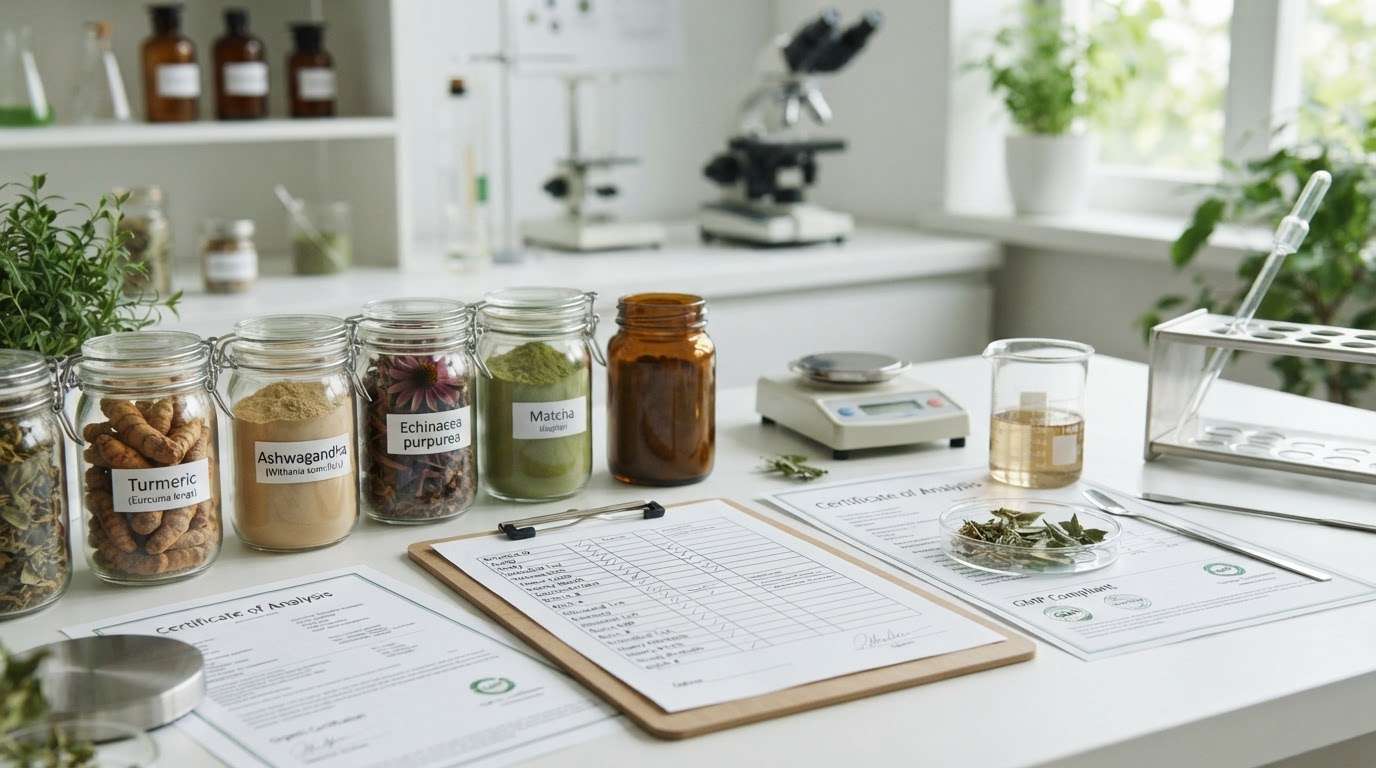
Request current documentation appropriate to your purchasing requirements, which may include a certificate of analysis, microbiological results, heavy-metal testing, pesticide-residue information, residual-solvent data, and allergen or GMO statements where relevant.
4. Stability and Packaging
Curcumin can be sensitive to environmental conditions. Packaging design, storage instructions, shelf-life support, and shipping protection should all be assessed before commercial launch.
5. Application Fit
A raw-material specification should match the finished-product format. A standard dry Curcumin powder may be suitable for capsules and tablets, while beverage or sachet applications may require additional formulation work.
Why Work with Green Life Herb?
Green Life Herb supports international buyers seeking dependable botanical ingredients for dietary supplements, functional foods, and wellness formulations.
For Curcumin projects, our team can help buyers begin the qualification process with a practical focus on:
- Standardized Curcumin powder and turmeric extract powder options
- Ingredient specifications aligned with the intended application
- Batch-level quality documentation for customer review
- Packaging and storage discussion for international supply
- Sample evaluation and RFQ support for product-development teams
The right ingredient is not simply the one with the highest number on a specification sheet. It is the one that fits the formulation, quality target, commercial strategy, and claim pathway of the finished product.
People Also Ask
Turmeric extract powder is a broad term that can cover a range of turmeric-derived materials. Curcumin powder generally refers to a more concentrated or standardized curcuminoid ingredient. Buyers should confirm the exact assay method and specification before comparing products.
Turmeric root extract may be used in dietary supplements, tablets, capsules, powdered blends, functional foods, and selected beverage concepts. Suitability depends on the ingredient’s standardization, solubility, taste, color, and stability requirements.
Storage requirements depend on the specific ingredient and packaging. In general, buyers should follow the supplier’s current storage instructions and protect botanical extracts from excessive heat, light, moisture, and prolonged exposure to air.
Conventional curcumin has limited water solubility. Beverage development may require a suitable delivery system or additional formulation work. Buyers should assess dispersion, stability, flavor, color, and label implications before scale-up.
Typical procurement review may include a current specification sheet, certificate of analysis, identity and assay method, microbiological testing, contaminant testing, safety documentation, packaging details, and storage guidance. Required documents vary by market and product category.
Start Your Curcumin Ingredient Sourcing Project
Looking for a reliable supplier of standardized Curcumin, Curcumin powder, or turmeric root extract?
Contact Green Life Herb to discuss your target application, request current specifications, review available quality documents, or arrange a sample for formulation evaluation.
References
- National Center for Complementary and Integrative Health. Turmeric: Usefulness and Safety.
- Heshmati, J. et al. Curcumin on Human Health: A Comprehensive Systematic Review and Meta-Analysis of 103 Randomized Controlled Trials.
- Daily, J. W. et al. Turmeric/curcumin and health outcomes: A meta-review of systematic reviews.
- Frontiers in Pharmacology. Curcumin and multiple health outcomes: Critical umbrella review of intervention meta-analyses.
Looking for Premium Plant Extracts?
Green Life Herb supplies 280+ botanical extracts with ISO/HALAL/Kosher certifications.
Custom specifications and sample orders available.