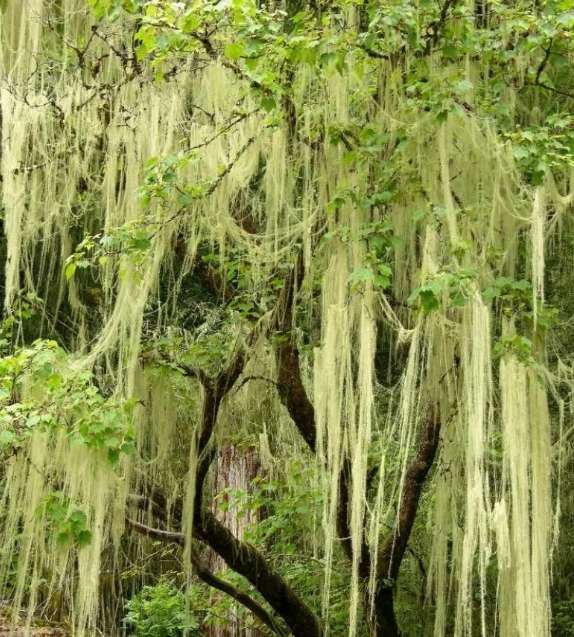
In overlooked ecosystems, lichens—symbiotic wonders formed by the union of algae and fungi—yield extracts rich in bioactive compounds. Lichen extract, abundant in phenolic acids, polysaccharides, and unique metabolites, has emerged as a versatile ingredient with applications spanning skincare, functional nutrition, and ecological sustainability.
Adaptogenic Powerhouse: Thriving in Extremes
Lichens have evolved to survive in some of the most inhospitable environments on Earth. Their resilience is attributed to the production of secondary metabolites, such as usnic acid and various lichen acids. As König et al. (2008) detailed in their research, these metabolites play crucial roles in protecting lichens from harsh conditions. Usnic acid, for instance, has been the subject of extensive study. Adams et al. (2010) found that it exhibits potent antibacterial activity, even against drug-resistant strains. In their experiments, usnic acid demonstrated the ability to inhibit the growth of bacteria that had developed resistance to commonly used antibiotics, highlighting its potential as a natural alternative in healthcare. This natural antimicrobial property not only helps lichens fend off microbial invaders in their native habitats but also positions lichen extract as a promising component in products aimed at promoting human health.
Skincare Alchemy: Soothing Modern Skin Woes
The cosmetology industry has increasingly turned to lichen extract for its remarkable skin benefits. Phenolic compounds present in lichen extract, including salicylic acid derivatives, contribute to its efficacy in skincare. Garg et al. (2015) explored the exfoliating and anti-inflammatory properties of these phenolic compounds. Their research showed that these derivatives gently exfoliate the skin, removing dead skin cells and promoting cell turnover, while also reducing inflammation. This makes lichen extract particularly beneficial for individuals with sensitive skin, as it provides a gentle yet effective solution for maintaining skin health.
Kim et al. (2017) further investigated the impact of lichen-derived polysaccharides on the skin. Their study revealed that these polysaccharides enhance the skin’s barrier function. By strengthening the skin’s natural barrier, the polysaccharides help the skin retain moisture more effectively, improving overall skin hydration. This is a key factor in both sensitive skin care, where maintaining a healthy barrier is crucial to prevent irritation, and in anti-aging products, as proper hydration is essential for keeping the skin looking youthful and supple.
Functional Nutrition: Nature’s Nutritional Forage
Indigenous cultures around the world have long recognized the value of lichens in traditional medicine, using them for detoxification and to boost immunity. Modern science has now validated many of these traditional uses. Zheng et al. (2019) conducted research on the unique polysaccharides found in lichens and their effects on the immune system. Their findings showed that these polysaccharides can modulate immune responses, helping the body’s immune system function more effectively. This immune-boosting property makes lichen extract a potential ingredient in supplements aimed at enhancing overall health and well-being.
Tomczyk et al. (2016) explored the role of bitter compounds and antioxidants in lichens. The bitter compounds in lichen extract have been found to stimulate digestive enzymes, aiding in the digestion process. Meanwhile, the antioxidants present in lichen extract are effective in neutralizing free radicals, which are unstable molecules that can cause damage to cells and contribute to various health issues, including premature aging and chronic diseases. These properties have led to the incorporation of lichen extract in tonics and superfood products, as consumers increasingly seek natural ways to support their digestive and overall health.
Ecological Innovator: Biodiversity to Sustainability
Lichens serve as important ecological indicators, reflecting the health of the environment. Cameron et al. (2018) emphasized the significance of lichens in assessing environmental quality. Their presence or absence can provide valuable insights into factors such as air pollution levels and habitat stability. This makes sustainable harvesting of lichens crucial to preserve their ecological role while also allowing for the utilization of their beneficial extracts.
In agriculture, lichen extract has shown promise as a natural alternative for crop protection. Mathur et al. (2020) studied the antimicrobial properties of lichen extract in an agricultural context. They found that the extract can effectively protect crops from various pathogens, reducing the need for synthetic pesticides. This not only benefits the environment by reducing chemical pollution but also aligns with the growing consumer demand for sustainably produced food. The use of lichen extract in agriculture thus cements its position as an eco-conscious choice, promoting both environmental sustainability and agricultural productivity.
Future Horizons: Tradition Meets Science
Ongoing research continues to explore the potential applications of lichen extract. Lee et al. (2022) have been investigating its use in wound healing, prebiotics, and natural cosmetics preservation. In wound healing, the unique properties of lichen extract, such as its antibacterial and anti-inflammatory effects, may contribute to faster and more effective wound closure. In the development of prebiotics, lichen-derived compounds could potentially promote the growth of beneficial gut bacteria, further enhancing human health. Additionally, in natural cosmetics, lichen extract’s natural preservative properties could offer a safer and more sustainable alternative to synthetic preservatives. This research bridges ancient wisdom, where lichens were used in traditional remedies, with modern scientific innovation, opening up new possibilities for the use of lichen extract in various fields.
Lichen extract embodies nature’s resilience, offering gentle yet effective solutions. From forest floors to daily routines, it proves that nature’s most powerful remedies often thrive in quiet corners, waiting to be discovered and harnessed for the betterment of human health and the environment.
Looking for Premium Plant Extracts?
Green Life Herb supplies 280+ botanical extracts with ISO/HALAL/Kosher certifications.
Custom specifications and sample orders available.