Introduction
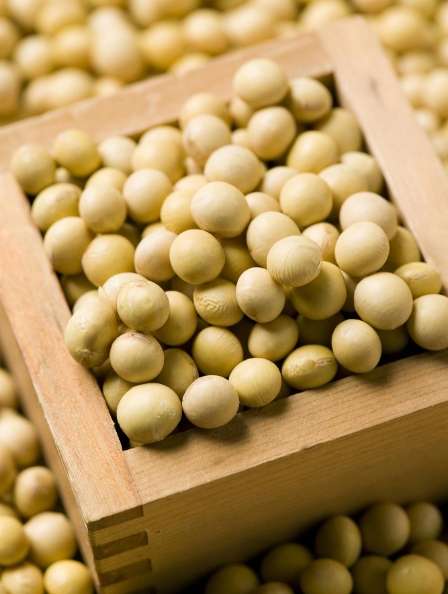
Derived from Glycine max, the common soybean, soybean extract has emerged as one of the most commercially significant botanical ingredients across the nutraceutical, pharmaceutical, functional food, and cosmeceutical industries. Its remarkable biochemical profile—rich in isoflavones, high-quality plant proteins, saponins, lecithin, antioxidants, and essential fatty acids—gives it a breadth of biological activity that few single-source plant extracts can match.
For B2B formulators, brand owners, and procurement specialists, soybean extract represents a well-researched, consumer-trusted, and regulatory-compliant ingredient with decades of clinical study behind it. This guide consolidates the core science, health benefits, industrial applications, and sourcing considerations to help you make informed decisions for your product formulations.
Key Bioactive Compounds in Soybean Extract
Isoflavones: Genistein, Daidzein, and Glycitein
Isoflavones are the most studied and commercially sought-after components of soybean extract. The three primary isoflavones—genistein, daidzein, and glycitein—belong to the flavonoid subgroup and function as phytoestrogens: plant-derived molecules that bind to estrogen receptors in the human body with significantly milder activity than endogenous estrogen (Setchell, 1998).
This selective estrogen receptor modulator (SERM)-like behavior underlies many of soybean extract’s most commercially valuable health effects, including support for hormonal balance, bone density maintenance, and cardiovascular protection. Standardized soybean extract powders are commercially available at 40% and 80% total isoflavones, enabling precise dosing in finished-product formulations.
Soy Protein
Soybean extract contains high-quality plant proteins that provide all essential amino acids, distinguishing it from most plant protein sources. This complete amino acid profile makes soy protein uniquely suited for use in sports nutrition, meal replacement, and functional food applications where adequate protein density is critical. Soy protein also contributes to improved texture, moisture retention, and palatability in formulated food products such as meat substitutes and baked goods.
Saponins
Soy saponins are glycosidic compounds with notable antioxidant, anti-inflammatory, and immune-modulating properties. Research indicates that soy saponins contribute to cholesterol-lowering effects by interfering with intestinal cholesterol absorption. They also exhibit hepatoprotective activity, making them a relevant ingredient component in liver health formulations. Their surfactant-like structure further supports emulsification in food and cosmetic applications.
Lecithin
Soy lecithin is a phospholipid complex—primarily phosphatidylcholine, phosphatidylethanolamine, and phosphatidylinositol—widely used as an emulsifier across the food, pharmaceutical, and cosmetic industries. Beyond its functional role, soy lecithin supports cognitive health through its choline content, improves fat metabolism, and enhances the bioavailability of lipophilic active compounds in supplement formulations. Its amphiphilic structure enables stable oil-in-water emulsions critical in product manufacturing.
Additional Antioxidant Compounds
Soybean extract also provides vitamin E (tocopherols), phenolic compounds, and polyunsaturated fatty acids. These components collectively neutralize free radicals, reduce oxidative stress, and lower the risk of chronic disease development. Halliwell (2007) established the foundational link between oxidative stress and aging, cancer, and neurodegenerative disease—making the antioxidant profile of soybean extract a key selling point for healthy-aging product categories.
Bone Health and Osteoporosis Prevention
Osteoporosis is a global public health challenge: statistically, 1 in 3 women over 50 will be affected. Declining estrogen levels following menopause accelerate bone resorption, leading to reduced bone mineral density (BMD) and increased fracture risk. Soy isoflavones represent a scientifically grounded, non-pharmaceutical intervention for this population.
Clinical Evidence
A 2022 meta-analysis of 23 randomized controlled trials found that daily supplementation with 60–90 mg of soy isoflavones increased lumbar spine bone mineral density by 2.3% over 6–12 months compared to placebo. The landmark OPUS study further demonstrated that 80 mg of purified genistein daily was as effective as low-dose hormone replacement therapy (HRT) in preserving hip BMD in postmenopausal women—an important regulatory and consumer-positioning insight for supplement brands.
Messina and Redmond (2006) similarly concluded that regular isoflavone intake may lower osteoporosis risk in postmenopausal women, while Ma et al. (2008) confirmed that soy isoflavones help preserve bone density by mimicking estrogen’s protective skeletal effects.
Mechanisms of Action
Soy isoflavones influence bone remodeling through several distinct pathways:
- Osteoclast inhibition: Isoflavones reduce osteoclast activity (the cells responsible for bone breakdown) by up to 37%, slowing bone resorption rates.
- Osteoblast stimulation: They simultaneously promote osteoblast function, increasing bone formation and net bone mass.
- Anti-inflammatory effects: Isoflavones lower pro-inflammatory cytokines that accelerate bone loss, providing a secondary protective mechanism.
Formulation Guidance
The evidence-supported effective dose range is 60–100 mg of soy isoflavones per day. They are most effective for women in the early postmenopausal stage (within 10 years of menopause onset). Soy isoflavones work best as part of a comprehensive bone-health regimen including adequate calcium, vitamin D, and weight-bearing exercise—positioning them well as a combination-formula ingredient rather than a standalone product. As Dr. Rebecca Lewis of the Harvard Bone Health Center has noted, soy isoflavones function as a promising adjunct therapy for women seeking natural alternatives to HRT.
Hormonal Balance and Menopause Support
The hormonal applications of soy isoflavones represent one of the most commercially mature and well-documented areas of soybean extract research. Their phytoestrogenic activity provides a gentler, plant-based alternative to synthetic hormone replacement therapy—an important differentiator in markets where consumers and clinicians increasingly favor non-pharmaceutical interventions.
Menopausal Symptom Relief
Isoflavone supplementation has been shown to significantly reduce the frequency and severity of key menopausal symptoms. Dalais et al. (2008), in a comprehensive meta-analysis, found that isoflavone supplementation eases hot flashes, night sweats, and mood swings. Messina (2014) further confirmed these findings, identifying phytoestrogenic modulation of estrogen receptors as the primary mechanism (Messina, 2014; NCBI PMC3925378).
Critically, isoflavones exhibit selective receptor binding: they preferentially activate estrogen receptor beta (ERβ), which is associated with beneficial effects in bone and cardiovascular tissue, while having limited activity at estrogen receptor alpha (ERα), reducing concerns about hormone-sensitive tissue stimulation.
Broader Endocrine Effects
Beyond menopause, isoflavone-containing formulations are under investigation for their potential to reduce the risk of hormone-related conditions. Zhang et al. (2019) reviewed evidence linking soy isoflavone intake to favorable hormonal profiles in both pre- and postmenopausal women. Research in the area of cancer risk reduction—particularly for breast and endometrial cancers—remains an active area of scientific inquiry, though regulatory caution applies to specific health claims in this space.
Cardiovascular Benefits
Cardiovascular disease remains the leading cause of mortality globally, and plant-based ingredients with evidence-backed cardioprotective mechanisms command strong market positioning in the functional food and supplement sectors.
Cholesterol Modulation
Soy isoflavones have a well-established relationship with blood lipid profiles. Studies indicate that regular intake of soy extract can meaningfully lower LDL cholesterol (low-density lipoprotein, the primary atherogenic lipoprotein) while maintaining or modestly increasing HDL cholesterol (high-density lipoprotein) (Reynolds et al., 2006; NCBI PubMed 17023724). Wang et al. (2020) conducted a comprehensive review confirming soy extract’s role in cardiovascular health, encompassing lipid modulation, endothelial protection, and anti-inflammatory action.
Vascular Protection
Beyond lipid effects, soy isoflavones protect vascular tissue through antioxidant and anti-inflammatory pathways. They scavenge reactive oxygen species that damage endothelial cells, inhibit pro-inflammatory cytokines including IL-6 and TNF-α, and may help maintain vascular elasticity. These mechanisms make soy extract relevant for heart health formulations targeting LDL management, arterial health, and comprehensive cardiovascular risk reduction.
Soy Protein and Cardiovascular Health
Soy protein itself contributes independently to cardiovascular benefit. The U.S. Food and Drug Administration (FDA) has acknowledged a qualified health claim linking soy protein consumption (25 g/day) to reduced risk of heart disease, reflecting the accumulated clinical evidence base. This regulatory recognition significantly strengthens the commercial positioning of soy-protein-containing products in North American markets.
Skin and Beauty Applications
The cosmeceutical segment represents one of the fastest-growing application categories for soybean extract. Its multi-modal activity—antioxidant, protein-enriching, estrogenic, and emollient—aligns with consumer demand for science-backed, plant-derived skincare actives.
Anti-Aging and Collagen Support
Soy isoflavones’ estrogen-mimicking activity in skin tissue supports collagen synthesis and helps maintain skin thickness and elasticity—properties that decline with both aging and estrogen reduction in menopause. Chiu et al. (2003) demonstrated that topical application of soy-containing formulations can reduce fine lines, improve skin elasticity, and even out skin tone (NCBI PubMed 12715094). Draelos et al. (2013) further confirmed that skincare products containing soybean extract improve skin texture and suppleness.
Antioxidant and UV Protection
The phenolic compounds and vitamin E in soybean extract provide meaningful protection against oxidative stress and UV-induced skin damage. By neutralizing free radicals generated by UV exposure and environmental pollution, soy extract slows premature skin aging—a core claim in premium anti-aging formulations. This protection complements standard UV filters rather than replacing them, positioning soybean extract well as a complementary active in SPF and after-sun product lines.
Hydration and Skin Barrier Support
Soy proteins and fatty acids provide direct nourishing and hydrating effects, improving skin moisture retention and barrier function. This film-forming quality is particularly valued in moisturizers, serums, and night creams. Soy lecithin additionally functions as a natural emollient and delivery vehicle, enhancing the penetration of co-formulated actives into the stratum corneum.
B2B Applications Across Industries
Soybean extract’s versatility across multiple high-value sectors makes it an exceptional ingredient for brand owners and formulators seeking multi-application raw materials with proven consumer acceptance.
Nutraceuticals and Dietary Supplements
Standardized soy isoflavone extracts are the cornerstone of a large global supplement category. Finished-product formats include capsules, softgels, tablets, and stick packs. Key formulation targets include women’s hormonal health, bone density maintenance, cardiovascular support, and healthy aging. The availability of extracts standardized to defined isoflavone concentrations (40%, 80%) enables consistent label claims and regulatory compliance across markets including the EU, North America, and Asia-Pacific.
Functional Foods and Beverages
Soy protein concentrates and isolates are widely used to boost protein content in functional beverages, meal replacements, meat analogues, and baked goods. Anderson et al. (2009) demonstrated that soy extract addition to vegetarian and vegan products significantly boosts protein content and palatability. In baked goods, soy extract improves moisture retention, contributing to improved sensory characteristics and extended shelf life. Soy lecithin serves as a natural emulsifier across this category, enabling stable, clean-label formulations.
Cosmetics and Personal Care
Soybean extract is increasingly formulated into premium skincare products including anti-aging serums, brightening creams, SPF products, and hair care preparations. Its multi-functional profile—emollient, antioxidant, collagen-supporting, and skin-brightening—positions it as a high-value active rather than merely a functional carrier. Zhao et al. (2022) reviewed the expanding range of cosmetic applications, highlighting isoflavones and soy proteins as particularly valuable for inclusion in premium anti-aging product lines.
Pharmaceutical and Clinical Nutrition
In pharmaceutical contexts, soy isoflavones are incorporated into clinical nutrition products for oncology patients, osteoporosis management protocols, and post-menopausal health programs. Their long safety record and well-characterized pharmacology support regulatory submission processes in multiple jurisdictions. Liu et al. (2020) reviewed the advancing role of soy-based ingredients in pharmaceutical and nutraceutical product development.
Quality, Sourcing, and Specifications
Raw Material Sourcing
The quality of soybean extract begins at the field. Premium-grade raw materials are sourced from non-GMO soybeans, ensuring compliance with clean-label requirements and market access in jurisdictions that restrict or require labeling of GMO-derived ingredients, including the European Union. Traceability from farm to finished extract is an increasingly expected documentation standard for B2B buyers in regulated markets.
Extraction Methods
Common extraction methodologies include solvent extraction, aqueous extraction, and enzymatic extraction. Modern manufacturing increasingly favors water-based and enzymatic methods to minimize solvent residues and enhance product purity. Where solvent extraction is employed, only food-grade solvents compliant with pharmacopeial standards should be used, with rigorous residue testing documented in finished-product specifications.
Standardization and Testing
Soybean extract powders are commercially standardized to defined isoflavone concentrations—typically 40% or 80% total isoflavones by HPLC—enabling consistent, verifiable label claims. Standard quality testing includes:
- Active compound assay: HPLC quantification of genistein, daidzein, and glycitein
- Heavy metals testing: Lead, mercury, arsenic, cadmium by ICP-MS
- Microbiological testing: Total plate count, yeast, mold, E. coli, Salmonella
- Solvent residues: Per ICH Q3C or relevant pharmacopeial guidelines
- Pesticide residues: Multi-residue screening per EU or Codex Alimentarius standards
Certifications
For global market access, buyers should require suppliers with documented compliance with internationally recognized quality and safety systems. Relevant certifications include ISO 9001 (quality management), HACCP (food safety hazard control), Kosher and Halal certification (for access to faith-based consumer markets), and GMP (good manufacturing practice) compliance for pharmaceutical and supplement applications. Organic certification is increasingly sought for premium product lines.
Available Specifications
Standard commercial specifications include soy isoflavone extract powder at 40% and 80% total isoflavones, suitable for nutraceutical, functional food, and cosmetic applications. Custom specifications including specific isoflavone ratios, particle sizes, or solubility profiles can typically be developed for high-volume B2B customers with defined formulation requirements.
Frequently Asked Questions
What is the difference between soy isoflavone extract and whole soy protein?
Soy isoflavone extract is a concentrated, standardized fraction of soybean that is specifically processed to isolate and enrich the isoflavone compounds (genistein, daidzein, glycitein). It is used primarily for hormonal, bone health, and cardiovascular supplement applications where a defined isoflavone dose is required. Whole soy protein, by contrast, is processed to retain the complete protein fraction alongside naturally occurring levels of other bioactives. Both are derived from Glycine max, but serve different primary formulation purposes and are standardized to different active compounds.
Is soybean extract safe for long-term supplementation?
Soy isoflavones have been consumed as part of traditional Asian diets for centuries, and clinical studies generally support their safety at supplemental doses of 40–100 mg/day over periods of up to 2–3 years. Major regulatory bodies including the European Food Safety Authority (EFSA) and the U.S. FDA consider soy-derived ingredients generally recognized as safe (GRAS) for their established applications. Women with hormone-sensitive conditions should consult a healthcare professional before use, and formulators should ensure finished-product labeling reflects appropriate precautionary guidance for sensitive populations.
What standardization levels are available, and which is appropriate for my formulation?
Commercial soybean extracts are standardized primarily at 40% and 80% total isoflavones. The 40% grade is widely used for general nutraceutical and functional food applications where cost-efficiency and broad-spectrum bioactivity are prioritized. The 80% grade is preferred for clinical-nutrition and premium supplement applications requiring a higher isoflavone dose per unit weight, or where smaller capsule sizes are a formulation constraint. For cosmetic applications, lower-standardization or whole-extract formats are often preferred to leverage the full bioactive matrix including proteins and fatty acids.
How does soybean extract compare to red clover isoflavones?
Both soy and red clover (Trifolium pratense) are commercial sources of isoflavones, but they differ in isoflavone profile. Soy extract is primarily composed of genistein and daidzein, while red clover also provides formononetin and biochanin A. Soy has a substantially longer clinical evidence base, broader regulatory acceptance, and more established manufacturing infrastructure globally. Red clover isoflavones may offer complementary or slightly different receptor-binding profiles, and some formulation strategies combine both sources. For most B2B applications, soy isoflavone extract remains the standard benchmark due to its superior research depth and supply chain maturity.
What documentation should I request when sourcing soybean extract for supplement or food applications?
For regulatory-compliant procurement, buyers should request the following documentation from suppliers: Certificate of Analysis (CoA) with HPLC isoflavone quantification, heavy metals results, microbiological test results, and solvent residue data; a complete Safety Data Sheet (SDS); allergen declaration (soy is a recognized major allergen and must be declared on finished-product labels in most markets); non-GMO certification or status documentation; relevant quality system certifications (ISO, HACCP, GMP); and Kosher or Halal certificates where applicable. For EU market entry, documentation supporting Novel Food compliance or Traditional Food status may also be required depending on the specific application and extract type.
Looking for Premium Plant Extracts?
Green Life Herb supplies 280+ botanical extracts with ISO/HALAL/Kosher certifications.
Custom specifications and sample orders available.