For decades, scientists have been fascinated by broccoli’s potential health benefits — particularly its ability to combat chronic diseases, including cancer. As we navigate a landscape marked by heightened awareness of environmental toxins, metabolic disorders, and preventable disease, broccoli extract has emerged as one of the most thoroughly studied plant-derived functional ingredients available to formulators today. But does it truly live up to the science? The answer, for supplement manufacturers, functional food brands, and cosmetic developers alike, is a compelling yes — with important nuances worth understanding.
This article consolidates the current body of research on broccoli extract, covering its key bioactive compounds, cancer prevention data, metabolic and cellular health applications, cosmetic uses, and practical B2B formulation guidance. It is intended for ingredient buyers, product developers, and R&D teams evaluating broccoli-derived actives for commercial formulations.
Key Bioactive Compounds in Broccoli Extract
Broccoli (Brassica oleracea var. italica) derives its functional value from a family of sulfur-containing compounds called glucosinolates, along with a range of supporting phytochemicals. Understanding these compounds is essential for selecting the right extract type and making defensible product claims.
Glucoraphanin: The Stable Precursor
Glucoraphanin is the primary glucosinolate found in broccoli seeds and sprouts. It is chemically stable, which makes it an attractive ingredient for standardized extracts. On its own, glucoraphanin is biologically inert; its value lies in its conversion to the active compound sulforaphane. This conversion occurs when the enzyme myrosinase — naturally present in broccoli tissue — comes into contact with glucoraphanin upon cellular disruption (chopping, chewing, or enzymatic processing).
Because glucoraphanin resists degradation during manufacturing and storage, standardized glucoraphanin extracts (quantified by HPLC) are the industry-preferred approach for delivering consistent sulforaphane potential across supplement, food, and beverage formats. Broccoli sprouts (typically 3–5 days old) contain 10–100 times more glucoraphanin per gram than mature broccoli florets, making them the preferred raw material for high-potency extracts.
Sulforaphane: The Active Defense Molecule
Sulforaphane (SFN) is an isothiocyanate produced enzymatically from glucoraphanin. It is the compound responsible for the majority of broccoli extract’s documented biological activity. Unlike conventional antioxidants that directly neutralize free radicals, sulforaphane operates as an indirect antioxidant by activating the Nrf2 (Nuclear factor erythroid 2–related factor 2) transcription pathway — often called the “master switch” of the body’s cellular defense system.
When Nrf2 is activated, it migrates to the cell nucleus and upregulates the expression of hundreds of cytoprotective genes responsible for producing:
- Phase II detoxification enzymes (e.g., glutathione S-transferases, NAD(P)H quinone oxidoreductase 1) that neutralize and eliminate carcinogens
- Endogenous antioxidants (glutathione, superoxide dismutase, catalase) that provide sustained free-radical protection far beyond what dietary antioxidants can deliver
- Anti-inflammatory mediators that suppress NF-kB signaling and reduce pro-inflammatory cytokine production
This mechanism distinguishes sulforaphane from single-target synthetic compounds: it engages multiple defense pathways simultaneously, making it a durable and broad-spectrum functional ingredient.
Indole-3-Carbinol (I3C)
Indole-3-carbinol is a second class of bioactive compound derived from glucosinolate breakdown in cruciferous vegetables. I3C and its metabolic derivative diindolylmethane (DIM) are of particular interest in hormone-related cancer research and in cosmetic formulations. In skin care, indole-3-carbinol has been studied for its ability to regulate sebum secretion, making it relevant for anti-acne and oil-control product development. In the context of cancer research, I3C has shown activity in estrogen metabolism pathways implicated in breast and cervical cancers.
Supporting Phytochemicals
Broccoli extract also contains vitamins C, A (via beta-carotene), and E; flavonoids with anti-inflammatory properties; minerals including calcium, iron, and zinc; and amino acids that contribute to structural benefits in hair and skin care applications. These supporting compounds enhance the extract’s multifunctional positioning across supplement, food, and personal care categories.
Cancer Prevention Research: What the Evidence Shows
The anti-cancer profile of broccoli extract is the most extensively researched aspect of this ingredient and the primary driver of its scientific reputation. Sulforaphane operates through at least four distinct mechanisms that collectively target cancer initiation, promotion, and progression.
Mechanisms of Action
- Carcinogen detoxification: Sulforaphane activates Phase II enzymes that neutralize and facilitate the excretion of DNA-damaging carcinogens before they can initiate mutagenic events. This is considered the primary chemopreventive mechanism.
- Apoptosis induction: SFN promotes programmed cell death in malignant cells while leaving healthy cells largely unaffected — a selectivity that has attracted significant research interest.
- HDAC inhibition and epigenetic modulation: Sulforaphane inhibits histone deacetylase (HDAC) enzymes, which are frequently overexpressed in cancer cells and used to silence tumor suppressor genes. By inhibiting HDAC activity, SFN can help restore normal gene expression patterns and reactivate silenced suppressor pathways. It also influences DNA methylation, further modulating epigenetic marks associated with oncogenesis.
- Anti-angiogenesis: Tumor growth depends on the formation of new blood vessels (angiogenesis). Experimental models indicate that sulforaphane can interfere with this process, starving tumors of the vascular supply they require for growth and metastasis.
A landmark series of studies from Johns Hopkins University — the institution where sulforaphane was first isolated — established the mechanistic foundation for much of this research. Subsequent preclinical work has confirmed that sulforaphane reduces breast cancer stem cell populations, enhances chemotherapy effectiveness in pancreatic cancer models, and demonstrates activity against prostate, lung, colon, and bladder cancer cell lines.
Human Clinical Evidence
While the majority of foundational research is preclinical, a growing body of human data supports the translational relevance of sulforaphane in cancer prevention:
- Prostate cancer: Men with recurrent prostate cancer taking broccoli sprout extract demonstrated approximately 50% slower PSA doubling time — a standard marker of disease progression — compared to placebo (Cipolla et al., 2015).
- Lung cancer prevention in smokers: A controlled intervention found that smokers administered sulforaphane-rich broccoli sprout preparations showed 41% fewer DNA strand mutations in airway epithelial cells compared to controls (Kensler et al., 2013).
- Colorectal cancer: High-risk patients consuming standardized broccoli sprout extract showed reduced polyp recurrence compared to placebo groups in early clinical investigations (Shapiro et al., 2006).
- Aflatoxin detoxification: A large-scale study in China demonstrated that broccoli sprout beverages significantly increased urinary excretion of aflatoxin-DNA adducts and benzene metabolites, providing direct evidence of carcinogen clearance in a human population.
Regulatory note for formulators: Current evidence supports cancer prevention and adjuvant support positioning, not standalone therapeutic claims. Product claims should be carefully aligned with available human evidence and jurisdiction-specific regulations. Consult regulatory counsel before finalizing label language.
Metabolic and Cellular Health
Beyond oncology, the Nrf2 pathway activated by sulforaphane has broad implications for metabolic health — an increasingly important positioning angle as formulators address longevity, blood sugar balance, and cellular resilience in aging populations.
Blood Sugar and Insulin Sensitivity
Animal and emerging human research links sulforaphane activity to improved glucose homeostasis. One key study using glucoraphanin-standardized preparations found beneficial effects on obesity markers and metabolic parameters through mechanisms that include enhanced energy expenditure and mitochondrial function support. Sulforaphane’s reduction of oxidative stress in metabolic tissues may help protect against some complications of type 2 diabetes, including endothelial dysfunction and peripheral neuropathy.
Liver Detoxification Support
The liver is the primary organ of Phase II detoxification, and sulforaphane’s induction of glutathione S-transferases and related enzymes has direct hepatoprotective implications. This mechanism is highly relevant for detox-support formulations and liver health supplements — categories experiencing strong consumer demand growth driven by awareness of environmental toxin exposure.
Anti-Inflammatory Pathways
Sulforaphane inhibits NF-kB, the master regulator of inflammatory gene expression, thereby reducing the production of cytokines such as TNF-α, IL-1β, and IL-6. This action complements its Nrf2 activity, creating a dual mechanism relevant to formulations targeting chronic inflammation, cardiovascular risk markers, and inflammatory conditions of the gut, respiratory tract, and nervous system.
Neuroprotection
Oxidative stress and neuroinflammation are central to the pathogenesis of Alzheimer’s disease, Parkinson’s disease, and other neurodegenerative conditions. By activating Nrf2 in neural tissue and dampening NF-kB-driven inflammation, sulforaphane shows preclinical promise as a neuroprotective agent. These findings position broccoli extract as a credible candidate for cognitive health and brain longevity formulations.
Cardiovascular Health
Sulforaphane’s combined antioxidant induction and anti-inflammatory activity translates to measurable cardiovascular benefits in preclinical models, including improved endothelial function, reduced vascular oxidative stress, and favorable effects on lipid metabolism. Emerging research also points to positive influences on cholesterol profiles, adding another dimension to its metabolic health positioning.
Cosmetic and Personal Care Applications
Broccoli extract’s bioactive profile translates directly into functional benefits for topical personal care formulations. The global clean beauty movement and growing demand for science-backed botanical actives have made broccoli-derived ingredients increasingly attractive for cosmetic product developers.
Skin Care Applications
The key drivers of broccoli extract’s skin care utility are sulforaphane’s Nrf2 activation (which protects skin cells from environmental stressors), vitamin C’s role in collagen synthesis and melanin inhibition, and indole-3-carbinol’s sebum-regulating effects.
- Anti-aging formulations: Sulforaphane and vitamin E combat oxidative stress-driven skin aging, reducing the appearance of fine lines and wrinkles. Creams and serums containing standardized broccoli extract have demonstrated improvements in skin texture and barrier function. Research specifically highlights sulforaphane’s ability to protect skin cells from UVB-induced damage — a clinically meaningful anti-photoaging mechanism.
- Brightening and tone-unifying products: Vitamin C from broccoli extract inhibits tyrosinase activity, suppressing melanin synthesis. This makes it suitable for serums, exfoliants, and targeted treatments addressing hyperpigmentation and uneven skin tone.
- Anti-acne and oil-control: Indole-3-carbinol regulates sebaceous gland activity, helping normalize sebum production. Sulfur-containing glucosinolate breakdown products also exhibit antimicrobial properties relevant to acne pathogen management. These attributes support positioning in facial cleansers, toners, and targeted blemish treatments.
- Soothing and sensitive skin formulations: Flavonoids from broccoli extract reduce skin redness and inflammatory responses, making the ingredient suitable for products targeting reactive or sensitive skin types, including rosacea-adjacent formulations.
Hair Care Applications
Broccoli extract’s amino acid content provides structural nourishment for hair follicles, supporting elasticity, tensile strength, and reduced breakage. Vitamins A and E contribute to scalp health and moisture retention. Sulfur compounds derived from glucosinolate breakdown may offer anti-dandruff and anti-inflammatory benefits for scalp care products including shampoos, conditioners, and targeted scalp treatments.
Formulation Considerations for Cosmetics
Cosmetic formulators should be aware of key technical constraints when working with broccoli-derived actives:
- Vitamin C stability: Ascorbic acid degrades readily in aqueous formulations. Encapsulation technology or use of stabilized vitamin C derivatives is recommended for products where this is a primary active.
- Sulforaphane instability: Pre-formed sulforaphane is volatile and unstable. Formulators should consider glucoraphanin-standardized extracts where topical conversion is not required, or evaluate stabilized sulforaphane delivery systems for applications where the active compound must be delivered intact.
- Sensory profile: High-concentration broccoli extracts can contribute sulfurous or vegetative off-notes. Odor-masking strategies or refined extraction methods (including natural deep eutectic solvent / NADES approaches that selectively concentrate target bioactives) can mitigate this in finished formulations.
- Allergen considerations: Individuals with sensitivity to cruciferous vegetables may react to topical broccoli ingredients. Standard patch-testing protocols apply.
B2B Formulation Guide
For supplement, functional food, and nutraceutical manufacturers, selecting and formulating with broccoli extract requires understanding the glucoraphanin-to-sulforaphane conversion system and its implications for product efficacy, stability, and claims.
Choosing Your Extract Type
There are three primary extract categories available to B2B buyers:
- Glucoraphanin-standardized extract (myrosinase-free): The most shelf-stable option, typically derived from broccoli seeds via hot-water extraction. Sulforaphane is generated in vivo after consumption, either by endogenous gut myrosinase activity or by co-administration of myrosinase-containing ingredients. This is the preferred format for most oral supplement applications. Branded options such as TrueBroc® offer validated, consistent glucoraphanin levels with favorable sensory profiles.
- Glucoraphanin + myrosinase co-extract: Both the precursor and the enzyme are present; sulforaphane generation occurs at the point of consumption. Requires careful handling to prevent premature conversion during manufacture and storage. May be preferred for applications where in-product sulforaphane activity is desired (e.g., functional beverages consumed immediately after preparation).
- Pre-formed sulforaphane or sulforaphane glucosinolate: Delivers guaranteed sulforaphane content per serving but presents stability challenges. Typically requires encapsulation or specialized stabilization. Useful when dosing precision for clinical or functional claims is paramount.
Synergistic Formulation Strategies
- Add myrosinase-active co-ingredients: Pairing glucoraphanin-standardized extract with mustard seed powder (a natural myrosinase source) or stabilized myrosinase enzyme dramatically improves sulforaphane yield in finished products. This approach enhances efficacy without sacrificing glucoraphanin’s stability advantages.
- Metabolic health combinations: Glucoraphanin combines well with berberine, chromium, alpha-lipoic acid, and bitter melon for blood glucose support formulations targeting metabolic syndrome and pre-diabetic populations.
- Cancer prevention and antioxidant blends: Synergistic pairings with curcumin (anti-inflammatory amplification) and green tea extract (EGCG complements Nrf2 and detox pathway support) are well-documented in preclinical literature.
- Absorption enhancement: Co-formulation with black pepper extract (piperine) has been used to improve bioavailability of broccoli extract actives in oral delivery systems.
Recommended Dosing Reference Ranges
These ranges are based on published clinical and preclinical literature and are provided for formulation planning purposes only. Final product dosing should be validated by qualified regulatory and clinical advisors:
- Sulforaphane glucosinolate (oral supplement): 30–60 mg per day
- Active sulforaphane equivalent: 10–20 mg per day
- Glucoraphanin (standardized extract): Doses in clinical studies have ranged from 30 mg to over 100 mg per day depending on indication
Delivery Format Guidance
- Capsules and tablets: Standard and well-suited to glucoraphanin-standardized extracts; compatible with co-ingredient blending strategies
- Powders and stick packs: Functional food and beverage applications; heat-stable glucoraphanin tolerates most beverage processing conditions without significant degradation
- Ready-to-drink beverages: Hot-water-extracted, myrosinase-free glucoraphanin is compatible; avoid formulations that require pre-formed sulforaphane due to instability in aqueous matrices
- Functional teas and infusions: Glucoraphanin is stable at brewing temperatures, supporting clean-label detox and wellness tea applications
Quality Standards and Supplier Evaluation
For B2B procurement teams, quality assurance for broccoli extract is non-negotiable. The functional performance of finished products depends directly on the consistency and purity of the raw ingredient. Key parameters to evaluate and specify in supplier agreements include:
Analytical Characterization Requirements
- Glucoraphanin content (% w/w by HPLC): The primary potency marker; specify minimum guaranteed levels and acceptable variance ranges
- Myrosinase activity: Relevant if purchasing active-enzyme extracts; specify in units per gram and validate across production lots
- Sulforaphane content: Relevant for pre-formed SFN extracts; quantify by validated HPLC or LC-MS methods
- Heavy metals: Test for lead, arsenic, cadmium, and mercury per USP <232> / ICH Q3D limits
- Pesticide residues: Screen per EU Regulation 396/2005 or equivalent market-applicable standards
- Microbial limits: Total aerobic count, yeast/mold, absence of specified pathogens (Salmonella, E. coli) per USP or relevant pharmacopoeial standards
- Solvent residues: Confirm extraction solvent type and residual levels; NADES and aqueous extracts present clean-label advantages over ethanol-based extracts in some markets
Regulatory Status
Glucoraphanin-standardized broccoli extracts are widely used globally and many commercially available branded ingredients carry GRAS status (Generally Recognized as Safe) in the United States or equivalent recognitions in the EU and major Asia-Pacific markets. Suppliers should be able to provide dossiers supporting safety and regulatory status for all relevant target markets. Novel Food status requirements in the EU should be confirmed for specific extract types and concentration levels.
For cosmetic applications, confirm INCI name compliance, safety assessment documentation under EU Cosmetics Regulation 1223/2009 or equivalent, and any required animal-testing-free certifications if targeting markets with those requirements.
Transparency and Documentation
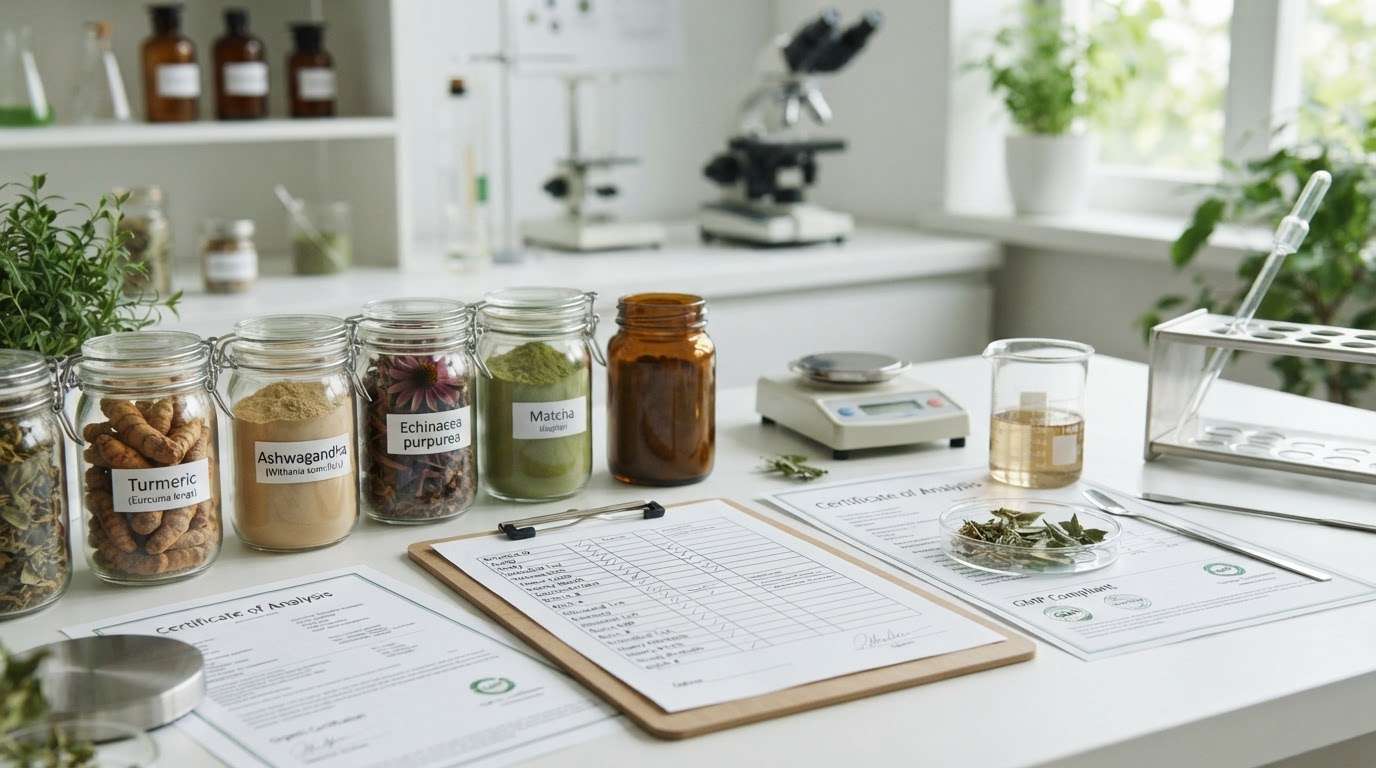
Reputable suppliers should provide full Certificates of Analysis (CoA) with each production lot, retain third-party testing records, and offer transparency on raw material origin, extraction methods, and standardization protocols. For branded ingredients, request access to the supporting clinical data and IP documentation.
For more resources on botanical extract sourcing and quality standards, visit the GL-Herb Botanical Extracts Blog.
Market Outlook
The commercial trajectory for broccoli-derived functional ingredients is strongly positive. Market analyses project double-digit compound annual growth rates for broccoli seed and sprout extract categories over the next decade, driven by convergence of three major consumer trends: metabolic health awareness, demand for science-backed clean-label botanicals, and longevity-oriented supplementation.
Leading application categories include targeted supplements (cancer prevention positioning, liver detox, metabolic health), functional foods and beverages (particularly sports nutrition and wellness teas), and premium skin care (clean beauty anti-aging and barrier health). Differentiated formulations that combine standardized glucoraphanin with complementary actives — myrosinase, polyphenols, or metabolic cofactors — are positioned to outperform commodity extracts in both efficacy storytelling and consumer outcomes.
For brands seeking a plant-based, evidence-driven active with a compelling narrative across multiple health categories, broccoli extract represents a strategic, future-facing ingredient choice.
Frequently Asked Questions
What is the difference between glucoraphanin and sulforaphane, and which should I source for my product?
Glucoraphanin is the stable glucosinolate precursor found in broccoli seeds and sprouts. Sulforaphane is the biologically active isothiocyanate produced when glucoraphanin is converted by myrosinase. For most supplement and food applications, sourcing a glucoraphanin-standardized extract is preferred due to its superior shelf stability and easier quality standardization. Sulforaphane is generated naturally in the consumer’s gut after ingestion. For applications requiring guaranteed active sulforaphane in the product (e.g., certain topical or rapid-delivery formats), pre-formed sulforaphane preparations are available but require specialized stabilization.
How does broccoli sprout extract compare to mature broccoli extract in terms of potency?
Broccoli sprouts (3–5 days post-germination) contain 10–100 times more glucoraphanin per gram than mature broccoli florets, as documented in the foundational research by Fahey et al. (1997) from Johns Hopkins University. This concentration advantage makes sprout-derived extracts far more efficient as ingredient sources for functional products. A serving of standardized sprout extract can deliver glucoraphanin equivalent to consuming multiple kilograms of cooked mature broccoli. Seed-derived hot-water extracts are also widely used and offer comparable glucoraphanin concentrations with robust commercial scalability.
Is broccoli extract safe for use in formulations intended for consumers on medication?
Broccoli extract has a well-established safety profile at typical supplement doses, and glucoraphanin-based ingredients carry GRAS or equivalent status in major markets. However, sulforaphane’s induction of Phase II detoxification enzymes can theoretically affect the metabolism and clearance of certain drugs processed by the same enzyme systems. Formulators should include appropriate advisory language for consumers taking prescription medications, particularly chemotherapy agents, and recommend consultation with a healthcare provider. Cosmetic applications at normal use levels do not present the same concern.
What extraction method produces the highest-quality broccoli extract for B2B applications?
Hot-water extraction from broccoli seeds is the most widely validated and commercially scaled method for producing high-glucoraphanin extracts with clean sensory profiles and favorable regulatory positioning. It yields myrosinase-free extracts with excellent stability. Natural deep eutectic solvents (NADES) represent an emerging extraction technology that can produce extracts with enhanced polyphenol and glucosinolate profiles while aligning with clean-label and solvent-free formulation preferences. Ethanol-based extracts are also used but may carry sensory or regulatory considerations in certain product categories. Regardless of extraction method, full analytical characterization and lot-to-lot consistency documentation are essential purchasing criteria.
Can broccoli extract be used in both ingestible and topical products?
Yes. Broccoli extract is versatile across ingestible and topical applications. For oral supplements and functional foods, glucoraphanin-standardized extracts are the primary format. For cosmetics and personal care, extracts standardized for sulforaphane, vitamin C, or total polyphenols are used in skin and hair care formulations. The active mechanisms differ by application: oral delivery targets systemic Nrf2 activation, detoxification, and metabolic benefits, while topical delivery focuses on direct antioxidant protection, anti-inflammatory activity, UV defense, sebum regulation, and structural skin benefits. Suppliers should provide application-specific documentation and stability data for both use cases.
References and Further Reading
- Talalay, P. (2007). Sulforaphane: from chemoprevention to pancreatic cancer treatment. Cancer Letters.
- Fahey, J. W., et al. (1997). Broccoli sprouts: an exceptionally rich source of inducers of enzymes that protect against chemical carcinogens. Proceedings of the National Academy of Sciences, 94(19), 10367–10372.
- Kensler, T. W. (2013). Modulation of lung carcinogenesis by sulforaphane. Cancer Prevention Research.
- Cipolla, B. G., et al. (2015). Effect of sulforaphane in men with biochemically recurrent prostate cancer. Cancer Prevention Research, 8(8), 712–719.
- Shapiro, T. A., et al. (2006). Safety, tolerance, and metabolism of broccoli sprout glucosinolates and isothiocyanates. Nutrition and Cancer, 55(1), 53–62.
- Myzak, M. C., et al. (2007). Sulforaphane inhibits histone deacetylase activity in BPH-1, LnCaP and PC-3 prostate epithelial cells. Carcinogenesis, 28(7), 1543–1548.
- Yagishita, Y., et al. (2019). Broccoli or sulforaphane: Is it the source or dose that matters? Molecules, 24(19), 3593. PMC6804255
- Xu, L., et al. (2018). Glucoraphanin ameliorates obesity and insulin resistance through adipose tissue browning and reduction of metabolic endotoxemia in mice. Diabetes, 67(8), 1498–1511. PMC6261473
- Tortorella, S. M., et al. (2015). Dietary sulforaphane in cancer chemoprevention: the role of epigenetic regulation and HDAC inhibition. Antioxidants & Redox Signaling, 22(16), 1382–1424.
- Thornalley, P. J. (2018). Sulforaphane in skin health, beauty and disease. Molecules, 23(3), 650.
- Chen, Y., et al. (2020). Broccoli-derived compounds and skin aging. Journal of Cosmetic Dermatology, 19(4), 878–884.
PubMed — National Library of Medicine | GL-Herb Botanical Extracts Blog
Looking for Premium Plant Extracts?
Green Life Herb supplies 280+ botanical extracts with ISO/HALAL/Kosher certifications.
Custom specifications and sample orders available.