Introduction / What Is Ginger Extract?
Ginger (Zingiber officinale Roscoe) is a knobbly rhizome that has seasoned food and treated ailments for over 5,000 years. Once confined to kitchen shelves and traditional apothecaries, it is now experiencing a renaissance across the global wellness, nutraceutical, and cosmetic industries. The driving force behind this resurgence is ginger extract—a concentrated, standardized preparation that distills the root’s most potent bioactive compounds into a versatile, science-backed ingredient.
Unlike raw ginger root, ginger extract undergoes controlled processing—most commonly hydroethanolic or supercritical CO₂ extraction—that significantly enhances the concentration and bioavailability of its active constituents. The result is an ingredient that bridges five millennia of traditional wisdom with the rigorous demands of modern evidence-based formulation. Whether the application is a softgel supplement, a functional beverage, a sports nutrition formula, or a cosmetic serum, ginger extract delivers consistent, quantifiable levels of bioactivity that raw root simply cannot match.
For B2B buyers and product developers, this consistency is critical. Standardized ginger extract allows formulators to align real-world ingredient dosages with the concentrations studied in peer-reviewed clinical research, supporting both product efficacy claims and regulatory compliance. This guide consolidates the complete body of evidence around ginger extract—covering its chemistry, health benefits, clinical research, commercial applications, and quality specifications—to serve as a definitive reference for ingredient sourcing decisions.
Key Active Compounds
Ginger extract’s therapeutic profile is rooted in a complex matrix of bioactive phenolic compounds. Understanding each compound class is essential for evaluating extract quality and predicting functional performance.
Gingerols
Gingerols—most notably [6]-gingerol—are the primary bioactive constituents of fresh ginger root and the main markers used in standardized extracts. They are responsible for ginger’s characteristic pungent flavor and are the molecules most extensively studied for antioxidant, anti-inflammatory, and digestive-support activities. Gingerols directly inhibit pro-inflammatory enzymes and act as potent free-radical scavengers. In standardized commercial extracts, gingerol content is typically specified in the range of 5–20% total gingerols, with premium grades reaching 10% or higher.
Shogaols
Shogaols are dehydrated derivatives of gingerols that form when ginger is dried or subjected to heat. [6]-shogaol is generally considered more potent than its gingerol counterpart as an anti-inflammatory agent, as it more effectively inhibits key enzymes involved in the inflammatory cascade. Crucially, shogaols possess greater lipophilicity and can cross the blood–brain barrier, making them of particular interest for neuroprotective and cognitive-support applications. Their concentration increases significantly in dried-root and extracted forms relative to fresh ginger.
Zingerone
Zingerone is another phenolic aldehyde present in cooked or processed ginger. It contributes to the overall synergistic therapeutic effect of the extract and has demonstrated antioxidant and anti-inflammatory properties in preclinical models. Together with gingerols and shogaols, zingerone forms part of the multi-compound synergy that distinguishes whole-spectrum ginger extract from isolated single-molecule preparations.
Paradols
Paradols are hydrogenated derivatives of shogaols and contribute additional antioxidant and anti-cancer activity in preclinical research. Though present in smaller amounts than gingerols and shogaols, their bioactivity adds to the comprehensive functional profile of a full-spectrum ginger extract.
Synergistic Action
These compounds do not act in isolation. Gingerols, shogaols, zingerone, and paradols work synergistically to modulate multiple molecular pathways simultaneously—inhibiting cyclooxygenase (COX) and lipoxygenase (LOX) enzymes, suppressing pro-inflammatory cytokines (such as IL-6 and TNF-α), neutralizing reactive oxygen species, and supporting endogenous antioxidant systems including superoxide dismutase (SOD) and glutathione peroxidase (GPx). This polypharmacological profile is precisely what makes ginger extract such a broadly applicable functional ingredient.
Health Benefits of Ginger Extract
Digestive Health
Digestive support is the most historically established and clinically documented benefit of ginger extract. Gingerols act as prokinetic agents, stimulating antral contractions and accelerating gastric emptying, which directly addresses functional dyspepsia, bloating, and postprandial discomfort. The extract also stimulates the secretion of saliva, bile, and gastric enzymes, optimizing the breakdown and absorption of nutrients.
A study published in the European Journal of Pharmacology (2015) demonstrated that gingerol significantly enhanced gastrointestinal motility and accelerated gastric emptying in experimental models. A review in Food & Function (2015) further confirmed ginger and its extracts demonstrate promising gastrointestinal-support activity. These prokinetic effects compare favorably against certain conventional prokinetic drugs while carrying a substantially better tolerability profile, making ginger extract particularly attractive for gut-health supplement formulations.
Nausea Relief
Among all ginger extract benefits, anti-nausea activity enjoys the most robust clinical evidence base. Standardized ginger preparations have been studied across multiple nausea contexts:
- Pregnancy-related morning sickness: A systematic review in Nutrition Journal (2014) concluded that ginger supplementation significantly reduces symptoms of nausea and vomiting in pregnancy, offering a natural, plant-based alternative with fewer side effects than many synthetic antiemetics.
- Chemotherapy-induced nausea: Clinical studies by Lete & Allué (2016) published in Integrative Medicine Insights confirmed ginger’s effectiveness in the prevention of nausea and vomiting during chemotherapy.
- Postoperative nausea: A clinical trial demonstrated that ginger extract reduced post-operative nausea by 38% versus placebo—a clinically meaningful outcome in surgical recovery contexts.
- Motion sickness: Gingerol’s ability to regulate stomach-emptying rate and calm digestive tract smooth muscle makes it effective against motion sickness and general gastrointestinal upset.
Anti-Inflammatory Properties
Chronic low-grade inflammation is a recognized driver of numerous modern diseases, including joint disorders, cardiovascular disease, metabolic syndrome, and neurodegenerative conditions. Ginger extract’s multi-target anti-inflammatory mechanism—inhibiting COX and LOX enzyme pathways, suppressing pro-inflammatory cytokines, and reducing prostaglandin and leukotriene synthesis—positions it as a comprehensive natural anti-inflammatory ingredient.
Research in Nutrients (2020) reviewed the immunomodulatory effects of ginger components, concluding that gingerols exhibit significant anti-inflammatory activities that contribute to enhanced immune cell function. A clinical trial also found that ginger reduced sore throat severity by 50% in a cohort of 60 adults (Complementary Therapies in Medicine, 2021). Mashhadi et al. (2013) in the International Journal of Preventive Medicine documented the anti-oxidative and anti-inflammatory effects of ginger comprehensively across health and physical activity contexts.
Immune Support
Ginger extract has emerged as a scientifically validated immune-modulating ingredient, operating through several complementary mechanisms:
- Antiviral activity: A 2020 study in the Journal of Ethnopharmacology found that ginger extract blocked human respiratory syncytial virus (RSV)—a primary cause of cold-related illness—from infecting cells. Separate research published in Antiviral Research (2021) demonstrated that gingerols disrupt viral replication through mechanisms analogous to some conventional antiviral compounds.
- Immune cell enhancement: A study in the International Journal of Preventive Medicine (2013) showed that ginger enhances immune defense by boosting the activity of key immune cells, including macrophages and lymphocytes.
- Gut-immune axis support: Given that approximately 70% of the immune system resides in the gut, ginger’s ability to stimulate gut microbiota diversity is a mechanistically important immune benefit, as reported in Frontiers in Nutrition (2023).
- Thermogenic defense: Gingerol’s thermogenic properties promote circulation and may create an internal environment less favorable to pathogen colonization, a property long recognized in traditional medicine systems.
Cardiovascular Health
Emerging clinical data support ginger extract’s role in cardiometabolic wellness. The extract has demonstrated hypolipidemic effects in multiple studies, helping reduce serum LDL-cholesterol and triglycerides while supporting favorable overall lipid profiles. Its possible calcium channel–blocking activity may contribute to modest blood pressure regulation. An osteoarthritis study also noted cardiovascular benefits, reporting a potential reduction in “bad” cholesterol with standardized ginger use. For product developers in the cardiovascular supplement space, ginger extract represents a compelling multi-benefit ingredient that addresses lipid balance, vascular tone, and oxidative stress simultaneously.
Antioxidant Activity
Oxidative stress underpins accelerated aging, cellular damage, and chronic disease progression. Ginger extract’s gingerols and shogaols are potent free-radical scavengers that neutralize reactive oxygen species, protect cellular membranes and DNA, and upregulate endogenous antioxidant defense enzymes including SOD and GPx. This broad antioxidant capacity supports long-term cellular vitality and complements the extract’s anti-inflammatory mechanisms—since oxidative stress and inflammation are deeply interlinked biological processes.
Pain Relief & Joint Health
The clinical evidence for ginger extract in pain management is particularly well-established in the context of osteoarthritis and exercise-induced muscle pain:
- A meta-analysis by Bartels et al. (2015) in Osteoarthritis and Cartilage confirmed the efficacy and safety of ginger in osteoarthritis patients across multiple randomized placebo-controlled trials.
- A study in Arthritis & Rheumatism (2001) found that ginger extract significantly reduced knee pain in osteoarthritis patients, with one trial reporting a 40% reduction in knee pain and improved mobility.
- A trial in The Journal of Pain (2010) reported that daily ginger supplementation reduced exercise-induced muscle pain, supporting applications in sports nutrition and recovery formulations.
- In some trials, ginger’s analgesic outcomes approached those of certain non-steroidal anti-inflammatory drugs (NSAIDs) with a generally more favorable safety profile, making it an attractive natural alternative for joint support products.
Metabolic & Glycemic Support
Ginger extract shows promising activity in metabolic health applications. A clinical trial in Complementary Therapies in Medicine (2013) demonstrated that ginger powder supplementation reduced fasting blood sugar and HbA1c levels in type 2 diabetes patients—key markers of glycemic control. Wang et al. (2017) in the Annals of the New York Academy of Sciences reviewed the beneficial effects of ginger on obesity and metabolic syndrome comprehensively, concluding that its combined anti-inflammatory, antioxidant, and metabolic mechanisms improve insulin sensitivity. These properties make ginger extract a valuable plant-based candidate for metabolic wellness programs when paired with appropriate lifestyle modifications.
Neuroprotective & Cognitive Considerations
An emerging frontier for ginger extract is neuroprotection and cognitive health. Preclinical research suggests that shogaols, which can cross the blood–brain barrier, may inhibit neuroinflammatory pathways, reduce oxidative damage in neural tissue, and modulate processes involved in amyloid plaque formation. A 2023 study by Zeng et al. in Rejuvenation Research demonstrated protective effects of ginger root extract against Alzheimer’s disease–induced behavioral dysfunction in animal models. While robust human clinical data remain limited, these findings indicate that ginger extract could become a meaningful supportive component in healthy-aging and cognitive-wellness product lines.
Skin Health & Cosmetic Applications
Ginger extract’s antioxidant and anti-inflammatory properties extend to meaningful dermatological applications. Gingerol’s thermogenic effect promotes blood flow to the skin surface, delivering oxygen and nutrients while clearing metabolic waste—resulting in a brighter, more even complexion. A study in Antioxidants (2019) demonstrated that gingerol reduced markers of oxidative stress and inflammation in skin cells under UV exposure, supporting its use in photoprotection and anti-aging formulations. A clinical study further showed that a topical ginger serum reduced fine lines by 22% over 12 weeks. These data positions ginger extract as a functional active ingredient in both ingestible beauty and topical cosmetic product development.
Scientific Research & Clinical Evidence
The health benefits of ginger extract are supported by a substantial and growing body of peer-reviewed research. The following key studies represent the current state of clinical and preclinical evidence:
- Ali, B. H., et al. (2008). A comprehensive review of ginger’s phytochemical, pharmacological, and toxicological properties, published in Food and Chemical Toxicology, established the foundational safety and efficacy profile that underpins regulatory acceptance of ginger extract in food and supplement applications.
- Bartels, E. M., et al. (2015). Meta-analysis in Osteoarthritis and Cartilage of randomized placebo-controlled trials confirming efficacy and safety of ginger in osteoarthritis patients—a landmark study for joint health claims.
- Lete, I., & Allué, J. (2016). Review in Integrative Medicine Insights confirming ginger’s effectiveness in the prevention of nausea and vomiting during pregnancy and chemotherapy, with a favorable tolerability profile.
- Mashhadi, N. S., et al. (2013). Review in the International Journal of Preventive Medicine documenting anti-oxidative and anti-inflammatory effects of ginger across health and physical activity contexts, including immune cell enhancement.
- Wang, J., et al. (2017). Review in the Annals of the New York Academy of Sciences on beneficial effects of ginger on obesity and metabolic syndrome, encompassing glycemic, lipid, and inflammatory mechanisms.
- An, J., et al. (2020). Study in the Journal of Ethnopharmacology demonstrating that ginger extract blocked respiratory syncytial virus (RSV) cell infection, establishing a direct antiviral mechanism relevant to immune support positioning.
- Antiviral Research (2021). Demonstrated that gingerols disrupt viral replication, positioning ginger extract as a natural antiviral compound with mechanistic parallels to pharmaceutical antivirals.
- Nutrients (2022). Confirmed that ginger extract lowers pro-inflammatory cytokines including IL-6, with direct relevance to chronic inflammatory disease management.
- Frontiers in Nutrition (2023). Established ginger’s positive impact on gut microbiota diversity, linking its prebiotic-like effects to immune function through the gut-immune axis.
- Zeng, G. F., et al. (2023). Study in Rejuvenation Research on protective effects of ginger root extract on Alzheimer’s disease–induced behavioral dysfunction in animal models, opening a significant avenue for cognitive-health product development.
- European Journal of Pharmacology (2015). Demonstrated gingerol’s significant enhancement of gastrointestinal motility and acceleration of gastric emptying—the core mechanism behind ginger’s digestive and anti-nausea effects.
- The Journal of Pain (2010). Reported that daily ginger supplementation reduced exercise-induced muscle pain, supporting sports nutrition and active-lifestyle product formulations.
- Arthritis & Rheumatism (2001). Confirmed significant reduction of knee pain in osteoarthritis patients with ginger extract supplementation.
Collectively, this body of evidence spans gastrointestinal health, immune modulation, anti-inflammatory and analgesic effects, cardiometabolic support, dermatology, and neuroprotection—confirming ginger extract’s status as one of the most broadly validated functional botanical ingredients available to formulators today.
B2B Applications
Ginger extract’s versatile bioactive profile, favorable safety record, and strong consumer recognition make it a high-value ingredient across multiple product categories. Below are the primary B2B application segments.
Dietary Supplements
The supplement channel is the largest and most established market for ginger extract. Standardized capsules, softgels, and tablets targeting digestive comfort, immune support, anti-inflammatory activity, and joint health are the core applications. Extracts standardized to 5–10% gingerols align with clinical dosages studied in research, enabling science-backed label claims. Typical effective dosage ranges are 250–500 mg per serving, taken daily for preventive wellness or at higher doses for acute symptom management. Ginger extract also functions synergistically with complementary ingredients such as turmeric/curcumin (anti-inflammatory), zinc and vitamin D (immune support), and glucosamine/chondroitin (joint health).
Functional Foods & Nutraceuticals
The functional food sector offers significant growth opportunities for ginger extract, particularly in categories targeting digestive wellness, metabolic balance, and women’s health. Applications include fortified snack bars, meal-replacement products, digestive wellness chews, and women’s health formulations providing natural support for menstrual discomfort and pregnancy-related nausea. The extract’s heat-stable phenolic compounds (at processing temperatures) and natural flavor profile facilitate incorporation into a wide range of food matrices without significant reformulation challenges.
Functional Beverages
Ginger-based beverages represent one of the fastest-growing sub-categories in functional drinks. Applications span ready-to-drink ginger shots delivering concentrated immune-support doses, ginger-infused herbal teas, sports recovery drinks, and wellness elixirs. Cold-extracted ginger extracts are particularly preferred in this channel because low-temperature processing preserves heat-sensitive gingerols and antioxidants, maximizing bioactivity per serving. The beverage format also supports on-label immune and digestive health positioning that resonates strongly with contemporary consumers.
Sports Nutrition
The sports nutrition market is a compelling B2B opportunity for ginger extract, supported by clinical evidence for exercise-induced muscle pain reduction and anti-inflammatory activity. Pre-workout and post-workout formulations, protein recovery blends, and joint-support products for active consumers all benefit from ginger extract’s analgesic and anti-inflammatory properties. The ingredient’s thermogenic activity also supports its use in metabolic and weight-management sports nutrition products.
Cosmetics & Personal Care
Ginger extract is gaining traction in the cosmetics and personal care sector, driven by clinical evidence for antioxidant photoprotection and anti-inflammatory skin benefits. Key cosmetic applications include:
- Anti-aging serums and creams: Leveraging gingerol’s antioxidant protection against UV-induced oxidative stress and its demonstrated reduction of fine lines.
- Skin-brightening formulations: Utilizing improved microcirculation and anti-inflammatory effects for a more even complexion.
- Scalp and hair care products: Capitalizing on ginger’s circulation-boosting and anti-inflammatory properties.
- Ingestible beauty supplements: Growing “beauty from within” category products combining ginger with collagen, biotin, and antioxidants.
Quality Specifications & Sourcing
Not all ginger extracts deliver equivalent performance. For B2B buyers, rigorous attention to extract quality, standardization, and supplier transparency is essential for ensuring product efficacy, regulatory compliance, and consumer safety.
Standardization & Active Compound Specifications
Premium ginger extracts are standardized to a defined total gingerol content, typically expressed as a percentage of the dry extract weight. Industry specifications commonly range from 5% to 20% total gingerols, with high-potency grades reaching 10% or above—significantly above the ≤5% commonly found in commodity-grade products. Standardization ensures that each batch delivers consistent, predictable bioactivity and that label claims can be substantiated with analytical data.
Extraction Methods
Extraction methodology materially affects the final compound profile and bioactivity:
- Hydroethanolic extraction: The most commonly used method, producing a full-spectrum extract rich in both gingerols and polar phenolics.
- Supercritical CO₂ extraction: Produces a solvent-free extract with a precise lipophilic compound profile; preferred for applications requiring clean-label positioning.
- Cold/low-temperature extraction: Preserves heat-sensitive gingerols and antioxidants that are degraded by conventional high-heat processing. Particularly important for immune-support applications where full gingerol potency is critical.
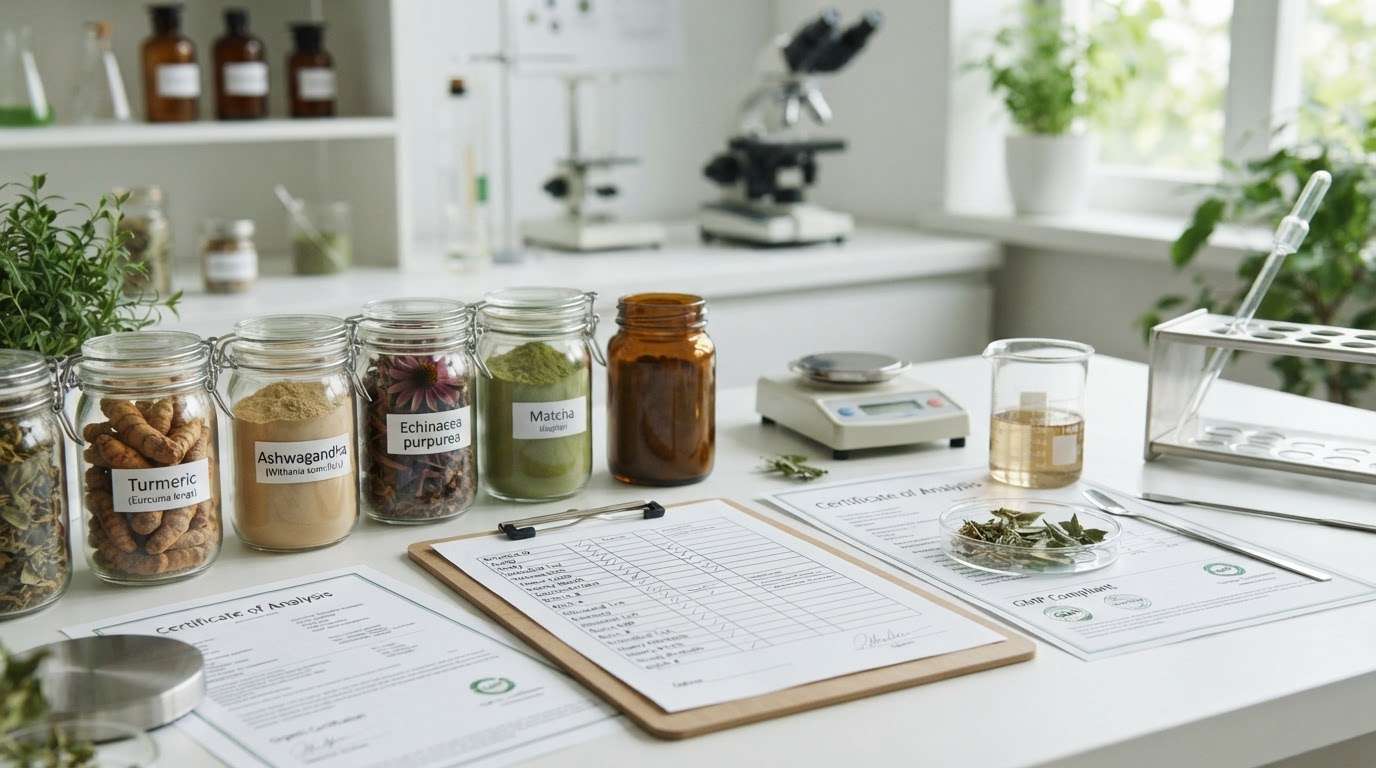
Quality Control & Testing
Reputable suppliers provide comprehensive quality documentation including:
- Certificate of Analysis (CoA) with HPLC quantification of gingerols and shogaols
- Heavy metal testing (lead, mercury, cadmium, arsenic) to international pharmacopeial standards
- Pesticide residue screening
- Microbial contamination testing (total plate count, yeast and mold, pathogens)
- Residual solvent analysis
- Compliance documentation for target markets (e.g., FDA GRAS status, EU Novel Food regulations, China GB standards)
Safety Profile
Ginger extract is generally recognized as safe (GRAS) at typical dietary and supplemental intakes. Higher doses may occasionally cause mild heartburn or gastric discomfort in sensitive individuals. Due to potential mild blood-thinning effects, formulators targeting populations using anticoagulant or antiplatelet medications should include appropriate label advisory statements. Ginger extract is well-tolerated across diverse populations, including pregnant women (at recommended doses under medical supervision) and the elderly.
Frequently Asked Questions
What is the recommended dosage of ginger extract for daily use?
For general wellness and preventive immune support, the evidence-backed daily dosage range is 250–500 mg of standardized ginger extract (typically standardized to 5–10% gingerols), taken with a meal. For acute applications such as nausea relief or joint pain management, clinical trials have used dosages up to 1,000–2,000 mg per day divided across multiple servings, though such higher doses should be taken under healthcare supervision. Formulators should align product dosages with the specific concentrations used in the clinical studies supporting their label claims.
What is the difference between gingerols and shogaols in ginger extract?
Gingerols are the primary active phenolic compounds in fresh ginger root, responsible for its pungent flavor and well-documented antioxidant and anti-inflammatory activities. Shogaols are their dehydrated derivatives, formed during drying, heating, or extraction processes. Shogaols are generally considered more potent anti-inflammatory agents than gingerols on a weight-for-weight basis and, importantly, can cross the blood–brain barrier—making them relevant for neuroprotective and cognitive applications. A high-quality full-spectrum ginger extract should specify and standardize both compound classes, along with zingerone and paradols, to capture the full synergistic benefit profile.
How does ginger extract support immune function?
Ginger extract supports immune function through multiple documented mechanisms: (1) direct antiviral activity against respiratory viruses including RSV, as demonstrated in the Journal of Ethnopharmacology (2020); (2) reduction of pro-inflammatory cytokines including IL-6 that suppress immune efficiency when chronically elevated; (3) enhancement of immune cell activity, including macrophages and lymphocytes; and (4) positive modulation of gut microbiota diversity—significant given that approximately 70% of immune system activity is gut-associated. These complementary mechanisms make ginger extract a comprehensive immune-support ingredient rather than a single-action botanical.
Is ginger extract safe for use in food and beverage applications?
Yes. Ginger and its extracts hold GRAS (Generally Recognized as Safe) status in the United States and are similarly approved for food and supplement use in the EU, China, and most major global markets. For beverage applications, low-temperature or cold-extracted ginger extracts are preferred to preserve heat-sensitive gingerols. Formulators should be aware that some sensitive individuals may experience mild gastric discomfort at higher doses, and products targeting populations using anticoagulant medications should carry appropriate advisory language. A qualified supplier should provide full regulatory documentation for the target market.
What should B2B buyers look for when sourcing ginger extract?
Key sourcing criteria include: (1) Verified standardization—a CoA specifying HPLC-quantified gingerol and shogaol content; (2) Extraction method transparency—understanding whether hydroethanolic, CO₂, or low-temperature processing was used and its implications for compound profile; (3) Comprehensive third-party testing—heavy metals, pesticide residues, microbials, and residual solvents; (4) Regulatory compliance documentation for all target markets; and (5) Supply chain traceability—documentation of ginger origin, cultivation practices, and GMP-certified manufacturing. Buyers should request full technical data packages from prospective suppliers before finalizing sourcing decisions.
Conclusion: A Multi-Benefit Botanical for the Modern Wellness Industry
From ancient trade routes to today’s evidence-based supplement and functional food markets, ginger extract has maintained and strengthened its position as one of the most versatile, scientifically validated, and commercially compelling functional botanicals available. Its unique combination of digestive support, anti-nausea efficacy, anti-inflammatory and analgesic activity, immune modulation, cardiometabolic benefits, antioxidant protection, and emerging neuroprotective potential gives it a breadth of application that few single botanical ingredients can match.
For B2B brands and formulators, the commercial case is equally strong. Consumer awareness of ginger as a functional ingredient is globally high, demand for plant-based and natural health solutions continues to accelerate, and the peer-reviewed evidence base supporting specific efficacy claims is robust and growing. Whether the target is a premium joint-health supplement, a functional immune-support beverage, a sports recovery formula, or a natural cosmetic active, standardized ginger extract delivers the potency, consistency, and scientific credibility required to build winning products.
The key to unlocking ginger extract’s full potential lies in ingredient quality. Standardization to clinically relevant gingerol levels, transparent extraction methodology, rigorous third-party quality testing, and full regulatory documentation are non-negotiable requirements for any serious formulation program.
Green Life Herb specializes in premium, standardized botanical extracts—including high-potency ginger extract standardized to your specific application requirements. With full-spectrum quality documentation, flexible specifications, and dedicated technical support, we are your trusted partner for botanical ingredient sourcing. Contact Green Life Herb today to request samples, technical data sheets, and custom specification quotations for your next ginger extract formulation.
Looking for Premium Plant Extracts?
Green Life Herb supplies 280+ botanical extracts with ISO/HALAL/Kosher certifications.
Custom specifications and sample orders available.