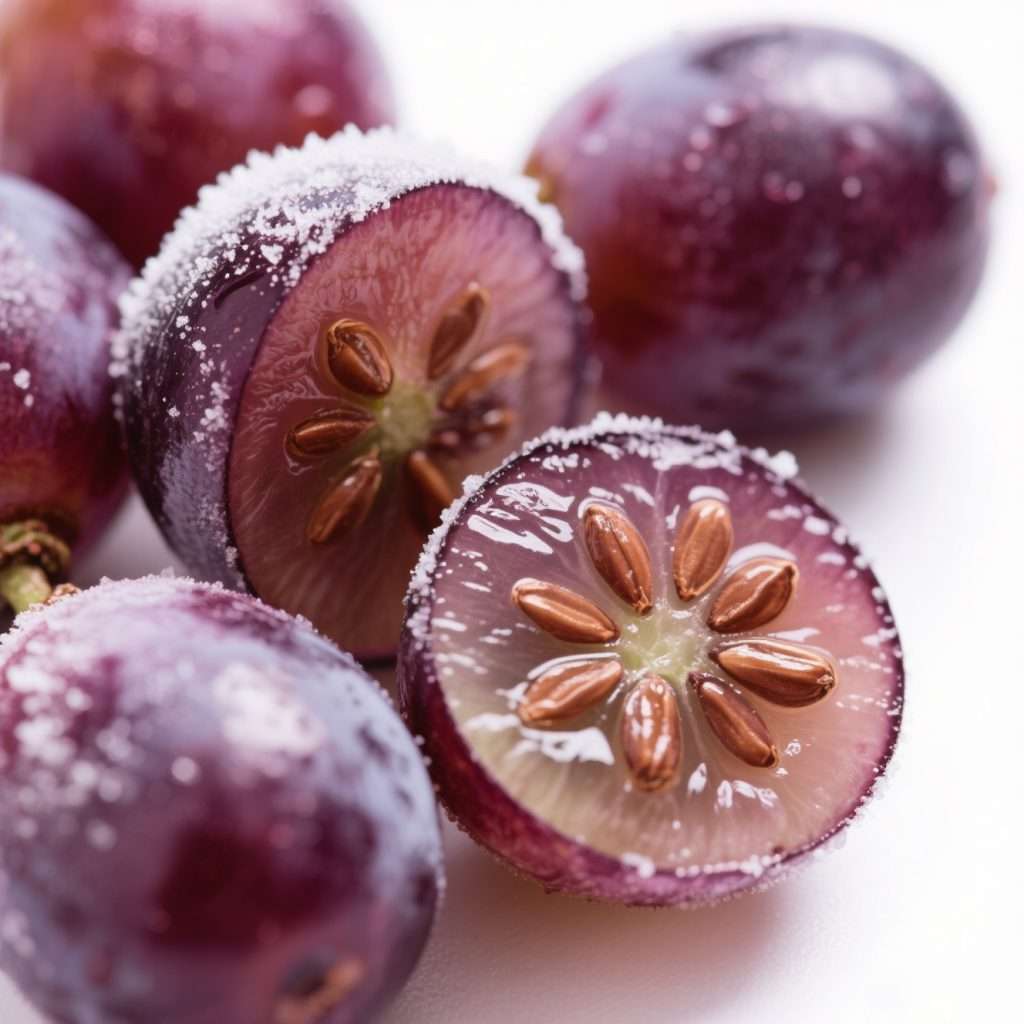
For centuries, grapes have been celebrated for their luscious taste and role in fine wines. But hidden within their tiny seeds lies a scientific revelation poised to redefine modern wellness: potent antioxidants capable of combatting cellular aging, metabolic disorders, and chronic inflammation. Once considered a low-value byproduct of the winemaking and juice industries, grape seed extract (GSE) is now a cornerstone ingredient across the nutraceutical, functional food, and cosmetic industries. The global market for botanical antioxidants is expanding rapidly, and GSE — with its unparalleled polyphenol density, multi-mechanism bioactivity, and clean sustainability narrative — is consistently ranked among the most commercially significant plant extracts worldwide.
Researchers worldwide are unlocking how GSE — rich in polyphenols like proanthocyanidins, resveratrol, and catechins — delivers transformative health benefits validated by rigorous scientific studies. These findings are driving adoption not only in traditional supplement channels, but also in cosmetic actives, functional beverages, clean-label food preservation, and animal nutrition — a breadth of application that few single botanical ingredients can match.
This article provides a comprehensive overview of grape seed extract’s bioactive compounds, evidence-backed benefits, and practical B2B applications for formulators, manufacturers, and ingredient buyers. Whether you are developing a cardiovascular supplement, a clean-label food product, or a premium anti-aging skincare line, understanding the full scientific profile of GSE is essential for making informed ingredient decisions.
Key Bioactive Compounds in Grape Seed Extract
Proanthocyanidins (OPCs)
Proanthocyanidins, also known as oligomeric proanthocyanidins (OPCs), are the primary active compounds in grape seed extract. Grape seeds contain 43–48% polyphenols by weight, with proanthocyanidins making up the dominant fraction. These condensed tannin structures are responsible for the majority of GSE’s pharmacological activity and are the subject of the most extensive clinical research.
OPCs are renowned for their exceptional antioxidant potency — proven to be up to 20 times more effective than vitamin C and 50 times more than vitamin E at neutralizing free radicals. They act as the grape’s natural shield against environmental stressors, and this protective power is preserved and concentrated through the extraction process.
Resveratrol
Resveratrol is a stilbene polyphenol found in grape skins and seeds, well known for its cardioprotective and anti-aging properties. It activates sirtuins — proteins associated with longevity pathways — and exerts anti-inflammatory effects by modulating NF-κB signaling. Resveratrol also demonstrates neuroprotective potential and is increasingly studied for its role in metabolic regulation.
Catechins and Epicatechins
Catechins are flavonoid monomers that serve as building blocks for proanthocyanidins. In grape seed extract, both catechin and epicatechin are present in free and polymerized forms. These compounds contribute directly to antioxidant activity and are associated with improvements in endothelial function, reduced platelet aggregation, and enhanced gut microbiome diversity. Epicatechin gallate (ECG) and epigallocatechin gallate (EGCG) variants further amplify the extract’s anti-inflammatory profile.
Antioxidant Power: The Science of Cellular Defense
Oxidative stress — the imbalance between free radical production and the body’s antioxidant defenses — is widely recognized as a root driver of aging and degenerative disease. Grape seed extract addresses this at the molecular level through a triple-action mechanism:
- Neutralizing reactive oxygen species (ROS): GSE demonstrates an IC50 of 33.17 μg/mL against DPPH radicals, a potency comparable to 4.17 mM vitamin C. In accelerated oxidation trials, GSE significantly suppressed lipid peroxidation in oils, outperforming synthetic antioxidants like BHT in reducing peroxide formation.
- Metal ion chelation: GSE chelates pro-oxidant metal ions such as iron and copper, which catalyze the Fenton reaction and drive oxidative tissue damage. This mechanism is particularly relevant for food preservation and skin protection applications.
- Upregulating endogenous antioxidants: GSE boosts the activity of superoxide dismutase (SOD), catalase, and glutathione reductase — the cell’s own enzymatic defense system — shielding DNA and mitochondrial function from oxidative insult.
In clinical trials, supplementation with GSE reduced oxidative stress markers by up to 40%, demonstrating meaningful systemic antioxidant activity beyond what the raw DPPH values alone suggest.
Cardiovascular Benefits
Cardiovascular health is one of the most robustly documented application areas for grape seed extract. Proanthocyanidins exert a multi-pronged effect on the cardiovascular system:
- LDL oxidation inhibition: OPCs prevent the oxidation of low-density lipoprotein (LDL) cholesterol — a critical step in the formation of arterial plaques. By protecting LDL from oxidative modification, GSE reduces a primary risk factor for atherosclerosis.
- Capillary wall reinforcement: Proanthocyanidins cross-link collagen fibers in blood vessel walls, increasing structural integrity and reducing capillary fragility. This makes GSE particularly relevant for conditions involving vascular permeability and chronic venous insufficiency.
- Improved circulation and blood pressure: GSE promotes vasodilation through nitric oxide (NO) pathway modulation, supporting healthy blood pressure and peripheral circulation. Human trials have demonstrated statistically significant reductions in systolic blood pressure in overweight individuals supplementing with GSE.
- Reduced platelet aggregation: The catechin fractions in GSE reduce platelet clumping, lowering thrombotic risk without the bleeding side effects associated with pharmaceutical anticoagulants.
These mechanisms collectively position grape seed extract as a high-value ingredient for heart health formulations, including supplements targeting blood pressure, circulation, and cholesterol management. For B2B manufacturers developing cardiovascular nutraceuticals, GSE offers the rare advantage of multi-pathway activity — addressing oxidative stress, vascular structural integrity, platelet function, and lipid oxidation within a single, well-characterized botanical ingredient. This pharmacological breadth supports combination formulas and broad cardiovascular wellness positioning.
Skin and Anti-Aging Benefits
Grape seed extract has become a gold-standard ingredient in premium skincare and nutricosmetic formulations, supported by both mechanistic research and clinical evidence.
Topical Applications
When applied topically at concentrations of 3–5%, GSE absorbs UV and blue-light radiation, increasing sunscreen efficacy (SPF +5; PPD +1) while simultaneously neutralizing photo-induced reactive oxygen species. This dual photoprotective and antioxidant action makes it a compelling addition to sun care and daily moisturizer formulations.
Proanthocyanidins protect dermal fibroblasts from UV-induced damage, calm skin inflammation, and stimulate collagen biosynthesis. Clinical studies have reported measurable increases in skin hydration, reductions in fine lines, and improved skin tone following consistent GSE application.
Internal Anti-Aging Mechanisms
Oxidative stress accelerates biological aging at the cellular and tissue level. GSE restores redox balance in age-compromised systems. In research models, GSE supplementation elevated SOD and catalase activity by 40% and reduced DNA fragmentation in aging cells — effectively reversing key markers of cellular senescence.
“Grape seeds transform waste into wellness.” — Dr. Yang Jiangshan, whose research team used melatonin-GSE synergies to reduce ROS in plant cells by 60%, highlighting the extract’s broad applicability as a biological antioxidant system.
In post-harvest research, GSE-treated produce showed 50% less decay after four weeks, with glutathione reductase activity surging by 80% — a compelling demonstration of the extract’s anti-senescence potency across biological systems.
Other Notable Benefits
Metabolic and Weight Management Support
Obesity and insulin resistance represent major formulation opportunities for GSE. In preclinical studies using obese Zucker rats, GSE combined with other plant bioactives (caffeine, capsaicin, genistein) produced dramatic metabolic outcomes:
- 11% reduction in body weight within five weeks
- 27% decrease in plasma glucose
- Restored insulin sensitivity and normalized adiponectin levels
- Promotion of lipolysis and suppression of adipose tissue inflammation
While human clinical trials remain ongoing, the early mechanistic data positions GSE as a promising ingredient in metabolic health, weight management, and blood sugar support formulations. The extract’s ability to simultaneously target multiple aspects of metabolic dysfunction — oxidative stress, insulin signaling, adipokine balance, and inflammatory mediators — makes it suitable for combination products alongside ingredients such as berberine, chromium, or cinnamon extract in the rapidly growing metabolic syndrome supplement category.
Anti-Inflammatory Activity
Chronic low-grade inflammation underpins a wide spectrum of modern diseases, from metabolic syndrome to neurodegenerative conditions. OPCs in GSE modulate pro-inflammatory cytokine production (including IL-6 and TNF-α) and inhibit the NF-κB signaling pathway, providing a credible molecular basis for anti-inflammatory product claims.
Oncoprotective Potential
Preliminary in vitro studies indicate that grape seed extract induces apoptosis in cervical (HeLa) and breast cancer cell lines while sparing healthy tissue. Though these findings require further validation in human trials, they represent an area of active research and growing interest in functional ingredient development.
Neuroprotective Effects
GSE polyphenols cross the blood-brain barrier and have demonstrated neuroprotective effects in preclinical models of cognitive decline. By reducing neuroinflammation and oxidative damage to neuronal tissue, GSE is being investigated as an ingredient for brain health and cognitive support products. The OPC fraction in particular has shown affinity for amyloid-beta aggregation inhibition, which is relevant to Alzheimer’s disease research. While clinical evidence in humans is still developing, the neuroprotection angle represents an emerging differentiation opportunity for premium supplement brands targeting aging consumers.
B2B Applications: Industry Use Cases
Grape seed extract’s versatile bioactivity and favorable safety profile make it suitable for formulation across multiple industries. Key B2B application categories include:
Nutraceuticals and Dietary Supplements
GSE is widely used in capsule, tablet, softgel, and powder supplement formats. Clinically validated dosages range from 150–500 mg daily for general antioxidant support, with higher doses used in cardiovascular and metabolic health protocols. Standardized extracts (typically 95% OPC by HPLC) are preferred for supplement manufacturing due to consistent potency and regulatory compliance.
Functional Foods and Beverages
GSE serves as a natural antioxidant enrichment agent in beverages, energy drinks, and fortified food products. Its metal-chelating properties also make it an effective natural preservative — inhibiting lipid oxidation in meats, baked goods, and edible oils as a replacement for synthetic additives like BHT and BHA. Cold-pressed grape seed oil, rich in vitamin E and omega-6 fatty acids, is additionally valued in heart-healthy cooking oil formulations. In the beverage sector, water-soluble GSE grades are formulated into functional waters, ready-to-drink teas, and sports recovery drinks, where the antioxidant content adds both on-label health value and measurable ORAC improvement. The extract’s mild, slightly astringent flavor profile is generally well tolerated at effective functional concentrations.
Cosmetics and Personal Care
In topical formulations, GSE is used at concentrations of 1–5% in serums, moisturizers, sun care products, and anti-aging treatments. Its collagen-stimulating, UV-protective, and anti-inflammatory properties support a broad range of cosmeceutical claims. The extract is compatible with water-based and emulsion systems, and its light color minimizes formulation color impact. Encapsulated GSE (liposomal or cyclodextrin-complexed) formats have emerged to improve dermal penetration and stability in leave-on skincare applications. GSE is also increasingly incorporated into hair care products — shampoos, conditioners, and scalp serums — due to its antioxidant protection of keratin structures and reported benefits for scalp microcirculation.
Animal Nutrition
The antioxidant and anti-inflammatory properties of GSE are also applicable in animal feed and veterinary supplements, particularly for livestock, poultry, and companion animals. Research on fertility enhancement and cellular aging reversal in animal models further supports this application segment. In poultry production, GSE supplementation has been associated with improved egg quality, enhanced immune response, and reduced oxidative stress in muscle tissue — outcomes relevant to both productivity and product quality for integrators and feed manufacturers.
Quality and Sourcing Considerations
For B2B buyers, the quality of grape seed extract depends critically on raw material origin, extraction methodology, and analytical standardization. Key considerations include:
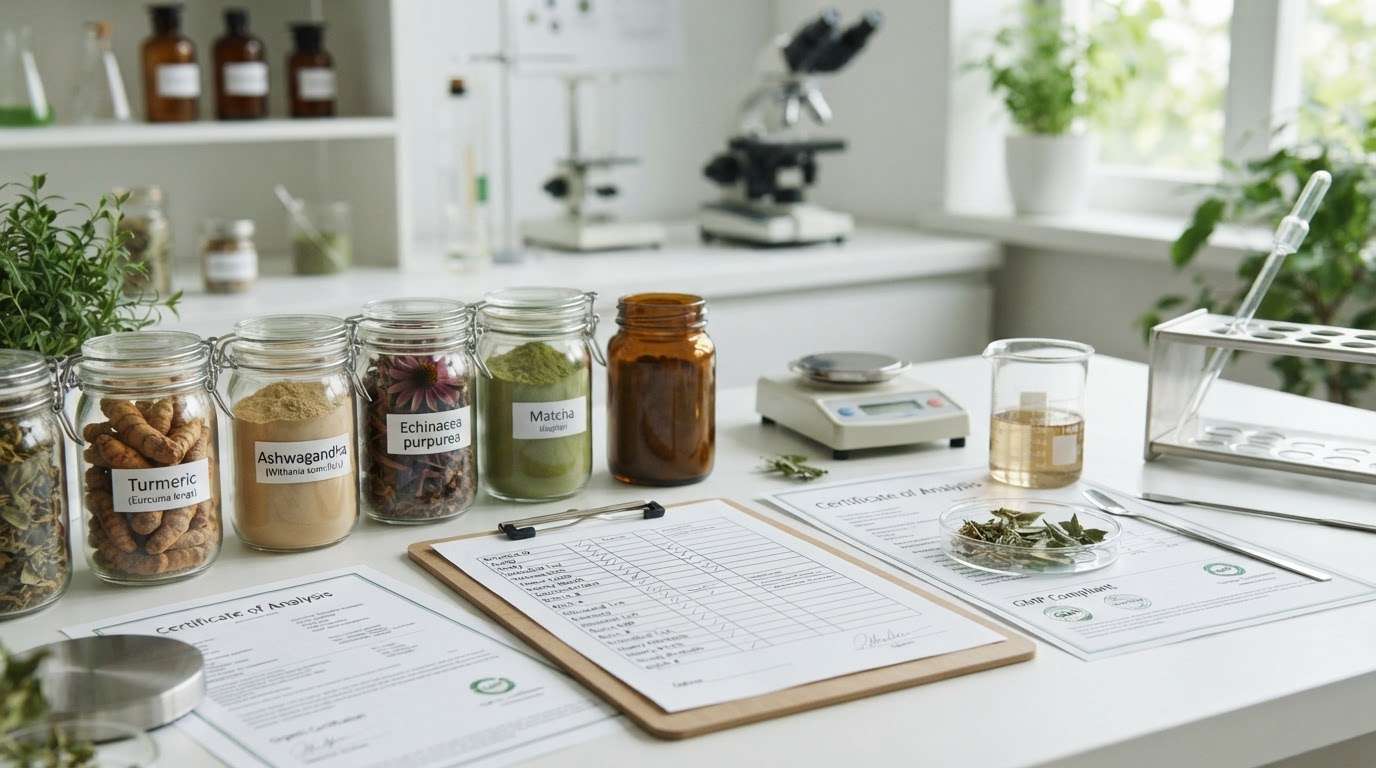
- Standardization: High-quality GSE should be standardized to a minimum of 95% OPC (oligomeric proanthocyanidins) content, verified by HPLC. Buyers should request certificates of analysis confirming polyphenol content, heavy metal testing, and microbiological safety.
- Extraction method: Solvent-free or low-solvent extraction methods (including supercritical fluid extraction and ultrasound-assisted extraction) preserve bioactive integrity and reduce residual solvent concerns. These methods also yield purer fractions of proanthocyanidins with higher antioxidant potency.
- Grape variety and origin: Vitis vinifera (European wine grape) seeds are the most studied and commercially preferred source. The polyphenol profile varies by cultivar, growing region, and harvest timing — factors that reputable suppliers document and control.
- Regulatory compliance: Ensure the extract meets applicable standards for the target market, including FDA GRAS status (USA), EU Novel Food regulations, and relevant Pharmacopoeial monographs. Third-party certifications (organic, non-GMO, Kosher, Halal) are increasingly required by downstream manufacturers.
- Sustainability credentials: As wineries globally upcycle an estimated 5 million tons of discarded grape seeds annually, GSE sourcing from circular winery supply chains represents a compelling sustainability story for brands and retailers focused on environmental responsibility.
Partnering with a vertically integrated supplier with traceable raw material sourcing, GMP-certified manufacturing, and transparent analytical documentation is essential for ensuring consistent product quality and regulatory defensibility. Prospective buyers should evaluate suppliers on batch-to-batch consistency (expressed as relative standard deviation in OPC content), shelf-life data under specified storage conditions, and the availability of application-specific technical support. Requesting development samples and conducting in-house stability testing in the intended formulation matrix before committing to commercial volumes is strongly recommended.
Frequently Asked Questions
What is the difference between grape seed extract and grape seed oil?
Grape seed extract is a concentrated polyphenol-rich powder or liquid derived from dried, ground grape seeds through solvent or water-based extraction. It is standardized primarily for OPC and proanthocyanidin content. Grape seed oil, by contrast, is obtained by cold-pressing or solvent extraction of the lipid fraction, yielding a product rich in linoleic acid (omega-6), tocopherols (vitamin E), and phytosterols. Both are commercially valuable but serve distinct formulation purposes: the extract for antioxidant and health-benefit claims, the oil for carrier, cooking, and skin-conditioning applications.
What standardization levels should B2B buyers look for?
For nutraceutical and cosmetic applications, the industry standard is 95% OPC by HPLC. Some specialized applications (e.g., food preservation) may use lower-standardized grades (40–60% polyphenols), which offer a more economical option while still providing functional antioxidant activity. Buyers should always verify the analytical method used for standardization, as some suppliers use UV spectrophotometry, which can overestimate OPC content compared to HPLC.
Is grape seed extract safe for long-term use in supplement formulations?
Grape seed extract has a well-established safety profile. It is generally recognized as safe (GRAS) in the United States and has been used in dietary supplements for decades without evidence of serious adverse effects at recommended doses (150–500 mg/day). High-dose animal studies have not identified organ toxicity at doses far exceeding typical human supplementation levels. As with any botanical ingredient, formulators should ensure the extract is free from pesticide residues, heavy metals, and mycotoxins, and should review any interactions relevant to specific target populations (e.g., anticoagulant drug interactions at high doses).
How does grape seed extract perform as a natural preservative compared to synthetic antioxidants?
GSE demonstrates competitive and in some cases superior performance compared to synthetic antioxidants such as BHT (butylated hydroxytoluene) and BHA in food preservation applications. Its metal-chelating mechanism addresses a key oxidation pathway not covered by hydrogen-donating antioxidants alone. The combination of free radical scavenging and metal chelation makes GSE a multifunctional clean-label preservative. Performance varies by food matrix, concentration, and pH, so application-specific testing is recommended before commercialization.
What are the key market trends driving demand for grape seed extract?
Several converging trends are accelerating GSE demand globally. The clean-label and natural ingredients movement is displacing synthetic antioxidants in food, beverage, and personal care formulations. The anti-aging and longevity supplement category continues strong growth, driven by aging demographics in North America, Europe, and East Asia. Metabolic health — including blood sugar management, weight control, and cardiovascular wellness — remains a high-growth segment where GSE’s multi-target activity is commercially attractive. Additionally, sustainability-focused sourcing narratives around winery byproduct upcycling are resonating with environmentally conscious brands and consumers alike.
Looking for Premium Plant Extracts?
Green Life Herb supplies 280+ botanical extracts with ISO/HALAL/Kosher certifications.
Custom specifications and sample orders available.